


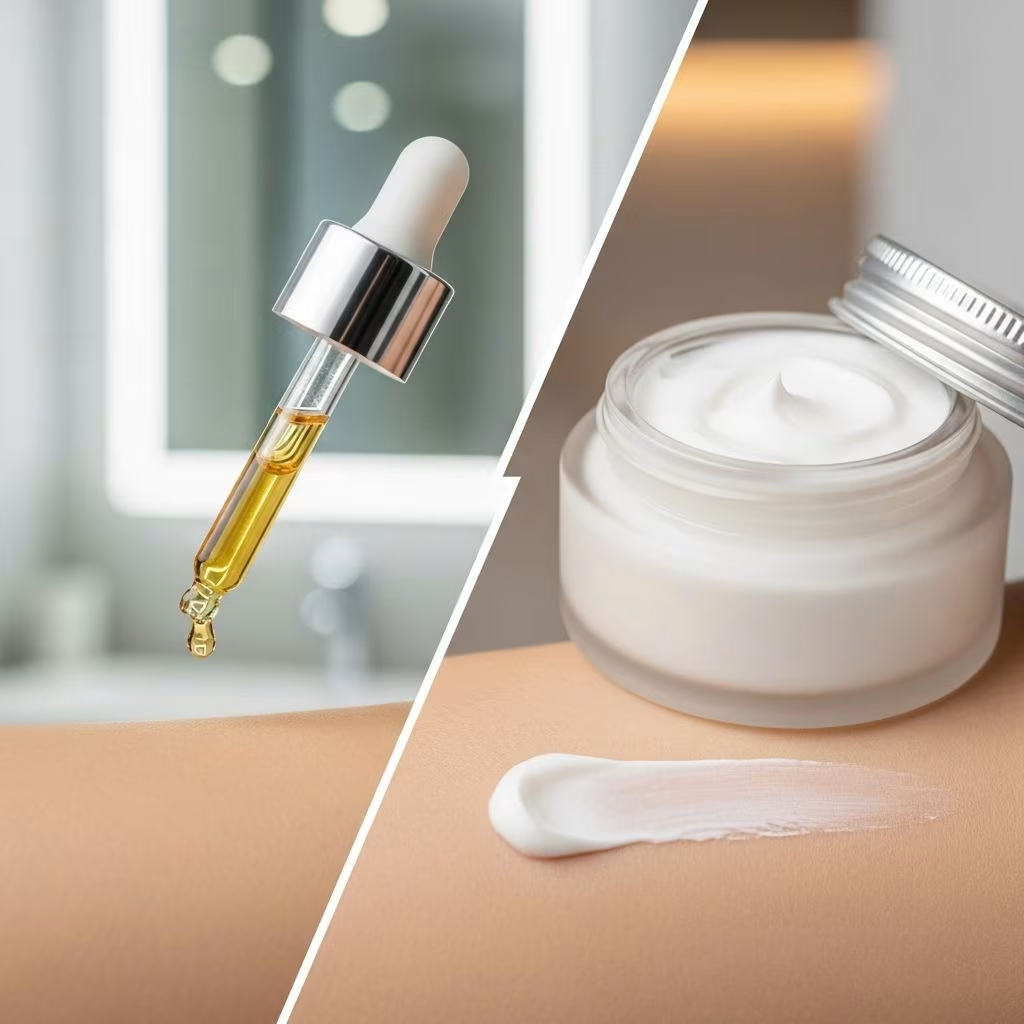
Understanding Serums and Moisturizers
Serums and moisturizers are both essential components of a balanced skincare routine, but they serve distinct purposes. Understanding their differences is the first step to using them effectively.
- Serums are lightweight, concentrated formulas packed with active ingredients—such as antioxidants, peptides, and vitamins—designed to target specific skin concerns like wrinkles, dullness, or hyperpigmentation. Their small molecules allow deeper penetration into the skin.
- Moisturizers are typically thicker creams or lotions formulated to hydrate, lock in moisture, and form a protective barrier over the skin’s surface. They help prevent water loss and shield the skin from environmental aggressors.
While serums deliver potent, targeted benefits, moisturizers ensure that your skin stays hydrated and protected throughout the day or night. Both are vital for healthy, glowing skin, but applying them in the correct order is crucial for maximizing their effects.
Why Order Matters in Skincare
The sequence in which you apply skincare products directly impacts how well they are absorbed and how effective they are. The rule of thumb is to layer products from thinnest to thickest consistency—this allows each product to absorb properly without being blocked by heavier formulas applied first.
Applying the right product first ensures that active ingredients reach the deeper layers of your skin, where they can deliver their intended benefits. If you apply a thick moisturizer before a lightweight serum, the serum’s active ingredients may not penetrate as effectively, reducing its efficacy. Conversely, applying a serum before a moisturizer ensures that the concentrated actives are absorbed first, followed by hydration and protection from the moisturizer.
Serum vs. Moisturizer: Which Comes First?
The majority of skincare experts agree: serum should be applied before moisturizer in your routine. Here’s why:
- Molecular Size: Serums contain smaller, more concentrated molecules that are designed to penetrate deeply into the skin. Moisturizers, on the other hand, have larger molecules that sit on the skin’s surface to hydrate and protect.
- Texture: Serums typically have a light, watery texture, while moisturizers are thicker and creamier. The “thin-to-thick” rule ensures that products are absorbed in the correct order.
- Efficacy: Applying serum first allows its active ingredients to target specific skin concerns without being blocked by a heavier moisturizer. Once absorbed, moisturizer seals everything in, enhancing hydration and protection.
In summary, applying serum before moisturizer maximizes absorption and effectiveness, delivering your skin the full benefits of each product.
Factors Influencing Application Order
While the general rule favors applying serum first, there are nuances to consider based on your skin type, concerns, and the specific products you use.
Product Texture and Consistency
The consistency of your skincare products is a key factor in determining which goes first. Water-based, lightweight products (like most serums) should always go before oil-based, heavier creams (like most moisturizers). If you have a serum with a particularly thick or occlusive texture, it may require experimentation—but this is uncommon, as most serums are formulated to be absorbed quickly.
Tip: When in doubt, check the texture. Thinner, watery formulas go first; thicker, creamy ones go last.
Skin Type Considerations
Your skin type can also influence the order and type of products you use:
| Skin Type | Serum First? | Moisturizer First? | Notes |
|---|---|---|---|
| Normal/Combination | Yes | No | Standard routine—serum then moisturizer. |
| Oily | Yes | No | Gel-based moisturizers are ideal; avoid heavy creams. |
| Dry/Sensitive | Usually | Sometimes | If irritation occurs, try “buffering” with moisturizer first; see “Special Cases” below. |
For most people, applying serum first is ideal. However, if you have very dry or sensitive skin, you may find that applying a moisturizer first—or even sandwiching your serum between two layers of moisturizer—can reduce irritation without sacrificing efficacy.
Special Cases and Exceptions
There are exceptions to the “serum first” rule, particularly when it comes to certain active ingredients or skin sensitivities.
- Retinol and Other Potent Actives: If you use a retinol serum or another potentially irritating active, dermatologists sometimes recommend the “sandwich” method: apply moisturizer first, then retinol serum, then another layer of moisturizer. This buffers the skin and minimizes irritation, while still allowing the active to work.
- Oil-Based Serums: If your serum is oil-based and your moisturizer is water-based, you may want to experiment with the order, but generally, water-based products should still go first for optimal absorption.
- Spot Treatments: Some acne treatments or spot treatments are best applied after cleansing but before other serums or moisturizers, depending on the product’s instructions.
Always read product instructions and consider patch testing if you’re trying a new routine, especially with active ingredients.
Step-by-Step Skincare Routine
Here’s a standard skincare routine that illustrates where serums and moisturizers fit in, along with optional steps for a comprehensive regimen:
- Cleanser: Gently wash your face to remove dirt, oil, and makeup.
- Toner (Optional): Apply toner to balance your skin’s pH and prepare it for subsequent products.
- Serum: Apply your chosen serum(s) to dry or slightly damp skin. If using multiple serums, layer from thinnest to thickest.
- Eye Cream (Optional): Apply eye cream before or after serum, based on texture (thin to thick).
- Moisturizer: Follow with moisturizer to hydrate and seal in the benefits of your serum.
- Sunscreen (Morning Only): During the day, finish with sunscreen as your last step to protect your skin from UV damage.
This routine works for most skin types and concerns. Adjust based on your individual needs, skin type, and the specific products you use.
Common Mistakes to Avoid
Avoid these pitfalls to get the most out of your serum and moisturizer:
- Applying Moisturizer Before Serum: This can block the absorption of active ingredients, reducing their effectiveness.
- Mixing Incompatible Ingredients: Be careful when using multiple serums—some ingredients (like certain acids and retinol) shouldn’t be layered together due to potential irritation.
- Skipping Moisturizer: Even oily skin needs hydration. Skipping moisturizer can lead to dehydration and overproduction of oil.
- Overloading Products: Applying too many products at once can overwhelm the skin and lead to irritation or breakouts.
- Ignoring Texture: Always layer from thinnest to thickest for optimal absorption.
Frequently Asked Questions (FAQs)
Q: Can I mix serum and moisturizer together?
A: While you can physically mix them, it’s generally better to layer them. Mixing may dilute the serum’s potency and affect the texture and absorption of both products.
Q: What if my serum is thicker than my moisturizer?
A: This is rare, but if your serum is oil-based or exceptionally thick, you may need to experiment with the order. Still, most serums are lighter than moisturizers.
Q: Can I skip moisturizer if my serum is hydrating?
A: Most serums are not formulated to replace moisturizers. While some serums contain hydrating ingredients, they usually lack the occlusive agents needed to lock in moisture. For most people, both are essential.
Q: How long should I wait between serum and moisturizer?
A: Wait a few minutes (2-3 minutes) to allow the serum to absorb fully before applying moisturizer.
Q: Does the order change for different skin types?
A: The general order remains the same, but very dry or sensitive skin may benefit from the sandwich method with certain actives, or from a richer moisturizer applied first in rare cases.
Q: What about oils? Do they go before or after moisturizer?
A: Facial oils are typically applied after serums and before or instead of moisturizers, depending on your skin’s needs and the oil’s texture. Light oils can replace moisturizers for some people, while heavier oils may be layered on top.
Final Thoughts
Choosing between serum and moisturizer isn’t about picking one over the other—it’s about understanding how to use both for the most effective skincare routine. Serum first, moisturizer second is the golden rule for most people and products, ensuring deep delivery of active ingredients and lasting hydration.
Remember, skincare is personal. Listen to your skin, experiment within reason, and adjust your routine as needed. Consistency and mindful layering will help you achieve healthy, radiant skin for years to come.
References
- https://misshaus.com/blogs/blog/serum-or-moisturizer-which-comes-first
- https://www.getrael.com/blogs/r-blog/serum-or-moisturizer-first
- https://www.ulike.com/blogs/skincare/serum-or-moisturizer-first-the-correct-order
- https://lovekinship.com/blogs/news/serum-or-moisturizer-first
- https://www.skincare.com/expert-advice/ask-the-expert/serum-or-moisturizer-first
- https://www.medicalnewstoday.com/articles/serum-or-moisturizer-first
- https://health.clevelandclinic.org/proper-skin-care-product-order
- https://www.cetaphil.com/us/skincare-tips/skincare_guides/difference-between-serums-and-moisturizers.html
- https://thestripe.com/correct-order-apply-skincare-products/


