


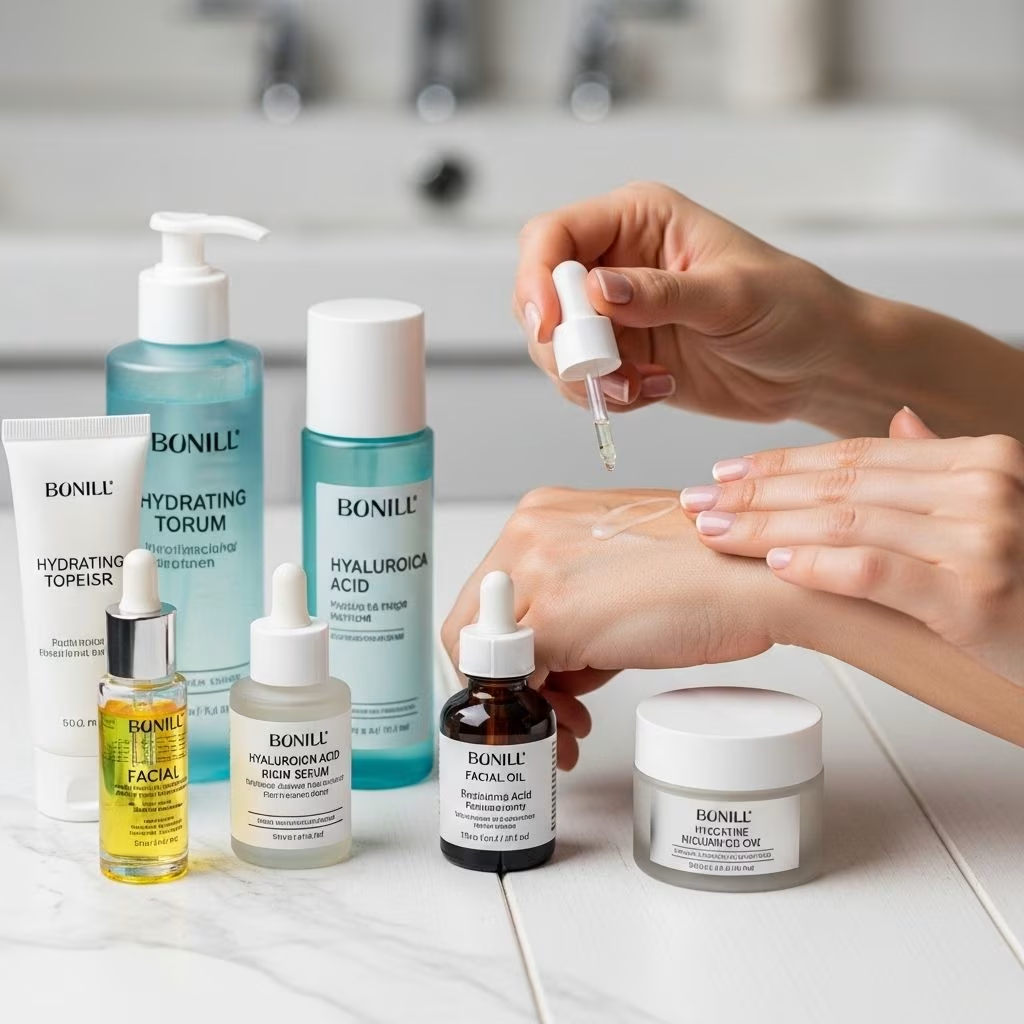
The skincare sandwich method is a revolutionary approach to layering skincare products, designed to maximize hydration, reduce irritation, and ensure the optimal efficacy of active ingredients. This comprehensive guide covers its science, step-by-step instructions, expert tips, and answers to common questions, helping you unlock the secret to luminous, balanced skin.
What Is the Skincare Sandwich Method?
The skincare sandwich method is a product layering technique that involves “sandwiching” potent or potentially irritating skincare actives—like retinoids, exfoliating acids, or vitamin C—between layers of hydrating or soothing products, typically moisturizers. Its aim is to create a moisture-locked, buffered environment that allows actives to penetrate effectively while minimizing dryness, irritation, or redness. The method draws inspiration from the idea of a sandwich: the moisturizer acts as “bread,” protecting and enhancing the effect of the “filling,” which is typically your targeted active serum or cream.
This technique is not only about maximizing hydration but also enhancing the skin barrier, making it particularly suitable for sensitive, dry, or combination skin types, as well as those new to potent actives.
The Science Behind the Sandwich Technique
The sandwich method utilizes two main dermatological principles:
- Occlusion: This refers to forming a barrier over the skin to trap moisture and prevent trans-epidermal water loss (TEWL). Creams, balms, and oils act as occlusive agents that seal in hydration and support the skin barrier.
- Enhanced Penetration of Actives: Applying actives on a pre-hydrated skin surface often increases their absorption and effectiveness. However, buffering them with moisturizer reduces the risk of irritation commonly caused by potent ingredients.
By “sandwiching” actives, you create a protective moisture reservoir, allowing your skin to gain the full benefits without common side effects such as flaking or redness. Efforts to reinforce the skin barrier further help in maintaining long-term skin health, preventing over-sensitization from harsh ingredients or extreme weather conditions.
Key Benefits of the Skincare Sandwich Method
This method brings a host of benefits suitable for all skin types, especially those who struggle with irritation, dehydration, or inconsistent results from actives:
- Improved Hydration: Layering light hydrating products then sealing them in retains moisture longer, keeping skin plumper and more comfortable. This is crucial during cold, dry winter months but equally beneficial year-round.
- Reduced Irritation from Actives: Buffering strong ingredients like retinoids or exfoliants with moisturizer minimizes dryness, flaking, and redness—making powerful treatments more tolerable, even for sensitive skin.
- Enhanced Absorption and Efficacy: Moisturized skin offers better penetration for actives, so you maximize results from every serum or treatment in your routine.
- Barrier Support and Repair: Regular sandwiching helps reinforce the skin’s natural barrier, protecting against environmental aggressors, over-exfoliation, and pollution.
- Consistent Use of Active Ingredients: By minimizing irritation, you’re more likely to maintain regular use of actives—essential for sustained results, particularly with acne-fighting or anti-aging regimens.
- Tailored to Your Skin’s Needs: The method is versatile and can be adapted for specific concerns, such as sensitive, acne-prone, dry, or mature skin.
Step-by-Step Guide: How to Do the Skincare Sandwich Method
Whether you’re applying retinol for anti-aging effects or vitamin C for brightening, the foundational steps remain the same. Here’s a practical guide:
- Start with Clean Skin: Remove makeup, sunscreen, and any buildup to ensure your skin can soak up the benefits of your products.
- First Layer – Lightweight Hydration:
– Use a light, water-based moisturizer, hydrating toner, or essence.
– Gently pat (don’t rub) the product into your skin for optimal absorption. - Second Layer – Targeted Active Ingredient:
– Apply your chosen treatment: retinoid, retinol, vitamin C serum, exfoliating acid, or any potent active.
– If new to actives or have sensitive skin, opt for a pea-sized amount and avoid the eye and mouth area. - Third Layer – Moisturizer or Balm to Seal:
– Apply a thicker cream, moisturizer, or oil-based balm to lock in all previous layers.
– This seals in moisture, reduces water loss, and creates a comfy buffer for actives.
Tips for Application
- Always apply products from thinnest to thickest: lighter hydrators first, serums or treatments next, then heavier creams last.
- Adjust amounts based on your skin’s needs; drier skin may benefit from an additional lightweight hydrating step.
- If using a prescription-strength active, consult your dermatologist before modifying your routine.
Popular Variations: Retinol, Vitamin C, and More
The sandwich method can be customized for specific actives. Some popular strategies include:
| Active Ingredient | Sandwich Variation | Best For | Special Tips |
|---|---|---|---|
| Retinoids/Retinol | Moisturizer – Retinol – Moisturizer | Sensitive or retinol-beginner skin, anti-aging, acne control | Reduce risk of flaking and irritation by buffering retinol; start 2x/week and increase |
| Vitamin C | Hydrating Toner – Vitamin C serum – Moisturizer | Dullness, pigmentation, antioxidant protection | Use in the morning with SPF on top; choose stabilized Vitamin C for less sensitivity |
| Chemical Exfoliants (AHAs/BHAs) | Hydrating Mist – Exfoliant – Moisturizer | Texture, clogged pores, brightening | Start weekly; never layer more than one strong acid at a time |
| Peptides or Barrier Serums | Hydrating Serum – Peptide Serum – Moisturizer/Oil | Barrier-strengthening, fine lines, dehydration | Can be used daily; great after exfoliation |
Tips for Different Skin Types and Concerns
- Dry or Dehydrated Skin: Opt for multiple hydrating layers—start with a humectant-based serum (e.g., hyaluronic acid), then layer with a ceramide or squalane-rich moisturizer to maximize water retention.
- Sensitive or Rosacea-Prone Skin: Look for fragrance-free, non-irritating moisturizers and stick to low-strength actives at first. A thicker final layer (like a barrier balm) is ideal.
- Acne-Prone Skin: Choose non-comedogenic and oil-free formulas. Buffering benzoyl peroxide or chemical exfoliants this way prevents excessive drying and reduces breakout risk.
- Oily or Combination Skin: Use lightweight, gel-based moisturizers and avoid heavy occlusives; sandwiching may be useful around the cheeks or dry patches only.
- Aging or Mature Skin: Regular use supports collagen-building actives by reducing irritation, which is crucial for consistency and smoother results.
Avoiding Common Mistakes
While the sandwich method is gentle and effective, a few pitfalls may undermine your results:
- Layering incompatible ingredients: Some actives (like retinol and strong acids) should not be layered together, even within a sandwich—alternate nights instead.
- Using too much product: Excess can clog pores or pill under makeup. Use small, even amounts and allow each layer to absorb before applying the next.
- Skipping SPF: The method does not replace morning sunscreen—always finish your AM routine with broad-spectrum SPF 30+.
- Applying to damp skin with certain actives: When using strong actives (like retinoids), sometimes it’s best to apply to fully dry skin to prevent deep penetration that could irritate.
- Ignoring patch tests: Always patch test new actives or combinations before applying them to your entire face.
Frequently Asked Questions (FAQs)
Q: Who should use the skincare sandwich method?
A: Anyone can benefit, especially those with dry, sensitive, or combination skin, or those who experience irritation from powerful actives like retinoids, acids, or vitamin C.
Q: Can oily or acne-prone skin types use this method?
A: Yes. Use non-comedogenic, lightweight hydration products and avoid thick occlusives if you have areas prone to congestion.
Q: Is this only for night routines?
A: No. The sandwich method works great both morning and night; just adapt the actives and moisturizing layers to your specific needs, and always finish with SPF during the day.
Q: Which products work best for sandwiching?
A: Hydrating toners, essences, hyaluronic acid serums, lightweight gel creams, ceramide creams, and barrier repair balms are ideal for layering in the sandwich method.
Q: How soon can I expect results?
A: With regular use, improvements in hydration can be immediate, while benefits from actives (like smoother texture or reduced pigmentation) may become evident in 4–8 weeks of consistent use.
Q: Can I do the sandwich method every day?
A: Absolutely, but tailor the actives to your skin’s tolerance. Moisture sandwiching alone (without actives) can be done twice daily, while potent actives like retinol or strong acids may need slower introduction.
Conclusion: Unlocking Your Healthiest Skin
The skincare sandwich method is a straightforward, expert-backed technique suitable for nearly every routine and skin type. By strategically layering hydrators and buffers around your actives, you harness deep hydration, prevent irritation, and make the most of your skincare investments.
For those new to the method or working with stronger actives, a consultation with a dermatologist or esthetician can help personalize your sandwich strategy for optimal results.
Your skin deserves comfort, care, and lasting radiance—start layering like a pro!
References
- https://ayd.com.sg/skincare-game-changer-the-benefits-of-the-sandwich-technique/
- https://bedaskin.com/blogs/news/the-skincare-sandwich-method-a-gentle-guide-for-sensitive-acne-prone-skin
- https://www.thezoereport.com/beauty/what-is-moisture-sandwich-skin-care
- https://rovectin.com/blogs/learn/layer-up-master-the-sandwich-method-for-a-glowing-complexion-%E2%9C%A8
- https://www.marieclaire.co.uk/beauty/skincare/moisture-sandwiching
- https://gotoskincare.com/blogs/the-go-to-guide/the-retinal-sandwich-method-explained
- https://blog.reneerouleau.com/retinol-sandwich-method/


