


Introduction
Skincare layering is an art and a science. When done correctly, it can dramatically improve the health, appearance, and resilience of your skin. Among the many questions about layering, one of the most common is how to combine exfoliating toners and serums for maximum benefit. This guide dives deep into the rationale, step-by-step process, and expert tips for layering these potent products—unlocking radiant, balanced skin while minimizing irritation and sensitivity.
What is an Exfoliating Toner?
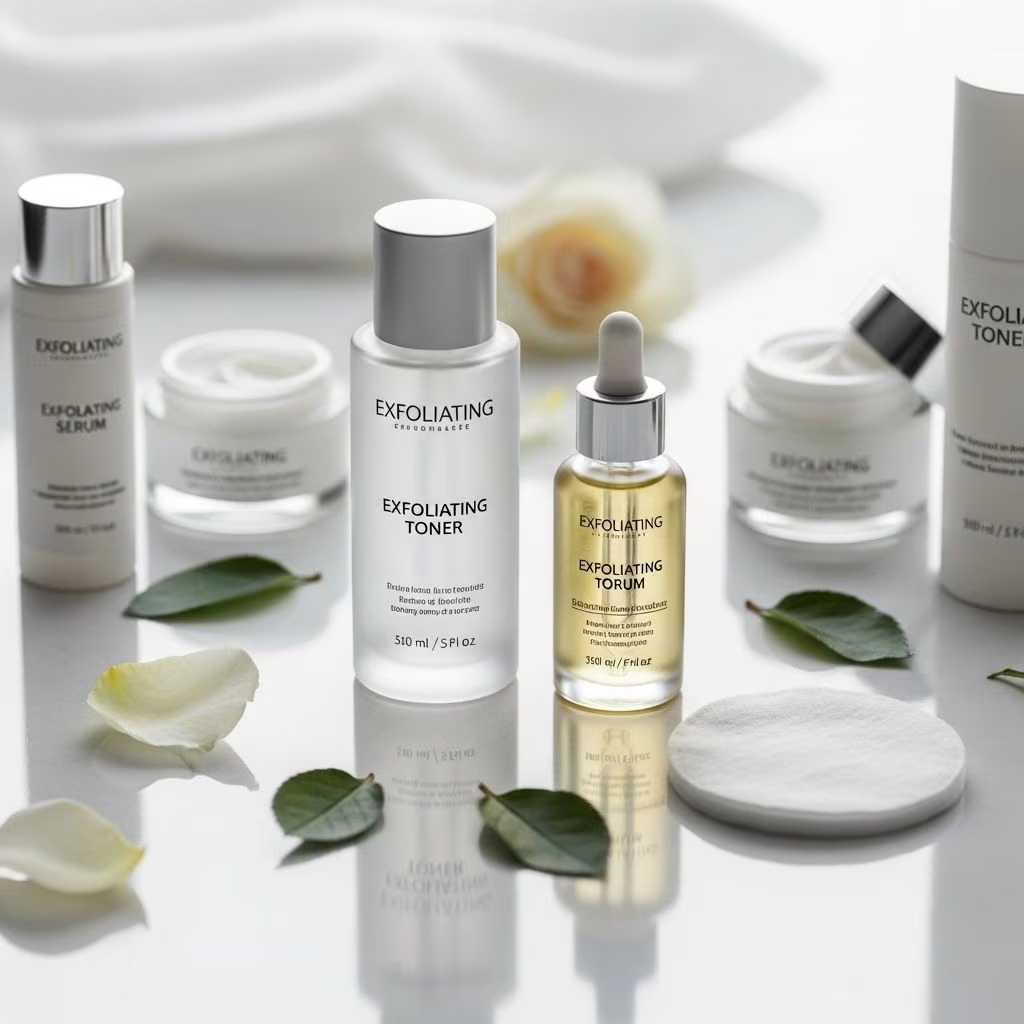
Exfoliating toners, sometimes called acid toners, are a category of toners formulated with active ingredients like alpha-hydroxy acids (AHAs), beta-hydroxy acids (BHAs), or polyhydroxy acids (PHAs). These ingredients gentle remove dead skin cells, unclog pores, and brighten the complexion, preparing the skin for subsequent treatments. Common acids include glycolic, lactic, salicylic, and mandelic acids, each targeting specific skin concerns such as dullness, acne, or uneven texture.
What Are Serums?
Serums are lightweight, highly concentrated formulations designed to deliver a high dose of active ingredients to the skin. They are typically water-based and target specific concerns like hydration, brightening, anti-aging, or acne. Because of their thin texture and high concentration of actives, serums are best applied after cleansing and toning but before thicker moisturizers or oils.
Why Layer Exfoliating Toner & Serum?
Layering exfoliating toner and serum is not just trendy—it’s scientifically sound. The order is crucial because exfoliating toners prep the skin by removing dead cells and balancing pH, allowing serums to penetrate more deeply and work more effectively. Applying serums first would waste precious actives on a layer of dead skin, reducing their impact. This sequence also helps minimize potential irritation, as toners can help reduce inflammation and redness caused by exfoliation, while serums soothe and repair.
How to Properly Layer Exfoliating Toner & Serum
The golden rule in skincare layering is to apply products from thinnest to thickest, or water-based formulas before oil-based ones. For exfoliating toner and serum, this means:
- Start with cleansing to remove dirt, oil, and impurities.
- Apply exfoliating toner to a cotton pad and gently sweep over the face, avoiding the eye area.
- Wait a minute or two to let the toner fully absorb and do its job.
- Apply your serum, gently patting or smoothing it onto the skin to encourage absorption.
- Follow up with moisturizer and sunscreen (in the morning) to lock in hydration and protect your skin.
Step-by-Step Layering Routine
| Step | Product Type | Purpose | Tips & Frequency |
|---|---|---|---|
| 1 | Cleanser | Removes impurities and preps skin for absorption | Use AM/PM, avoid over-cleansing |
| 2 | Exfoliating Toner | Removes dead cells, balances pH, enhances serum absorption | Start 1–3 times per week, increase as tolerated |
| 3 | Serum | Delivers concentrated actives for hydration, brightening, or repair | Apply AM/PM, pat gently for maximum absorption |
| 4 | Moisturizer | Locks in hydration, supports skin barrier | Choose based on skin type (gel or cream) |
| 5 | Sunscreen (AM) | Protects against UV and environmental damage | Always use SPF after exfoliating to prevent sensitivity |
| 6 | Facial Oil (optional) | Seals in all products and provides additional nourishment | Apply last, mix with moisturizer if desired |
Consistency is key. Build up frequency slowly, especially with exfoliating toners, to avoid over-exfoliation, irritation, or compromised skin barrier.
Tips for Sensitive Skin
- Patch Test: Always patch test new exfoliating toners and serums to check for irritation.
- Low-Frequency Start: Begin exfoliating 1–2 times per week, increasing only if tolerated.
- Avoid Alcohol-Based Toners: Opt for alcohol-free, hydrating, or pH-balanced formulas to minimize redness and dryness.
- Buffering Technique: Apply a thin layer of moisturizer before the toner to reduce potential irritation.
- Soothing Serums: Choose serums with calming ingredients like niacinamide, centella asiatica, or hyaluronic acid.
Tips for Acne-Prone Skin
- BHAs for Breakouts: Salicylic acid (BHA) toners are ideal for acne-prone skin—they penetrate pores, reduce oil, and prevent breakouts.
- Non-Comedogenic Serums: Use water-based, oil-free serums to avoid clogging pores.
- Avoid Over-Exfoliation: Stick to 2–3 times per week with exfoliating toners to avoid triggering more breakouts.
- Hydrate, Don’t Strip: Balance exfoliation with hydrating and barrier-repairing serums and moisturizers.
Common Mistakes to Avoid
- Wrong Order: Never apply serum before exfoliating toner—this prevents the serum from being effective.
- Over-Exfoliating: Using exfoliating toners daily can damage the skin barrier, leading to sensitivity, redness, and breakouts.
- Skipping Moisturizer: Exfoliation increases hydration loss; always follow with a moisturizer.
- Ignoring SPF: Exfoliating acids increase sun sensitivity; sunscreen is non-negotiable.
- Mixing Incompatible Actives: Avoid combining certain acids (e.g., AHAs/BHAs) with vitamin C or retinoids in the same routine unless your skin tolerates it well.
Frequently Asked Questions
Can I use an exfoliating toner and serum together every day?
It depends on your skin type and tolerance. Most people should start with exfoliating 1–3 times per week, gradually increasing only if the skin responds well. Serums can generally be used daily, but always monitor for irritation.
Should I let my exfoliating toner dry before applying serum?
Yes, wait 30–60 seconds after applying toner to ensure it is absorbed and fully preps the skin for the serum.
How do I know if I’m over-exfoliating?
Signs include redness, stinging, flaking, tightness, and increased sensitivity. If you experience these, scale back exfoliation and focus on hydration and barrier repair.
Can I use an exfoliating toner with vitamin C serum?
Yes, but proceed with caution if you have sensitive skin. Start slow, alternate days, or use vitamin C in the morning and exfoliating toner at night to minimize irritation.
What’s the difference between a hydrating toner and an exfoliating toner?
Hydrating toners focus on adding moisture and balancing pH, while exfoliating toners contain acids to remove dead skin cells and improve texture. Choose based on your skin’s needs.
Why is sunscreen so important when using exfoliating toner?
Exfoliating acids make your skin more sensitive to the sun, increasing the risk of sunburn and hyperpigmentation. Always use broad-spectrum SPF during the day.
Conclusion
Layering exfoliating toner and serum is a powerful skin-transforming technique, but it requires knowledge and care. By following the correct order—cleanser, exfoliating toner, serum, moisturizer, and sunscreen—you maximize the benefits of each product while minimizing irritation and sensitivity. Adjust frequency based on your skin’s response, and always prioritize hydration and protection. With the right approach, your daily skincare ritual will reveal a clearer, brighter, and healthier complexion.
References
- https://www.biossance.com/blog/skincare-layering-guide/
- https://hk.skinlaundry.com/blog/skincare-layering-hk
- https://www.goodmolecules.com/pages/how-to-layer
- https://theordinary.com/en-us/blog/skincare-layering-guide.html
- https://www.healthline.com/health/beauty-skin-care/order-of-skin-care
- https://www.youtube.com/watch?v=v-lltVXwfkI
- https://thestripe.com/correct-order-apply-skincare-products/


