


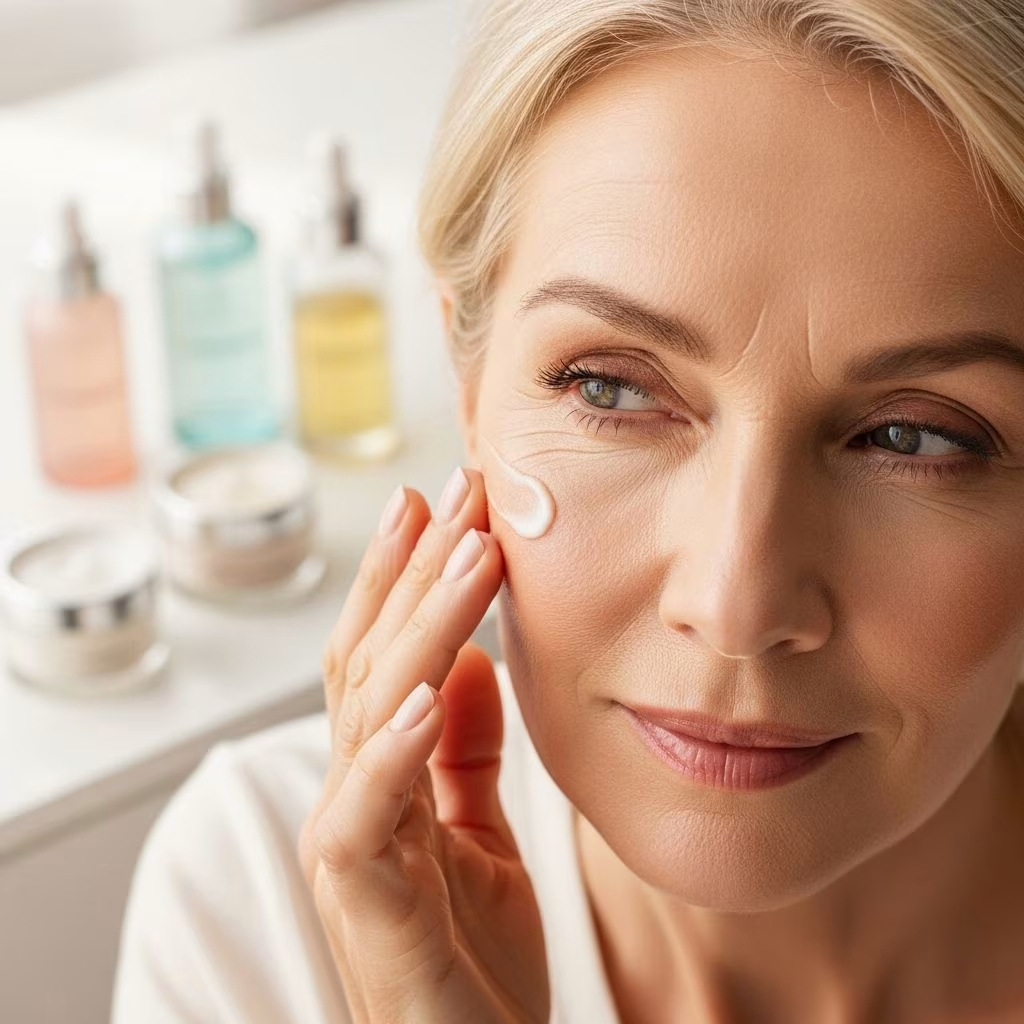
Layering for Dry, Mature Skin: The Complete Guide
As skin matures and becomes drier, its needs shift dramatically—from the loss of moisture and elasticity to the onset of fine lines, wrinkles, and uneven texture. Understanding and mastering skincare layering is crucial in maintaining a healthy, radiant complexion, especially for those with dry and mature skin. This guide covers proven strategies, recommended routines, essential product picks, and specific tips to maximize the effectiveness of your regimen.
- Table of Contents
- Why Layering Matters for Dry, Mature Skin
- Layering Basics and Product Order
- Morning Routine: Step-by-Step
- Evening Routine: Step-by-Step
- Advanced Layering Tips for Targeted Concerns
- Key Ingredients for Dry, Mature Skin
- Common Mistakes to Avoid
- Frequently Asked Questions
Table of Contents
- Why Layering Matters for Dry, Mature Skin
- Layering Basics and Product Order
- Morning Routine: Step-by-Step
- Evening Routine: Step-by-Step
- Advanced Layering Tips for Targeted Concerns
- Key Ingredients for Dry, Mature Skin
- Common Mistakes to Avoid
- Frequently Asked Questions
Why Layering Matters for Dry, Mature Skin
With age and environmental exposure, skin undergoes several physiological changes:
- Moisture loss: Oil production decreases, leading to dryness and flakiness.
- Thinning skin: Collagen and elastin decline, causing loss of firmness and increased sensitivity.
- Fine lines and wrinkles: Repeated facial movements and slower cell turnover reveal visible signs of aging.
- Uneven tone and hyperpigmentation: Sun damage and hormonal shifts trigger dark spots and uneven pigmentation.
- Decreased barrier function: The skin’s protection against external irritants weakens, elevating the need for potent but gentle hydration.
Layering skincare products correctly ensures that each active ingredient is properly absorbed and can work at maximum potency, optimizing hydration, repair, and protection for aging complexions.
Layering Basics and Product Order
The fundamental principle of effective layering is to apply products from thinnest to thickest in terms of texture. This sequence enables optimal product penetration and reduces pilling or interference between products.
| Step | Description | Typical Product |
|---|---|---|
| Cleanse | Removes debris, excess oil, and makeup | Gentle cream/gel cleanser |
| Tone/Essence | Preps skin, restores pH, boosts hydration | Hydrating toner, essence |
| Serum/Treatment | Delivers concentrated actives | Antioxidant, peptides, hydrating, or retinol serum |
| Eye Cream | Targets delicate eye area | Hydrating or anti-wrinkle eye cream |
| Moisturizer | Locks in hydration | Cream or balm |
| Oil (optional) | Extra occlusion for very dry skin | Facial oil (e.g., rosehip, squalane) |
| Sunscreen (AM only) | Protects from UV damage | Broad spectrum, SPF |
General Rules of Layering
- Apply products from lighter to heavier textures.
- Water-based solutions first, oil and creams last.
- Let each layer absorb fully (30–60 seconds) before the next.
- In the evening, swap sunscreen for richer nourishing treatments or overnight masks.
- Ingredients with potential irritation (like retinol or acids) should not overlap unless advised by a dermatologist.
Morning Routine: Step-by-Step
The morning regimen focuses on protection and hydration:
- Gentle Cleanser: Start fresh by removing any overnight buildup. Use a hydrating formula that doesn’t strip natural oils.
- Hydrating Toner or Essence: Boost moisture and prep for better absorption of actives. Look for ingredients like hyaluronic acid or glycerin.
- Antioxidant Serum: Vitamin C is a gold-standard for neutralizing free radicals and boosting radiance.
- Eye Cream: If using, choose a formula with peptides, ceramides, or hyaluronic acid to plump and hydrate.
- Moisturizer: Essential for sealing in hydration and replenishing barrier function. Products containing ceramides, peptides, or squalane are ideal.
- Sunscreen: The single best defense against premature aging and damage. Use a broad-spectrum SPF 30+ every day, regardless of weather.
Morning Product Picks for Dry, Mature Skin
- Cream-based cleanser (non-foaming, sulfate-free)
- Hydrating toner with rosewater or hyaluronic acid
- Vitamin C or peptide serum
- Lightweight moisturizer (may contain SPF)
- Broad-spectrum sunscreen
Evening Routine: Step-by-Step
The nighttime regimen emphasizes repair, nourishment, and rejuvenation:
- Gentle Cleanser: Removes makeup, sunscreen, and pollutants. Hydrating cleansers or oil cleansers are ideal for dry skin.
- Hydrating Toner/Essence: Maintains moisture and preps skin for deeper treatments.
- Treatment Serum: For mature skin, retinol-based products stimulate collagen, refine texture, and reduce age spots. Alternatives include peptides, bakuchiol, or hydrating serums for sensitive skin.
- Eye Cream: Supports overnight repair with nourishing ingredients.
- Rich Moisturizer: Deeper hydration to repair and replenish during sleep. Look for ingredients like ceramides, shea butter, or hyaluronic acid.
- Facial Oil (optional): Seal in moisture especially during cooler months or for severely dry skin.
- Sleeping Mask (optional): For an intense boost, use once or twice a week after moisturizer.
Advanced Layering Tips for Targeted Concerns
For those wanting to address additional issues common in mature skin—like hyperpigmentation, dullness, or loss of elasticity—consider these advanced strategies:
- Exfoliate (1–2 times/week): Use gentle chemical exfoliants such as lactic acid, mandelic acid, or enzyme powders. Avoid harsh scrubs that can exacerbate dryness.
- Spot Treatments: Apply after serums and before moisturizer for targeted action against pigmentation or breakouts.
- Avoid ingredient conflicts: For example, retinol and acids (AHAs/BHAs) should not be layered unless formulation permits and skin tolerates. Layer only as directed by a dermatologist.
- Patch-testing: Always introduce new products gradually and test for tolerance.
- Layer for maximum effect: For extremely dehydrated skin, consider layering a hydrating serum below your moisturizer and topping with a facial oil to seal all layers.
Key Ingredients for Dry, Mature Skin
Understanding the function of each ingredient is crucial when choosing products to layer:
- Hyaluronic Acid: Powerful humectant draws in water, plumps skin, and improves moisture retention.
- Ceramides: Reinforce the skin barrier and prevent trans-epidermal water loss.
- Vitamin C: Protects against oxidative damage, brightens skin, and encourages collagen production.
- Peptides: Signal skin to repair and boost firmness.
- Retinol/Bakuchiol: Stimulate collagen synthesis, smooth wrinkles, and even tone (apply only at night).
- Fatty acids (e.g., squalane, rosehip oil): Occlusive agents that seal in hydration for severely dry skin.
- Niacinamide: Softens fine lines, brightens, and supports barrier function.
- SPF: Absolute must for daytime to prevent further aging and protect from UV-induced damage.
Ingredient Layering Compatibility Table
| Ingredient | Compatible With | Should Avoid Layering With |
|---|---|---|
| Vitamin C | Hyaluronic Acid, Niacinamide, Peptides | Retinol (some forms), AHAs/BHAs |
| Retinol | Ceramides, Peptides, Moisturizers | AHAs/BHAs, Vitamin C (unless formulated) |
| Hyaluronic Acid | All actives | – |
| AHAs/BHAs | Moisturizer, Hyaluronic Acid | Retinol, Vitamin C |
| Peptides | All actives | – |
Common Mistakes to Avoid
- Using too many actives at once: Causes irritation and can trigger sensitivity, especially with dry, mature skin.
- Skipping moisturizer: Hydration is the foundation; layering without a moisturizer may worsen dryness.
- Not using sunscreen: Exposes skin to accelerated aging and negates other anti-aging efforts.
- Ignoring compatibility: Some ingredients can neutralize or irritate when combined; always research before layering new products.
- Product pilling: Overusing silicone or layering too quickly can cause products to ball up—space applications and follow texture guidelines.
Frequently Asked Questions
Q: Why is layering important for dry, mature skin?
Layering maximizes the benefits of each ingredient, addressing moisture loss and supporting repair at various skin depths. Proper layering helps maintain barrier integrity, enhances absorption, and prevents irritation.
Q: How do I know the right order for my products?
A simple rule is to move from the thinnest, water-based products to the thickest, such as creams or oils. For most routines: cleanse, tone, apply serums, eye cream, moisturizer, oil (if needed), and finish with sunscreen in the morning.
Q: Can I layer retinol and vitamin C?
These powerful actives can sometimes irritate when used together, especially on sensitive, dry, mature skin. Consider using vitamin C in the morning and retinol in the evening, or consult a dermatologist for personalized advice.
Q: Is facial oil necessary for dry, mature skin?
For very dry skin, facial oils can be useful for sealing in hydration, but should always be applied after moisturizer. They are optional and best used based on individual preference and need.
Q: How do I adjust my routine as my skin changes with age?
Monitor for increased dryness, sensitivity, or new concerns like hyperpigmentation. Gradually introduce actives, prioritize barrier repair, and always include sun protection. Regularly review product compatibility and listen to your skin’s response.
Conclusion
The optimal layering routine for dry, mature skin centers around replenishing lost moisture, protecting from further damage, and targeting age-related concerns with carefully chosen actives. By following the thinnest-to-thickest rule, prioritizing barrier support, and using proven ingredients strategically, you can achieve healthier, stronger, and more radiant skin—at any age.
References
- https://slmdskincare.com/blogs/learn/how-to-layer-skincare-aging-skin
- https://ernolaszlo.com/blogs/news/skincare-layering-your-complete-guide-to-optimize-results
- https://www.hodgedermatology.com/2023/07/14/layering-skincare-is-more-really-more-how-to-get-the-most-out-of-multiple-skincare-products/
- https://theordinary.com/en-us/blog/skincare-layering-guide.html
- https://www.youtube.com/watch?v=v-lltVXwfkI
- https://www.cerave.com/skin-smarts/skincare-routines/a-simple-anti-aging-skincare-routine
- https://dermamade.com/derma-blog/what-is-the-correct-order-of-products-for-skin-care/
- https://www.healthline.com/health/beauty-skin-care/skin-care-routine-for-dry-skin


