


Introduction
In today’s fast-paced world, stress and anxiety have become almost ubiquitous. While there are many strategies to manage these feelings, one surprisingly simple yet effective technique is gaining attention: splashing cold water on your face to stimulate the vagus nerve, a key player in the body’s relaxation response. This article explores the science, benefits, practical steps, safety considerations, and alternatives surrounding cold water face splash for vagal reset—a natural, accessible tool for stress relief and mental well-being.
What Is the Vagus Nerve?
The vagus nerve, often called the “wandering nerve,” is the longest cranial nerve in the human body, connecting the brain to many vital organs including the heart, lungs, and digestive tract. It is a major component of the parasympathetic nervous system, which is responsible for the body’s “rest and digest” functions—counteracting the “fight or flight” response driven by the sympathetic nervous system.
The vagus nerve helps regulate:
- Heart rate
- Digestion
- Mood
- Immune response
Its activity, known as “vagal tone,” is closely linked to how quickly and effectively the body returns to a calm state after stress. Higher vagal tone is associated with better stress resilience and emotional regulation.
The Vagus Nerve and Stress Response
Chronic stress activates the sympathetic nervous system, keeping the body in a heightened state of alert. Over time, this can contribute to anxiety, depression, and other mental health challenges. The vagus nerve acts as a natural brake on this process, promoting relaxation and recovery.
Stimulating the vagus nerve—such as through cold water exposure—can enhance parasympathetic activity, leading to:
- Decreased heart rate
- Slower, deeper breathing
- Reduced blood pressure
- Enhanced digestion
- Improved mood
This shift from “fight or flight” to “rest and digest” is essential for mental and physical health.
The Science Behind Cold Water Face Splash for Vagal Reset
When you splash cold water on your face, you trigger the “dive reflex,” an evolutionary response that prepares the body for submersion in cold water. This reflex is characterized by:
- A sudden intake of breath
- Slowing of the heart rate (bradycardia)
- Redirection of blood flow toward vital organs
These changes are mediated by the vagus nerve, which is powerfully activated by cold stimuli to the face and neck. Research shows that even brief exposure to cold water—such as splashing your face—can indirectly stimulate the vagus nerve, increasing parasympathetic tone and reducing sympathetic (stress) activity.
The effect is almost immediate; some studies report changes in heart rate within seconds of cold exposure. This rapid response makes cold water face splash a practical tool for acute stress relief and anxiety management.
Health Benefits of Vagus Nerve Stimulation via Cold Water
Beyond stress relief, stimulating the vagus nerve with cold water offers several health benefits:
- Lower Blood Pressure: Enhanced parasympathetic activity can help reduce blood pressure, supporting cardiovascular health.
- Improved Sleep: By promoting relaxation, vagal stimulation may improve sleep quality and duration.
- Enhanced Mood: Cold water therapy increases endorphins and dopamine, neurotransmitters linked to joy, motivation, and mental balance.
- Greater Resilience to Stress: Regular practice may improve vagal tone, making it easier to recover from stressful events.
- Immune Boost: Cold showers have been associated with increased white blood cell counts, suggesting a stronger immune response.
- Pain and Recovery: Cold water immersion can reduce inflammation and aid physical recovery after exercise.
- Confidence and Willpower: Facing the discomfort of cold water can build mental resilience and self-confidence.
| Benefit | Mechanism |
|---|---|
| Stress Reduction | Activates parasympathetic nervous system via vagus nerve |
| Mood Enhancement | Boosts endorphins and dopamine |
| Cardiovascular Health | Lowers heart rate and blood pressure |
| Immune Support | Increases white blood cell production |
| Physical Recovery | Reduces inflammation and muscle soreness |
How to Perform Cold Water Face Splash for Vagal Reset
Here’s a step-by-step guide to using cold water face splash for vagal activation and stress relief:
- Fill a basin or sink with cold water. For added effect, add ice cubes to make the water as cold as possible.
- Take a deep breath. Inhale deeply through your nose and exhale slowly through your mouth to prepare your body.
- Hold your breath. This mimics the dive response, enhancing the vagal stimulation.
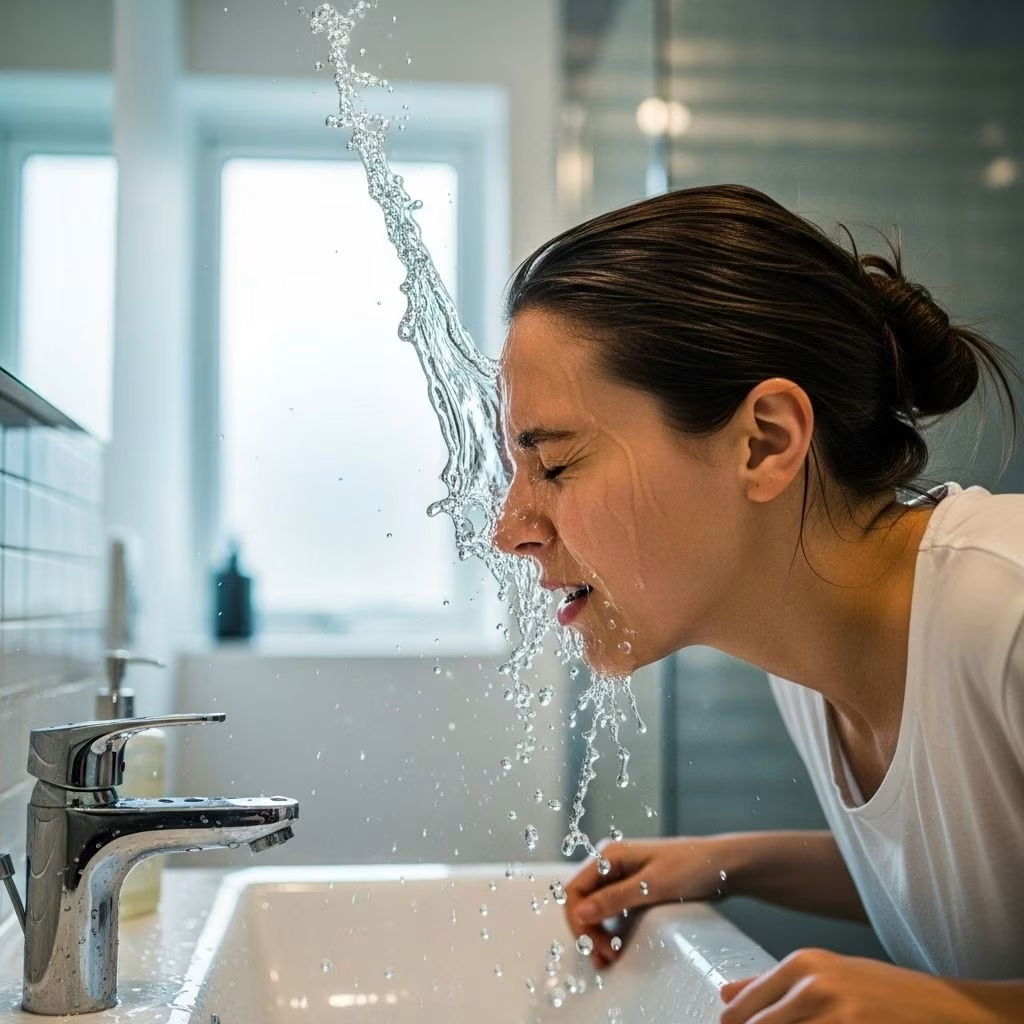
- Splash your face with the cold water. Cup your hands and gently splash water onto your face, ensuring it covers your forehead, cheeks, and around the eyes and mouth.
- Repeat as needed. You can repeat the process several times, especially during moments of acute stress or anxiety.
- Observe the effects. Notice changes in your breathing, heart rate, and overall sense of calm.
Variations: You can also try dunking your face in a bowl of cold water or using a cold compress on your neck or chest for similar effects. For those seeking a more intense experience, gradually introduce cold showers, starting with lukewarm water and progressively making it colder as your tolerance builds.
Safety and Precautions
While generally safe, cold water face splash may not be suitable for everyone. Consider the following precautions:
- Gradual Adaptation: Start with mild cold exposure and gradually increase intensity to avoid shock.
- Avoid Extreme Cold if Sensitive: Individuals with heart conditions, Raynaud’s disease, or low tolerance to cold should consult a healthcare provider before trying this method.
- Monitor Your Response: Pay attention to how your body reacts. Discontinue if you experience dizziness, chest pain, or extreme discomfort.
Alternative Methods for Vagus Nerve Stimulation
If cold water is not for you, there are other effective ways to stimulate the vagus nerve:
- Humming or Singing: The vagus nerve is connected to the vocal cords; humming or singing can activate it.
- Deep Breathing: Slow, diaphragmatic breathing enhances vagal tone.
- Physical Exercise: Moderate exercise, especially yoga and tai chi, can boost vagal activity.
- Massage: Gently massaging the neck can stimulate the vagus nerve.
- Gargling: The act of gargling with water engages the vagus nerve indirectly.
Clinical Evidence and Research
The connection between cold exposure and vagal tone is supported by both anecdotal reports and scientific studies. A 2018 study found that applying a cold compress to the neck area reduced heart rate within 16 seconds, demonstrating rapid vagal activation. Other research indicates that regular cold water exposure can increase parasympathetic activity, lower blood pressure, and improve mood and sleep.
While more large-scale clinical trials are needed, the existing evidence suggests that cold water face splash is a promising, low-risk intervention for stress and anxiety management.
Tips for Integrating Cold Water Face Splash Into Daily Life
To make cold water face splash a sustainable habit, consider these tips:
- Set a Reminder: Incorporate it into your morning or evening routine, or use it as a quick reset during stressful moments.
- Combine with Other Relaxation Techniques: Pair cold water splash with deep breathing, mindfulness, or light stretching.
- Track Your Progress: Notice changes in your stress levels, mood, and overall well-being over time.
- Experiment with Temperature: Find the level of cold that feels effective yet comfortable for you.
Frequently Asked Questions (FAQs)
Q: How quickly does cold water face splash work for stress relief?
A: The effect can be almost immediate, with some people noticing a calmer state within seconds to a few minutes.
Q: Can anyone use this method?
A: Most people can safely try cold water face splash, but those with heart conditions or sensitivity to cold should consult a healthcare provider first.
Q: How often should I do this?
A: You can use this technique as often as needed—during moments of acute stress or as part of a daily relaxation routine.
Q: Does the water need to be extremely cold?
A: The colder the water, the stronger the vagal response, but even cool water can be effective. Start with what feels comfortable and gradually increase the cold.
Q: Are there alternatives to cold water face splash for vagal stimulation?
A: Yes, humming, deep breathing, exercise, and gentle neck massage are all effective alternatives.
Conclusion
Cold water face splash is a simple, evidence-based technique for stimulating the vagus nerve and promoting relaxation. Whether you’re seeking instant stress relief, better sleep, or enhanced mood, this accessible practice offers a range of mental and physical health benefits. As with any wellness strategy, listen to your body, start gradually, and consider alternatives if cold exposure isn’t suitable for you. By harnessing the power of your vagus nerve, you can take an active role in managing stress and nurturing your overall well-being.
References
- https://urbanicetribe.com/chill-your-stress-away-exploring-vagus-nerve-cold-water-therapy-for-anxiety-relief/
- https://psychcentral.com/anxiety/vagus-nerve-cooling-anxiety
- https://www.humnutrition.com/blog/cold-water-therapy/
- https://pmc.ncbi.nlm.nih.gov/articles/PMC9649023/
- https://www.cedars-sinai.org/blog/stimulating-the-vagus-nerve.html
- https://pmc.ncbi.nlm.nih.gov/articles/PMC6334714/
- https://alivecounselling.com/anxiety/benefits-of-cold-therapy-for-anxiety/
- https://www.allied-services.org/news/2020/june/the-vagus-nerve-your-secret-weapon-in-fighting-s/


