


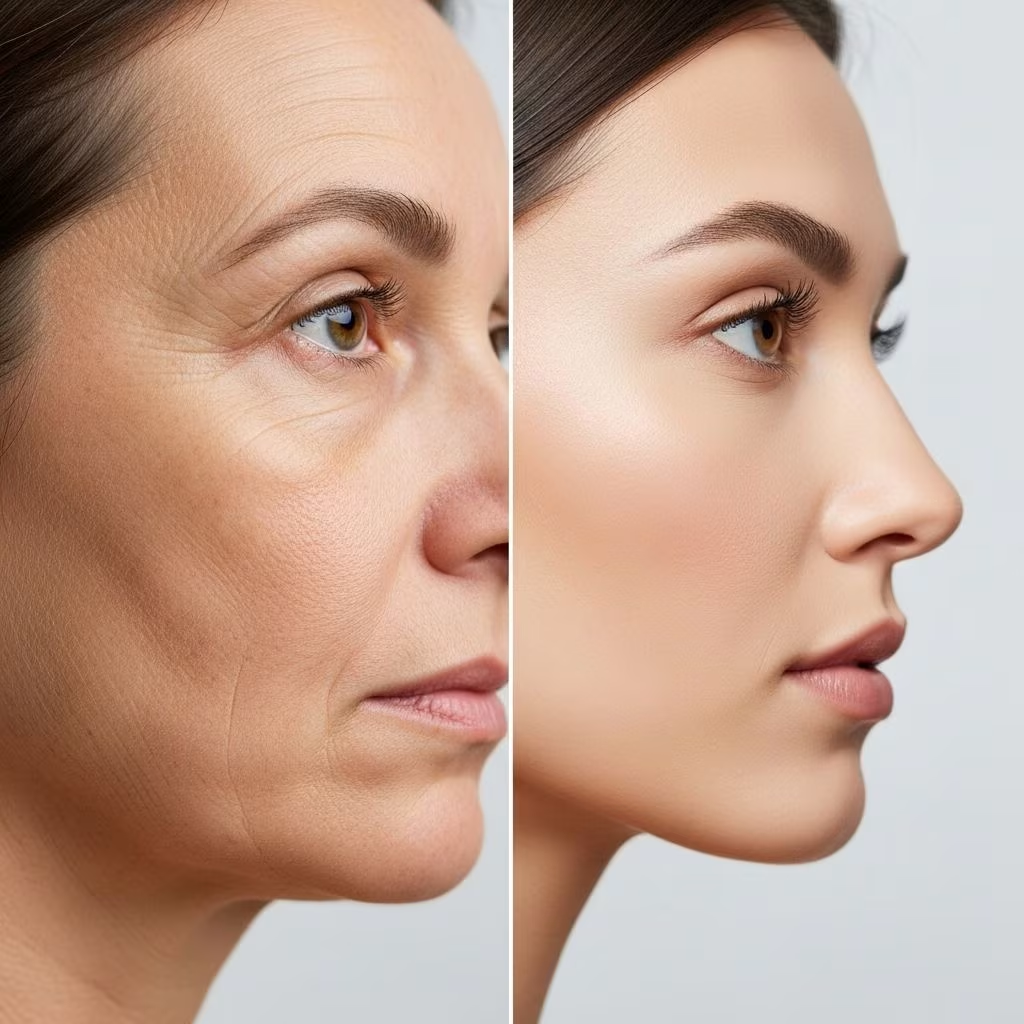
Smoking and Skin Aging: The Evidence
Smoking tobacco is one of the most significant environmental accelerators of facial aging, rivaling even sun exposure in its detrimental effects on skin health. Numerous studies have shown that long-term smokers develop wrinkles, dryness, and skin laxity years earlier than non-smokers, often resulting in a prematurely aged appearance. Research reveals that smokers in their 40s can have as many facial wrinkles as non-smokers in their 60s, highlighting the dramatic impact of smoking on skin structure and appearance. The skin, being the body’s largest organ, is particularly vulnerable to the toxins in tobacco smoke, which directly undermine its ability to repair and replenish itself.
The Science Behind Smoking-Induced Wrinkles
Wrinkles, especially those around the eyes (crow’s feet), mouth, and forehead, are a hallmark of smoking’s effect on the skin. The repeated facial expressions made when smoking—such as pursing the lips and squinting to avoid smoke—compound the problem. More importantly, the toxins in cigarette smoke accelerate the breakdown of collagen and elastin, which are the proteins responsible for skin’s firmness and elasticity. When these proteins are depleted, the skin becomes thinner, less resilient, and more prone to creases.
Key Facts About Smoking and Wrinkles
- Smoking reduces collagen and elastin synthesis, leading to deeper, more pronounced wrinkles.
- Smokers’ wrinkles are often narrower but deeper, with sharply contoured periorbital and nasolabial folds.
- The association between smoking and wrinkles is especially strong among those who smoke more than 40 packs per year.
- Studies on identical twins showed that the smoking twin not only looked older but also had worse scores for nasolabial folds.
Changes in Skin Texture and Elasticity
Smoking profoundly alters skin texture by reducing hydration and increasing transepidermal water loss (TEWL), leaving the skin dry, rough, and less supple. This dryness is partly due to restricted blood flow, which deprives skin cells of oxygen and vital nutrients, and partly from direct chemical injury to the skin barrier. The skin’s surface can appear dull, uneven, and sometimes hardened, especially in areas with high sun exposure, such as the face and hands.
Functionally, smoking makes the skin less elastic. Studies using ultrasound imaging have found that smokers have less dense dermal tissue, with fewer collagen and elastin fibers, and lower gross elasticity—especially on the forehead. This loss of elasticity contributes to sagging and the loss of youthful contours.
| Aspect | Smoking Effect | Non-Smoker Comparison |
|---|---|---|
| Hydration | Lower (drier skin) | Higher (more hydrated) |
| Elasticity | Reduced (more sagging) | Better (firmer skin) |
| Dermis Density | Lower (thinner, less supportive) | Higher (thicker, more supportive) |
| Texture | Rough, dull, uneven | Smoother, brighter |
Skin Tone and Pigmentation Issues
Smokers often experience changes in skin pigmentation and overall tone. Nicotine and other chemicals can cause a grayish, wasted, or pale appearance, which is sometimes referred to as “smoker’s face”. Restricted blood flow may give the skin a bluish or ashen tint, while increased melanin production in smokers can result in patchy hyperpigmentation, particularly around the mouth and fingers.
Inflammation and oxidative stress from smoking also contribute to uneven pigmentation, making discoloration harder to treat without smoking cessation and targeted skincare.
Nasolabial Folds and Special Features
Nasolabial folds—the lines running from the sides of the nose to the corners of the mouth—are significantly more pronounced in smokers. Clinical studies show that the surface area and depth of these folds are greater in tobacco users, contributing to an older, less vibrant look. Beyond these, the habitual movements involved in smoking—tightening the lips and squinting—cause repetitive dynamic wrinkles that become static over time.
Loss of Youthful Appearance
The cumulative effect of reduced collagen, elastin, hydration, and increased pigmentation and wrinkles is a loss of what is commonly called a “youthful appearance.” Smokers may appear up to 10 years older than their actual age, with a dull, tired complexion that lacks the natural radiance and firmness of healthy, younger-looking skin.
Biological Mechanisms Behind the Damage
Several biological pathways explain how smoking accelerates skin aging.
- Oxidative Stress: Cigarette smoke generates free radicals, causing oxidative stress that damages DNA and proteins in skin cells.
- Collagen and Elastin Breakdown: Tobacco toxins impair collagen synthesis and increase enzymes that degrade collagen and elastin, leading to thinner, less elastic skin.
- Reduced Blood Flow: Smoking narrows blood vessels, reducing the delivery of oxygen and nutrients to the skin and impeding removal of waste products.
- Barrier Function Disruption: Increased TEWL and lower hydration compromise the skin’s barrier, making it more susceptible to irritation, infection, and further aging.
- Inflammation: Chronic inflammation from smoking worsens skin damage and delays healing.
Can the Damage Be Reversed?
Quitting smoking is the single most effective step in halting further damage and, in many cases, allowing some degree of skin recovery. Studies show that once you quit, skin hydration, elasticity, and overall appearance can gradually improve. Collagen production may partially rebound, and some fine lines and pigmentation issues may fade.
However, deeper wrinkles and advanced structural damage may require professional dermatological treatments, such as retinoids, antioxidants, chemical peels, laser therapy, or even surgical interventions for significant improvement.
Prevention and Protection Strategies
For those who continue to smoke, or while recovering after quitting, the following strategies can mitigate skin damage:
- Skincare: Use retinoids, peptides, and antioxidants (like vitamin C) to stimulate collagen and counteract oxidative stress.
- Protection: Apply broad-spectrum sunscreen daily to prevent further photoaging.
- Hydration: Use a good moisturizer to maintain skin barrier function.
- Healthy Diet: Nutrient-rich foods support skin repair mechanisms.
- Medical Supervision: Regular check-ups with a dermatologist can help monitor skin health and tailor interventions.
Treatment and Recovery Options
For those seeking to reverse smoking-related skin damage, several treatments can be effective:
- Skincare Products: Retinoids, vitamin C serums, peptides, and hyaluronic acid help rebuild collagen and brighten skin tone.
- Professional Treatments: Chemical peels, microneedling, laser resurfacing, and filler injections can address wrinkles, pigmentation, and loss of volume.
- Lifestyle Changes: Quit smoking, stay hydrated, eat a balanced diet, and manage stress for optimal skin recovery.
- Medications: Prescription retinoids and oral supplements may be recommended in some cases.
The earlier you quit, the better your skin’s chance to recover. While not all damage is reversible, significant improvements in texture, tone, and overall health are possible with consistent care and lifestyle change.
Frequently Asked Questions
Does smoking cause wrinkles even in young people?
Yes, smoking can cause premature wrinkles to appear in young adults, especially with heavy or long-term use. The loss of collagen and elastin starts early and becomes visible over time as the skin’s repair mechanisms are overwhelmed by chronic exposure to tobacco toxins.
Are the effects of smoking on skin reversible after quitting?
Many effects, such as dullness and some fine lines, may improve after quitting smoking, especially if healthy skincare and lifestyle measures are adopted. Deeper wrinkles and pronounced structural changes may persist and require professional treatment for noticeable improvement.
Does secondhand smoke affect skin aging?
While the evidence is not as robust as for direct smoking, secondhand smoke exposure can contribute to skin aging by increasing oxidative stress and reducing antioxidant defenses. However, the effect is generally less severe than that of active smoking.
Do e-cigarettes or vaping have similar effects on skin?
Research is still emerging, but because e-cigarettes also expose the skin to chemicals and free radicals, they may have some detrimental effects—though likely less than traditional smoking. The best evidence remains on quitting all nicotine products.
What is the best way to restore skin after quitting smoking?
Combining smoking cessation with a skincare regimen that includes retinoids, antioxidants, hydration, and sun protection can help restore skin health. Professional treatments such as peels or laser therapy may be necessary for more significant damage.
References
- https://www.healthline.com/health/smoking-wrinkles
- https://www.cincyfacialplastics.com/blog/smoking-damage-skin
- https://www.medicalnewstoday.com/articles/smoking-effect-on-skin
- https://pmc.ncbi.nlm.nih.gov/articles/PMC7230126/
- https://ash.org.uk/resources/view/how-smoking-affects-the-way-you-look
- https://www.westlakedermatology.com/blog/skin-repair-after-you-quit-smoking/
- https://pathsocjournals.onlinelibrary.wiley.com/doi/full/10.1002/path.5476
- https://thefacialcenter.com/p/cosmetic-services-Charleston-WV-Anti-Aging-Treatments-for-Smokers-and-Ex-Smokers-p76659.asp
- https://www.webmd.com/smoking-cessation/ss/slideshow-ways-smoking-affects-looks


