


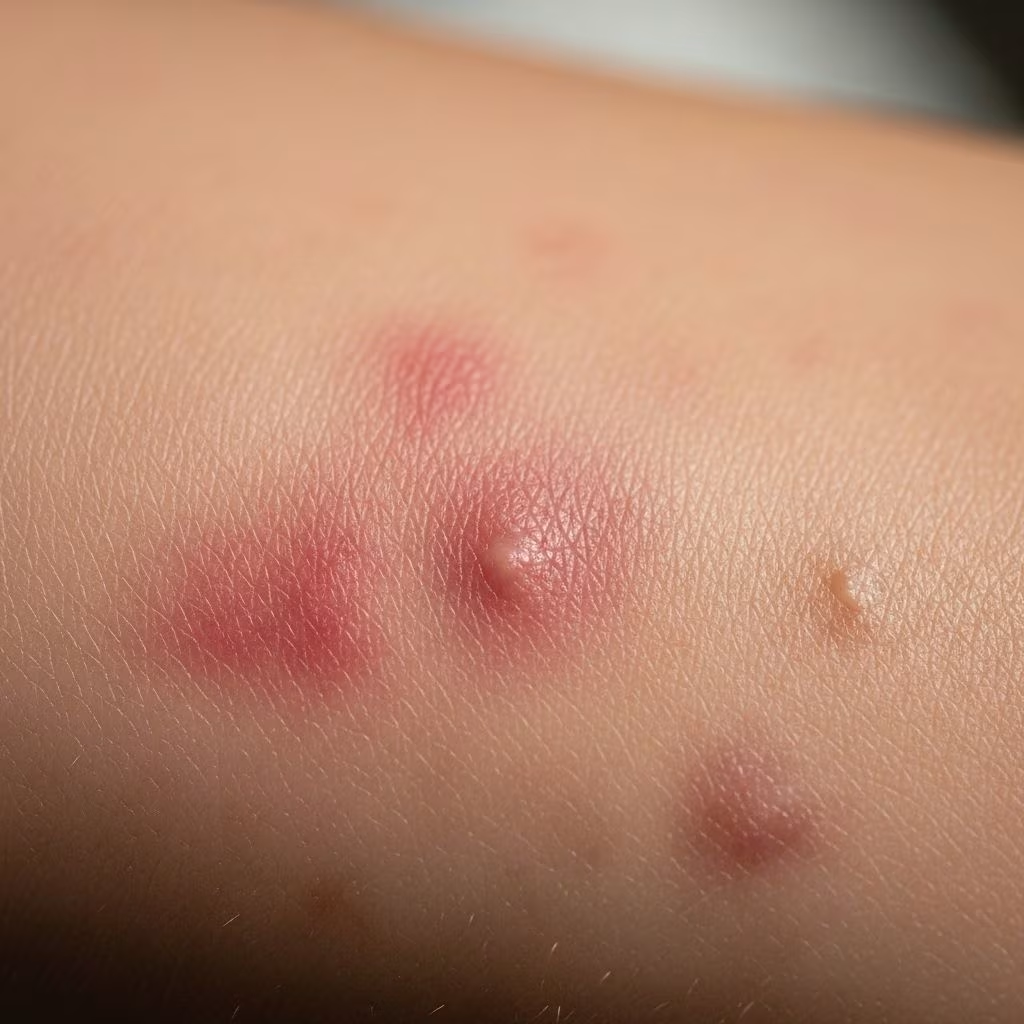
Hormonal medications play a crucial role in treating various health conditions, from managing menopause symptoms to preventing pregnancy and treating hormone-sensitive cancers. However, these medications can significantly impact skin health through their effects on hormone levels. Understanding these potential side effects is essential for anyone taking or considering hormonal medications, as skin changes can affect both physical appearance and quality of life.
The skin is a hormone-sensitive organ with receptors for various hormones including estrogen, progesterone, testosterone, and cortisol. When medication alters hormone levels in the body, the skin often responds in visible and sometimes uncomfortable ways. These changes can range from mild acne to serious conditions requiring medical intervention.
Understanding Hormonal Medications and Skin Health
Hormonal medications work by either supplementing, blocking, or modifying the body’s natural hormone production. The skin contains receptors for multiple hormones, making it particularly responsive to hormonal fluctuations caused by medication. These receptors regulate various skin functions including oil production, pigmentation, collagen synthesis, blood vessel function, and moisture retention.
When you take hormonal medications, they can affect your skin through several mechanisms. First, they alter the balance of hormones circulating in your bloodstream, which directly impacts how your skin cells function. Second, they can change how your skin produces and secretes oils, affecting conditions like acne. Third, hormonal medications can influence pigment-producing cells called melanocytes, leading to changes in skin color. Finally, these medications can affect the structural proteins in your skin, such as collagen and elastin, which maintain skin firmness and elasticity.
The severity and type of skin effects vary significantly among individuals. Factors influencing these reactions include genetic predisposition, dosage and duration of medication use, pre-existing skin conditions, age, overall health status, and environmental factors like sun exposure. Understanding these variables helps healthcare providers personalize treatment approaches and manage expectations.
Estrogen-Based Medications and Skin Effects
Estrogen medications, commonly used in birth control and hormone replacement therapy, have profound effects on skin health. Estrogen plays multiple beneficial roles in maintaining healthy skin, including promoting collagen production, maintaining skin thickness, improving moisture retention, supporting wound healing, and regulating sebum production.
Estrogen Excess Effects
When estrogen levels become elevated through medication, several skin changes may occur. Synthetic estrogen preparations can cause telangiectasia, which appears as small dilated blood vessels visible on the skin surface, particularly on the face. Palmar erythema, characterized by redness of the palms, is another common manifestation of estrogen excess. Spider angiomas, small collections of blood vessels radiating from a central point, may develop on the upper body and face.
Pigmentation changes represent one of the most common and concerning effects of estrogen excess. Melasma, a condition causing dark, discolored patches on the face, affects up to one-third of women taking oral contraceptive pills. These patches typically appear on the cheeks, forehead, upper lip, and chin, creating a mask-like pattern. While melasma usually fades within a year of discontinuing the medication, it can occasionally persist and requires dedicated treatment. Acanthosis nigricans, characterized by dark, velvety patches in body folds, can also be associated with estrogen excess.
Estrogen Deficiency Effects
Conversely, estrogen deficiency, whether natural or medication-induced, accelerates skin aging processes. The skin experiences accelerated xerosis or dryness, increased wrinkling and fine lines, dermal atrophy or thinning, poor wound healing, and decreased elasticity. These changes occur due to structural alterations including decreased collagen content, reduced dermal thickness, diminished elastin fibers, and impaired moisture retention.
The loss of dermal collagen correlates inversely with the duration of estrogen deficiency, regardless of age. Estrogen maintains skin moisture by promoting sebum production and improving the water-holding capacity of the stratum corneum, the outermost layer of skin that serves as a crucial barrier against environmental damage.
Vasomotor symptoms called hot flashes affect approximately 75% of women experiencing declining estrogen levels. These episodes involve cutaneous vasodilation and increased blood flow to the skin, resulting in sudden erythema and sweating, typically localized to the head, neck, and trunk. The mechanism involves dysregulation of temperature-controlling regions in the hypothalamus triggered by declining estrogen levels.
Birth Control Pills and Dermatological Changes
Oral contraceptives contain synthetic forms of estrogen and progesterone that prevent pregnancy by suppressing ovulation. These hormones significantly impact skin health, with effects varying based on the specific formulation, dosage, and individual response. Understanding these effects helps women make informed decisions about contraceptive choices and manage any skin-related side effects effectively.
Positive Skin Effects
Many women experience improved skin while taking birth control pills, particularly those with estrogen-dominant formulations. The inhibition of sebum production by estrogen leads to reduced oiliness and improvement in acne symptoms. Birth control pills can be prescribed specifically to manage hormonal acne, particularly in women with polycystic ovary syndrome or other hormonal imbalances contributing to skin problems.
The anti-androgenic properties of certain birth control formulations help reduce the effects of testosterone on the skin, which can decrease oil production, minimize pore size, reduce the frequency and severity of breakouts, and improve overall skin texture. These benefits typically become noticeable after three to six months of consistent use.
Adverse Skin Effects
Despite potential benefits, some women experience adverse effects on their skin while taking birth control pills. Increased acne can paradoxically occur in some users, particularly during the initial months of use or when switching formulations. Changes in skin pigmentation, especially melasma, represent a significant concern for many women. The development of melasma while taking birth control requires careful sun protection and may necessitate switching to alternative contraceptive methods.
Other potential adverse effects include increased skin sensitivity, development or worsening of rosacea, changes in skin texture, and altered wound healing. The specific progestin component in combination pills significantly influences these effects, with some progestins having more androgenic activity than others.
Hormone Replacement Therapy Side Effects
Hormone replacement therapy provides supplemental hormones to alleviate symptoms of menopause and prevent certain age-related health conditions. While HRT offers numerous benefits, it can cause various skin-related side effects that require monitoring and management.
Common Skin Reactions
Women taking HRT may experience several skin changes, including mild rash or itchy skin that typically resolves within a few weeks of starting therapy. Acne development or worsening can occur, particularly with formulations containing progestins. Mood changes, including low mood or depression, can indirectly affect skin health through stress-related mechanisms. Changes in skin texture and appearance may develop over time.
The specific side effects depend heavily on whether the HRT contains estrogen alone or a combination of estrogen and progestin. Combination therapy often produces different effects than estrogen-only preparations, requiring individualized assessment and adjustment.
Serious Considerations
While most skin effects of HRT are mild and temporary, certain serious side effects warrant immediate medical attention. These include lumps or changes in breast tissue, dimpling of the skin, changes in nipples, and any unusual growths or lesions. Regular monitoring by healthcare providers ensures early detection and management of any concerning changes.
Long-term HRT use affects skin aging processes differently than natural menopause. While estrogen supplementation can improve skin thickness, moisture retention, and collagen content, the overall impact depends on factors including duration of use, dosage, route of administration, and individual response patterns.
Aromatase Inhibitors and Skin Reactions
Aromatase inhibitors like anastrozole, letrozole, and exemestane are crucial medications for treating estrogen receptor-positive breast cancers. These drugs work by competitively inhibiting the aromatase enzyme that synthesizes estrogen, effectively reducing estrogen levels throughout the body. While essential for cancer treatment, aromatase inhibitors can cause significant skin-related adverse events.
Types of Skin Reactions
Skin-related adverse events associated with aromatase inhibitor use are uncommon but can be severe. The time of onset ranges from less than five days to six months after starting therapy, with a median onset of two months. These reactions present in various forms including vasculitis with inflammation of blood vessels, erythema nodosum characterized by painful red nodules, subacute cutaneous lupus erythematosus with distinctive skin lesions, and other non-specific dermatoses.
Some patients develop cutaneous lesions specifically at the original site of breast malignancy or in areas previously treated with surgery or radiotherapy. This localized reaction suggests a potential interaction between the medication and previously damaged or altered tissue.
Management Strategies
Treatment of aromatase inhibitor-induced skin reactions typically involves discontinuation of the medication, at least temporarily. Topical corticosteroids help manage inflammation and discomfort in localized reactions. Oral corticosteroids may be necessary for more severe or widespread reactions. In many cases, patients can successfully switch to an alternate aromatase inhibitor without recurrence of the adverse skin reaction, allowing continuation of essential cancer therapy while avoiding problematic side effects.
Close monitoring by both oncologists and dermatologists ensures optimal management of these complex situations where cancer treatment efficacy must be balanced against quality of life concerns related to skin reactions.
Stress Hormone Medications and Cortisol Effects
Cortisol, often called the stress hormone, significantly impacts skin health. While cortisol-containing medications are used to treat various inflammatory and autoimmune conditions, they can cause substantial skin changes. Even medications that affect cortisol production or regulation indirectly can influence skin appearance and function.
Cortisol-Related Skin Changes
Elevated cortisol levels from medication or stress affect the skin through multiple mechanisms. Increased sebaceous gland stimulation leads to excess oil production, contributing to acne development or worsening existing acne. Although cortisol has anti-inflammatory properties, prolonged elevation or imbalance can paradoxically increase skin inflammation, exacerbating conditions like eczema, psoriasis, and rosacea.
Chronic cortisol elevation compromises the skin’s natural barrier function, resulting in increased transepidermal water loss, skin dryness and sensitivity, weakened barrier protection, and increased susceptibility to irritation and infection. The wound healing process slows significantly with high cortisol levels, as the hormone interferes with new skin cell formation, delays collagen production, and impairs the overall healing cascade for cuts, wounds, and skin injuries.
Managing Cortisol-Related Effects
Managing cortisol-related skin effects requires a multifaceted approach. When possible, stress reduction techniques help minimize cortisol-related skin impacts. For those on cortisol-containing medications like corticosteroids, working with healthcare providers to use the lowest effective dose minimizes side effects. Implementing comprehensive skincare routines that focus on barrier repair and gentle cleansing helps counteract some negative effects. Regular monitoring of skin condition allows early intervention when problems develop.
Managing Medication-Induced Skin Changes
Successfully managing medication-induced skin changes requires a proactive approach combining medical supervision, proper skincare, and lifestyle modifications. Understanding that these changes often improve with time and appropriate intervention helps maintain realistic expectations.
Skincare Strategies
Developing an appropriate skincare routine is essential for managing medication-related skin effects. Use gentle, non-comedogenic cleansers that won’t further irritate sensitive skin. Apply broad-spectrum sunscreen daily, especially crucial for those experiencing pigmentation changes. Implement appropriate moisturizers to combat dryness and support barrier function. Consider targeted treatments for specific concerns like acne or hyperpigmentation, under medical guidance.
Avoiding harsh skincare products, excessive exfoliation, and unnecessary procedures helps prevent additional irritation while skin adjusts to medication effects. Patience is crucial, as many medication-related skin changes improve within three to six months as the body adapts.
Lifestyle Modifications
Several lifestyle factors influence how medication affects your skin. Maintaining adequate hydration supports overall skin health and function. Following a balanced diet rich in antioxidants and essential nutrients provides building blocks for skin repair. Getting sufficient sleep allows natural skin regeneration processes to occur. Managing stress through relaxation techniques, exercise, or counseling helps minimize cortisol-related effects. Avoiding smoking and excessive alcohol consumption supports optimal skin health.
When to Seek Medical Attention
While many medication-related skin changes are benign and temporary, certain symptoms require prompt medical evaluation. Contact your healthcare provider if you experience severe or rapidly worsening skin reactions, signs of infection including increased pain, warmth, or discharge, development of blisters, ulcers, or open sores, significant changes in existing moles or new growths, or symptoms suggesting serious allergic reactions such as facial swelling or difficulty breathing.
Regular follow-up appointments allow monitoring of medication effects and timely adjustment of treatment plans when necessary. Open communication with your healthcare team about skin concerns ensures comprehensive care addressing both the primary medical condition and quality of life impacts from skin changes.
Alternative Treatment Options
When medication-induced skin changes become problematic, several alternative approaches may be considered. Switching to different formulations within the same medication class often resolves skin issues while maintaining therapeutic benefits. Adjusting dosages under medical supervision may reduce side effects while preserving efficacy. Changing administration routes, such as switching from oral to transdermal preparations, can alter the side effect profile.
For some conditions, non-hormonal alternatives may be appropriate. Discussing all options with healthcare providers ensures informed decision-making that balances treatment efficacy with quality of life considerations. In some cases, combining lower doses of hormonal medications with non-hormonal treatments provides optimal results with fewer side effects.
Frequently Asked Questions
Q: How long does it take for skin side effects from hormonal medications to appear?
A: The timeline varies considerably depending on the specific medication and type of side effect. Some reactions occur within days of starting treatment, while others like melasma may develop gradually over weeks to months. Aromatase inhibitor reactions typically appear within two months but can occur as late as six months after starting therapy.
Q: Will my skin return to normal after stopping hormonal medication?
A: Most medication-induced skin changes improve after discontinuing the causative medication, though the timeline varies. Melasma typically fades within a year but may occasionally persist. Acne and oiliness usually improve within several months. Age-related changes from estrogen deficiency may be partially reversible with appropriate treatment but some effects persist.
Q: Can I prevent skin side effects from hormonal medications?
A: While you cannot completely prevent all side effects, certain measures can minimize risk. Use broad-spectrum sunscreen daily to prevent or minimize pigmentation changes. Maintain a consistent skincare routine appropriate for your skin type. Stay well-hydrated and follow a healthy diet. Inform your healthcare provider about any history of skin conditions before starting hormonal medications.
Q: Should I stop taking my medication if I develop skin side effects?
A: Never stop prescribed medications without consulting your healthcare provider. Many skin side effects are temporary and improve with time or simple interventions. Your doctor can assess the severity of your reaction, recommend appropriate management strategies, or adjust your medication if necessary while ensuring your primary health condition remains properly treated.
Q: Are certain people more likely to experience skin side effects from hormonal medications?
A: Yes, several factors increase risk. Those with pre-existing skin conditions may experience worsening symptoms. Fair-skinned individuals are more susceptible to pigmentation changes. People with family histories of medication sensitivities may have higher risk. Age can influence reaction patterns, with perimenopausal women sometimes experiencing more pronounced effects. Genetic factors affect individual hormone metabolism and response patterns.
Q: What is the difference between skin effects from birth control versus hormone replacement therapy?
A: While both affect skin through hormonal mechanisms, the context differs significantly. Birth control typically affects younger women with naturally higher hormone levels, often improving acne through androgenic suppression. HRT addresses age-related hormone decline in older women, potentially improving aging-related skin changes. The dosages and specific hormone formulations differ, leading to distinct side effect profiles requiring individualized management approaches.
References
- https://bendderm.com/hormones-and-how-they-affect-your-skin/
- https://gremjournal.com/journal/03-2021/cutaneous-manifestations-of-estrogen-excess-and-deficiency/
- https://pmc.ncbi.nlm.nih.gov/articles/PMC6994559/
- https://dermnetnz.org/topics/drug-induced-pigmentation
- https://www.nhs.uk/medicines/hormone-replacement-therapy-hrt/side-effects-of-hormone-replacement-therapy-hrt/
- https://pmc.ncbi.nlm.nih.gov/articles/PMC2685269/
- https://medlineplus.gov/druginfo/meds/a601041.html
- https://my.clevelandclinic.org/health/diseases/22673-hormonal-imbalance
- https://www.nhs.uk/medicines/hormone-replacement-therapy-hrt/continuous-combined-hormone-replacement-therapy-hrt-tablets-capsules-and-patches/side-effects-of-continuous-combined-hrt/


