


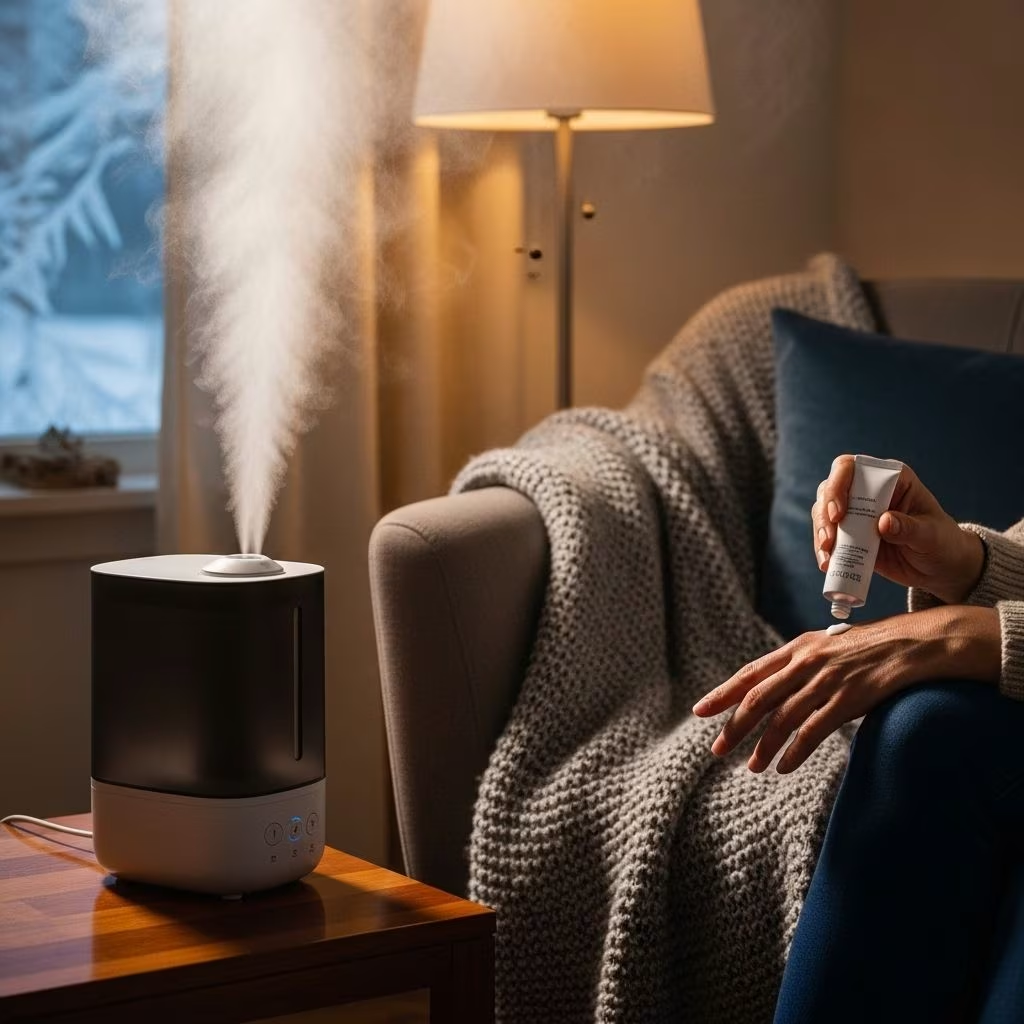
When temperatures plummet and heating systems hum to life, many people notice their skin turning dry, flaky, and uncomfortable. Forced air heating, common in modern homes and offices, is a major culprit behind this seasonal skin discomfort. Fortunately, humidifiers offer a simple, highly effective solution by restoring essential moisture to indoor environments. This comprehensive article explores the science behind forced air heating and skin dryness, the role of humidity in skin health, and practical advice for choosing and using humidifiers for optimal winter comfort.
How Forced Air Heating Dries Out Skin
Forced air heating systems work by drawing in cold air, rapidly heating it with a furnace or heat pump, and then distributing it through ducts around your home. While effective at warming rooms, this process has an unintended side effect: it drastically lowers indoor humidity.
- Heated air holds more water vapor: As cold air is warmed, its capacity to hold water increases, but since the original cold air contained very little moisture, the resulting heated air is extremely dry.
- Continuous loss of moisture: Air blown through ducts repeatedly absorbs moisture from structural materials, furniture, and especially your skin, leading to dryness and irritation.
- Symptoms of winter dry skin: This condition, sometimes called “winter xerosis,” manifests as flaking, tightness, cracking, itching, and sometimes exacerbates skin conditions such as eczema or psoriasis.
The Importance of Humidity for Skin Health
Skin is the body’s largest organ and relies on environmental moisture to function optimally. When relative humidity drops below 30%, the skin’s protective barrier weakens, causing increased trans-epidermal water loss (TEWL) and making it more vulnerable to:
- Dehydration: Loss of water from the outer layers of the skin, resulting in dullness and rough texture.
- Irritation and sensitivity: Dry skin is more prone to redness, irritation, cracking, and increased sensitivity to soaps, detergents, and environmental pollutants.
- Breakdown of skin barrier: The lack of moisture disrupts the integrity of the lipid barrier, increasing the risk of flare-ups for chronic skin conditions.
Conversely, maintaining indoor humidity in the ideal range (30–50%) helps the skin stay hydrated, supple, and healthy.
How Humidifiers Work
Humidifiers are devices designed to add moisture to air, restoring comfortable and healthy relative humidity. The major types include:
- Evaporative (Cool Mist) Humidifiers: Use a fan to blow air through a moist wick or filter, releasing water vapor into the room without using heat.
- Ultrasonic Humidifiers: Generate a fine mist using high-frequency vibration, ideal for bedrooms and quiet settings.
- Steam (Warm Mist) Humidifiers: Boil water and release sterilized steam, raising both humidity and temperature slightly.
Regardless of type, all humidifiers help counteract the moisture loss induced by forced air heating by increasing the amount of water vapor in indoor air.
Skin Benefits of Using Humidifiers
Adding a humidifier to heated environments brings a multitude of skin-focused advantages:
- Restores Skin Hydration: Humidifiers provide moisture that prevents the skin from losing its natural water content to dry air, keeping it plump and minimizing flakiness.
- Strengthens the Skin Barrier: Proper humidity supports the lipid and protein layers that shield skin from irritants, pollution, and moisture loss.
- Soothes Irritated or Inflamed Skin: Those with conditions like eczema, psoriasis, or sensitive skin often experience fewer flare-ups and less irritation when humidity is maintained.
- Delays Signs of Aging: Well-hydrated skin exhibits fewer wrinkles and retains youthful elasticity, preventing the dryness-linked acceleration of visible aging.
- Reduces Itching and Cracking: Keeping the air moist helps prevent and soothe the itching, cracking, and redness associated with winter xerosis.
Nighttime use of humidifiers not only hydrates skin but also helps relieve respiratory dryness, eye discomfort, and improves the quality of sleep.
Choosing the Right Humidifier
Understanding the types and features of humidifiers helps you select what best suits your home, skin needs, and lifestyle:
| Type | How it works | Best for | Pros | Cons |
|---|---|---|---|---|
| Evaporative (Cool Mist) | Fan-blown air over water-soaked wicks | Large rooms, whole house | Energy efficient, self-regulating | Need regular filter changes, fan may be noisy |
| Ultrasonic | Vibrating metal plate creates fine mist | Bedrooms, nurseries | Quiet operation, no hot parts | Can disperse minerals if not using distilled water |
| Steam (Warm Mist) | Boils water, releases steam | Small rooms, quick relief | Sterilized mist, soothing warmth | Higher energy use, hot surfaces |
Consider the following when choosing a humidifier:
- Room size and layout
- Noise level preferences
- Maintenance requirements such as filter changes and cleaning
- Any special needs (allergy-friendly, child safety)
Optimal Humidity and Best Practices
To gain the maximum benefit for your skin and home comfort, observe these best practices:
- Maintain indoor humidity between 30–50%: This range is ideal for skin hydration while preventing mold growth and dust mites.
- Use a hygrometer: A small device that measures room humidity, ensuring you are within the optimal range. Many modern humidifiers include this feature.
- Clean and maintain humidifiers regularly: Prevent bacterial and mold contamination by cleaning water tanks and changing filters according to manufacturer instructions.
- Use distilled or demineralized water: Especially with ultrasonic models, to avoid dispersing minerals into the air which can settle as white dust.
- Position away from walls and electronics: Place humidifiers at least a foot away from surfaces and electrical devices to avoid moisture damage.
Skin Care Tips During Heating Season
While humidifiers provide essential atmospheric hydration, maintaining skin health also involves:
- Moisturize after cleansing: Use thick, fragrance-free creams or ointments after washing, trapping internal and external moisture on the skin.
- Avoid long, hot showers: Hot water strips natural oils from the skin, so opt for shorter, warm (not hot) showers.
- Wear soft, breathable fabrics: Layer clothes to minimize irritation and prevent overheating, and choose moisture-wicking natural fibers.
- Stay hydrated internally: Drink sufficient water and eat a diet rich in healthy fats and antioxidants to support skin from within.
- Avoid harsh soaps and cleansers: These can worsen dryness and further disrupt the skin barrier.
Common Mistakes and Safety Tips
Incorrect use or neglect of humidifier maintenance can cause more harm than good:
- Neglecting to clean the device: Dirty humidifiers can become breeding grounds for bacteria and mold, spraying allergens or germs into the air. Always follow cleaning guidelines.
- Over-humidifying: Excess humidity (>60%) encourages mold, dust mites, and respiratory issues. Monitor with a hygrometer and adjust output as needed.
- Using hard tap water: Minerals may create white dust or film on surfaces—always use distilled water if possible.
- Poor placement: Avoid putting units near vents, heat sources, or electronics.
Frequently Asked Questions (FAQs)
Q: Why does my skin become drier during heating season?
A: Forced air heating drastically lowers indoor humidity, which draws moisture out of your skin, leading to dryness, irritation, and potential for cracking or flare-ups of sensitive skin.
Q: What is the ideal indoor humidity level for skin health?
A: Most experts recommend maintaining a relative humidity level between 30-50% for optimal comfort and skin integrity.
Q: Can humidifiers help with eczema, psoriasis, or other skin conditions?
A: Yes, humidifiers can help soothe symptoms and reduce flare-ups by preventing excessive skin dryness and irritation.
Q: Are there any risks to using humidifiers?
A: If not cleaned regularly, humidifiers may harbor mold and bacteria, which can worsen allergies or respiratory health. Always follow the manufacturer’s cleaning instructions.
Q: Can a humidifier also improve my sleep quality?
A: Yes, maintaining proper humidity can reduce respiratory irritation, dry throat, and even provide soothing ambient noise, leading to better sleep.
Conclusion
Forced air heating brings welcome warmth but also introduces a major environmental stress: dry indoor air, which can quickly strip your skin of much-needed moisture. By proactively managing indoor humidity with a well-chosen and well-maintained humidifier, you can prevent winter skin woes, maintain a healthy and resilient skin barrier, and enhance your comfort throughout the season. Combined with good skin care habits, humidifiers are a powerful tool for anyone prone to winter dryness or seeking year-round skin wellness.
References
- https://crane-usa.com/the-benefits-of-humidifiers-for-skin/
- https://www.olanskydermatology.com/are-humidifiers-good-for-your-skin/
- https://www.sleepfoundation.org/bedroom-environment/benefits-of-a-humidifier-while-sleeping
- https://www.healthline.com/health/humidifiers-and-health
- https://www.mayoclinic.org/diseases-conditions/common-cold/in-depth/humidifiers/art-20048021


