


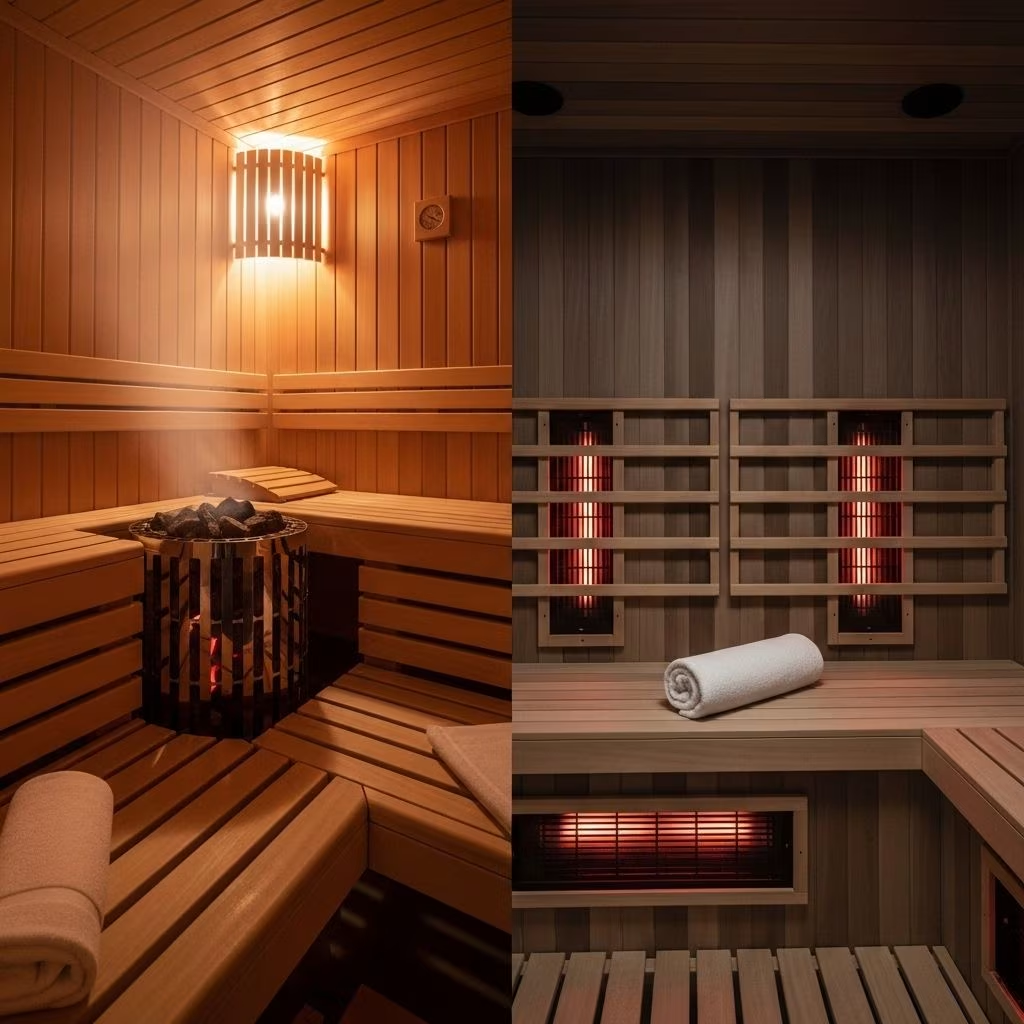
Sauna Skin Effects: Infrared vs. Traditional Review
The centuries-old tradition of sauna bathing has been embraced across cultures as a vehicle for relaxation and wellbeing. In the modern wellness landscape, saunas are increasingly seen not just as a means to unwind, but as promising skincare strategies. But how do their effects stack up when it comes to radiant, healthy skin? This in-depth review compares the skin benefits of infrared saunas and traditional saunas, exploring their influence on detoxification, anti-aging, hydration, and suitability for different skin types.
Saunas and Skin Health: An Overview
Sauna therapy has evolved, now featuring both the traditional Finnish sauna and the modern infrared sauna. Both types are associated with improved circulation, relaxation, and enhanced skin appearance. Which is better for your skin depends on the heat source, humidity, and physiological responses triggered in the skin.
- Traditional saunas generate heat by warming air, enveloping the skin in high temperatures and humidity.
- Infrared saunas use infrared light to directly heat tissue, operating at lower ambient temperatures while deeply penetrating the skin.
These differences profoundly influence how each sauna type impacts skin and overall health.
What Is an Infrared Sauna?
Infrared saunas utilize panels emitting infrared radiation to heat the body directly. Unlike traditional saunas, which heat the air to induce sweating, infrared saunas use radiant energy that penetrates the skin’s deeper layers for more localized warmth.
- Lower temperatures: Typically between 45°C to 60°C (113°F to 140°F), offering more comfort, especially for sensitive skin.
- Dry heat: Minimal humidity, which can be gentler for those prone to irritation or inflammatory skin conditions.
- Deeper skin penetration: Promotes longer-lasting and potentially more profound skin effects, such as increased collagen production and improved elasticity.
- Non-invasive approach: No chemicals or physical abrasion, contrasting with common skin rejuvenation procedures.
What Is a Traditional Sauna?
Traditional saunas, originating from Finland, rely on a heating mechanism (electric heater, wood-burning stove, or hot stones) to warm the surrounding air. The typical temperature range is between 70°C to 100°C (158°F to 212°F), creating a hot, humid atmosphere.
- High temperatures: Intense heat can promote significant sweating and immediate sweat-driven detoxification.
- High humidity: Moist air or steam (in cases where water is poured over hot rocks).
- Surface skin cleansing: The sweat and humidity help to flush out toxins and cleanse pores.
Traditional saunas are valued for their energizing heat and the invigorating sensation they deliver.
How Saunas Affect Skin: Mechanisms Explained
The key sauna-induced skin effects are a result of temperature, humidity, and the depth of tissue penetration:
- Detoxification: Both sauna types increase sweating, but infrared saunas may encourage more profound detoxification at the cellular level.
- Blood circulation: Heat dilates blood vessels, delivering nutrients and oxygen more efficiently to skin cells.
- Collagen production: Infrared saunas penetrate deeper, stimulating fibroblasts for enhanced collagen synthesis, which is key for firm and youthful skin.
- Hydration: Steam or humidity in traditional saunas intensely hydrates the skin, soothing irritation and restoring moisture balance.
Saunas also promote relaxation and stress relief, indirectly benefiting skin by reducing cortisol levels and inflammation.
Infrared vs. Traditional Saunas: Skin Benefits Comparison
| Sauna Type | Key Skin Effects | Ideal For |
|---|---|---|
| Infrared Sauna |
|
|
| Traditional Sauna |
|
|
Infrared Sauna: Detailed Skin Benefits
- Anti-Aging: Deeper infrared heat stimulates collagen, improving elasticity and minimizing fine lines and wrinkles.
- Detoxification: Enhanced cellular sweating helps clear toxins, which may benefit acne and uneven skin tone.
- Inflammation Reduction: Gentle warmth can ease redness and inflammation associated with eczema, psoriasis, or acne.
- Improved Skin Tone: Radiant heat can boost blood flow and oxygenation, resulting in a healthy glow.
Traditional Sauna: Detailed Skin Benefits
- Pore Cleansing: Intense sweating flushes dirt and impurities, promoting clearer skin.
- Hydration and Moisture: Steam saunas provide high humidity, helpful for dry or flaky skin.
- Circulation Boost: High heat invigorates, producing an immediate fresh-looking complexion.
- Deep Cleansing: Humidity opens pores, enhancing the effectiveness of cleansing routines.
Which Sauna Is Best for Your Skin Type?
| Skin Type | Recommended Sauna Type | Why? |
|---|---|---|
| Sensitive skin / Rosacea / Eczema | Infrared Sauna | Lower temperature and dry heat reduce the risk of irritation. |
| Acne-prone / Oily skin | Infrared Sauna | Deeper detoxification helps reduce clogged pores, while gentler heat prevents flare-ups. |
| Dry or Flaky Skin | Traditional Steam Sauna | Moisture-rich environment hydrates and soothes skin surfaces. |
| Mature Skin | Infrared Sauna | Collagen stimulation and anti-aging effects can improve elasticity. |
| Normal / Combination Skin | Either Sauna | May benefit from alternating sauna types for a balanced effect. |
Optimal results can sometimes be achieved by alternating both sauna types, balancing deep detoxification and intense hydration.
Potential Side Effects and Precautions
- Dehydration: High heat and profuse sweating can lead to dehydration; water intake before and after sauna sessions is essential.
- Skin irritation: Prolonged exposure or excessive heat may cause discomfort, especially in individuals with sensitive or reactive skin.
- Exacerbation of skin conditions: Some conditions, like severe eczema or psoriasis, may flare up with high heat and humidity. Infrared saunas are generally gentler; however, consulting with a dermatologist is advisable.
- Heart and blood pressure risks: Very high temperatures can stress cardiovascular systems; sauna use should be monitored, particularly in people with health conditions.
Start with shorter sessions (15–30 minutes), listen to your body, and gradually increase the duration as tolerated.
Frequently Asked Questions (FAQs)
Q: What is the main difference between an infrared sauna and a traditional sauna for skin?
A: Infrared saunas use radiant heat to penetrate skin deeper at lower temperatures, stimulating collagen for anti-aging. Traditional saunas heat the air, promoting intense sweating that mostly cleanses the skin surface.
Q: How long should I stay in a sauna for skin benefits?
A: 15–30 minutes per session is recommended. Beginners should start with shorter exposures and progressively increase the duration for maximum comfort and effect.
Q: Which sauna should I choose for sensitive skin?
A: Infrared saunas are generally gentler and more suitable for sensitive, irritation-prone skin due to their lower heat and dry environment.
Q: Can I alternate between infrared and traditional saunas?
A: Yes. Alternating sessions can provide complementary benefits: deep detoxification (infrared) and hydration/cleansing (traditional steam sauna).
Q: Can sauna use help with acne?
A: Infrared saunas may aid in detoxification and reduce inflammation, supporting acne-prone skin. Traditional saunas cleanse pores but may sometimes exacerbate irritation in very sensitive individuals.
Conclusion
Both infrared and traditional saunas offer unique skincare benefits. Infrared saunas lead in anti-aging, deep detoxification, and are preferred for sensitive or mature skin. Traditional saunas—especially steam varieties—excel in hydration, pore cleansing, and are revitalizing for normal or dry skin. Individual skin conditions, preferences, and goals will determine the best sauna choice. Whichever option is selected, always prioritize hydration, session moderation, and consult your healthcare provider or dermatologist for personalized advice.
References
- https://skintegrativesolutions.com/infrared-vs-traditional-sauna-which-is-better-for-your-skin/
- https://spaworldhouston.com/infrared-vs-steam-sauna/
- https://aspirecontourbodysculpting.com/infrared-sauna-benefits-vs-traditional-skin-rejuvenation/
- https://www.goodrx.com/well-being/alternative-treatments/infrared-sauna-vs-traditional-sauna
- https://pmc.ncbi.nlm.nih.gov/articles/PMC5941775/
- https://nostasauna.com/infrared-vs-traditional-sauna-proven-benefits-of-real-saunas/
- https://epichottubs.com/blog/infrared-vs-traditional-sauna-pros-and-cons/
- https://www.restore.com/blog/sauna-vs-infrared-sauna
- https://drbrighten.com/health-benefits-of-infrared-sauna/
- https://gladiatortherapeutics.com/what-is-better-far-infrared-vs-near-infrared/


