


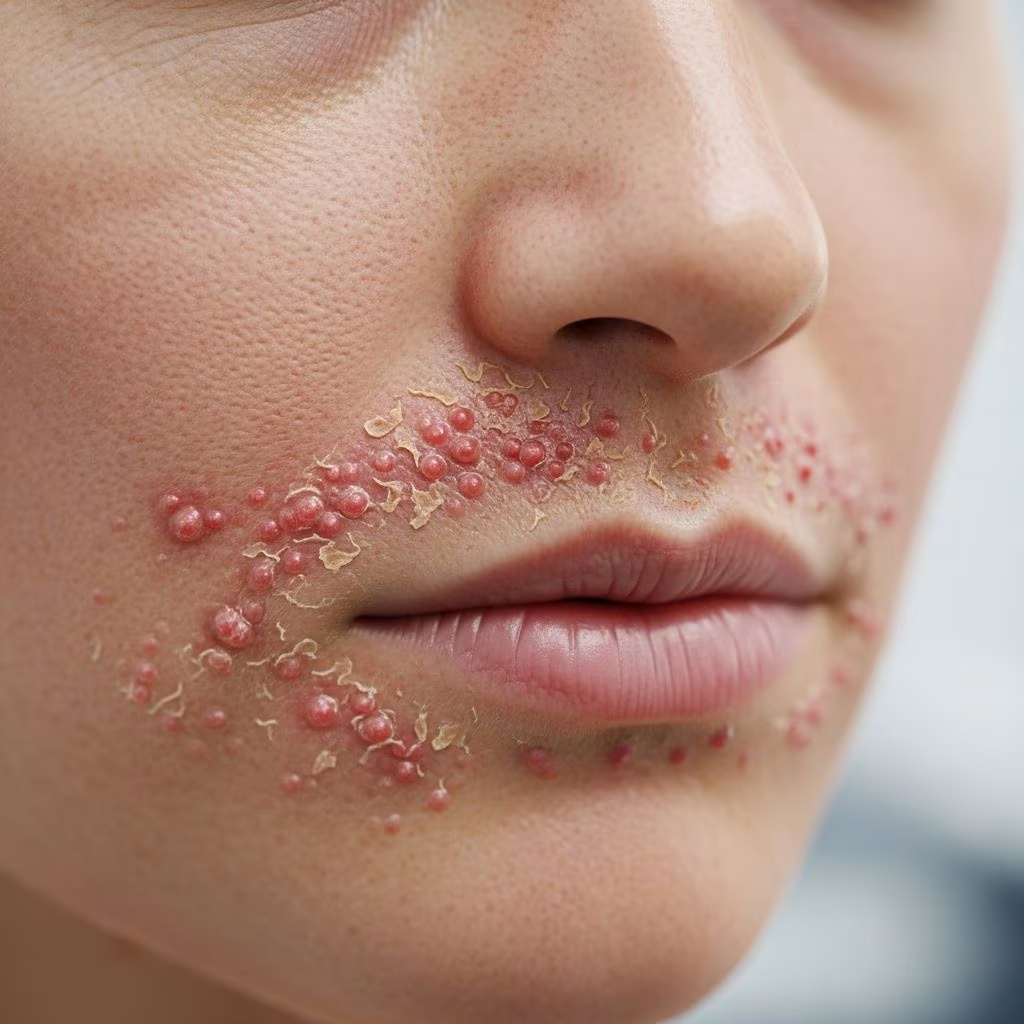
Overview of Perioral Dermatitis
Perioral dermatitis (PD), also termed periorificial dermatitis (POD), is a facial skin condition marked by clusters of small, erythematous papules, papulovesicles, or papulopustules around the mouth and nose, with characteristic sparing of the vermilion border of the lips. The chin, cheeks, and sometimes the perinasal and periorbital regions may be involved.
Key features of PD include:
- Red, scaly, or bumpy rash
- Mild burning, stinging, or pain (pruritus is not common)
- Most common in women aged 16–45 and children aged 7 months to 13 years
- Symptom onset may relate to changes in skincare, hormonal fluctuations, or oral product exposure
The Role of Fluoride in Dental Products
Fluoride is a naturally occurring mineral added to most toothpastes and some mouthwashes for its proven ability to remineralize enamel and prevent dental caries. However, as topical exposure has increased, so have reports linking fluoride to dermatological reactions.
Dental products containing fluoride include:
- Standard toothpastes (concentration typically 1000–1500 ppm)
- Prescription high-fluoride toothpastes (up to 5000 ppm)
- Mouthwashes formulated with sodium fluoride or stannous fluoride
Mechanisms: How Fluoride Can Trigger Perioral Dermatitis
Though the exact etiology of perioral dermatitis remains uncertain, mounting evidence implicates dental products—specifically those containing fluoride—as possible external triggers. Several proposed mechanisms include:
- Direct irritant effect: Fluoride may cause skin barrier dysfunction, leading to inflammation and rash formation around the mouth.
- Allergic response: While bona fide fluoride allergy is rare, some individuals may experience hypersensitivity reactions with repeated exposure.
- Co-factors. Other ingredients in toothpaste may interact with fluoride to exacerbate irritation or allow skin penetration.
It should be noted that other agents, such as fluorinated corticosteroids, have pronounced links to POD; however, the irritation from dental fluoride products has been documented by case reports and clinical observation.
Clinical Evidence Linking Fluoride Toothpaste to Perioral Dermatitis
Several case studies and dermatological reviews substantiate the connection between fluoride-containing dental products and the onset of perioral dermatitis.
| Clinical Case | Trigger | Symptoms | Outcome |
|---|---|---|---|
| 56-year-old woman | High-fluoride prescription toothpaste (Colgate PreviDENT 5000) | Facial erythema, scaling, papules/pustules around chin, nose, mouth | Complete resolution within 3 weeks of discontinuation |
| 45-year-old female | Highly fluoridated toothpaste | Papulopustular perioral eruption for one year | Improvement following switch to non-fluoride toothpaste |
Other studies have noted clusters of dermatitis cases following introduction of tartar-control or fluoridated pastes, with improvement upon withdrawal of the products.
Other Irritants in Dental Products
While fluoride is a leading suspect, additional ingredients in dental products can also incite or aggravate perioral dermatitis:
- Sodium Lauryl Sulfate (SLS) and Sodium Lauryl Ether Sulfate (SLES): Common foaming agents found to be highly irritating and disrupt the skin barrier.
- Flavoring agents: Cinnamon, mint, and peppermint flavors are frequent culprits due to their allergenic and irritant potentials.
- Cocamidopropyl betaine: Another surfactant that can provoke contact dermatitis.
- Preservatives and parabens: Used for shelf stability, but sometimes provoke skin reactions.
Importantly, individuals can be sensitive to one or several of these ingredients; patch testing and careful elimination are essential for an accurate diagnosis.
Diagnosis: Identifying Fluoride-Induced Perioral Dermatitis
Diagnosis of fluoride-induced perioral dermatitis is primarily clinical, based on:
- History of new or recently changed dental product use (especially high-fluoride products)
- Characteristic distribution of lesions—symmetrical clusters of papules/pustules around mouth/nose with sparing of the lip border
- Temporal association—rash appears after starting new product, resolves upon discontinuation
Other causes of PD must also be considered, including recent topical corticosteroid use, hormonal fluctuations, or changes in skin/hair care routines.
Management and Prevention Strategies
For fluoride-triggered perioral dermatitis, the most effective treatment involves identification and elimination of the offending agent:
- Discontinue suspected fluoride-containing toothpaste or mouthwash.
- Observe for improvement—most documented cases resolve within 1–3 weeks of ceasing the product.
- Reduce other irritant exposures: avoid SLS, harsh flavors, topical steroid creams near the lesion.
- In persistent or severe cases, topical or oral antibiotics (such as metronidazole or tetracyclines) may be prescribed under medical supervision.
Prevention revolves around awareness and careful choice of dental products in individuals with a history of PD or sensitivities.
Safer Dental Product Alternatives
Switching to milder, non-fluoridated dental products is a key step in managing and preventing PD in sensitive individuals:
- Hydroxyapatite toothpaste: Clinically proven alternative to fluoride, supports enamel without triggering skin irritation.
- SLS-free toothpaste: Reduces skin irritation by eliminating common foaming agents.
- Flavor-free and hypoallergenic toothpaste: Avoids most flavors and chemicals suspected of causing allergic reactions.
Always consult with a dental professional to ensure continued oral health while using alternative products.
Oral Health Considerations Without Fluoride
Fluoride-free dental care may be suitable for some, especially those with hypersensitivity or atopic dermatitis, but requires heightened attention to preventive oral hygiene:
- Brush regularly with non-irritant, fluoride-free toothpaste
- Use gentle brushing techniques to avoid mechanical irritation
- Seek periodic dental check-ups to monitor enamel health
- Consider dietary sources of calcium and phosphorus for enamel remineralization
Your dentist may recommend remineralizing agents (hydroxyapatite), sealants, or increased professional cleanings as a supplement to fluoride-free routines.
Frequently Asked Questions (FAQs)
What is perioral dermatitis?
Perioral dermatitis is an inflammatory rash causing clusters of papules, pustules, and sometimes mild scaling, typically around the mouth and nose.
Can fluoride in toothpaste cause perioral dermatitis?
Yes, some individuals—especially those using highly fluoridated toothpaste—may develop perioral dermatitis that resolves upon discontinuation of the product.
Is perioral dermatitis permanent?
No, most cases resolve quickly after removing the irritant, although some may require topical/oral antibiotics or other interventions.
Should I stop using fluoride toothpaste if I have perioral dermatitis?
If your dermatologist suspects fluoride is a trigger, discontinuing and switching to an alternative (e.g., hydroxyapatite toothpaste) may be recommended. Always consult your dentist about changing oral hygiene routines.
Are there other common toothpaste ingredients that cause skin irritation?
Yes, SLS, SLES, and strong flavorings like cinnamon or peppermint are frequent triggers for perioral dermatitis and other forms of contact dermatitis.
How can I keep my teeth healthy without fluoride?
By practicing rigorous brushing and flossing, using remineralizing agents, and attending regular dental cleanings, many can maintain good oral health without fluoride.
References
- Wilson BB, Gosis JG. Periorificial dermatitis. Consultant. 2013;53(10):741-742.
- P Peters, C Drummond. Perioral dermatitis from high fluoride dentifrice: case report and review. Aust Dent J. 2013 Sep;58(3):371-2.
- Keeko Oral Care Blog, “Toothpaste may be the cause of your Perioral Dermatitis. Here’s Why.”
- Henderson Family Dentistry, “Perioral Dermatitis and Your Dental Health.”
- StatPearls, “Perioral Dermatitis” – NCBI Bookshelf.
- Cleveland Clinic, “Perioral Dermatitis: Treatment, Symptoms & Causes.”
- Merck Manual, “Perioral Dermatitis – Dermatologic Disorders.”
References
- https://www.consultant360.com/articles/periorificial-dermatitis
- https://pubmed.ncbi.nlm.nih.gov/23981221/
- https://www.keekooralcare.com/blogs/news/toothpaste-may-be-the-cause-of-your-perioral-dermatitis-heres-why
- https://www.hendersonfamilydentistry.net/perioral-dermatitis-and-your-dental-health
- https://www.ncbi.nlm.nih.gov/books/NBK525968/
- https://my.clevelandclinic.org/health/diseases/21458-perioral-dermatitis
- https://www.merckmanuals.com/professional/dermatologic-disorders/acne-and-related-disorders/perioral-dermatitis
- https://mydoctor.kaiserpermanente.org/mas/news/10-things-to-know-about-perioral-dermatitis-skin-rash-2193962


