


Introduction
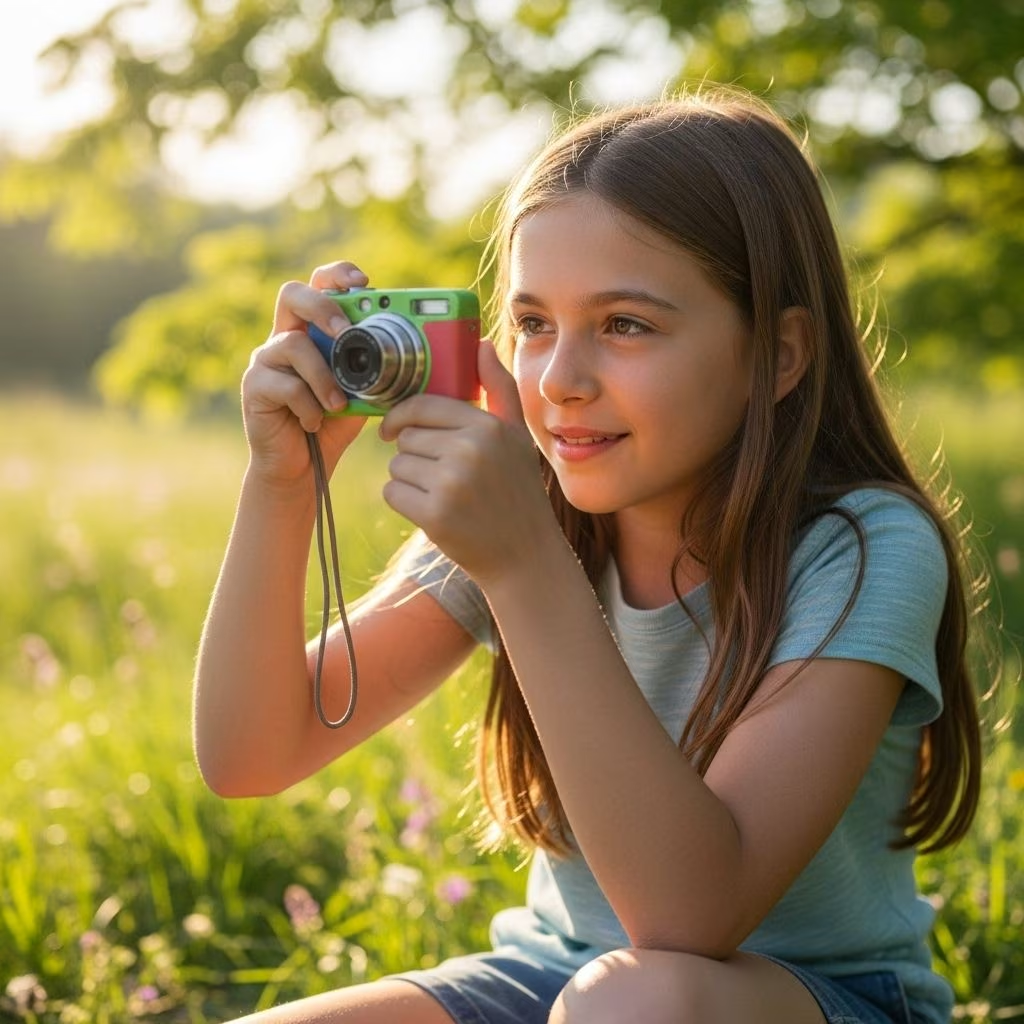
The pre-teen years are a time of rapid growth, heightened self-awareness, and emotional change. Helping young people navigate this period by teaching them to pause, observe, and appreciate the present moment can have profound benefits for their mental health and overall well-being. One creative and accessible way to nurture these skills is through mindful photography—a practice that blends mindfulness with the art of capturing images, encouraging pre-teens to engage fully with their surroundings and cultivate gratitude for the world around them.
What is Mindful Photography?
Mindful photography is not just about snapping pictures; it is a deliberate practice of engaging with the present moment through the lens of a camera. It involves slowing down, paying close attention to one’s environment, noticing colors, shapes, textures, and light, and then capturing images that reflect what is meaningful or beautiful in that moment. This process helps pre-teens connect with their emotions, reduce stress, and develop a sense of appreciation for both the ordinary and extraordinary aspects of life.
The essence of mindful photography is its focus on the process rather than the outcome. It encourages curiosity, non-judgmental awareness, and a sense of play—qualities that can help pre-teens develop resilience and emotional intelligence.
Benefits of Mindful Photography for Pre-Teens
Fostering Mindfulness
Mindfulness—defined as having your brain and body in the same place at the same time—encourages pre-teens to slow down and really see what is around them. Photographic activities that prompt them to notice details, colors, or the effects of light and shadow help anchor their attention to the present.
Cultivating Gratitude
Mindful photography often includes prompts to capture things that bring joy or gratitude. This practice trains the mind to focus on what is positive and meaningful, reinforcing an attitude of thankfulness.
Boosting Creativity and Curiosity
Engaging with photography in a playful, experimental way encourages creative thinking and helps pre-teens view their surroundings with fresh eyes.
Enhancing Emotional Awareness
By reflecting on photos—why they took them, what they felt—pre-teens build greater emotional awareness and can more easily express their feelings through imagery.
Building Confidence and Connection
Sharing photos and discussing their significance fosters connection with peers and trusted adults, and validates the pre-teen’s perspective and experience.
Getting Started with Mindful Photography
Mindful photography can be practiced anywhere—at home, school, or on a walk. Here’s how to get started:
- Choose a Tool: Use a smartphone, tablet, disposable camera, or digital camera—the device is less important than the intention.
- Set an Intention: Encourage the pre-teen to focus on the present and approach the activity without judgment or expectation of perfection.
- Begin with a Mindful Walk: Start with a slow, attentive walk, noticing sensations, sounds, and sights. This sets the stage for mindful observation.
- Encourage Playfulness: Invite them to experiment with angles, perspectives, and composition—photographing from high, low, or unexpected vantage points can spark creativity.
Mindful Photography Activities for Pre-Teens
Daily Gratitude Photo
Take a photo every day of something that makes you happy. Show someone the picture and talk about why it brought you joy.
Color Hunt
Find and photograph objects of a favorite color. Notice how the color appears differently in various lights and settings.
Seasonal Scavenger Hunt
Capture signs of the current season—buds in spring, fallen leaves in autumn, frost in winter, or blooming flowers in summer.
Portrait Project
Take portraits of family members or friends. Consider how different poses or expressions can convey different moods.
Emotion Expression
Take a photo that represents your current mood (happy, sad, excited, calm). Share the image and explain how you feel.
Shadow Play
Photograph interesting shadows created by sunlight or artificial light, noticing patterns and shapes.
Shape Search
Find and photograph objects that are square, round, or triangular. Compare how these shapes appear in nature versus human-made objects.
Cloud Gazing
Photograph clouds and imagine shapes or stories in them. Show the photo to someone else and ask them to guess what you saw.
Sensory Food Snapshot
Take a photo of your meal, then recall and describe the taste, smell, and texture of the food.
Nature Exploration
Find something “cool” or beautiful in nature and photograph it. Reflect on why it caught your attention.
Tips for Parents and Educators
- Model Mindfulness: Adults should practice mindful photography themselves to lead by example.
- Create a Safe Space: Encourage pre-teens to share photos without fear of judgment—focus on the experience, not the technical quality.
- Reflect and Share: Build in time for reflection and group discussion. This helps pre-teens make meaning from their images and connect with others.
- Limit Distractions: Encourage going on photo walks without headphones or digital distractions to maximize presence and awareness.
- Celebrate Creativity: Display photos in an album, on a bulletin board, or in a digital gallery to celebrate creativity and accomplishment.
Overcoming Common Challenges
Lack of Interest or Focus
Pre-teens may initially resist or get bored. Keep activities short, varied, and playful. Use prompts that spark curiosity or involve movement, like “find something soft” or “photograph from a bird’s-eye view.”
Perfectionism
Encourage experimentation over technical perfection. Remind participants that the goal is to notice and enjoy, not to create “perfect” images.
Distraction
Set boundaries for technology use during mindful photography sessions. Consider turning off notifications or setting devices to airplane mode to minimize interruptions.
Success Stories and Testimonials
Research and anecdotal evidence suggest that mindful photography can be transformative for young people. A curriculum developed by the Center for Healthy Minds at the University of Wisconsin–Madison engaged fifth-graders in a mindful photography project. Students used disposable cameras to capture things they felt grateful for, then created gratitude albums filled with their images. Teachers reported that students became more aware of their surroundings, expressed more positive emotions, and enjoyed sharing their photos with peers. One student said, “Mindfulness is all about knowing your emotions and staying calm, and photography can really keep you calm and keep you focused.” Another noted, “We got to take pictures of people and stuff that we cared about.” The most common subjects were peers and nature, highlighting the social and environmental aspects of gratitude.
Frequently Asked Questions
Q: Do pre-teens need expensive equipment to practice mindful photography?
A: No, mindful photography can be practiced with any camera, including smartphones, tablets, or disposable cameras. The focus is on the process, not the gear.
Q: How often should pre-teens practice mindful photography?
A: Regular practice—even just a few minutes a day or a weekly photo walk—can yield benefits. Consistency is more important than duration.
Q: Is mindful photography effective for stressed or anxious pre-teens?
A: Yes, mindful photography can help reduce stress and anxiety by redirecting attention to the present moment and fostering positive emotions.
Q: How can I encourage a pre-teen who isn’t interested in photography?
A: Focus on the experience, not the technical skill. Use fun, relatable prompts and allow for creative freedom. Consider group activities or family photo challenges.
Q: Can mindful photography be done indoors?
A: Absolutely. Mindful photography can be practiced anywhere—indoors, outdoors, at school, or at home. The key is to notice and appreciate the details in any environment.
Conclusion
Mindful photography is a powerful, accessible, and engaging way to help pre-teens develop mindfulness and gratitude. By slowing down, observing their surroundings, and capturing what matters to them, young people can learn to appreciate the present moment, manage their emotions, and connect more deeply with the world and the people around them. With simple prompts, a spirit of playfulness, and opportunities for reflection, mindful photography can become a meaningful and enjoyable practice for pre-teens—one that supports their emotional, creative, and social growth.
References
- http://contentmanager.med.uvm.edu/docs/mindful_photography_for_kids-_a_practice_to_cultivate_mindfulness_and_gratitude_/vccyf-documents/mindful_photography_for_kids-_a_practice_to_cultivate_mindfulness_and_gratitude_.pdf?sfvrsn=599b84ab_2
- https://www.digitalphotomentor.com/develop-art-seeing-mindful-photography/
- https://centerhealthyminds.org/join-the-movement/how-photography-can-help-cultivate-mindfulness-and-gratitude
- https://photography-playground.com/mindful-photography-tips/
- https://positivepsychology.com/mindful-photography/
- https://alexandriaarttherapy.com/blog/mindful-photography
- https://www.museumnext.com/article/museums-and-mental-health-a-mindful-photography-project-for-young-people/
- https://betterhumans.pub/how-to-do-a-photo-meditation-a-beginners-guide-7df1b093d949
- https://petapixel.com/2020/06/22/find-mindfulness-in-photographing-your-kids/
- https://tinybuddha.com/blog/how-to-create-peace-and-calm-through-mindful-photography/


