


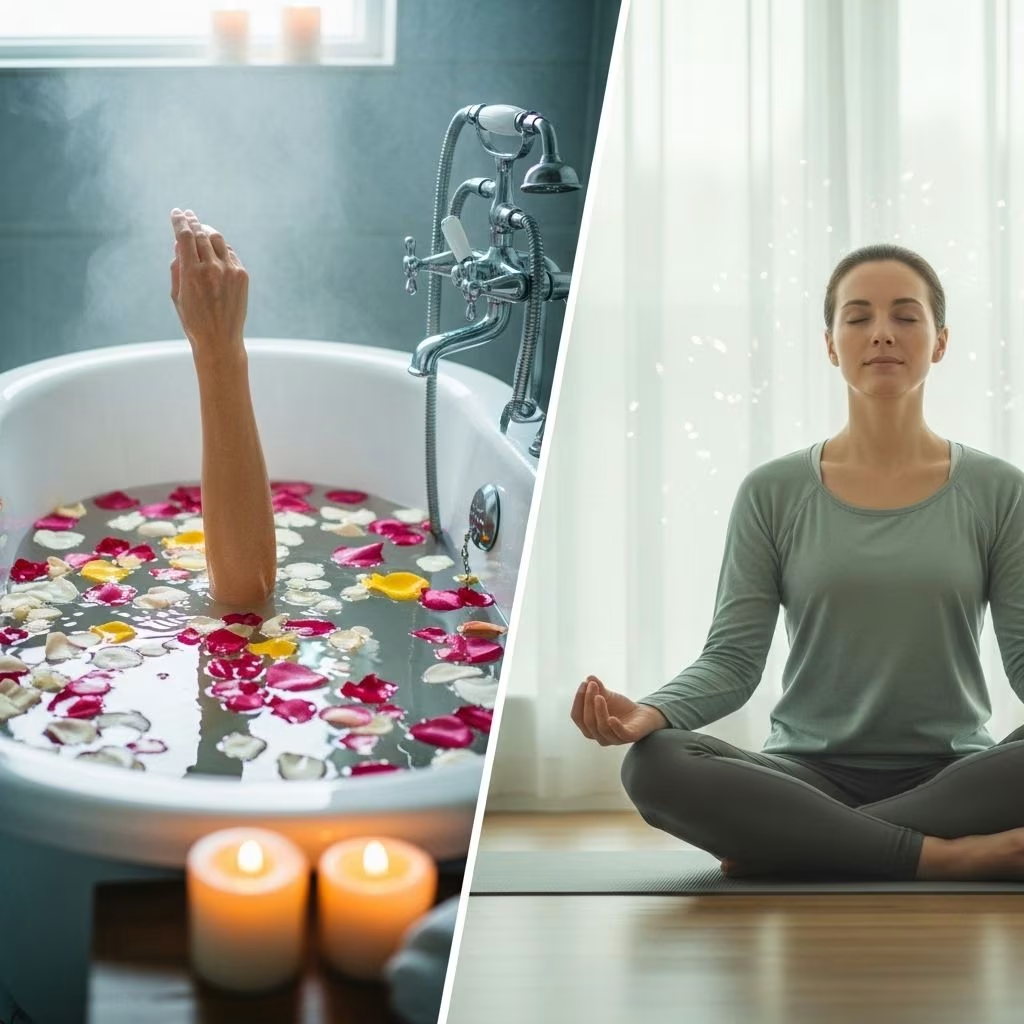
Acne can be an ongoing challenge, not only for its physical symptoms but also for its psychological and emotional impact. The link between stress and worsening acne is well-established, prompting many to seek out different self-care methods to manage stress and, in turn, support clearer skin. Two popular options are relaxing baths and the practice of meditation. But which is more effective at reducing acne-related stress and promoting healthy skin? This article comprehensively examines their mechanisms, effects, and practical benefits, offering clear guidance for those seeking calm, confident skin.
Understanding Acne and Stress
To understand the best ways to manage acne, it is crucial to grasp the skin-stress connection. Both clinical research and anecdotal experience concur: stress worsens acne by:
- Raising cortisol levels (the body’s primary stress hormone)
- Triggering the release of inflammatory chemicals in the skin
- Disrupting healthy skin barrier function
- Influencing hormonal imbalances that fuel breakouts
When the mind and body feel under siege, the skin often reflects this distress in the form of new pimples, increased oiliness, slower healing, and even worsened redness or sensitivity.
Chronic stress—whether from academic, work, relationship, or personal pressures—can lead to ongoing or repeated acne flares. As a result, many people with acne actively seek out reliable stress-management tools.
The Science of Meditation for Acne and Stress
Meditation has ancient roots and has gained renewed attention in recent years. But how exactly does it help with acne and stress?
The Mind-Skin Connection
Researchers have discovered strong links between psychological wellness and skin health. The brain and the skin, sharing the same embryonic origin, interact via the so-called “brain-skin axis.” When mental health suffers, the skin’s immune and repair mechanisms are altered.
How Meditation Impacts Acne-Prone Skin
- Reduces cortisol: Meditation is shown to effectively lower stress hormone levels, which directly reduces skin inflammation and the risk of breakouts.
- Decreases inflammation: Lowering psychological stress minimizes the chances of inflammatory acne lesions developing or flaring up.
- Enhances sleep quality: Sleep is critical for skin regeneration. Meditation can improve sleep patterns, allowing the skin to fully repair itself overnight.
- Emotional resilience: Meditation helps individuals manage the emotional toll of acne, reducing anxiety, depression, and social withdrawal.
- Improves skin barrier: Promoting emotional balance may strengthen the integrity of the skin barrier, making it more resilient to stressors.
Clinical Evidence on Meditation and Mindfulness
- Studies link regular meditation and mindfulness practices to quicker healing times for stress-provoked skin conditions such as psoriasis, eczema, and acne.
- Participants in mindfulness programs report reduced severity and frequency of flare-ups, largely due to stabilized cortisol levels and improved emotional control.
- Meditation does not only help skin heal; it may also prevent new breakouts by reducing underlying triggers.
Personal testimonials also support meditation. Many notice calmer, less reactive skin, and fewer new breakouts, sometimes after only a few weeks of daily practice. However, meditation tends to work best when practiced consistently—not as a quick fix, but as a lifestyle shift.
Other Benefits of Meditation Beyond Skin Health
- Encourages overall well-being and emotional stability
- Improves focus and productivity
- Lowers risk of chronic diseases fueled by stress (heart disease, high blood pressure, etc.)
- Supports healthy habits (including dietary choices and regular sleep)
The Power of Relaxing Baths
Baths, often considered the epitome of self-care, provide immediate comfort and relaxation—qualities especially valued by individuals with acne. A warm soak can serve as a reset button for body and mind, but how does it measure up when it comes to reducing acne stress?
How Baths Influence Stress and Skin
- Promote muscle relaxation and tension relief: Warm water soothes tight muscles and can relax the nervous system.
- Provide sensory comfort: The ritual of soaking, with calming scents or gentle music, triggers the body’s “rest and digest” response.
- Encourage self-care routines: Dedicated bath times can foster mindfulness, especially when combined with aromatherapy, candles, or meditative background sound.
- Improve sleep quality: Evening baths can help induce sleep, prime time for the skin’s natural repair mechanisms (akin to meditation in this respect).
- Temporary reduction in perceived stress: The act of taking a bath can temporarily lower heart rate and blood pressure, reducing perceived stress.
Limitations of Baths for Acne-Prone Skin
- Surface benefit: The stress-relief from baths tends to be short-lived, often fading after returning to everyday challenges.
- Potential skin irritation: Long, hot soaks may sometimes dry or irritate sensitive, acne-prone skin. Bubble baths or certain bath products might worsen breakouts if they contain pore-clogging or harsh ingredients.
- No direct impact on cortisol: While baths can help you feel temporarily relaxed, their systemic impact on the stress hormone pathways (e.g., cortisol) appears lower than meditation, based on current scientific understanding.
When Baths Are Especially Helpful
- Physical stress relief: After workouts or during muscle aches, baths aid in recovery and overall relaxation.
- Promotion of hygiene: A bath can help clear sweat, oils, and buildup, especially if paired with gentle, non-comedogenic cleansers.
- Mental reset after acute stress: Baths serve as an immediate sanctuary after specific tough days.
Bath vs. Meditation: Side-by-Side Comparison
| Aspect | Meditation | Bath |
|---|---|---|
| Impact on Cortisol | High (proven reduction over time) | Low (mainly perceived relaxation, little direct evidence for sustained cortisol reduction) |
| Inflammation Control | Effective (reduces inflammation-related hormones) | Minimal (unless combined with anti-inflammatory additives like oatmeal or Epsom salts) |
| Longevity of Benefits | Long-term results with consistency | Short-term relief |
| Potential Side Effects | None | Possible skin dehydration or irritation with overuse or harsh products |
| Suitability for Acne-Prone Skin | High | Moderate; caution with products/temperature |
| Emotional Benefits | Reduces anxiety, depression, supports emotional resilience | Promotes comfort, calm, and relaxation |
Which Should You Choose?
If your primary goal is managing acne-related stress to improve your skin’s condition and accelerate healing, the scientific literature and clinical experience broadly favor meditation as the more powerful intervention. Its ability to regulate stress hormones, reduce inflammation, and promote emotional well-being can offer tangible benefits for those with persistent breakouts.
Baths are excellent for temporary relaxation, body comfort, and setting aside time for self-care—which certainly have value for mental health and, by extension, for your complexion. For people with sensitive skin, however, certain bathing practices or products may need modification (such as cooler water or hypoallergenic cleansers).
Who Might Prefer One Over the Other?
- Meditation is optimal for those seeking long-term, internal stress reduction and emotional balance, with no risk of aggravating skin symptoms.
- Baths may be favored by those looking for immediate comfort or who enjoy sensory rituals. They can be part of an overall self-care routine, but are best complemented by other methods for lasting results.
Combining Both Approaches for Optimal Results
Many people find that integrating both meditation and relaxing baths amplifies the benefits for both skin and mind. Consider:
- Practicing mindfulness meditation while soaking in the tub—focus on your breathing, bodily sensations, and the sounds around you.
- Creating an evening routine that alternates between meditation on some nights and a gentle, aromatherapy bath on others.
- Following up a warm bath with a brief meditation session, maximizing physical and emotional relaxation before sleep.
This combination harnesses the immediate calm of a bath and the enduring stress-management of meditation.
Practical Tips for Managing Acne Stress
- Make meditation or mindfulness a daily habit, even if just for 5–10 minutes.
- If taking baths, keep water warm—not hot—and limit duration (15–20 minutes) to protect your skin barrier.
- Choose bath products that are non-comedogenic (won’t clog pores) and fragrance-free when possible.
- Try guided meditations focused on skin positivity or body image if acne affects self-esteem.
- Leverage other calming activities—walking, yoga, creative outlets—to further lower your overall stress burden.
- Focus on consistent, gentle cleansing and moisturizing as part of your skincare regimen.
- Prioritize sleep: Both meditation and baths can be timed before bedtime, improving the quality of your rest.
Frequently Asked Questions (FAQs)
Can stress really make acne worse?
Yes. Both acute and chronic stress can cause hormonal and inflammatory changes, leading to more frequent or severe acne breakouts.
Is meditation or a bath better for immediate stress relief?
A bath generally provides faster, surface-level relaxation. Meditation’s benefits build—and last—over time, particularly for those who practice regularly.
Are there any risks to meditating or bathing when you have acne?
Meditation has no risks; everyone can benefit. Baths should be done with caution: use gentle, non-irritating products and avoid overheating the water.
How soon will I see changes in my skin with meditation?
Some people notice calmer skin and fewer new breakouts within a few weeks, especially if meditation becomes a consistent routine.
Can I use both methods together?
Absolutely. In fact, combining meditation and mindful bathing can greatly enhance your well-being and support clearer, calmer skin.
Conclusion
For individuals struggling with acne, managing stress effectively can make a profound difference in flare-ups and the healing process. While baths offer cherished moments of relaxation and comfort, meditation stands out as a scientifically proven, sustainable approach to reducing acne-related stress and supporting overall skin health. For lasting results, integrate meditation as a daily practice, and enjoy baths as an occasional treat—your skin (and mind) will thank you.
References
- https://banish.com/blogs/article/17650228-the-skin-healing-power-of-meditation
- https://www.cosmopolitan.com/style-beauty/beauty/a38595270/benefits-of-meditation-for-skin/
- https://www.atlantialoe.com/en/blog/Meditation-and-Skin-The-Secret-to-Complete-Well-being/
- https://lifehappensskinrescue.com/can-mindfulness-help-reduce-stress-induced-skin-conditions/
- https://pmc.ncbi.nlm.nih.gov/articles/PMC5091630/
- https://nhsjs.com/2024/balancing-acne-the-review-of-psychological-and-physical-therapies-in-stressful-environments/
- https://www.thegreenkiss.com/blogs/news/meditation-for-glowing-skin-and-better-sleep
- https://www.health.harvard.edu/blog/stress-may-be-getting-to-your-skin-but-its-not-a-one-way-street-2021041422334
- https://cosmeticlaserskinsurgery.com/blog/meditate-for-clearer-skin/


