


The relationship between what we eat and how our skin appears goes far deeper than simple nutritional deficiency. When we consume foods that spike blood sugar levels, we trigger a cascade of hormonal and inflammatory responses that directly impact skin health. This phenomenon, known as diet-induced stress, creates a vicious cycle where poor food choices elevate cortisol levels, increase inflammation, and ultimately manifest as various skin conditions ranging from acne to premature aging. Understanding how to break this cycle through strategic dietary choices, particularly by adopting a low glycemic approach, offers a powerful pathway to achieving clearer, healthier, and more youthful-looking skin.
The modern diet, laden with refined carbohydrates, processed sugars, and inflammatory fats, has created an epidemic of metabolic stress that shows up most visibly on our skin. When blood sugar spikes rapidly after consuming high glycemic foods, the body responds by releasing insulin and cortisol, both of which have profound effects on skin physiology. This metabolic roller coaster not only affects how we feel internally but also determines the health, appearance, and aging trajectory of our largest organ—the skin.
Understanding the Diet-Stress-Skin Connection
The intricate relationship between diet, stress, and skin health operates through multiple interconnected pathways. When we consume foods that cause rapid increases in blood glucose, our body interprets this metabolic disruption as a form of physiological stress. This interpretation triggers the hypothalamic-pituitary-adrenal axis, the body’s central stress response system, leading to the release of cortisol and other stress hormones. These hormones were designed to help us respond to immediate threats, but when activated repeatedly through poor dietary choices, they create chronic inflammation and hormonal imbalances that directly compromise skin integrity.
The brain-skin axis represents a bidirectional communication highway where psychological stress can manifest as skin problems, and skin conditions can perpetuate psychological distress. Diet serves as a critical modulator of this axis. High glycemic foods create internal metabolic stress that mimics psychological stress at the hormonal level. The result is increased production of pro-inflammatory cytokines, elevated cortisol levels, and activation of inflammatory pathways that target the skin. This explains why individuals who experience high dietary stress often notice their skin conditions worsen even when external stressors remain constant.
Chronic elevation of cortisol through repeated consumption of high glycemic foods leads to several detrimental effects on skin health. Cortisol triggers increased sebum production, which can clog pores and create an environment conducive to acne-causing bacteria. It also impairs the skin’s barrier function, reducing its ability to retain moisture and protect against environmental irritants. Additionally, sustained cortisol elevation suppresses the immune system’s ability to manage skin infections and slows the wound healing process, meaning that any existing skin damage takes longer to repair.
The Glycemic Impact on Skin Health
The glycemic index measures how quickly foods raise blood sugar levels after consumption. High glycemic foods cause rapid spikes in blood glucose, triggering a proportional insulin response. This insulin surge has multiple negative consequences for skin health. First, insulin directly stimulates the sebaceous glands to produce more oil, increasing the likelihood of clogged pores and acne breakouts. Second, elevated insulin levels increase the production of androgens, male hormones that further amplify sebum production and can trigger hormonal acne even in women.
Beyond immediate hormonal effects, high glycemic diets initiate a destructive process called glycation. During glycation, excess glucose molecules in the bloodstream bind to proteins, including collagen and elastin—the structural proteins that keep skin firm, smooth, and youthful. This binding creates harmful compounds called advanced glycation end products, which appropriately abbreviate to AGEs. These molecules literally age the skin by making collagen stiff and inflexible, leading to the formation of wrinkles, loss of elasticity, and a dull, sallow complexion. The accumulation of AGEs also triggers inflammatory responses that further damage skin tissue.
The inflammatory cascade initiated by high glycemic foods extends throughout the entire body. When blood sugar spikes, it triggers the release of inflammatory cytokines and increases oxidative stress—an imbalance between harmful free radicals and protective antioxidants. This systemic inflammation manifests visibly in the skin as redness, puffiness, and exacerbation of inflammatory skin conditions like rosacea, eczema, and psoriasis. The inflammatory state also impairs microcirculation in the skin, reducing the delivery of oxygen and nutrients necessary for cellular repair and regeneration.
Cortisol, Inflammation, and Your Complexion
Cortisol, often called the stress hormone, plays a central role in the diet-skin connection. While cortisol serves important protective functions in acute stress situations, chronic elevation from repeated dietary stressors creates widespread problems for skin health. High cortisol levels reduce the production of hyaluronic acid, a molecule responsible for maintaining skin hydration and plumpness. This leads to dehydrated, dull-looking skin with increased visibility of fine lines. The hormone also interferes with the skin’s natural repair mechanisms, slowing cell turnover and leaving damaged cells on the surface longer.
The relationship between cortisol and collagen production represents one of the most significant pathways through which diet-induced stress accelerates skin aging. Cortisol directly inhibits fibroblasts, the cells responsible for synthesizing new collagen. Simultaneously, it increases the activity of enzymes that break down existing collagen structures. This dual action creates a deficit where collagen degradation outpaces collagen production, resulting in loss of skin firmness, increased wrinkles, and sagging. Studies have shown that chronic stress, whether psychological or metabolic, can reduce collagen production by up to thirty percent.
Inflammatory skin conditions experience particular sensitivity to cortisol fluctuations. Conditions like acne, eczema, and psoriasis all involve dysregulated immune responses in the skin. Cortisol modulates immune function, and while it can temporarily suppress inflammation, chronic elevation creates a rebound effect where inflammation actually worsens. The hormone also increases the activity of mast cells, immune cells in the skin that release histamine and other inflammatory mediators. This explains why individuals following high glycemic diets often experience more frequent and severe flare-ups of their underlying skin conditions.
Low Glycemic Diet Principles for Healthy Skin
Adopting a low glycemic approach to eating represents one of the most effective strategies for reducing diet-induced stress and improving skin health. The fundamental principle involves choosing foods that cause gradual, sustained increases in blood sugar rather than rapid spikes. This approach stabilizes insulin levels, reduces cortisol production, and minimizes the inflammatory cascade that damages skin. Low glycemic eating is not about eliminating carbohydrates entirely but rather selecting the right types and combining them strategically with proteins, healthy fats, and fiber.
The glycemic index ranks foods on a scale from zero to one hundred based on their impact on blood sugar. Foods with a glycemic index below fifty-five are considered low, those between fifty-six and sixty-nine are medium, and those above seventy are high. However, the glycemic load provides a more practical measure as it accounts for typical serving sizes. A low glycemic diet emphasizes foods with both low glycemic index and low glycemic load, ensuring that overall blood sugar impact remains minimal throughout the day.
Successful implementation of a low glycemic diet for skin health requires understanding food combinations and meal timing. Protein and healthy fats slow the absorption of carbohydrates, effectively lowering the glycemic impact of a meal. Adding fiber through non-starchy vegetables further reduces the glycemic response. Eating smaller, more frequent meals helps maintain stable blood sugar levels throughout the day, preventing the dramatic fluctuations that trigger stress hormone release. This steady-state metabolism allows the skin to focus on repair and regeneration rather than constantly responding to inflammatory signals.
Foods to Embrace for Radiant Skin
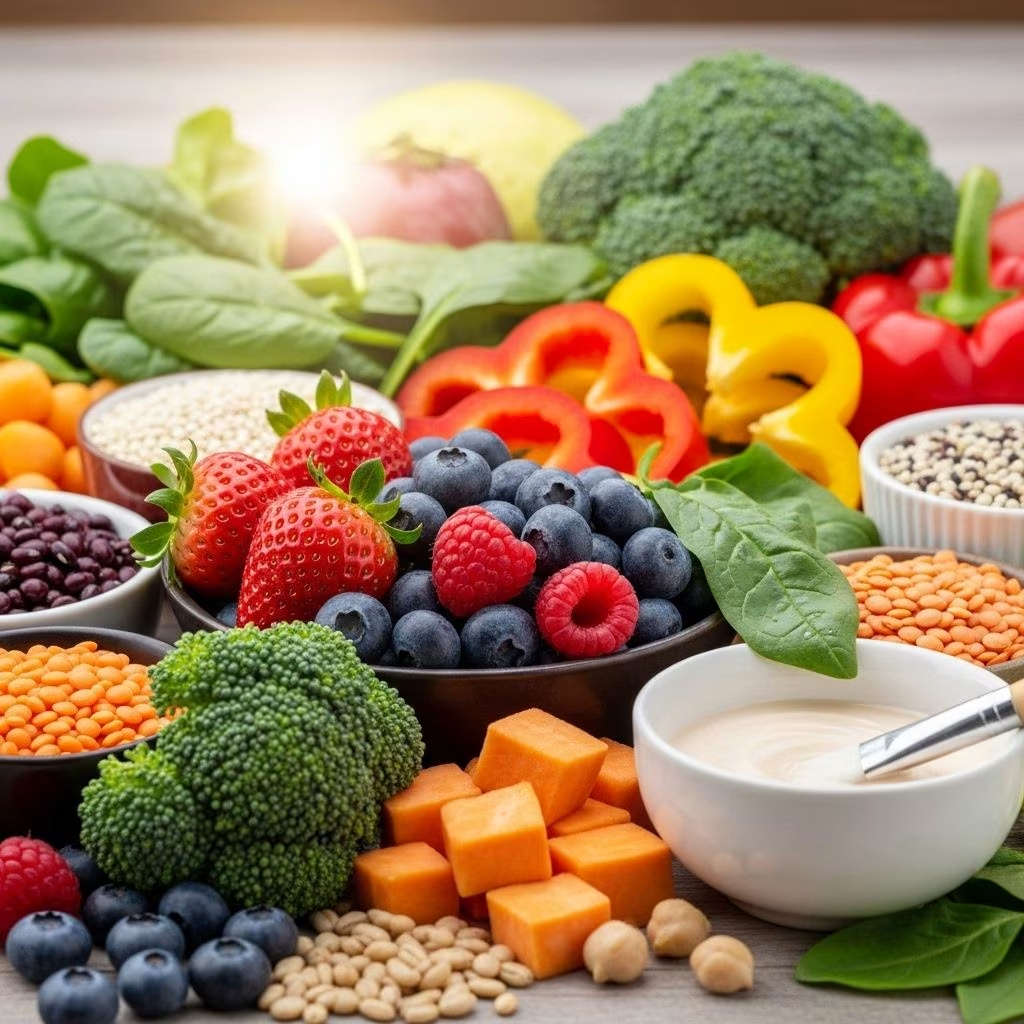
Building a skin-healthy, low glycemic diet centers on incorporating nutrient-dense whole foods that provide stable energy while delivering skin-supporting compounds. Non-starchy vegetables form the foundation of this approach. Leafy greens like spinach, kale, and arugula offer extremely low glycemic loads while providing abundant vitamins A, C, and K, all crucial for skin health. Cruciferous vegetables such as broccoli, cauliflower, and Brussels sprouts contain sulforaphane, a compound that activates cellular detoxification pathways and protects against oxidative stress.
Protein sources play a dual role in a low glycemic, skin-healthy diet. They provide amino acids necessary for collagen synthesis while stabilizing blood sugar levels. Wild-caught fatty fish like salmon, mackerel, and sardines deliver high-quality protein alongside omega-3 fatty acids, which powerfully reduce inflammation throughout the body. These anti-inflammatory fats specifically target the pathways that cortisol activates, effectively countering the effects of diet-induced stress. Plant-based proteins from legumes, while containing some carbohydrates, have low glycemic indices due to their high fiber content and provide additional benefits through their antioxidant compounds.
Healthy fats deserve special emphasis in a skin-protective diet. Monounsaturated fats from avocados, olive oil, and nuts support the skin’s lipid barrier, helping retain moisture and protect against environmental damage. These fats also facilitate the absorption of fat-soluble vitamins like vitamin E, a potent antioxidant that protects skin cells from oxidative damage. Nuts and seeds, particularly almonds, walnuts, and pumpkin seeds, provide vitamin E alongside minerals like zinc and selenium, which support immune function and reduce inflammatory responses in the skin.
Low glycemic fruits offer concentrated sources of antioxidants without causing problematic blood sugar spikes. Berries—blueberries, strawberries, raspberries, and blackberries—contain anthocyanins and other polyphenols that combat free radical damage and reduce inflammation. These compounds specifically protect collagen from degradation and help maintain skin elasticity. Other low glycemic fruit options include cherries, grapefruit, and apples, all of which provide fiber that slows sugar absorption while delivering vitamin C for collagen synthesis.
Foods That Trigger Diet-Induced Stress
Understanding which foods to minimize or eliminate is equally important as knowing what to embrace. Refined carbohydrates represent the primary dietary trigger of metabolic stress. White bread, white rice, and products made with refined flour cause rapid glucose spikes that trigger insulin and cortisol release. These foods provide empty calories without the fiber, vitamins, or minerals that support skin health. The refining process strips away nutrients while concentrating the starch, creating a food product specifically designed to cause the blood sugar volatility that damages skin.
Added sugars in their various forms—table sugar, high fructose corn syrup, agave nectar—directly contribute to glycation and inflammation. Beyond their high glycemic impact, sugars promote the formation of AGEs that accelerate skin aging. Sugar also feeds inflammatory bacteria in the gut, disrupting the microbiome in ways that increase systemic inflammation. Processed foods often hide substantial amounts of added sugars under different names, making label reading essential. Beverages pose a particular risk, as liquid sugars enter the bloodstream even more rapidly than solid foods, creating dramatic insulin spikes.
Trans fats and excessive omega-6 fatty acids from processed vegetable oils create inflammatory states that manifest in the skin. These fats alter cell membrane composition, making cells more susceptible to oxidative damage and inflammatory signaling. Fried foods combine multiple skin-damaging factors: high glycemic starches, inflammatory fats, and oxidative compounds created during high-heat cooking. The combination creates a perfect storm of metabolic stress that shows up as dull, inflamed, acne-prone skin.
Alcohol deserves mention as a hidden source of diet-induced stress. While not typically considered in terms of glycemic impact, alcohol metabolism places significant stress on the liver, the organ responsible for hormonal balance and detoxification. Alcohol also dehydrates tissues, impairs nutrient absorption, and disrupts sleep—all factors that compromise skin health. Additionally, many alcoholic beverages contain substantial amounts of sugar, compounding their negative effects on blood sugar stability and inflammation.
Practical Implementation Strategies
Transitioning to a low glycemic diet for skin health requires practical strategies that fit into daily life. Meal planning emerges as the most effective tool for maintaining consistency. Planning meals around a combination of lean protein, healthy fats, and high-fiber vegetables ensures balanced blood sugar throughout the day. Preparing components in advance—cooking proteins, washing and chopping vegetables, portioning nuts and seeds—removes barriers to healthy eating when time is limited.
Strategic snacking prevents the blood sugar dips that trigger stress responses and poor food choices. Ideal low glycemic snacks combine protein or fat with fiber. Examples include apple slices with almond butter, vegetables with hummus, Greek yogurt with berries, or a small handful of nuts with a piece of low glycemic fruit. Keeping these options readily available at home, work, and in the car prevents reliance on high glycemic convenience foods.
Reading food labels becomes essential for identifying hidden sources of added sugars and refined carbohydrates. The ingredients list provides more useful information than marketing claims on the front of packages. Ingredients are listed in descending order by weight, so if sugar appears among the first few ingredients, the product will significantly impact blood sugar. Learning the many names for added sugars—maltose, dextrose, rice syrup, and dozens of others—helps identify problematic foods.
Gradual implementation often proves more sustainable than dramatic overnight changes. Starting by replacing one high glycemic food with a low glycemic alternative at each meal builds momentum without creating overwhelming dietary restrictions. Swapping white rice for quinoa, replacing sugary breakfast cereals with steel-cut oats topped with nuts and berries, or choosing sweet potatoes instead of white potatoes creates meaningful improvements in glycemic load while maintaining satisfaction and variety.
Supporting Lifestyle Factors
While dietary changes form the foundation of reducing diet-induced stress on skin, complementary lifestyle factors amplify results. Sleep quality directly impacts both cortisol regulation and skin regeneration. During deep sleep, growth hormone peaks, stimulating collagen production and cellular repair throughout the skin. Sleep deprivation elevates cortisol, impairs glucose metabolism, and reduces insulin sensitivity—essentially mimicking the effects of a high glycemic diet. Prioritizing seven to nine hours of quality sleep each night supports the metabolic stability that a low glycemic diet creates.
Physical activity improves insulin sensitivity, meaning cells respond more effectively to insulin signals, reducing the amount needed to manage blood sugar. This improved sensitivity translates to lower overall insulin levels and reduced insulin-driven skin problems like excess oil production and hormonal acne. Exercise also increases circulation, delivering more oxygen and nutrients to skin cells while removing metabolic waste products. The temporary increase in cortisol during exercise differs from chronic elevation—it actually helps regulate the stress response system, making it more resilient to dietary and psychological stressors.
Stress management techniques complement dietary efforts by addressing psychological sources of cortisol elevation. Meditation, deep breathing exercises, yoga, and other relaxation practices demonstrably reduce cortisol levels and inflammatory markers. When combined with a low glycemic diet, these practices create synergistic benefits, addressing both metabolic and psychological stress pathways that affect skin health. Even brief daily practices—ten minutes of meditation or five minutes of deep breathing—produce measurable improvements in stress biomarkers.
Hydration supports the skin benefits of a low glycemic diet by maintaining optimal cellular function and facilitating toxin elimination. Water helps regulate body temperature, maintains blood volume for nutrient delivery, and supports the lymphatic system’s removal of inflammatory compounds. Adequate hydration also helps prevent the mistaken hunger signals that often lead to consumption of high glycemic snacks. Aiming for eight to ten glasses of water daily, with increased intake during exercise or hot weather, supports skin health from the inside out.
Frequently Asked Questions
How long does it take to see skin improvements after starting a low glycemic diet?
Most people notice initial improvements in skin texture and reduced inflammation within two to four weeks of consistently following a low glycemic diet. Acne reduction typically becomes apparent within four to six weeks as hormonal balance improves and inflammation decreases. More significant changes like improved skin tone, reduced fine lines, and enhanced radiance often require eight to twelve weeks as the skin completes multiple renewal cycles with better nutritional support and lower inflammatory stress.
Can a low glycemic diet help with specific skin conditions like acne or eczema?
Research demonstrates that low glycemic diets significantly improve acne by reducing insulin and androgen levels, which decreases sebum production and inflammation. For eczema, the anti-inflammatory effects of stable blood sugar and reduced cortisol help decrease flare frequency and severity. Psoriasis and rosacea also often improve due to reduced systemic inflammation. However, individual responses vary, and working with a dermatologist alongside dietary changes ensures comprehensive treatment.
Are all carbohydrates bad for skin health?
Absolutely not. The quality and type of carbohydrates matter far more than their mere presence. Complex carbohydrates from whole grains, legumes, and vegetables provide essential nutrients, fiber, and steady energy without causing problematic blood sugar spikes. These foods support skin health by delivering B vitamins for cellular metabolism, fiber for gut health and toxin elimination, and antioxidants that protect against oxidative stress. The problematic carbohydrates are refined, processed options stripped of fiber and nutrients.
What role does the gut microbiome play in the diet-skin connection?
The gut microbiome serves as a critical mediator between diet and skin health. High glycemic diets promote inflammatory gut bacteria while reducing beneficial species. This imbalance increases intestinal permeability, allowing inflammatory compounds to enter the bloodstream and affect the skin. A low glycemic diet rich in fiber feeds beneficial bacteria, reducing systemic inflammation and supporting the production of short-chain fatty acids that protect skin barrier function and reduce inflammatory signaling.
Can I ever eat high glycemic foods, or must I avoid them completely?
Perfect adherence is neither necessary nor realistic. The goal is to make low glycemic choices the foundation of your eating pattern while allowing flexibility for occasional higher glycemic foods. When you do choose higher glycemic options, combining them with protein, healthy fats, and fiber significantly reduces their blood sugar impact. For example, adding nuts to a piece of fruit or eating pasta with plenty of vegetables and olive oil lowers the overall glycemic load of the meal.
Do I need supplements in addition to a low glycemic diet for optimal skin health?
A well-planned low glycemic diet rich in whole foods typically provides most nutrients needed for skin health. However, certain supplements may offer additional benefits. Omega-3 fatty acids, if not consuming fatty fish regularly, support anti-inflammatory processes. Vitamin D, which many people lack due to limited sun exposure, plays important roles in skin cell growth and immune function. Probiotic supplements may help restore gut balance, particularly after antibiotic use. Consulting with a healthcare provider helps determine if specific supplements would benefit your individual situation.
References
- https://www.casamencarelli.co.uk/blog/how-emotions-and-diet-can-reflect-on-the-skin
- https://aadermatology.com/healthy-skin-month-stress-affects-skin/
- https://www.westlakedermatology.com/blog/how-stress-is-damaging-your-skin/
- https://www.health.harvard.edu/blog/stress-may-be-getting-to-your-skin-but-its-not-a-one-way-street-2021041422334
- https://healthcare.utah.edu/healthfeed/2024/01/stressed-out-skin-link-between-stress-and-skin-health
- https://pmc.ncbi.nlm.nih.gov/articles/PMC10982215/
- https://illinoisderm.com/blog/how-diet-affects-skin-best-and-worst-foods/
- https://pmc.ncbi.nlm.nih.gov/articles/PMC11743297/
- https://www.isdin.com/us/blog/skincare/how-diet-and-nutrition-affects-skin/


