


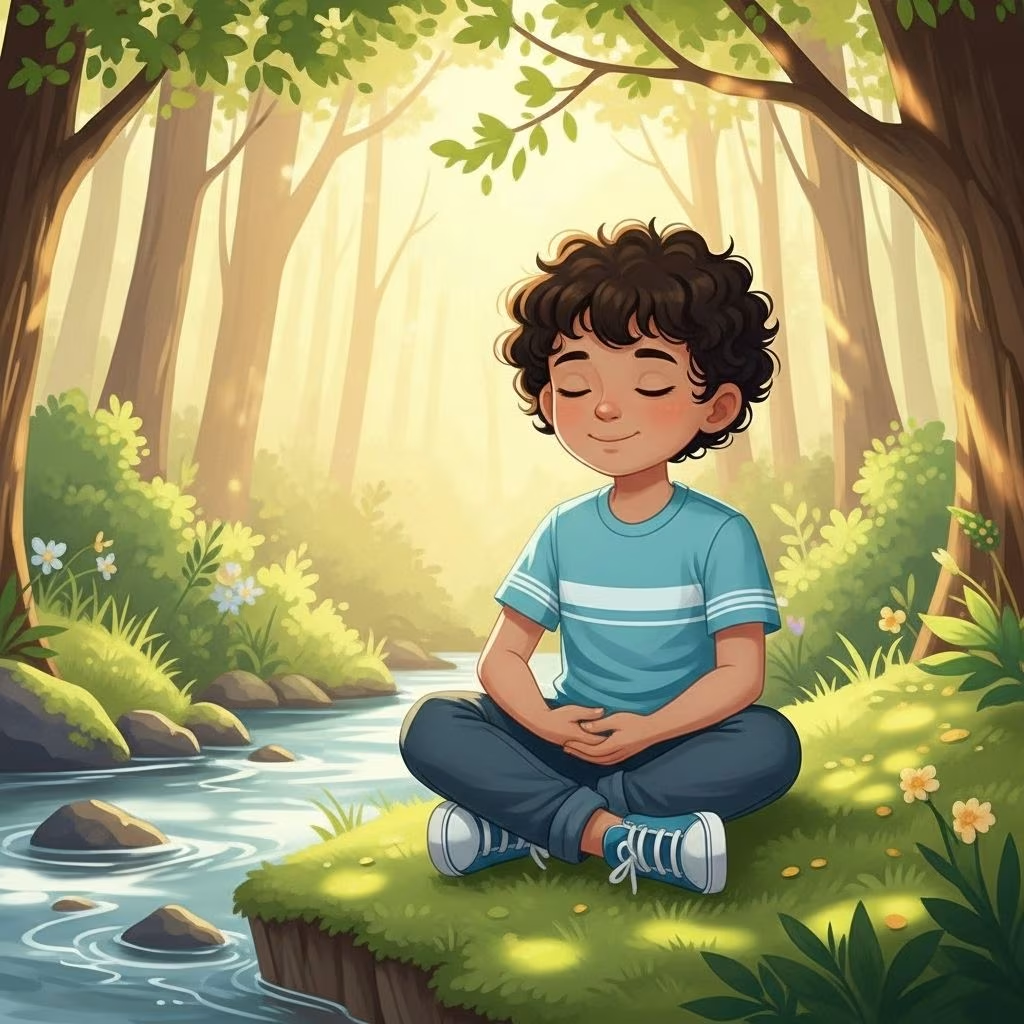
Why Mindfulness for Kids?
Mindfulness is the practice of paying attention to the present moment—observing thoughts, feelings, and sensations without judgment. For children, who are naturally inquisitive and attentive to their surroundings, mindfulness can help them maintain this awareness as they grow and face new challenges. In today’s fast-paced world, kids often experience stress, anxiety, and distractions that can affect their emotional and academic well-being. Introducing mindfulness early equips them with tools for self-regulation, empathy, and resilience—skills that are essential for navigating both childhood and adulthood.
Benefits of Mindfulness for Children
Scientific research and expert guidance highlight numerous benefits of mindfulness practice for children, including:
- Improved Focus and Attention: Mindfulness enhances a child’s ability to concentrate, which can lead to better academic performance and classroom participation.
- Lower Anxiety and Stress: Regular mindfulness practice helps children manage stress, reducing symptoms of anxiety and depression.
- Enhanced Emotional Regulation: Kids learn to recognize and regulate their emotions, leading to fewer outbursts and better social interactions.
- Increased Self-Esteem and Positive Mood: Mindfulness fosters self-awareness and self-acceptance, boosting confidence and overall happiness.
- Better Resilience and Coping Skills: Children develop tools to cope with setbacks and challenges, building emotional resilience over time.
- Stronger Relationships: By practicing empathy and active listening, children improve their relationships with peers, family, and teachers.
5 Easy Steps to Start Kids Mindfulness Practice
Starting a mindfulness practice with your child doesn’t require special equipment or hours of training. Here are five simple, effective steps to get started:
Step 1: Start Small and Keep It Simple
Begin with short, age-appropriate activities. Even one minute of mindful breathing or noticing sensations can make a difference. Gradually increase the duration as your child becomes more comfortable. Avoid overwhelming them with too many practices at once—focus on consistency over intensity.
Step 2: Create a Routine
Incorporate mindfulness into daily routines, such as before bedtime, after meals, or during transitions between activities. Consistency helps children develop a habit and makes mindfulness a natural part of their day. Use visual cues or reminders, like a chart or a favorite stuffed animal, to signal mindfulness time.
Step 3: Make It Fun and Engaging
Mindfulness should feel enjoyable, not like a chore. Use playful activities like mindful breathing with a stuffed animal, sensory games, or gratitude exercises. Encourage your child to lead sometimes, letting them choose which activity to try.
Step 4: Lead by Example
Children learn by watching adults. Practice mindfulness yourself and talk about your experiences. Share moments when you use mindfulness to stay calm or focused, showing your child that it’s a valuable life skill for everyone.
Step 5: Use Resources and Support
Explore books, guided meditations, apps, and community resources designed for children. Join family mindfulness sessions or online groups to stay motivated and inspired.
Practical Mindfulness Activities for Children
Here are some easy, effective mindfulness exercises you can try with your child:
Mindful Breathing
Have your child sit or lie down and focus on their breath. Encourage them to notice the air moving in and out of their nose or belly. Counting breaths (inhale 1, exhale 2, up to 10) helps anchor their attention.
Body Scan
Guide your child through a “body tour,” asking them to notice how each part feels, from their toes to their head. This helps them connect with their body and release tension.
Sensory Mindfulness
Encourage your child to use their senses—listening to calming music, smelling a flower, tasting a snack slowly, or feeling different textures. This enhances present-moment awareness.
Gratitude Practice
Each day, ask your child to name three things they are grateful for. This builds positivity and appreciation for everyday moments.
Glitter Calm Down Jar
Fill a clear jar with water, glitter glue, and glitter. When shaken, the glitter swirls like thoughts in a busy mind. As it settles, your child practices deep breathing and patience until the glitter is still.
Mindful Movement
Simple yoga poses, stretching, or walking mindfully in nature can help children connect body and mind, improving focus and relaxation.
Tips for Mindful Parenting
Parenting mindfully means being present, patient, and compassionate with yourself and your child. Here are ways to cultivate a mindful family environment:
- Practice Self-Care: Take time for your own mindfulness practice. A calm, centered parent models emotional regulation for their child.
- Listen Actively: Give your child your full attention during conversations. This demonstrates respect and builds trust.
- Accept Imperfection: Mindfulness is not about being perfect. Encourage your child (and yourself) to approach practice with curiosity and kindness, not judgment.
- Celebrate Small Wins: Acknowledge your child’s efforts and progress, no matter how small. Positive reinforcement keeps motivation high.
- Create a Supportive Environment: Reduce distractions during mindfulness time. Turn off screens and choose a quiet, comfortable space.
Frequently Asked Questions (FAQs)
Q: At what age can children start practicing mindfulness?
A: Children as young as three or four can begin with simple activities like mindful breathing or sensory games. The key is to tailor practices to their developmental level and attention span.
Q: How often should my child practice mindfulness?
A: Even a few minutes daily can be beneficial. Consistency is more important than duration—try to make mindfulness a regular part of your child’s routine.
Q: What if my child resists mindfulness practice?
A: Keep it light and fun. Let your child choose activities they enjoy, and lead by example. Over time, resistance often fades as they associate mindfulness with positive experiences.
Q: Can mindfulness help with school performance?
A: Yes, mindfulness has been shown to improve focus, memory, and classroom behavior, which can positively impact academic achievement.
Q: Are there mindfulness resources specifically for kids?
A: Many books, apps, and online videos are designed for children. Look for age-appropriate guided meditations, mindfulness games, and family activities.
Conclusion
Starting a mindfulness practice with your child is one of the most rewarding gifts you can give them. By following these five easy steps—starting small, creating routines, making it fun, leading by example, and using resources—you help your child build skills for emotional resilience, focus, and well-being that will last a lifetime. Remember, mindfulness is a journey, not a destination. Approach it with patience, curiosity, and kindness, and watch as your child—and your family—flourish.
References
- https://www.canr.msu.edu/news/starting-a-mindfulness-practice-with-your-child
- https://www.stanfordchildrens.org/en/topic/default?id=how-to-practice-mindfulness-with-kids-197-29286
- https://www.childrenscolorado.org/doctors-and-departments/departments/psych/mental-health-professional-resources/primary-care-articles/mindfulness/
- https://www.mindful.org/mindfulness-for-kids/
- https://mypacifichealth.com/mindfulness-for-kids-activities-benefits/
- https://www.waterford.org/resources/mindfulnes-activities-for-kids/
- https://www.healthychildren.org/English/healthy-living/emotional-wellness/Pages/Just-Breathe-The-Importance-of-Meditation-Breaks-for-Kids.aspx
- https://pmc.ncbi.nlm.nih.gov/articles/PMC9163650/
- https://childmind.org/article/mindfulness-in-the-classroom/


