


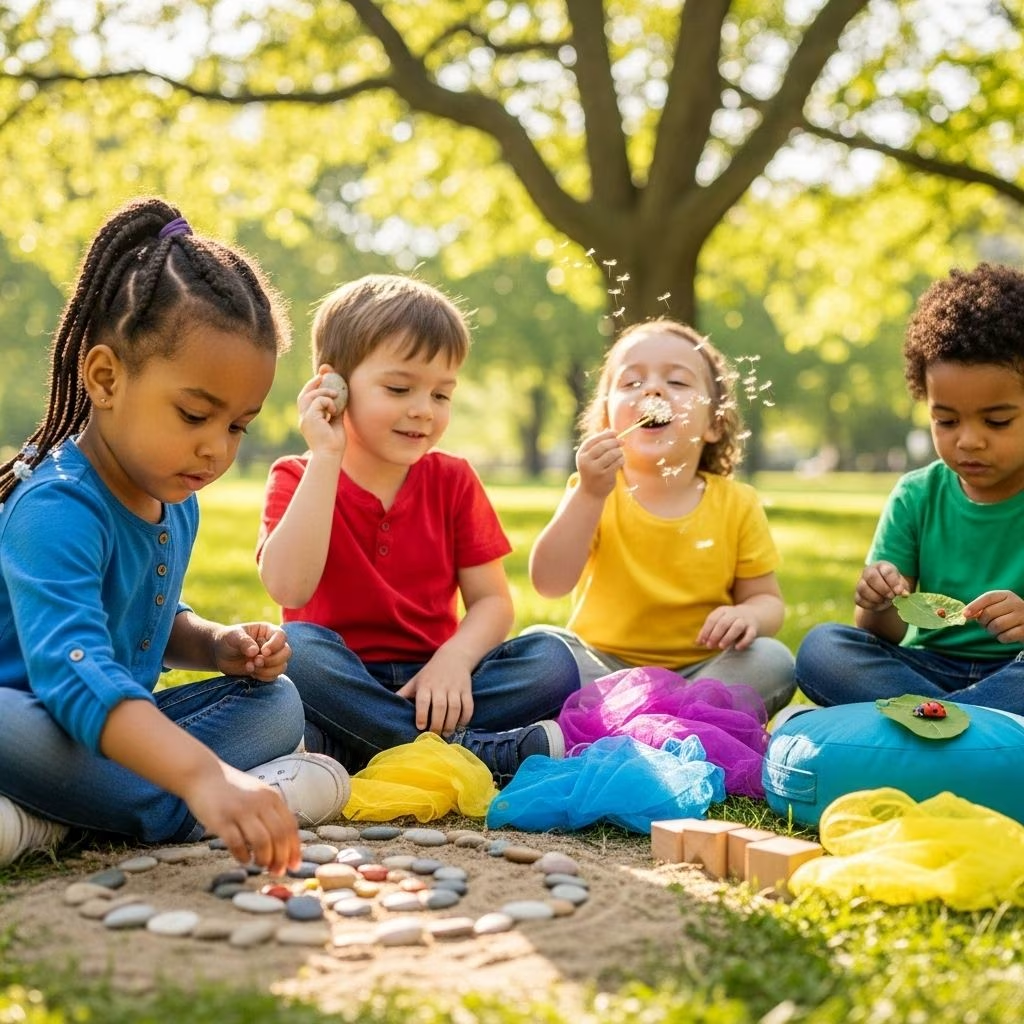
Introduction to Mindfulness for Young Children
Introducing mindfulness to toddlers and preschoolers lays the groundwork for a lifelong journey of self-awareness, emotional regulation, and overall well-being. Mindfulness is the practice of being fully present in the moment, often achieved through focused attention and awareness of one’s thoughts and feelings without judgment. When taught through play, these concepts can be both fun and accessible for young children.
Benefits of Mindfulness for Toddlers and Preschoolers
Research has shown that mindfulness can offer numerous benefits for young children, including:
- Improved Emotional Regulation: Mindfulness helps children manage their emotions more effectively, leading to reduced stress and anxiety.
- Enhanced Self-Awareness: By being more attentive to their thoughts and feelings, children can better understand themselves and their place in the world.
- Increased Focus and Attention: Practicing mindfulness can improve concentration and ability to stay focused, which is crucial for learning and development.
- Better Social Skills: Mindfulness fosters empathy and understanding, helping children navigate social interactions more smoothly.
Playful Mindfulness Activities for Toddlers
Toddlers are naturally curious and love to engage in activities that involve exploration and interaction. Here are some playful mindfulness activities suitable for toddlers:
- Breathing Exercises: Use pinwheels to demonstrate breathing exercises, making it a fun and interactive way to introduce mindfulness. Encourage long and deep breaths, and then short and quick ones, observing how these variations affect their mood and body.
- Nature Walks: Take a walk together, noticing the sights, sounds, and smells around you. This helps children connect with nature and develop an awareness of their surroundings.
- Coloring as Mindfulness: Engage in coloring activities, focusing on the colors and motions, which can help calm the mind and promote relaxation.
Playful Mindfulness Activities for Preschoolers
Preschoolers enjoy activities that combine movement, creativity, and imagination. Here are some engaging mindfulness exercises suitable for preschoolers:
- Eagle Flying: This activity combines deep breathing with movement, where children flap their arms like eagles while focusing on their breath.
- Animal Dancing and Stretches: Use animal movements to encourage mindfulness, such as bear crawls or butterfly stretches, which help children become more aware of their bodies.
- Sensory Texture Activity: Explore different textures through touch, encouraging children to describe their sensations without looking, enhancing sensory awareness.
Integrating Mindfulness into Daily Routines
For mindfulness to be effective, it should be a part of daily life. Incorporating mindfulness into routines such as bedtime or mealtime can help children develop a consistent practice:
- Mindful Bedtime Rituals: Establish a calming bedtime routine that involves gratitude or body scan meditation, helping children relax and prepare for sleep.
- Mindful Eating: Encourage children to focus on the taste, smell, and texture of their food, promoting mindfulness during meals.
Challenges and Tips for Parents and Educators
While teaching mindfulness to young children can be rewarding, it also presents challenges. Here are some tips for overcoming these obstacles:
- Keep It Simple and Fun: Use games and playful activities to keep children engaged and interested in mindfulness.
- Be Consistent: Regular practice helps children develop mindfulness habits.
- Make It Relatable: Use examples and stories that children can relate to, making mindfulness more accessible.
Frequently Asked Questions (FAQs)
Q: Why is mindfulness important for toddlers and preschoolers?
A: Mindfulness helps young children develop emotional regulation, self-awareness, and concentration skills, which are essential for their overall development and well-being.
Q: How can I start teaching mindfulness to my child?
A: Begin with simple activities like breathing exercises or nature walks, and gradually introduce more complex mindfulness practices as they grow older.
Q: What if my child finds it difficult to sit still for mindfulness activities?
A: Use movement-based mindfulness activities like animal stretches or dancing to keep them engaged. Start with short sessions and gradually increase the duration as they become more comfortable with the practice.
Conclusion
Teaching mindfulness to toddlers and preschoolers through play is a powerful way to instill life-long habits of self-awareness and emotional balance. By incorporating these activities into daily routines, parents and educators can help young children grow into more resilient and compassionate individuals.
References
- https://bebi.family/en/blog/how-to-use-mindfulness-with-toddlers
- https://earlyimpactlearning.com/16-mindfulness-activities-for-preschoolers/
- https://blog.calmclassroom.com/preschool-mindfulness-activities-students-love
- https://www.headspace.com/mindfulness/activities-for-kids
- https://www.waterford.org/resources/mindfulnes-activities-for-kids/
- https://firstchanceforchildren.org/6-activities-to-introduce-mindfulness-to-young-children/
- https://mybrightwheel.com/blog/mindfulness-for-kids


