


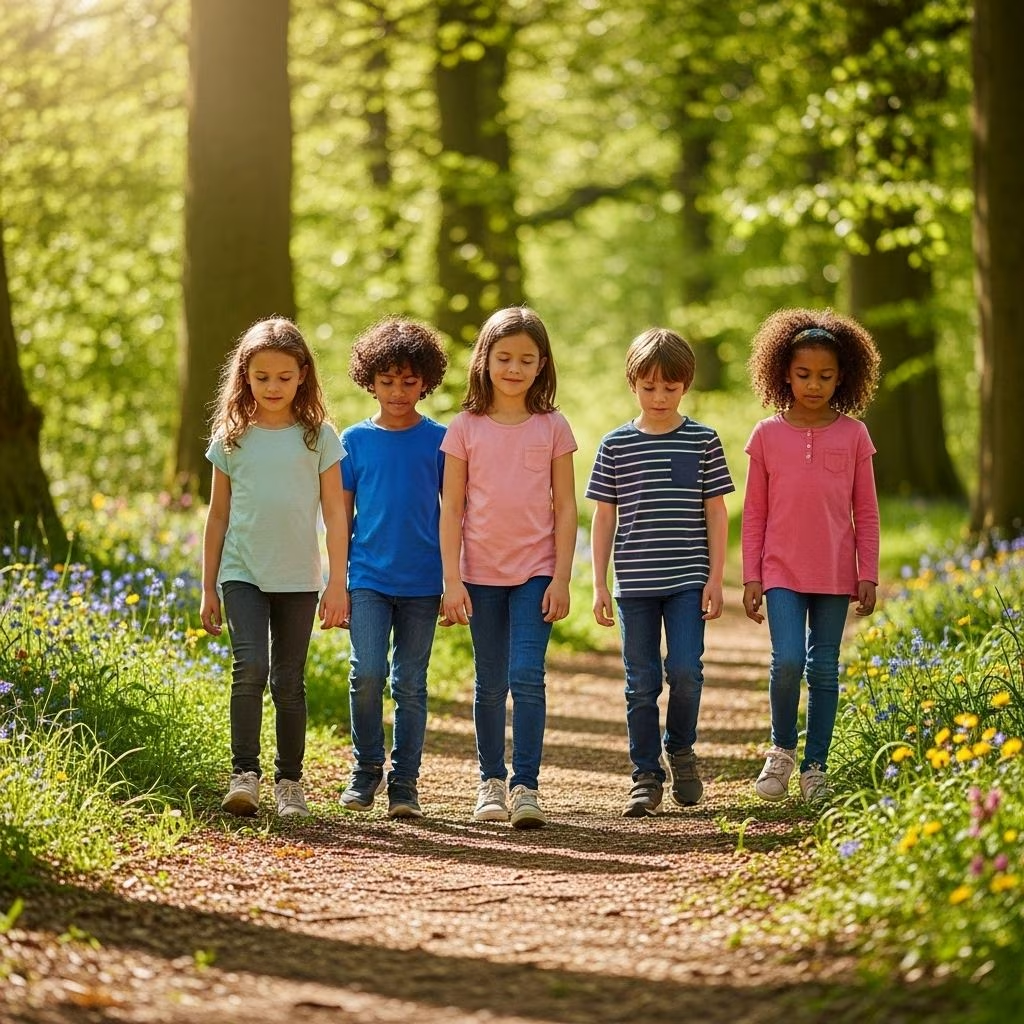
Every parent knows the challenge of running errands with children. The grocery store, post office, or walk to school can quickly become stressful experiences filled with distractions and restlessness. But what if these everyday journeys could transform into valuable opportunities for developing mindfulness, self-awareness, and emotional regulation in children? Mindful walking exercises offer a powerful solution, turning routine errands into meaningful moments of connection and growth.
Mindful walking combines the natural benefits of physical movement with the practice of present-moment awareness. For children, this practice helps develop critical life skills including focus, body awareness, emotional regulation, and stress management. Research demonstrates that daily mindful practice can improve mood, attention, and personal relationships while actually changing brain structure to reduce fight-or-flight responses and increase areas responsible for emotional regulation and social connection.
Understanding Mindful Walking for Children
Mindful walking represents the fundamental human ability to be fully present and aware during the simple act of walking. Rather than rushing from point A to point B with minds scattered across various worries and distractions, mindful walking invites children to pay deliberate attention to the physical sensations, sounds, sights, and experiences that unfold with each step.
For children, this practice serves as an accessible entry point into mindfulness. Unlike seated meditation, which can feel challenging for young, energetic bodies, walking meditation harnesses natural movement tendencies. The repetitive motion becomes soothing, helping many children quiet their minds more effectively than stillness alone. This makes errands perfect opportunities for practice since walking is already necessary.
At its core, mindful walking teaches children self-awareness by drawing attention to what happens both inside their bodies and in their surrounding environment. They learn to notice physical sensations in their feet, legs, and entire body. They become aware of their breathing patterns, emotional states, and the thoughts moving through their minds. This awareness forms the foundation of social-emotional learning, giving children tools to understand and regulate themselves.
The Science Behind Mindfulness and Movement
The benefits of mindful walking extend far beyond simple relaxation. Scientific research reveals that regular mindfulness practice creates measurable changes in brain structure and function. The practice actually shrinks regions responsible for fear and stress responses while increasing gray matter in areas governing emotional regulation and social connection.
On a physiological level, mindful walking triggers the body’s relaxation response. This natural mechanism reduces stress hormones, slows heart rate, and lowers blood pressure. For children who may experience anxiety about school, social situations, or other challenges, these physical changes provide real relief from uncomfortable symptoms.
The combination of exercise and mindfulness creates synergistic benefits. Physical activity alone improves mood, immune function, and cardiovascular health. When paired with mindful awareness, these benefits amplify. Children who practice mindful walking show improvements in focus and attention span, reduced symptoms of anxiety and depression, better emotional regulation skills, and enhanced ability to manage stress.
Even brief practices make a difference. Research indicates that just five to ten minutes of mindful walking can positively impact mood and mental state. For busy families navigating packed schedules, this accessibility makes mindful walking during errands particularly valuable.
Basic Mindful Walking Techniques for Errands
Starting with fundamental techniques helps children grasp the essential elements of mindful walking before adding complexity. These basics can be practiced during any errand, whether walking to the mailbox, heading into a store, or moving from the car to your destination.
Breath Awareness Walking: Begin by teaching children to notice their breathing as they walk. Encourage steady, natural breathing without forcing any particular pattern. The simple act of maintaining awareness of breath anchors attention in the present moment and prevents mind-wandering.
Foot Sensation Focus: Guide children to pay attention to how their feet touch the ground. Ask them to notice which part of the foot makes contact first. Do they feel the heel, the ball of the foot, or the entire sole at once? What sensations arise as the foot lifts and moves forward? This detailed attention to physical sensation develops body awareness and keeps attention grounded.
Full Body Scanning: Expand awareness beyond the feet to include the entire body. Children can notice sensations in their legs and hips with each step. Do they feel any tension? How do their arms swing naturally? What happens in their shoulders, neck, and face during walking? This comprehensive body scan builds complete awareness of physical experience.
Environmental Awareness: Encourage children to notice their surroundings without judgment. What colors do they see? What shapes appear in buildings, trees, or clouds? How does the air feel against their skin—warm, cool, still, or breezy? What sounds reach their ears? What smells drift past? This sensory engagement connects children with their environment and prevents internal rumination.
Age-Appropriate Mindful Walking Exercises
Different developmental stages require adapted approaches to mindful walking. Tailoring exercises to age groups ensures engagement and success.
Preschool and Early Elementary (Ages 3-7): Young children benefit from playful, imaginative approaches. Silent walking games work wonderfully for this age group. Challenge children to walk as quietly as possible, imagining they are spies, ninjas, or forest scouts who must move without making a sound. This playful frame captures attention while building awareness of foot placement and body control.
For very young children, try different walking styles to maintain interest. Ask them to walk on their heels, then tiptoes, then the outside edges of their feet. Each variation creates new sensations to notice while keeping the practice engaging and fun.
Upper Elementary (Ages 8-11): Older elementary students can handle more structured practices. Introduce the concept of walking at different paces mindfully. Start with regular walking, then slow down significantly, noticing how the experience changes. Speed up slightly and notice again. This variation teaches children about transitions between different body and mind states.
Mountain pose bookends work well for this age. Begin and end each mindful walk by standing still in a grounded, balanced position. This creates ritual and structure that appeals to developing minds while reinforcing the connection between stillness and movement.
Middle School and Teens (Ages 12+): Adolescents often struggle with self-consciousness, making playful approaches less appealing. For this group, emphasize the practical benefits of mindful walking: improved athletic performance, better focus for academic work, and stress reduction. Frame the practice as a valuable life skill rather than a childish activity.
Silly walking, inspired by classic comedy sketches, can work surprisingly well with teens when introduced properly. Rather than jumping straight into absurdity, use a gradual approach. Walk normally at first, then increase silliness to level one, then five, all the way to ten, before easing back down. This progression helps self-conscious teens ease into the activity while practicing transitions between different states—a skill many adolescents find challenging.
Practical Applications During Common Errands
The beauty of mindful walking lies in its flexibility. Nearly any errand provides opportunities for practice. Here are specific ways to incorporate mindfulness into typical family activities:
Walking to the School Bus: Make the first walk of the day a mindful one. This morning practice sets a positive tone that can influence the entire day. The short distance from door to bus stop provides a perfect, manageable practice length for building daily habits.
Parking Lot to Store Entrance: Rather than rushing from car to store, use this transition time for a brief mindful walk. Even thirty seconds of focused attention can shift mental states. Ask children to notice three things they see, two sounds they hear, and one physical sensation they feel during this short journey.
Walking the Dog: Pet care errands double as excellent mindfulness opportunities. Children can practice noticing their own experience while also maintaining awareness of the dog’s behavior and needs. This dual attention builds multitasking skills within a mindful framework.
Mailbox or Trash Runs: These quick household errands offer perfect practice lengths for beginners. The short distance prevents fatigue or boredom while still providing enough time to engage with the practice meaningfully.
Walking Between Stores: When multiple errands require visiting different locations in a shopping center, use the walking between destinations for mindfulness rather than viewing it as wasted time. This reframing transforms necessary movement into valuable practice.
Making Mindful Walking Fun and Engaging
Sustaining any practice requires keeping it enjoyable, especially for children. Multiple strategies help maintain engagement and enthusiasm over time.
Sensory Scavenger Hunts: Create informal scavenger hunts during mindful walks. Challenge children to find five different colors, three different textures they can see, or four different sounds during the walk. This gamification maintains attention while building observational skills.
Counting Steps or Breaths: Simple counting provides structure that helps some children focus. Try counting steps up to ten, then starting over. Or count breaths—one full breath cycle (in and out) per several steps. The rhythm becomes meditative.
Temperature and Texture Awareness: Encourage noticing temperature changes during the walk. Is it warmer in the sun, cooler in the shade? How does the air feel indoors versus outdoors? If holding hands, what does that touch feel like? These concrete observations anchor attention.
Story Creation: For imaginative children, create ongoing stories during mindful walks. Each errand adds the next chapter. The story can incorporate elements from the environment noticed during mindful observation, reinforcing awareness while feeding creativity.
Rhythm and Music: Some children benefit from internal rhythms or quiet humming during mindful walking. While traditional practice emphasizes silence, adaptation for individual needs supports sustainability. A simple internal song rhythm can help maintain steady pace and breathing.
Overcoming Challenges and Resistance
Even with the best intentions, challenges inevitably arise when introducing mindful walking to children. Understanding common obstacles and solutions helps maintain practice through difficulties.
Mind Wandering: Children frequently report that their minds wander during mindful walking. This is completely normal and expected. Teach children that noticing the wandering is actually the practice working. When they realize attention has drifted, they simply acknowledge where it went and gently guide it back to body sensations or breath. This cycle of wandering and returning builds the mental muscle of attention control.
Initial Resistance: Some children resist new practices, especially if they seem strange or different from usual routines. Start with extremely short practices—even twenty or thirty seconds—to minimize resistance. As children experience benefits and the practice becomes familiar, gradually extend duration.
Sibling Dynamics: When practicing with multiple children, different engagement levels and behaviors can create challenges. Consider allowing children to practice at their own pace rather than requiring perfect synchronization. One child might engage deeply while another needs more time to buy in. Honor individual differences while maintaining the expectation that everyone participates at their own level.
Time Pressure: Busy schedules often feel incompatible with mindful practices. Reframe thinking by recognizing that mindful walking does not add time to errands—it transforms time already spent walking. The mailbox trip takes the same minutes whether done mindfully or mindlessly, but mindful attention yields additional benefits.
Perfectionism: Some children become frustrated if they struggle to maintain focus or do the practice “correctly.” Emphasize that mindfulness has no perfect execution. Every moment of practice, regardless of how scattered attention feels, contributes to building capacity. The goal is not perfect concentration but rather developing the skill of returning attention when it wanders.
Building a Sustainable Practice
Occasional mindful walking provides benefits, but consistent practice creates lasting change. Several strategies support long-term sustainability for families.
Start Small and Specific: Rather than vague intentions to practice mindfulness, set concrete, achievable goals. Commit to making one specific errand each day mindful—perhaps the morning walk to the school bus or the evening dog walk. This specificity creates clarity and makes follow-through more likely.
Create Reminders: Visual or verbal reminders help establish new habits. A note on the door that says “Mindful Walking” can prompt practice before heading out. Or create a family phrase that signals mindful walking time, making it a shared ritual.
Model the Practice: Children learn primarily through observation. When parents practice mindful walking themselves, children naturally become curious and engaged. Share your own observations from mindful walks—what you noticed, how you felt—to normalize the practice and demonstrate its value.
Celebrate Progress: Acknowledge and celebrate when children engage with mindful walking, especially in early stages. This positive reinforcement builds motivation. Celebrations need not be elaborate—simple recognition like “I noticed how focused you were on our walk today” provides powerful encouragement.
Connect to Values: Help children understand why mindful walking matters beyond the practice itself. Connect it to things they care about—performing better in sports, feeling calmer during tests, or getting along better with friends. When children understand how practice serves their own goals, internal motivation grows.
Allow Evolution: Expect the practice to change over time as children grow and circumstances shift. What works for a seven-year-old may need adaptation for a twelve-year-old. Stay flexible and willing to modify approaches while maintaining the core elements of present-moment awareness during walking.
Long-Term Benefits and Life Skills
The skills children develop through mindful walking extend far beyond the practice itself. These exercises build fundamental capacities that serve children throughout their lives.
Emotional Regulation: By learning to notice physical sensations, thoughts, and feelings without immediately reacting, children develop the space between stimulus and response. This pause creates choice—the ability to respond thoughtfully rather than react impulsively. This capacity proves invaluable in managing difficult emotions, conflicts with peers, and challenging situations throughout life.
Stress Management: Mindful walking provides a portable, accessible tool for managing stress. When children face challenging situations—tests, performances, social difficulties—they carry this practice with them as a resource. The ability to ground oneself through mindful movement offers immediate relief from anxiety and overwhelm.
Body-Mind Connection: Modern life increasingly separates children from their bodies through screens and sedentary activities. Mindful walking rebuilds this essential connection, teaching children to listen to their bodies’ signals and wisdom. This awareness supports physical health, intuitive eating, appropriate risk assessment, and overall wellbeing.
Present-Moment Awareness: In a culture obsessed with productivity and future outcomes, present-moment awareness represents a radical and valuable skill. Children who can truly inhabit the present experience deeper satisfaction, richer relationships, and greater appreciation for daily life. This capacity for presence may be one of the most important gifts we can offer developing minds.
Frequently Asked Questions
Q: How long should mindful walking sessions last for children?
A: Start with very brief sessions of 30 seconds to 2 minutes for young children. Gradually increase to 5-10 minutes as the practice becomes familiar and comfortable. Even short practices provide significant benefits, so prioritize consistency over duration.
Q: What if my child refuses to participate in mindful walking?
A: Begin by modeling the practice yourself without requiring participation. Share your observations and experiences casually. Make initial requests very small—just one mindful breath or noticing one sensation. Avoid power struggles and trust that gentle, consistent exposure will eventually spark interest.
Q: Can mindful walking help children with ADHD or anxiety?
A: Research suggests mindfulness practices, including mindful walking, can support children with ADHD and anxiety by improving attention regulation and reducing stress responses. However, these practices should complement, not replace, professional treatment when needed. Consult with your child’s healthcare providers about integrating mindfulness into their overall care plan.
Q: Should mindful walking be done in silence?
A: While silence often supports mindful awareness, it is not absolutely required. For some children, gentle background sounds or quiet conversation about observations can maintain engagement. Prioritize awareness and present-moment attention over strict silence, especially when beginning the practice.
Q: How do I know if my child is actually being mindful or just walking?
A: Trust the process rather than trying to measure or verify internal experience. If your child is making an effort to pay attention to sensations, breath, or surroundings, they are practicing mindfulness regardless of how successful they feel. Over time, you may notice increased calmness, better focus, or improved emotional regulation as indicators of developing skills.
Q: What is the best time of day for mindful walking with kids?
A: Morning walks often work well as they set a positive tone for the day. However, the best time is whenever you can consistently practice. Some families prefer after-school walks to help children transition from school mode, while others find evening walks help settle energy before bedtime. Choose times that fit naturally into your routine.
Q: Can mindful walking be practiced indoors?
A: Absolutely. Mindful walking works beautifully in hallways, around rooms, or even pacing back and forth across a small space. Indoor practice removes weather barriers and provides opportunities for year-round consistency. Walking barefoot indoors can actually enhance foot sensation awareness.
Q: How can I make mindful walking appealing to teenagers?
A: Frame the practice around benefits teenagers care about: improved athletic performance, better test scores, stress reduction, and emotional control. Avoid childish language or approaches. Emphasize that elite athletes, successful professionals, and high performers use mindfulness practices. Give teens autonomy over when and how they practice rather than requiring rigid compliance.
Mindful walking exercises transform ordinary errands from mundane necessities into opportunities for growth, connection, and skill development. By incorporating these practices into daily routines, families build powerful life skills that serve children throughout their development and into adulthood. The simple act of paying attention while walking opens doors to enhanced wellbeing, improved relationships, and deeper life satisfaction. Start today with just one mindful walk during your next errand, and discover the remarkable potential hidden in each step.
References
- https://www.mindful.org/6-ways-to-engage-kids-and-teens-in-mindful-walking/
- https://www.eomega.org/article/walking-meditation-for-kids
- https://www.beaverton.k12.or.us/departments/transportation/safe-routes-to-school/remote-learning/mindful-walking-guide
- https://www.apa.org/ed/precollege/topss/lessons/activities/activity-mindful-walking.pdf
- https://positivepsychology.com/mindfulness-for-children-kids-activities/
- https://youthfirstinc.org/mindful-walking/
- https://www.chop.edu/news/health-tips/try-mindfulness-calm-and-focus-your-kids-and-yourself
- https://www.yoremikids.com/news/april-planting-my-feet-mindful-walking


