


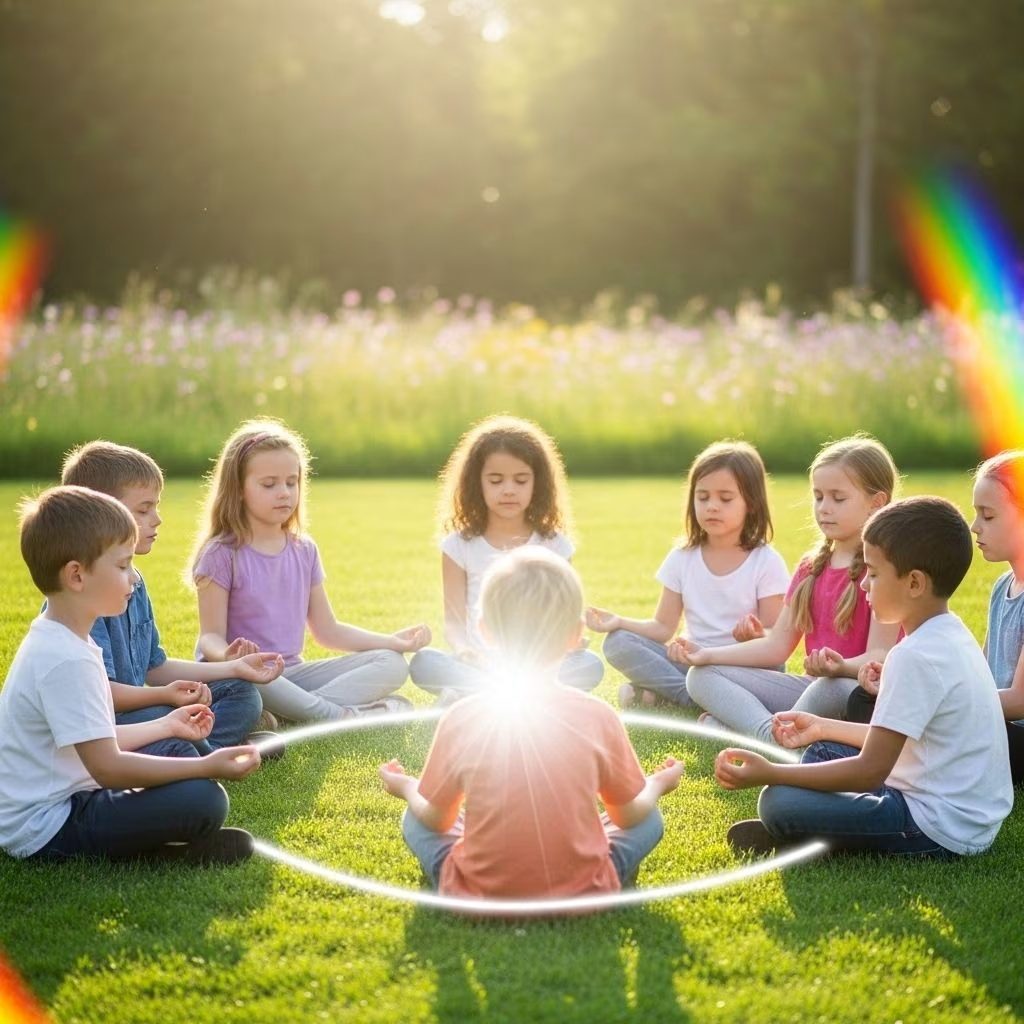
In an increasingly fast-paced world filled with digital distractions and mounting pressures, teaching children mindfulness has become more important than ever. Mindfulness—the practice of paying close attention to what’s happening inside and around us with kindness and curiosity—equips young minds with invaluable tools to foster self-esteem, manage stress, and effectively tackle life’s challenges. This comprehensive guide explores age-appropriate mindfulness practices that can help children develop emotional awareness, focus, and resilience from infancy through adolescence.
Understanding Mindfulness for Children
Mindfulness means paying close attention to what’s happening inside and around us, with kindness and curiosity. For children, it’s about helping them notice their breath, their bodies, and the world around them through play, movement, and connection. When parents and children are feeling big emotions, mindfulness offers a gentle pause that supports calm, connection, and emotional growth.
Mindfulness helps kids manage emotions, boost focus, and build lifelong resilience. Even small efforts can help children build a valuable skill for years to come. The key is introducing these practices in developmentally appropriate ways that feel natural and engaging rather than forced or overwhelming.
Mindfulness for Infants and Toddlers (Ages 0-2)
While formal mindfulness practice isn’t possible for infants, caregivers can create mindful moments that lay the foundation for emotional awareness and connection. These early experiences help babies feel safe, secure, and attuned to their bodies and surroundings.
Pleasure Gazing
Take a few minutes to notice all the details of your child’s beautiful face. This quiet practice gives caregivers and babies space to be present and focus together. During feeding, diaper changes, or quiet moments, maintain gentle eye contact and observe your baby’s expressions, breathing, and movements without distraction.
Gentle Touch and Body Awareness
During daily routines like bathing or dressing, narrate what you’re doing as you gently touch different parts of your baby’s body. This helps infants begin to develop body awareness and creates a soothing, present-focused experience. Use soft, descriptive language like “I’m washing your little feet” or “Here are your soft hands.”
Breathing with Baby
Hold your baby close to your chest and focus on synchronizing your breathing. Babies naturally attune to their caregiver’s physiological state, so practicing calm, deep breathing while holding your infant can help both of you regulate emotions and stress.
Mindfulness for Preschoolers (Ages 3-5)
Preschoolers are naturally curious and live very much in the present moment, making this an ideal time to introduce simple mindfulness concepts through play and imagination. Activities should be short, engaging, and connected to things children can directly experience.
Balloon Breath
Imagine a balloon above your head as you fill your lungs with air and slowly let it out. This teaches kids how their breath can calm their bodies and is a simple way to start explaining mindfulness to kids. Have children stand with arms at their sides, then slowly raise their arms overhead as they breathe in, imagining filling up a balloon, then lower their arms as they exhale.
Breathing with a Buddy
Place a stuffed animal on your child’s stomach and watch it rise and fall with each breath. This activity teaches belly breathing through play and is a gentle calming strategy for toddlers and preschoolers who respond to comfort and rhythm. Children can rock their stuffed animal to sleep with some gentle belly breathing.
Bubble Breathing
Blow bubbles and instruct children to take deep breaths as they watch the bubbles float away, linking breathing and mindfulness. This visual, interactive activity makes the abstract concept of breathing exercises concrete and fun for young children.
Sensory Exploration
Set up a sensory station with objects of different textures, colors, and scents. Encourage children to touch, smell, and describe each item mindfully. Use natural materials like smooth stones, soft feathers, rough bark, or fragrant herbs. Ask questions like “How does this feel?” or “What do you notice about this?”
Be Like Nature Meditation
Guided practices that draw on the elements of nature help preschoolers observe their experience and explore their strength within. Use imagery of being strong like a mountain, flexible like a tree in the wind, or flowing like water to help children connect with different qualities and sensations.
Mindfulness for Early Elementary (Ages 6-8)
Children in early elementary school have longer attention spans and can begin to understand the connection between thoughts, feelings, and behaviors. They can engage in slightly longer practices and benefit from activities that help them name and manage emotions.
Starfish Breathing
Help your child trace their hand as a guide to deep breathing. Children slowly trace up one finger while breathing in, then down while breathing out, continuing around all five fingers. This helps children slow their breath using their hands as a guide and provides a portable tool they can use anywhere.
Body Scan for Children
A body scan meditation helps children bring attention to the present moment—especially when emotions or thoughts are overwhelming. Start from the head and move down to the toes, asking children to notice any tension or discomfort in each part of the body. Focusing on larger body parts (head, arms, legs, chest, stomach) is easier for younger children until they become more aware with age.
Emotional Check-In with Colors
Use the Zones of Regulation, which associates colors with feelings, to help children check in with themselves and share how they feel. Green represents calm and happy, yellow indicates slightly agitated or stressed, red signifies intense emotions like anger or frustration, and blue represents sad or low energy. This framework gives children vocabulary and visual cues for identifying their emotional states.
Five Senses Exercise
This practice encourages kids to use sight, sound, touch, taste, and smell to explore their world. Ask children to identify five things they can see, four things they can touch, three things they can hear, two things they can smell, and one thing they can taste. It’s a great mindful minute for kids who need to reset and return to the present moment.
Calming Glitter Bottle
Create a glitter bottle by filling a clear container with water, glitter, and glue. When shaken, the swirling glitter represents turbulent emotions. As children watch the glitter slowly settle, they can practice waiting for their own emotional storm to pass. This offers a visual way to talk about feelings and the temporary nature of intense emotions.
Heartbeat Exercise
Have children place their hands on their chest and focus on the rhythm of their heartbeat. For added engagement, ask them to jump or run in place for 30 seconds, then return to stillness and notice how their heartbeat changes. This builds awareness of the mind-body connection.
Mindfulness for Tweens (Ages 9-12)
Pre-adolescents face increasing academic pressure, social complexity, and the beginnings of significant physical and emotional changes. Mindfulness practices for this age group should acknowledge these challenges while providing practical tools for stress management and emotional regulation.
Guided Meditation and Imagery
Short, guided mindful meditations can be engaging, especially those that use imagery or storytelling. Apps or online tools with kid-friendly visuals can help introduce mindful meditation. Describe calming scenes like a beach or forest, encouraging children to visualize it in detail. This activity can also help with relaxation before bed or during stressful times.
Journaling and Reflection
Introduce drawing or simple visual journaling as an age-appropriate way for kids to reflect on their thoughts and feelings. Tweens can write about their day, draw their emotions, or respond to prompts like “What made me feel grateful today?” or “What challenged me and how did I handle it?” This practice builds self-awareness and emotional processing skills.
Mindful Drawing and Coloring
Creative activities like drawing or coloring can ground children in the present and help them express thoughts and feelings without words. Provide intricate coloring pages or mandala templates and encourage children to color mindfully, paying attention to each stroke, the colors they choose, and the sensations of the activity.
Nature Walks with Intention
Take children outside for a nature walk and encourage them to notice the sounds, smells, and sights around them. Collect natural objects like leaves or pebbles for creating a mindful nature collage afterward. This combines physical activity with present-moment awareness and connection to the natural world.
Mindful Movement and Yoga
Teach simple yoga poses to help children connect their bodies and minds while promoting flexibility and balance. Focus on the sensations of stretching, breathing, and holding poses rather than perfection or competition. Practices like mindful walking, where children pay attention to each step and the feeling of their feet touching the ground, also build body awareness.
Co-Regulation Practices
When an adult participates in mindfulness with kids, it creates a shared experience that can be calming in itself. Phrasing it as “Would you like to do a breathing exercise together?” offers a collaborative approach that feels supportive rather thandirective. This is especially important as children approach adolescence and seek more autonomy.
Mindfulness for Teens (Ages 13-18)
Adolescents face unique challenges including academic stress, social pressures, identity formation, and significant neurological changes. Teens can practice mindfulness the same way as adults, though practices geared toward this age group often feature language that is more engaging to them and acknowledge their specific concerns.
Counting Breaths Meditation
An 8-minute practice that uses counting breaths to cultivate mindful awareness works well for older kids. Teens breathe naturally and count each exhale from one to ten, then start over. When their mind wanders—which it will—they simply notice without judgment and return to counting. This builds concentration and awareness of thought patterns.
STOP Practice
This acronym provides a quick mindfulness tool teens can use anywhere: Stop what you’re doing, Take a breath, Observe your thoughts, feelings, and body sensations, and Proceed with intention. This practice takes less than a minute but creates space between stimulus and response, helping teens make more conscious choices.
Mindful Technology Use
Rather than avoiding technology, teens can learn to use it mindfully. This includes practices like taking three conscious breaths before opening social media, setting intentional time limits, noticing physical sensations while using devices, and regularly asking “Is this serving me right now?” This builds awareness around digital habits without creating shame or resistance.
Loving-Kindness Meditation
This practice involves directing well-wishes toward oneself and others. Teens begin by offering phrases like “May I be happy, may I be healthy, may I be safe” to themselves, then extend these wishes to loved ones, neutral people, difficult people, and ultimately all beings. This cultivates self-compassion and empathy during a developmental period when social relationships are paramount.
Body Scan for Stress Relief
A more detailed body scan than what younger children practice, this involves systematically bringing attention to each body part, noticing tension, and consciously releasing it. This is particularly helpful for teens dealing with test anxiety, athletic performance pressure, or sleep difficulties.
Mindful Study and Work
Teach teens to bring mindfulness to academic work by focusing fully on one task at a time, taking mindful breaks every 25-30 minutes, and noticing when their mind wanders without self-criticism. This builds both focus and self-awareness while improving academic performance and reducing stress.
Creating a Mindfulness Practice at Home
Introducing mindfulness practices at home doesn’t have to be complicated or time-consuming. Even small efforts can help children build valuable skills. Here are strategies for making mindfulness a natural part of family life.
Start Small and Be Consistent
Begin with just 1-2 minutes of practice and gradually increase duration as children become more comfortable. Consistency matters more than length—practicing for 3 minutes daily is more beneficial than 20 minutes once a week. Attach mindfulness to existing routines like morning wake-up, before meals, or bedtime.
Model Mindfulness
Children learn more from what we do than what we say. When you practice mindfulness yourself, your children observe and internalize these behaviors. Share your own practice openly: “I’m feeling stressed, so I’m going to take some deep breaths” demonstrates that mindfulness is a practical tool for real-life challenges.
Make It Playful, Not Prescriptive
Mindfulness might not come naturally to kids right away if it’s not something they’re already learning elsewhere. Frame practices as games or adventures rather than obligations. Use creative names like “superhero breathing” or “detective game” (noticing details) to make activities more appealing, especially for younger children.
Offer Choice
Provide several mindfulness options and let children choose what appeals to them. Some kids respond to breathing exercises, others prefer movement, and some like creative activities. Honoring preferences increases engagement and teaches children to recognize what works for their unique needs.
Practice During Calm Times First
Teach mindfulness skills when everyone is regulated, not in the middle of a meltdown. Once children have practiced during calm moments, they’ll have an established skill to draw upon during difficult times. Think of it like learning to swim—you practice in calm water before attempting rough seas.
Create a Mindfulness Space
Designate a comfortable area in your home for mindfulness practice. This doesn’t need to be elaborate—a cushion in a quiet corner, a cozy chair, or even a special blanket can work. Having a consistent space helps signal to children’s brains that it’s time to shift into a calmer state.
Mindfulness Activities Comparison by Age
| Age Group | Attention Span | Best Activities | Key Benefits |
|---|---|---|---|
| 0-2 Years | Very Short | Pleasure gazing, gentle touch, breathing with caregiver | Bonding, security, early body awareness |
| 3-5 Years | 2-5 minutes | Balloon breath, bubble breathing, sensory exploration | Emotional vocabulary, calming skills, present-moment focus |
| 6-8 Years | 5-10 minutes | Starfish breathing, body scan, five senses, glitter bottle | Emotional regulation, self-awareness, stress management |
| 9-12 Years | 10-15 minutes | Guided meditation, journaling, yoga, nature walks | Stress relief, emotional processing, self-reflection |
| 13-18 Years | 15-20 minutes | Counting breaths, STOP practice, loving-kindness, body scan | Anxiety management, self-compassion, focus and concentration |
Benefits of Mindfulness for Children
Research consistently demonstrates that mindfulness practices offer numerous benefits for children’s physical, emotional, and cognitive development. Understanding these benefits can motivate both parents and children to maintain consistent practice.
Emotional Regulation
Mindfulness helps children recognize emotions as they arise and respond thoughtfully rather than react impulsively. By creating space between feeling and action, children develop greater control over their behavior and learn that emotions are temporary states rather than permanent conditions.
Improved Focus and Attention
Regular mindfulness practice strengthens the brain’s attention networks, helping children concentrate on tasks, follow instructions, and complete schoolwork more effectively. This is particularly valuable in an age of constant digital distractions.
Stress and Anxiety Reduction
Mindfulness activates the parasympathetic nervous system, which counteracts the stress response. Children who practice mindfulness regularly show lower levels of cortisol and report feeling less anxious about school, social situations, and other challenges.
Enhanced Self-Awareness
Through mindfulness, children develop metacognition—the ability to observe their own thoughts and feelings. This self-awareness forms the foundation for emotional intelligence and helps children understand their own needs, preferences, and triggers.
Better Sleep Quality
Mindfulness practices, particularly body scans and breathing exercises, help children transition from the day’s activities to restful sleep. Regular practice can reduce bedtime resistance and improve overall sleep quality.
Increased Resilience
By learning to sit with uncomfortable feelings and sensations during mindfulness practice, children build tolerance for distress and develop confidence in their ability to handle challenges. This resilience serves them throughout life.
Improved Social Skills
Mindfulness cultivates empathy, patience, and awareness of others’ perspectives. Children who practice mindfulness often demonstrate better conflict resolution skills and more positive peer relationships.
Overcoming Common Challenges
Even with the best intentions, parents may encounter obstacles when introducing mindfulness to children. Here are common challenges and practical solutions.
Resistance or Lack of Interest
If children resist mindfulness, examine your approach. Are you introducing it during a power struggle? Is the activity age-appropriate? Try different activities, make it more playful, or simply model the practice yourself without pressuring your child to join. Sometimes children need to observe before they’re ready to participate.
Difficulty Sitting Still
Not all mindfulness requires stillness. Active practices like mindful walking, yoga, or sensory activities work well for children who need movement. Even fidgeting can be mindful if children pay attention to the sensations and movements.
Short Attention Spans
Match practice length to your child’s developmental stage. A successful 30-second practice builds confidence and skills that enable longer practices over time. It’s better to end while children still want more than to push past their capacity and create negative associations.
Inconsistency
Life gets busy, and mindfulness practice often falls by the wayside. Instead of aiming for perfection, attach brief practices to existing routines. Three deep breaths before meals, a quick body scan at bedtime, or a five-senses check-in during car rides requires minimal time but maintains consistency.
Expecting Immediate Results
Mindfulness is a skill that develops gradually. Some benefits appear quickly, while others emerge over weeks or months of practice. Trust the process and focus on the practice itself rather than specific outcomes. Like learning an instrument, consistency and patience yield the greatest benefits.
Frequently Asked Questions
Q: At what age should I start teaching mindfulness to my child?
A: You can begin creating mindful moments with infants through practices like pleasure gazing and gentle touch. Formal mindfulness activities become appropriate around age 3-4, when children can follow simple instructions and have slightly longer attention spans. The key is adapting practices to your child’s developmental stage.
Q: How long should mindfulness practice last for children?
A: Practice duration should match children’s developmental stage and attention span. Preschoolers may practice for 2-5 minutes, early elementary children for 5-10 minutes, tweens for 10-15 minutes, and teens for 15-20 minutes. Starting shorter and building gradually is more effective than pushing children beyond their capacity.
Q: What if my child resists mindfulness activities?
A: Resistance is common and doesn’t mean mindfulness won’t work for your child. Try different approaches—make it more playful, offer choices, practice during calm times rather than meltdowns, or simply model mindfulness yourself without pressuring your child to join. Sometimes children need to observe before they’re ready to participate.
Q: Can mindfulness help with my child’s anxiety or behavioral issues?
A: Research shows mindfulness can significantly help with anxiety, stress, and emotional regulation challenges. However, mindfulness should complement—not replace—professional support when needed. If your child struggles with significant anxiety or behavioral concerns, consult with a mental health professional who can integrate mindfulness into a comprehensive treatment approach.
Q: Do I need special training to teach mindfulness to my child?
A: While professional training can be helpful, parents don’t need certification to introduce basic mindfulness practices at home. Start with simple activities, use available resources like guided meditations or apps, and practice alongside your child. Your authentic engagement matters more than perfect technique. If you want deeper knowledge, many communities offer mindfulness courses for parents and families.
Q: How can I make mindfulness part of our daily routine without adding stress?
A: Integrate mindfulness into existing routines rather than adding new obligations. Practice three deep breaths before meals, do a brief body scan at bedtime, or engage in a five-senses exercise during car rides. Even 1-2 minutes of daily practice builds skills over time. Focus on consistency rather than duration, and remember that some practice is always better than none.
Q: What’s the difference between mindfulness and meditation for children?
A: Meditation is a formal practice of training attention and awareness, while mindfulness is a broader concept of present-moment awareness that can be applied to any activity. For children, mindfulness might include eating a snack slowly and noticing flavors, feeling their feet on the ground while walking, or paying attention to breath. Meditation is one tool for developing mindfulness, but not the only one.
References
- https://www.lyrahealth.com/blog/mindfulness-for-kids/
- https://www.zerotothree.org/resource/mindfulness-practices-for-families/
- https://mybrightwheel.com/blog/mindfulness-for-kids
- https://www.mindful.org/mindfulness-for-kids/
- https://positivepsychology.com/mindfulness-for-children-kids-activities/
- https://www.waterford.org/resources/mindfulnes-activities-for-kids/
- https://www.luriechildrens.org/en/blog/ight-mindfulness-activities-to-try-at-home-with-kids/
- https://www.therapistaid.com/therapy-worksheet/mindfulness-for-children
- https://pmpediatriccare.com/blog/mindfulness-techniques-for-all-ages-a-guide-to-incorporating-wellness-into-daily-life/


