


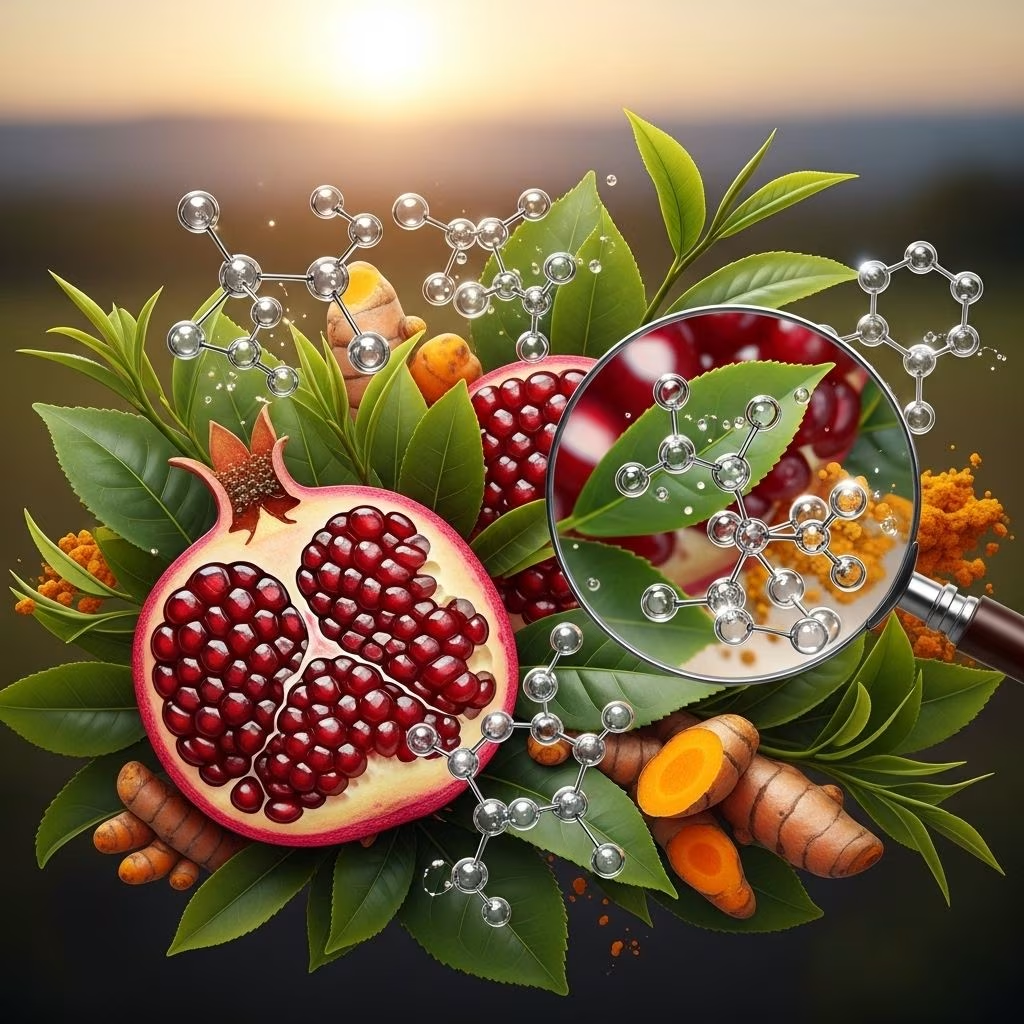
While sunscreen remains the cornerstone of skin cancer prevention, emerging research reveals that numerous active ingredients can enhance photoprotection and reduce the risk of skin cancer development. These compounds work through various mechanisms including antioxidant activity, DNA repair, and anti-inflammatory properties to provide comprehensive defense against ultraviolet radiation damage.
Understanding the Limitations of SPF Alone
Traditional sunscreen products rely primarily on their Sun Protection Factor rating to indicate effectiveness against ultraviolet B radiation. However, SPF alone does not tell the complete story of skin cancer prevention. Regular sunscreen use has been shown to reduce melanoma risk by 50 percent and squamous cell carcinoma by 40 percent, yet gaps in protection remain. Most individuals apply insufficient amounts of sunscreen, reapply infrequently, and miss certain areas of exposed skin. Additionally, sunscreen effectiveness depends on proper application every two hours, which proves challenging for many people to maintain consistently throughout the day.
The FDA has recently proposed regulatory changes that classify only zinc oxide and titanium dioxide as generally recognized as safe and effective sunscreen ingredients, while insufficient data exists for twelve other common ingredients. This regulatory uncertainty highlights the importance of exploring complementary approaches to photoprotection that work synergistically with traditional sunscreen formulations.
Antioxidants: The First Line of Cellular Defense
Ultraviolet radiation generates reactive oxygen species within skin cells, leading to oxidative stress that damages DNA, proteins, and lipids. Antioxidants neutralize these harmful molecules before they can cause cellular damage, providing an essential layer of protection beyond physical UV blocking.
Vitamin E: Multifaceted Photoprotection
Vitamin E functions through both antioxidant mechanisms and UV-absorptive properties to protect against photodamage. This fat-soluble vitamin scavenges free radicals generated by ultraviolet exposure while also absorbing certain wavelengths of UV radiation. When incorporated into topical formulations, vitamin E helps reduce inflammation, prevent DNA damage, and support skin barrier function. However, the stability of vitamin E in sunscreen products remains a concern, as it degrades with light exposure and may lose effectiveness over time.
Vitamin C: Brightening and Protecting
Ascorbic acid and its derivatives offer potent antioxidant protection against UV-induced oxidative stress. Vitamin C neutralizes free radicals, reduces inflammation, and promotes collagen synthesis to repair photodamaged skin. While commonly added to sunscreen formulations, vitamin C suffers from stability issues that limit its effectiveness when it penetrates the skin. Advanced delivery systems and stabilized derivatives help address these limitations.
Niacinamide: The Versatile Protector
This vitamin B3 derivative provides multiple photoprotective benefits including antioxidant activity, enhancement of skin barrier function, and reduction of inflammation. Niacinamide increases ceramide production in the stratum corneum, strengthening the skin’s natural defense against environmental stressors. Its stability in topical formulations makes it an attractive addition to sun protection products.
Botanical Extracts: Nature’s Photoprotective Arsenal
Plant-derived compounds have evolved sophisticated mechanisms to protect against UV radiation damage, and many of these protective properties translate to human skin applications.
Green Tea Extract: Polyphenol Power
Green tea contains high concentrations of polyphenolic compounds, particularly epigallocatechin gallate, which demonstrate significant photoprotective activity. These compounds scavenge free radicals, reduce inflammation, and inhibit UV-induced DNA damage. Clinical studies show that green tea extract reduces sunburn intensity and improves signs of photodamage in humans, though additional large-scale trials are needed to establish optimal dosing and formulation strategies.
Grape Seed Extract: Proanthocyanidin Protection
Grape seed extract and its active compounds, proanthocyanidins, offer remarkable protective effects against UV-induced skin damage. Research demonstrates that grape seed extract reduces UV-induced carcinogenesis in animal models while providing protective effects against UV-induced cell damage in human fibroblast cells. Topical application of grape seed extract improves skin elasticity, moisture content, and smoothness while addressing age-related changes. A study of 20 female volunteers showed significant improvements in skin pH, elasticity, and moisture compared to placebo. Few side effects exist beyond rare, mild skin irritation, making grape seed extract an attractive option for integration into photoprotective formulations.
Polypodium Leucotomos Extract: Fern-Derived Defense
This extract derived from a South American fern species demonstrates impressive photoprotective properties in both oral and topical applications. Polypodium leucotomos extract reduces sunburn intensity, improves signs of photodamage, and provides antioxidant benefits. While data remains limited, existing research supports its role as a complementary photoprotective agent.
Flavonoids and Isoflavones: Targeted Photoprotection
Genistein: Soy-Derived Skin Guardian
This flavone derived from soy-based foods, oregano, and sage exhibits extensive health benefits including anti-cancer, anti-inflammatory, and antioxidant effects. Animal studies demonstrate that both topically applied and orally supplemented genistein inhibits UVB-induced skin cancers in a dose-dependent manner up to greater than 90 percent. Additional research confirms photoprotective properties in mice, with one study showing reduction in UVB-induced skin damage in human skin treated with topical genistein. However, concerns exist regarding genistein’s ability to bind estrogen receptors, potentially promoting growth of certain breast tissue and breast cancers. Individuals with breast cancer should avoid genistein-containing products. While topical formulations are available over the counter, established recommendations await completion of long-term human trials.
Silymarin: Milk Thistle Medicine
This flavonoid isolated from milk thistle seeds has been used as an herbal remedy for centuries. Modern research reveals significant anticarcinogenic properties and intrinsic antioxidant activity. Studies using mouse models establish that silibin, a water-soluble form of silymarin, provides protective effects through antioxidant properties and activation of p53, a tumor suppressor and cell-cycle regulator. Research demonstrates significant reductions in photodamage, tumor number, and multiplicity in mice treated with topical silibin. Additional studies confirm dose-dependent protective effects with reductions of up to 96 percent in tumor volume and 74 percent in tumor incidence in treated animals. Many reports, including literature reviews and meta-analyses, suggest potential use in preventing non-melanoma skin cancers. However, no significant human trials have been conducted, and no established recommendations exist. Currently available over the counter, silymarin may benefit from trials evaluating its integration into sunscreen formulations.
Carotenoids: Colorful Protection
These pigmented compounds found in fruits and vegetables offer photoprotective benefits through multiple mechanisms including light absorption, antioxidant activity, and anti-inflammatory effects.
Beta-Carotene
This orange-red pigment functions as both an antioxidant and a light-filtering compound. Beta-carotene quenches singlet oxygen, neutralizes free radicals, and reduces UV-induced inflammation. While primarily studied in oral supplementation, topical applications show promise for enhancing photoprotection.
Lycopene
Found abundantly in tomatoes, lycopene demonstrates potent antioxidant activity and photoprotective properties. This carotenoid reduces sunburn intensity and protects against UV-induced cellular damage through free radical scavenging and modulation of inflammatory pathways.
Lutein
This yellow pigment naturally present in human skin provides photoprotection through light filtration and antioxidant mechanisms. Lutein accumulates in skin tissues and helps defend against both visible and ultraviolet radiation damage.
Coffee: An Unexpected Ally
Coffee ranks among the world’s most popular beverages, and emerging evidence supports various health benefits related to sun protection and skin cancer prevention. A Norwegian study examining 16,555 individuals found that coffee consumption was strongly associated with lower incidence of non-melanoma skin cancers. While these associations have not been fully characterized, the polyphenolic compounds and caffeine in coffee may contribute to photoprotective effects through antioxidant activity and enhancement of DNA repair mechanisms.
Innovation in Photoprotection: Future Directions
Probiotic Sunscreen Platforms
Cutting-edge research explores engineering photoresponsive probiotic sunscreen platforms using non-pathogenic Staphylococcus epidermidis bacteria. These engineered bacteria would synthesize mycosporine-like amino acids, compounds naturally produced in marine cyanobacteria that possess superior sunlight-filtering properties. This innovative approach envisions bacteria serving as living skin-protective factories on the skin surface, constantly generating UV-protecting compounds to provide both short-term and long-term protection. Such probiotic products would also be biodegradable, addressing environmental concerns associated with traditional sunscreen ingredients.
Enhanced Delivery Systems
The effectiveness of many active ingredients depends on their ability to penetrate the skin barrier and remain stable in formulations. Advanced delivery technologies including nanoencapsulation, liposomes, and microsphere systems improve the bioavailability and stability of photoprotective compounds. These innovations help overcome limitations related to ingredient degradation and poor skin penetration.
Formulation Considerations and Safety
The FDA has proposed that sunscreen dosage forms classified as generally recognized as safe and effective include oils, lotions, creams, gels, butters, pastes, ointments, and sticks. Wipes, towelettes, body washes, and shampoos are excluded due to lack of data. Sprays and powders require additional testing due to safety concerns. Sunscreen sprays are flammable, with burns requiring hospitalization reported in some cases. Based on animal models, small particles in sprays and powders could pose inhalation risks.
Environmental considerations also influence formulation decisions. Organic sunscreen ingredients like oxybenzone and octinoxate have been removed from many products because they may be harmful to aquatic ecosystems. This shift toward reef-safe formulations encourages the development of mineral-based sunscreens and alternative active ingredients with reduced environmental impact.
Comprehensive Sun Protection Strategy
Optimal skin cancer prevention requires a multi-faceted approach that extends beyond any single product or ingredient. A comprehensive strategy includes:
Physical Protection: Wearing protective clothing, wide-brimmed hats, and UV-blocking sunglasses provides the most reliable defense against UV radiation. Seeking shade during peak sun hours between 10 AM and 4 PM significantly reduces exposure.
Broad-Spectrum Sunscreen: Daily application of broad-spectrum sunscreen with SPF 15 or higher that protects against both UVA and UVB radiation remains essential. Products containing zinc oxide or titanium dioxide offer physical blocking combined with safety profiles that make them suitable for sensitive skin.
Antioxidant Support: Incorporating topical antioxidants through serums, moisturizers, and enhanced sunscreen formulations provides additional cellular protection against oxidative damage. Layering antioxidant products beneath sunscreen may enhance overall photoprotection.
Oral Supplementation: Certain compounds including polyphenols, carotenoids, and vitamins may offer systemic photoprotection when consumed regularly. However, oral supplements should complement rather than replace topical sun protection measures.
Consistent Application: Even the most advanced formulations fail without proper application. Using approximately one ounce of sunscreen to cover the entire body, applying products 15-30 minutes before sun exposure, and reapplying every two hours or after swimming ensures adequate protection.
Clinical Evidence and Research Gaps
While numerous active ingredients demonstrate photoprotective properties in laboratory studies and animal models, translation to human clinical applications requires rigorous evaluation. Many promising compounds lack large-scale human trials to establish optimal dosing, formulation strategies, and long-term safety profiles. The dermatologic community emphasizes the need for well-designed clinical studies that evaluate both individual ingredients and synergistic combinations.
Researchers must address several key questions: What concentrations of active ingredients provide clinically meaningful benefits? How do different delivery systems affect ingredient stability and bioavailability? What interactions occur when multiple photoprotective compounds are combined? How do these ingredients perform across diverse skin types and tones? Answering these questions will guide evidence-based recommendations for integrating advanced actives into comprehensive sun protection regimens.
Personalized Photoprotection
Individual factors including skin type, photosensitivity, geographical location, outdoor activity levels, and personal health history influence optimal sun protection strategies. Fair-skinned individuals with limited melanin production require more aggressive photoprotection than those with darker skin tones. People with personal or family histories of skin cancer benefit from enhanced surveillance and comprehensive prevention measures. Those taking photosensitizing medications need extra precautions to avoid adverse reactions.
Dermatologists can provide personalized recommendations that account for individual risk factors and preferences. Professional skin examinations allow early detection of suspicious lesions while enabling tailored prevention counseling. Emerging technologies including genetic testing for skin cancer susceptibility genes may further refine personalized prevention strategies in the future.
Frequently Asked Questions
Q: Can active ingredients replace traditional sunscreen?
A: No, active ingredients should complement rather than replace traditional sunscreen. While compounds like antioxidants and botanical extracts provide additional photoprotection, they do not offer the same level of UV blocking as physical and chemical sunscreen filters. A comprehensive approach combining broad-spectrum sunscreen with supportive active ingredients provides optimal protection.
Q: Are natural botanical extracts safer than synthetic ingredients?
A: Natural does not automatically mean safer. While many botanical extracts demonstrate excellent safety profiles, some may cause allergic reactions or interactions with medications. Synthetic ingredients undergo rigorous testing and often have well-established safety data. Both natural and synthetic compounds should be evaluated based on scientific evidence rather than origin.
Q: How long do photoprotective active ingredients remain effective on the skin?
A: The duration of effectiveness varies by ingredient, formulation, and environmental conditions. Most topical antioxidants require reapplication throughout the day similar to sunscreen. Stability issues affect many active ingredients, with degradation occurring from light exposure, heat, and oxidation. Products should be stored properly and used within recommended timeframes.
Q: Can oral supplements provide adequate photoprotection?
A: Oral supplements containing antioxidants, polyphenols, and other photoprotective compounds may enhance systemic defense against UV damage, but they cannot replace topical sun protection. Supplements work best as part of a comprehensive strategy that includes sunscreen, protective clothing, and shade-seeking behavior.
Q: What concentration of active ingredients should I look for in photoprotective products?
A: Optimal concentrations vary by ingredient and have not been established for many compounds due to limited human studies. Look for products from reputable manufacturers that provide concentration information and cite supporting research. Consulting with a dermatologist can help identify evidence-based products appropriate for individual needs.
Q: Are there any active ingredients that should be avoided?
A: Some individuals should avoid specific ingredients based on personal health factors. For example, people with breast cancer should avoid genistein due to its estrogen receptor binding properties. Those with sensitive skin may react to certain botanical extracts. Always review ingredient lists carefully and consult healthcare providers about potential contraindications.
Conclusion
The future of skin cancer prevention extends far beyond traditional SPF ratings to encompass a diverse array of active ingredients that provide multilayered photoprotection. Antioxidants like vitamins E and C neutralize free radicals generated by UV exposure. Botanical extracts including green tea, grape seed, and Polypodium leucotomos offer plant-derived defense mechanisms. Flavonoids such as genistein and silymarin demonstrate impressive cancer-preventive properties in animal models. Carotenoids provide both light filtration and antioxidant benefits. Even common beverages like coffee may contribute to reduced skin cancer risk.
While many of these compounds show tremendous promise, gaps in clinical evidence necessitate continued research to establish optimal applications and safety profiles. The development of innovative delivery systems and novel approaches like probiotic sunscreen platforms points toward exciting advances in photoprotection technology. Meanwhile, individuals can benefit from incorporating well-studied active ingredients into comprehensive sun protection regimens that emphasize consistent sunscreen use, protective clothing, and regular dermatologic surveillance.
As our understanding of photoprotective mechanisms deepens and new active ingredients emerge, the paradigm of skin cancer prevention continues to evolve. By embracing evidence-based innovations while maintaining core sun protection principles, we can work toward reducing the burden of skin cancer and promoting long-term skin health for all individuals.
References
- https://jintegrativederm.org/doi/10.64550/joid.rt12fj47
- https://secure.medicalletter.org/TML-article-1731a
- https://cdmrp.health.mil/mrp/research_highlights/22Ito_Kotagiria_Yu_highlight
- https://www.brighamandwomensfaulkner.org/about-bwfh/news/whats-new-in-skin-cancer-prevention
- https://dailymed.nlm.nih.gov/dailymed/drugInfo.cfm?setid=eb8c999d-4ff7-7844-e053-2995a90aaea5
- https://hsph.harvard.edu/news/skin-cancer-prevention-expert-on-the-importance-of-sunscreen/
- https://pmc.ncbi.nlm.nih.gov/articles/PMC12288563/
- https://www.skincancer.org/blog/sunscreen-safety/
- https://www.northshorederm.com/the-importance-of-sunscreen-and-raising-awareness-during-skin-cancer-awareness-month
- https://www.aad.org/media/stats-sunscreen


