


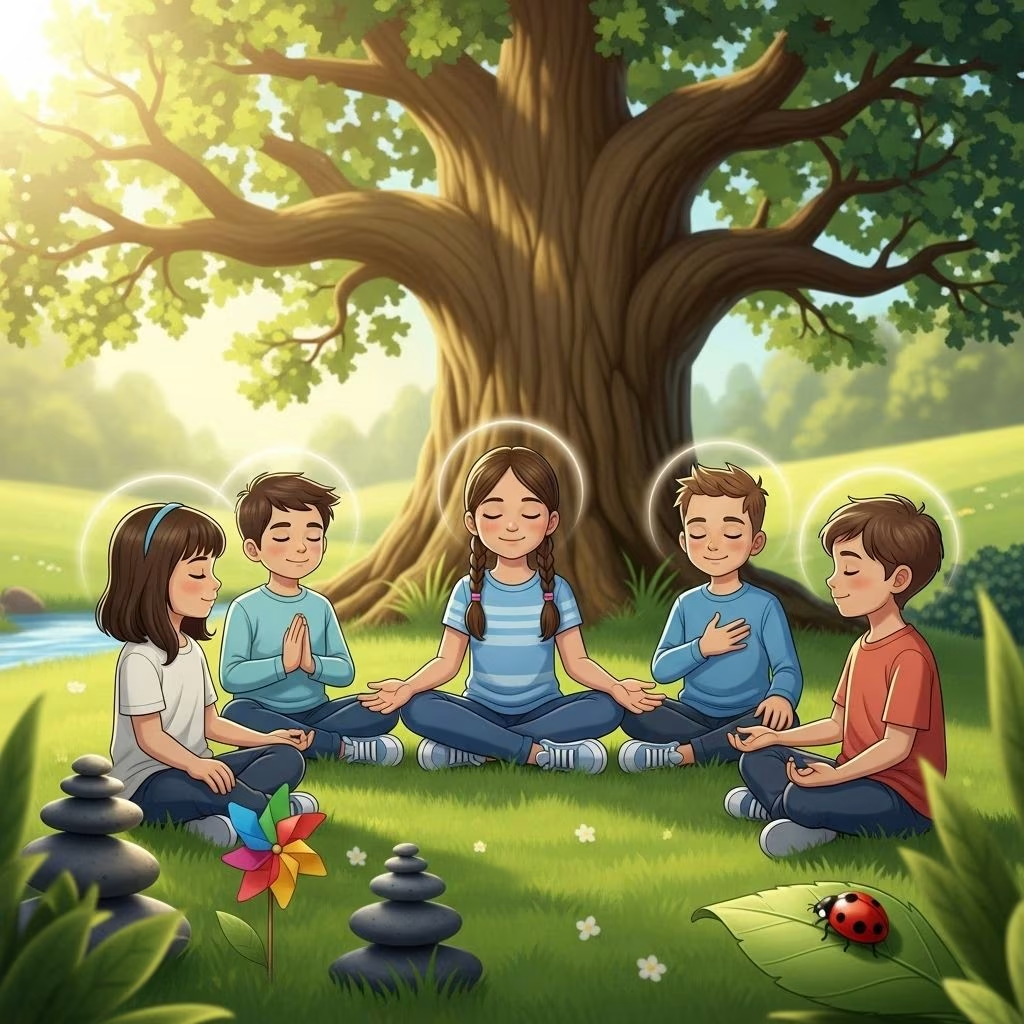
Anger is a normal emotion that everyone experiences—but for children, learning to understand, express, and manage anger is an essential skill for healthy development. With the rise of emotional challenges among kids, parents, educators, and caregivers are seeking practical strategies rooted in mindfulness to help children develop resilience and self-regulation. This comprehensive guide explores mindfulness-based anger management tools, practical activities, and effective approaches designed to empower kids to process their feelings and communicate them constructively.
Understanding Anger in Kids
Anger is a complex emotional response that often signals deeper feelings such as frustration, disappointment, embarrassment, or even anxiety. For children, the ability to recognize and manage anger is not innate but develops gradually with effective guidance and support.
Some common signs of anger in kids include:
- Irritability or tantrums
- Shouting or aggressive behavior
- Withdrawal or sulking
- Physical symptoms like clenched fists or tense muscles
Left unaddressed, persistent anger can impact relationships, self-esteem, and academic success. Therefore, teaching children healthy anger management tools lays the foundation for their overall well-being and resilience.
The Role of Mindfulness in Anger Management
Mindfulness is the practice of paying attention to the present moment with openness, curiosity, and acceptance. When applied to anger management, it empowers children to notice their emotions, reflect without judgment, and choose appropriate responses instead of reacting impulsively.
Benefits of Mindfulness for Anger Management in Kids:
- Improves emotional awareness and vocabulary
- Reduces impulsive reactions
- Helps recognize the transitory nature of feelings
- Cultivates self-control and calmness
- Encourages compassion and empathy for self and others
Regular mindfulness practices help children develop a “pause button,” offering a buffer that allows space between feeling angry and acting on that anger.
Core Mindfulness Tools for Anger Management
Implementing mindfulness-based tools equips children with accessible ways to notice, express, and manage anger. The following are evidence-based and widely recommended tools and strategies:
1. Guided Meditation and Breathing Exercises
Guided meditations designed for children use visualization and body scanning (noticing sensations in the body) to promote relaxation. These can be as brief as a few minutes and help children focus their attention inward, slowing down angry impulses.
- Deep belly breaths (inhale for 4 counts, exhale for 6 counts)
- Blowing bubbles or using pinwheels to encourage slow, mindful breaths
- Imagining anger as a wave that rises and falls or as a dragon that can be soothed
2. Emotional Thermometers and Feelings Charts
Visual tools like emotional thermometers allow kids to identify where they are on the “anger scale.” Children can move a marker or point to their current feeling, making it easier to recognize escalating emotions before an outburst occurs.
- Printable thermometers with color zones (calm, irritated, angry, furious)
- Feelings wheels or emotion faces to help with labeling emotions
3. Mindful Body Mapping
Body mapping encourages kids to draw where they feel certain emotions in their body (tight fists, hot cheeks, knot in the stomach, etc.). This builds interoception—awareness of internal signals—and helps children recognize early signs of anger.
4. Communication Skills: “I Feel, I Need” Statements
Teaching children to express themselves with “I feel, I need” statements (“I feel angry. I need a break.”) helps them articulate their emotions and request support without aggression. This approach promotes assertiveness and emotional intelligence.
Children can also express their feelings through drawing, journals, or other creative forms when verbal language is challenging.
5. Calm-Down Areas and Sensory Tools
A calm-down area is a designated safe space at home or school where children can retreat to use coping strategies and regain composure. Equip this space with:
- Soft seating (bean bags or cushions)
- Fidgets, sensory balls, or breathing spheres
- Coloring books, sand timers, or picture books
The goal is to help children self-soothe and then return to learning or play when they’re ready.
6. Positive Affirmations and Gratitude Practices
Encouraging kids to repeat positive affirmations (“I can handle big feelings” or “I am calm and strong”) and reflect on things they are grateful for resets the mind and helps shift focus away from anger triggers.
Creative and Interactive Activities for Emotional Awareness
1. Fishing for Feelings Game
This hands-on activity involves creating “emotion fish” with labels like “frustrated,” “sad,” or “excited.” Kids “go fishing” and discuss times they’ve felt multiple emotions at once, building emotional literacy and acceptance of complex feelings.
2. Conversation Cards and Role-Play
Conversation cards offer prompts about what makes kids angry and how to respond in healthy ways. Some cards might include silly challenges to keep things fun and reduce defensiveness.
Role-playing real-life anger scenarios lets children practice making choices and using coping strategies in a safe environment, reinforcing skills they’ve learned.
3. Biofeedback and Gamified Tools
Certain programs use biofeedback games (e.g., Mightier) that help children monitor physical signs of anger and practice calming techniques in an interactive, playful format. These tools provide immediate feedback, improving emotional regulation over time.
4. Mindful Coloring and Art Activities
Coloring intricate patterns, mandalas, or drawing ‘anger monsters’ allows children to focus attention, express feelings creatively, and relax their minds and bodies.
5. Physical Activities
Engaging in safe, vigorous activities—jumping, running, or yoga—helps release pent-up energy and provides a physical outlet for anger. Movement encourages endorphin production and mood regulation.
Building Mindful Environments and Daily Routines
Creating a supportive, mindful environment makes it easier for children to practice anger management consistently. Consider the following strategies:
- Model calm responses during moments of conflict. Children often imitate adult behaviors.
- Set clear expectations about expressing anger respectfully, while explaining that all emotions are valid.
- Encourage predictable routines with regular sleep, nutrition, and downtime to support emotional balance.
- Use gentle reminders (calm-down visuals, stress balls, or timers) to help kids remember their coping strategies.
- Celebrate progress by acknowledging successful use of anger management tools, even for small steps.
Adaptations for Different Age Groups
| Age Group | Recommended Tools & Strategies |
|---|---|
| Preschoolers (3–5) |
|
| Elementary (6–11) |
|
| Teens (12+) |
|
Supporting Parents and Teachers
Caregivers and educators play a vital role in fostering children’s growth in mindfulness and anger management. Effective strategies include:
- Open Communication: Listen to children’s experiences and validate their emotions without judgment.
- Proactive Discussions: Talk about anger management tools before anger escalates, making resources familiar and accessible.
- Consistency and Patience: Recognize that building new emotional habits takes practice and encouragement—every step forward matters.
- Collaboration: Work together with children to identify the strategies that work best for them, understanding that each child is unique.
- Self-Care: Support your own emotional well-being to model healthy coping for children.
Engage in joint activities like family mindfulness practice, gratitude jars, or storytime focused on emotional literacy to strengthen connection and enhance children’s coping toolkits.
Frequently Asked Questions (FAQs)
Q: Is it normal for children to feel angry?
A: Yes, anger is a normal, healthy emotion for children and signal when something feels unfair, frustrating, or out of control. The key is helping kids learn how to recognize, express, and manage anger constructively.
Q: What are quick anger management techniques I can teach my child?
A: Deep breathing (blowing up a pretend balloon), taking a break in a calm-down area, labeling the emotion, and using “I feel, I need” statements are quick, effective tools for many situations.
Q: Can mindfulness really help kids with anger?
A: Studies show that regular mindfulness practice reduces reactivity, strengthens emotion regulation, and helps kids pause before acting on angry impulses.
Q: What if my child doesn’t want to talk about their anger?
A: Try alternative expression: drawing, acting out feelings with toys, or using journals and feelings charts. The goal is to help children process anger in a way that feels safe and manageable for them.
Q: How can I tell if my child needs more help with anger?
A: If anger leads to destructive behavior or affects friendships, school, or family life, consider seeking support from mental health professionals. Early intervention can prevent patterns from becoming entrenched.
Conclusion
Mindfulness-based anger management tools help children build crucial skills for handling big emotions with confidence, compassion, and control. With creative activities, supportive routines, and strong adult guidance, kids can transform anger into an opportunity for growth and self-understanding. By integrating these practices into daily life, families and classrooms nurture happier, more resilient children ready to face life’s challenges with calm and clarity.
References
- https://www.mightier.com/resources/7-effective-anger-management-activities-for-kids/
- https://www.thepathway2success.com/15-proactive-anger-management-strategies-for-children-and-teens/
- https://mindfulness.com/mindful-living/mindfulness-anger
- https://www.handspringhealth.com/post/anger-management-kids
- https://copingskillsforkids.com/managing-anger
- https://www.youtube.com/watch?v=lxxpDF45TPA
- https://mentalhealthcenterkids.com/blogs/articles/anger-management-for-kids
- https://www.therapistaid.com/therapy-worksheets/anger/children
- https://insighttimer.com/littlemindfuls/guided-meditations/kids-meditation-angry-dragon


