


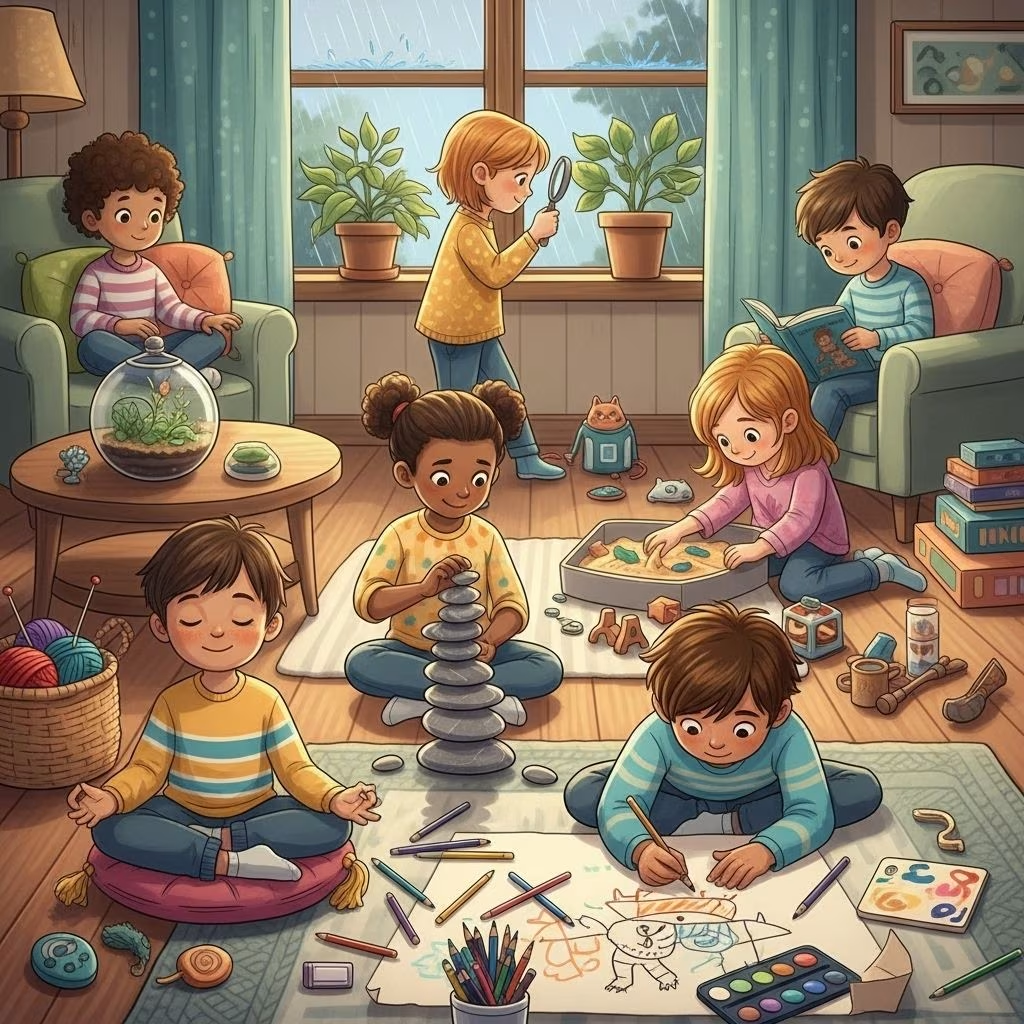
When rain keeps your family indoors, it’s the perfect opportunity to introduce children to mindfulness. Beyond simply occupying time, screen-free, mindful activities offer both fun and lifelong tools for emotional wellbeing. With gentle creativity and a few household supplies, you can turn stormy afternoons into memories of connection and discovery.
Why Mindfulness Matters for Kids
Mindfulness involves paying attention to the present moment with curiosity and kindness. For children, learning mindfulness practices supports:
- Emotional self-regulation—Recognizing and managing feelings
- Stress reduction—Lowering anxiety through awareness and calm
- Improved focus—Sustaining attention on tasks
- Empathy and compassion—Noticing and understanding others’ emotions
- Resilience—Responding thoughtfully instead of reacting impulsively
Introducing mindfulness early builds lifelong well-being and coping skills—especially important in our fast-paced, high-stimulation world.
Why Rainy Days Are Perfect for Mindfulness
Rainy days naturally prompt children to slow down and tune into their senses. The cozy, dimmed light and rhythmic sound of rain form a soothing backdrop for reflection. Specific benefits include:
- Ambient noise: The gentle pitter-patter of rain calms nervous systems and encourages mindful listening.
- Sensory experiences: The scent of wet earth (petrichor), sight of raindrops sliding down glass, and the feeling of a soft blanket activate the senses, key to mindfulness.
- Less outdoor rush: With typical routines paused, there’s space to explore quieter activities that may get overlooked on busy days.
Core Mindfulness Activities for Rainy Days
Here are foundational, screen-free mindfulness practices you can try indoors. These require only simple preparation but nurture deep calm and focus.
1. Rain Listening Meditation
Invite your child to sit by the window or anywhere they can hear the rain. Ask them to close their eyes and listen carefully. Prompt them with questions:
- How many different sounds can you notice?
- Can you hear the wind, or birds along with the rain?
- Does the rain get louder or softer?
After two to five minutes, discuss—or just let them enjoy the peace they feel.
2. Breathing with a Soft Toy
Help your child lie on their back and put a favorite plush toy on their belly. Guide them to watch the toy rise and fall with each breath. This visual cue helps young children pay attention to their breathing, an instant calm-down tool.
3. Body Scan Relaxation
Guide your child through a gentle body scan:
- “Can you feel your toes? Your feet? Legs?” Move slowly up to the top of the head.
- For extra fun, use a human body puzzle or draw ‘where you feel calm’ on a paper outline of a body.
This practice builds awareness of physical sensations and tension, nurturing relaxation and internal focus.
4. Gratitude Jar
Give your child a small jar and colorful paper slips. Each day or whenever the mood strikes, they write or draw something they’re grateful for and put it in the jar. Over time, the collection becomes a treasure trove of positive memories and emotions.
5. Mindful Coloring
Offer coloring books, mandalas, or blank paper and crayons. Encourage children to color slowly, paying attention to each color and sensation. Ask questions like, “How do you feel when you use blue? How do the colors blend?” Mindful coloring soothes the mind and nurtures creative expression.
6. Nature Observation (Through the Window)
Invite your child to gaze out the window and name what they notice—colors in the sky, raindrops sliding down, leaves swaying, puddles forming. Name textures, sounds, and even smells when the window is opened safely. Observing without judgment is core to mindfulness and breeds curiosity.
Creative and Quiet Screen-Free Activities
Not all mindfulness needs to be meditative; many tactile, creative activities foster mindful engagement and reflection.
1. Homemade Greeting Cards
Set out craft supplies: colored paper, watercolors, crayons, safety scissors, glue. Encourage children to make and mail cards to friends or family members. The act of focusing on the creative process and the intention behind each card supports mindful, purposeful engagement.
2. Nature Journal
Even when stuck indoors, children can keep a nature journal. Ask them to draw or write about:
- What they spot outside the window
- Observations about rain, clouds, or animals they see
- How the weather makes them feel
This simple daily habit builds observation skills and memory while anchoring them in the present.
3. DIY Crafts and Sensory Play
- Candle-making (with supervision), clay sculpting, or simple origami
- Building a fort from blankets and pillows
- Playing with Play-Doh or kinetic sand for soothing sensory input
Such hands-on activities keep children’s attention in the now and provide feedback through touch, sight, and movement.
4. Jigsaw Puzzles and Board Games
Puzzles and classic board games foster focus, patience, and enjoyment of process over outcome. Letting kids work out puzzles on their own or with others promotes collaboration and mindful teamwork.
Movement-Based and Playful Mindfulness
For wiggly children, movement can be a path to calm and presence.
1. Walking Meditation Indoors
Ask your child to walk slowly around the room, paying attention to every step and how their feet touch the floor. Name aloud what they notice—the feeling underfoot, their arms swinging, breathing, balance. Walking meditation combines movement with awareness, channeling energy productively.
2. Sound Safari
Set a timer for one minute. Children sit quietly and count all the distinct sounds they hear: rain, clock ticking, distant voices, pets. Afterward, share their lists and discuss differences. This game builds listening skills and present-moment anchoring.
3. Eye Contact Challenge
Pair children (or parent and child). Silently look into each other’s eyes for 15-30 seconds. Giggles are encouraged! Afterward, discuss what it felt like. This activity cultivates empathy and self-awareness.
4. Weather Circle & Feelings Check-In
In a circle, each child shares their ‘internal weather’ (sunny, cloudy, rainy, thunderstorm, rainbow, etc.) to describe their mood. Allow free expression—there are no right or wrong feelings, and no pressure to explain. This supports emotional literacy and inclusion.
5. Breath Relay
Kids sit in a circle and take turns tracing shapes in the air with their breath—such as drawing a heart or a square. The group then copies the shape, focusing on their breathing. Switch leaders after each round to build confidence and leadership skills.
Family and Group Mindfulness Practices
Mindfulness is more powerful (and fun) when practiced together:
- Group Gratitude Sharing: Each family member shares something good about the day or something they’re thankful for. Create a combined gratitude poster or wall.
- Guided Relaxation: Lead everyone through a short, scripted body relaxation (plenty are available for free online or in mindfulness books for kids).
- Storytelling Circles: Sit in a circle and have each child contribute one sentence to a group story. Focus the story on calming settings: ‘In a peaceful forest…’, ‘On a gentle riverbank…’, etc.
- Cooking or Baking Together: Mindfully prepare a simple recipe, focusing on smells, colors, and each step. Encourage tasting, sharing, and gratitude for food and helpers.
- Family Yoga or Stretching: Try gentle stretches or yoga poses together, focusing on how the body feels and moves (there are many kid-friendly beginner yoga sequences you can follow without a screen).
Practical Tips for Screen-Free Success
- Set expectations: Let kids know how long each activity will last. Short bursts (5–15 minutes) work best for young children.
- Model participation: Join in the activity, showing you value mindful moments too.
- Embrace imperfection: Laughter, wiggles, or even complaints are normal. Mindfulness should be playful and low-pressure.
- Mix routines: Rotate among quiet, creative, and movement-based activities to keep engagement high and suit different moods.
- Make it cozy: Enhance the mood with soft lighting, favorite snacks, and rain-themed music (instrumental or nature sounds).
Frequently Asked Questions
Q: What age is best to start mindfulness activities with kids?
A: Children as young as three can benefit from simple mindful practices, such as listening to sounds or focusing on breathing with a stuffed animal. Adapt the activity to the child’s attention span and developmental level.
Q: How long should mindfulness sessions for kids last?
A: For young children, 2–5 minutes is enough. Older children can engage for 10–20 minutes, especially if the activity is creative or social. The key is consistency, not duration.
Q: What if my child resists mindful activities?
A: It’s normal for kids to be skeptical or fidgety at first. Keep the tone light and flexible, and offer choices. Sometimes combining mindfulness with preferred crafts or movement increases engagement.
Q: Do these activities replace therapy for anxious children?
A: No. While mindfulness supports emotional regulation, it does not substitute for professional help when clinical anxiety or significant distress is present. Consult a child health professional for persistent concerns.
Q: Are these activities also suitable for groups or classrooms?
A: Yes. Most of these mindfulness activities can be adapted for groups, classrooms, or family gatherings, fostering a sense of community and shared experience.
Inspiration Table: Mindfulness Activities at a Glance
| Activity Name | Category | Mindful Benefit | Recommended Ages |
|---|---|---|---|
| Rain Listening Meditation | Quiet/Awareness | Sensory focus, calm | 3+ |
| Body Scan | Relaxation | Bodily awareness | 4+ |
| Mindful Coloring | Creative | Focus, self-expression | 3+ |
| Gratitude Jar | Positive Reflection | Emotional wellbeing | 5+ |
| Nature Journal | Observation | Present-moment focus | 6+ |
| Walking Meditation | Movement | Bodily focus | 4+ |
| Eye Contact Challenge | Social/Empathy | Self/other awareness | 6+ |
Final Thoughts
Screen-free mindfulness activities for kids empower families to bring calm, connection, and curiosity indoors—especially on rainy days. Whether through listening, crafting, play, or movement, these practices plant seeds for lifelong wellbeing, creativity, and joy. The next time rain clouds roll in, embrace the chance to slow down and truly connect…with your child, and the world within and around you.
References
- https://majesticbookclub.in/blogs/blog/mindful-moments-for-kids-simple-ways-to-introduce-mindfulness-at-home-during-rainy-days
- https://www.calm.com/blog/mindfulness-activities-for-kids
- https://www.bonbonbreak.com/11-screen-free-rainy-day-activities-for-kids/
- https://www.weirdunsocializedhomeschoolers.com/rainy-day-activities/
- https://blocksite.co/blog/digital-mindfulness/screen-free-activities
- https://hello-wellness.co.uk/blogs/sonias-practitioner-blog/50-screen-free-activities-for-kids-that-actually-support-cognitive-growth
- https://positivepsychology.com/mindfulness-for-children-kids-activities/
- https://thebasicspalmetto.org/15-screen-free-indoor-activities-to-keep-a-young-child-busy


