


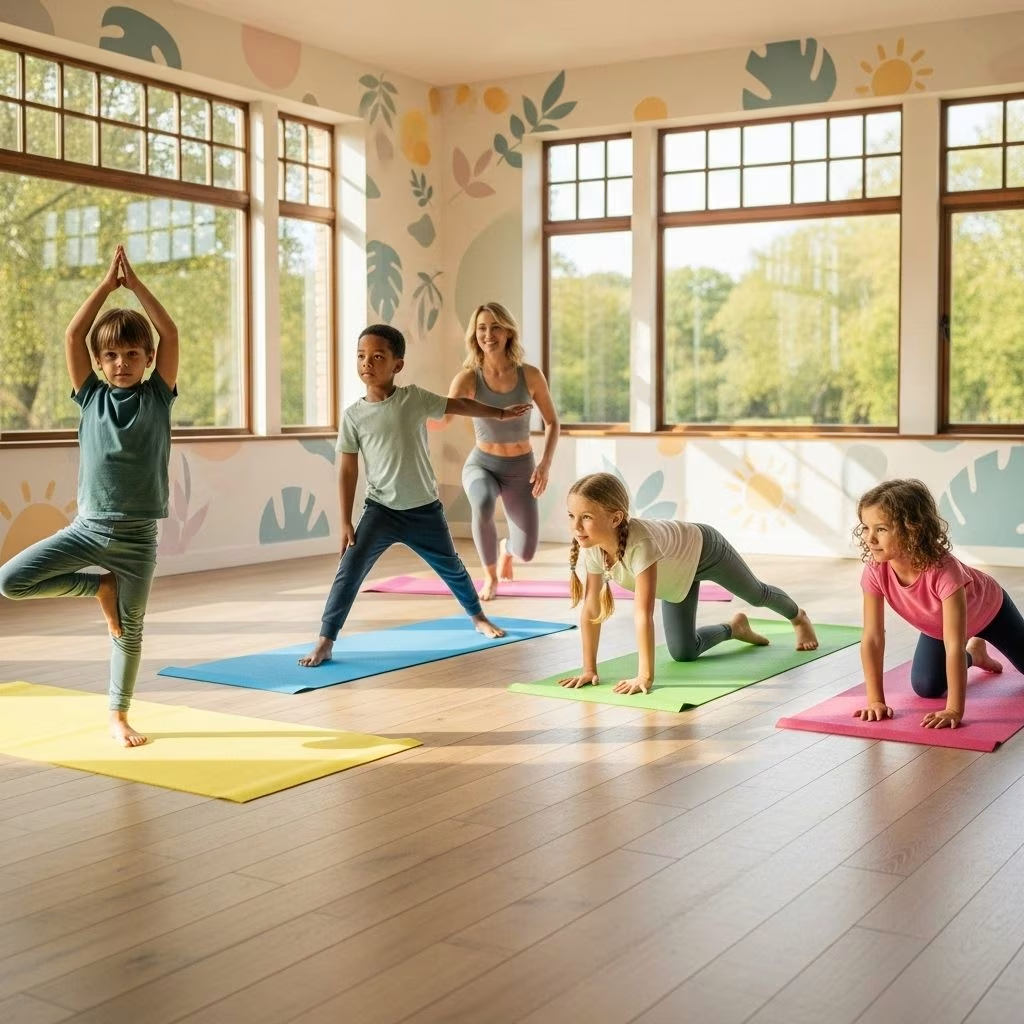
Introduction to Yoga for Kids
Yoga is not just a practice for adults; it can also be incredibly beneficial for children. By incorporating yoga into their routine, kids can improve their focus, balance, and overall body awareness while enhancing emotional regulation and confidence. This article will explore the top 10 yoga poses that are perfect for kids, focusing on simplicity, fun, and effectiveness.
Benefits of Yoga for Kids
Yoga for kids offers numerous benefits beyond physical flexibility and strength. It can help improve cognitive function, emotional well-being, and social skills. Some of the key benefits include:
- Improved Focus: Yoga helps children concentrate and stay focused, especially in academic settings.
- Enhanced Body Awareness: By engaging in various poses, kids develop a better understanding of their body and its capabilities.
- Emotional Regulation: Yoga teaches children to manage stress and emotions, promoting emotional balance.
- Increased Confidence: Participating in yoga increases self-confidence and self-esteem in children.
Top 10 Yoga Poses for Kids
Here are some of the most effective and fun yoga poses tailored specifically for kids to enhance focus and body awareness:
- Mountain Pose (Tadasana): Stand tall with feet hip-width apart and arms by your sides. This pose encourages good posture and calmness.
- Downward-Facing Dog (Adho Mukha Svanasana): Start on all fours then lift your hips up and back, straightening your arms and legs. This pose stretches the spine and calms the mind.
- Tree Pose (Vrksasana): Stand on one leg, lifting the other foot to rest on the inner thigh. This pose improves balance and concentration.
- Warrior Pose (Virabhadrasana): Stand with feet wide apart, bend your front knee, and extend your arms. This pose builds strength and improves balance.
- Child’s Pose (Balasana): Kneel down, sit back onto your heels, and stretch your arms forward. This pose is excellent for relaxation.
- Cobra Pose (Bhujangasana): Lie on your stomach, then lift your head and shoulders off the ground. This pose strengthens the back and opens the chest.
- Butterfly Pose (Baddha Konasana): Sit with the soles of your feet together and flap your knees like butterfly wings. This pose promotes flexibility and relaxation.
- Seated Forward Fold (Paschimottanasana): Sit with your legs straight out in front, then lean forward. This pose stretches the back and hips.
- The Giraffe: Stand with feet apart, stretch your arms up, and lengthen your neck like a giraffe reaching for leaves. This pose encourages focused breathing.
- The Turtle: Sit with your legs crossed, tuck your chin to your chest, and relax your shoulders. This pose aids in emotional calming.
Implementing Yoga in Schools and Homes
Incorporating yoga into daily routines can be simple and effective. Here are some tips for parents and educators:
- Start with fun poses and use storytelling to engage children.
- Use props like blocks, straps, or blankets to support beginners.
- Encourage children to listen to their bodies and take breaks when needed.
- Make it a routine by dedicating a few minutes each day to yoga practice.
Common Questions About Yoga for Kids
Q: How old should a child be to start yoga?
A: Children can start practicing yoga as early as three years old, with modifications and adaptations suitable for their age group.
Q: What are some common challenges in teaching yoga to kids?
A: Common challenges include maintaining children’s interest and ensuring they understand the poses correctly. Using games and creative storytelling can help.
Q: Can yoga help with ADHD symptoms in children?
A: Yes, yoga can help improve focus and reduce symptoms of ADHD by enhancing cognitive function and emotional regulation.
Conclusion
Yoga for kids is a fun and effective way to promote physical, mental, and emotional well-being. By incorporating these simple and engaging poses into daily routines, both at home and in school, children can develop better focus, body awareness, and emotional balance. Whether you are a parent, teacher, or caregiver, introducing yoga to children can be a rewarding experience that fosters their growth and development.
References
- https://www.myteachingcupboard.com/blog/classroom-yoga-poses-to-help-students-focus-and-relax
- https://connectpediatrictherapy.com/2024/04/yoga-for-kids-simple-poses-to-enhance-balance-and-coordination/
- https://health.clevelandclinic.org/yoga-for-kids
- https://www.actionforhealthykids.org/activity/yoga-and-mindfulness/
- https://napacenter.org/yoga-poses-for-kids/
- https://kumarahyoga.com/kids-yoga-sequences-that-keep-kids-engaged/
- https://childhood101.com/yoga-poses-kids/
- https://www.rainbowyogatraining.com/blogs/class-plans/body-awareness-appreciation


