


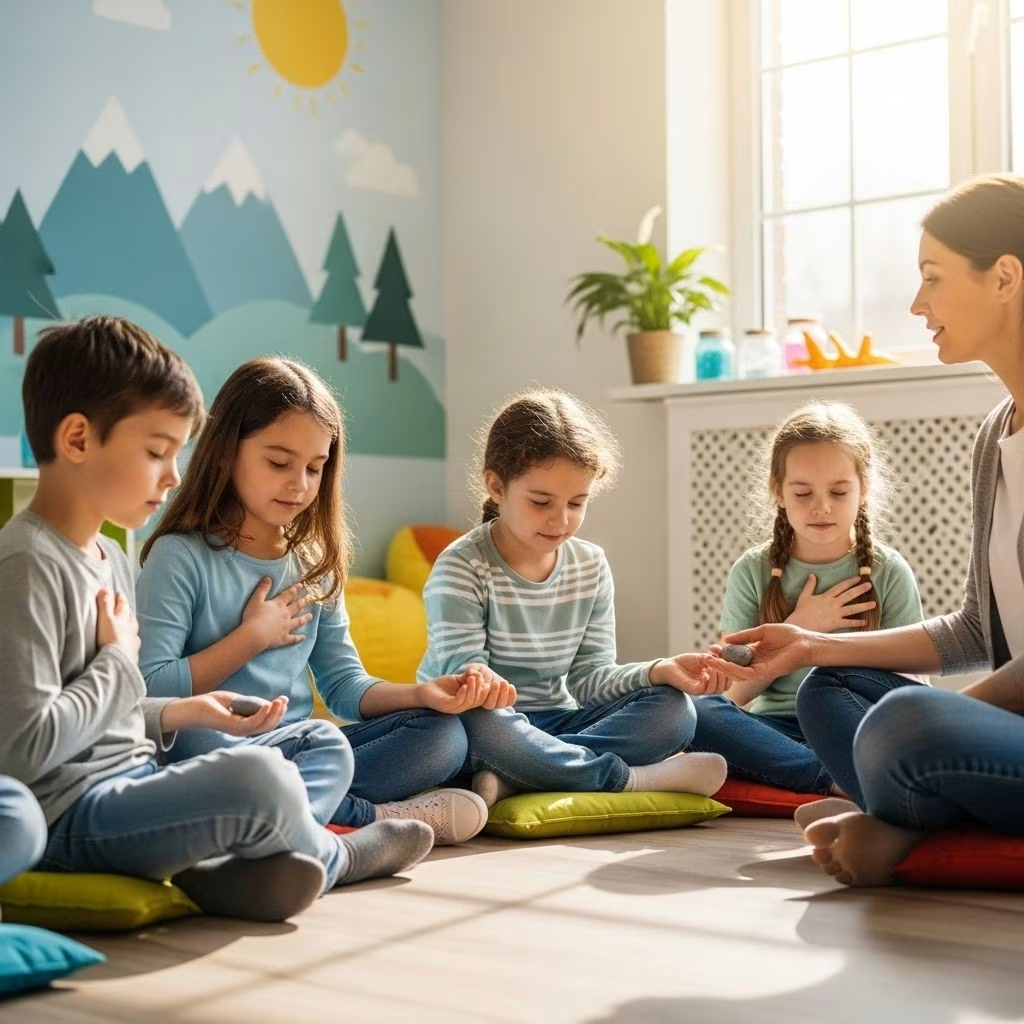
Returning to school after a break or starting a new academic year often brings excitement, but it can equally trigger anxiety, overwhelm, and stress in children. Mindfulness offers powerful and accessible tools for managing these emotions, supporting not only children but also parents and educators in cultivating calm, resilience, and a growth mindset. This comprehensive guide explores why mindfulness is critical during back-to-school transitions, offers a collection of child-friendly mindfulness scripts, and provides practical ways families and teachers can integrate these practices into daily routines.
Understanding Back-to-School Stress in Children
Transitioning back to school can be a major emotional event for many children. Common stressors include:
- New routines and unfamiliar expectations
- Academic pressure and fear of making mistakes
- Social challenges, peer pressure, or fears about fitting in
- Separation anxiety or fear of being away from home
- Sensory overload from busy classrooms or long days
Children may display stress in varied ways: irritability, difficulty sleeping, headaches or stomachaches, forgetfulness, trouble focusing, or withdrawal. Recognizing these signs allows adults to proactively offer support and coping tools.
The Importance of Mindfulness for Kids
Mindfulness is the practice of paying purposeful and nonjudgmental attention to the present moment. For children, this means learning to notice their thoughts, feelings, and physical sensations without being overwhelmed by them.
- Reduces reactivity: Helps kids pause, breathe, and respond calmly rather than reacting impulsively.
- Builds emotional awareness: Mindfulness allows children to recognize and name their feelings, building emotional vocabulary.
- Improves focus and self-control: Mindfulness practice trains sustained attention and the ability to redirect attention as needed.
- Promotes resilience: Kids learn that emotions, even difficult ones, come and go — and that they can handle challenges.
Regular mindfulness practices have been shown to lower baseline anxiety, improve social-emotional development, and help children develop robust coping mechanisms during stressful transitions like returning to school.
Essential Mindfulness Practices for Back-to-School
Below are simple yet effective practices that can be regularly incorporated at home, during commutes, or in the classroom to help children manage stress and regulate emotions. These quick techniques set a foundation for resilience and calm throughout the school year.
1. Silent Sigh
- Instructions: Breathe in gently through the nose. Exhale through the mouth with a soft, silent sigh. Let shoulders drop and jaw unclench.
- Repeat two to four times whenever stress is noticed — before a test, when waking up, or before homework.
2. 7–11 Breath
- Instructions: Inhale slowly for a count of 7. Exhale slowly for a count of 11. Repeat for five rounds.
- Ideal before exams, at bedtime, or any time nerves spike.
3. Breath-Ball Play
- Instructions: Use a Hoberman sphere (or imagine one in your hands). Expand it on each in-breath, collapse it on out-breath. Do six to ten cycles.
- This playful approach helps children connect movement, breath, and calm.
4. Five Senses Check-In (Mindful Walk)
- While walking or sitting, pause and notice: five things you see, four things you hear, three you feel, two you smell, and one you taste.
- This grounds kids in the present moment and reduces anxiety about the future.
5. Kindness Mission
- Invite children to choose one small act of kindness each day — holding a door, sharing, or offering a compliment — and discuss it together at day’s end.
Child-Friendly Mindfulness Scripts
Guided mindfulness and meditation scripts can bring children into a state of calm, focus, and self-awareness. Below are several practical scripts suitable for a wide range of ages, especially as children prepare for or return to school.
Happy Place Visualization
Encourages children to use their imagination to revisit a safe, peaceful moment whenever they feel anxious or overwhelmed.
Script:
“Sit or lie down comfortably. Close your eyes if you like. Take three slow, gentle breaths. Imagine a place where you feel completely happy and safe. It could be somewhere you’ve visited, a favorite spot at home, or even a magical land you create. Notice what it looks like. What colors do you see? What sounds do you hear? What does it smell like? Take your time to explore your happy place. If you start to feel worried during the day, remember that you can return to this place in your mind whenever you need to feel calm and at ease.”
Body Scan Relaxation
Helps children connect with their bodies, releasing tension held in muscles and promoting relaxation.
Script:
“Lie down and close your eyes. Start at the top of your head and gently notice how it feels. Slowly move your attention to your forehead, eyes, and down to your face. Is there any tightness? Breathe in calm, breathe out tension. Continue moving down your neck, shoulders, arms, all the way to your toes. Notice how each part feels, breathing in relaxation and letting go of any tension with each out-breath. When you’re finished, wiggle your fingers and toes and open your eyes gently.”
Colorful World Noticing
Invites children to mindfully observe the environment, building focus and presence through color.
Script:
“Look around you and silently spot something red. What about orange? Yellow? Green? Keep going with blue, purple, and pink. For each color, pause and notice: is it bright or soft? Big or small? How does it make you feel? Taking in these colors calmly helps your mind and body feel peaceful and awake.”
Butterfly Breaths
Combining gentle movement and breath to refocus the mind and body.
Script:
“Sit tall and rest your hands on your lap or gently flap them like butterfly wings. Breathe in slowly, and as you breathe out, pretend your hands are butterfly wings gliding softly. Repeat for five gentle breaths, noticing the calm inside you growing with every breath.”
Guided Imagery for Stress Release
Ideal before bedtime or when overwhelm strikes, this script invites children to release worries and invite calm.
Script:
“Close your eyes and imagine a gentle stream of warm, golden light flowing from above your head, slowly washing over your body. As this light moves, it takes away all your worries, leaving you feeling warm and peaceful. With every breath, feel the heaviness of stress leaving your body. When you feel ready, take three more deep breaths and open your eyes gently, bringing that sense of peace with you.”
Family and Classroom Mindfulness Activities
Mindfulness thrives when embedded into daily routines both at home and in the classroom. Below are some practical ideas for families and educators:
- Gratitude Circle: Each person (adults too!) names something specific they’re grateful for from the day. This can be done at dinner or bedtime.
- Journaling Prompts: Encourage children to complete one or two prompts at the end of the day, such as:
- “Today, I felt proud when…”
- “One kind thing I did for someone today was…”
- “When I feel worried at school, I can…”
- Mindful Walks: Take a brief walk focused on noticing nature, sounds, or smells using the 5-4-3-2-1 senses exercise.
- Morning/Evening Rituals: Use a calming breathing exercise or stretch before leaving for school or at bedtime to create predictability and emotional security.
Emotional Regulation and Calming Tools
Mindfulness also supports emotional regulation—the ability for children to manage big feelings effectively. Here are reliable techniques that children can use independently or with adult guidance:
- Calm-Down Menu:
- Count slowly to ten
- Take three silent sighs
- Hand-on-heart breathing (five slow breaths)
- Name five things you can see around you
- Draw how you feel for two minutes
- PAUSE Coaching Script for Parents:
- Pause your own reaction
- Acknowledge the feeling (“You’re frustrated this is hard.”)
- Use a calm voice and relaxed body
- Support child in picking a menu option (e.g., “Silent Sigh or draw it out?”)
- Encourage reflection once calm returns (“What helped most?”)
These scripts help transform tough moments into opportunities for learning emotional self-care.
Tips for Parents and Educators: Integrating Mindfulness
Supporting children’s mindfulness at school and home doesn’t require special equipment or lots of time. Here are key implementation tips:
- Model Mindfulness: Practice the techniques with your child, making calm breathing or gratitude part of shared routines.
- Start Small: Introduce short practices (one to three minutes) to establish comfort and success. Expand gradually as comfort grows.
- Create Predictable Routines: Consistent morning and evening rituals support feeling safe and prepared for challenges.
- Sensory-Friendly Tools: Objects like stress balls, Hoberman spheres, or even drawing pads can help children self-regulate on the go.
- Encourage Journaling and Self-Expression: Offer prompts for daily reflection—to help kids process their feelings in a safe way.
- Stay Curious and Flexible: Children may respond differently to each mindfulness script. Experiment and invite feedback—help your child actively choose what feels most helpful.
Sample Weekly Routine for Mindfulness Integration
| Day | Practice | Context |
|---|---|---|
| Monday | Silent Sigh | Before leaving for school |
| Tuesday | Colorful World Noticing | On the walk or drive to school |
| Wednesday | Body Scan Relaxation | After returning home, before homework |
| Thursday | Journaling Prompt | At dinner or bedtime |
| Friday | Gratitude Circle | Evening family routine |
Frequently Asked Questions (FAQs)
Q: What age is appropriate to start mindfulness with children?
A: Mindfulness can begin as early as preschool, with activities tailored appropriately to attention spans and interests. Even simple breathing or noticing exercises benefit young children.
Q: How long do mindfulness scripts for kids usually take?
A: Most scripts and practices for children are designed to last from 1 to 5 minutes. Short and consistent practice is more effective than lengthier sessions for kids.
Q: Can mindfulness reduce academic anxiety and improve focus?
A: Yes. Mindfulness practices help children regulate stress responses, which improves attention, memory, and test performance in school settings.
Q: Do mindfulness practices conflict with religious beliefs?
A: All scripts and practices provided here are secular and focus on the universal principles of attention, presence, and self-regulation.
Q: What if my child resists mindfulness exercises?
A: Meet resistance with curiosity and patience. Try different scripts or make practices playful—for example with breathing balls, drawing, or movement—and allow your child choice in how and when to participate.
Final Thoughts
Back-to-school transitions bring excitement and stress in equal measure. Mindfulness scripts and practices give children practical strategies to name and manage their feelings, foster resilience, and succeed both academically and emotionally. By embedding even small moments of mindfulness into everyday routines, families and educators equip children with lifelong tools for well-being, empathy, and self-discovery.
References
- https://www.mindful.org/back-to-school-mindfulness-toolkit-for-parents-kids-and-educators/
- https://kumarahyoga.com/mindfulness-meditation-scripts-for-kids/
- https://rainbowlighttherapies.com.au/happy-place-meditation-script/
- https://mindfulnessexercises.com/meditation-scripts-for-kids/
- https://www.greenchildmagazine.com/free-meditation-guided-relaxation-scripts-kids/
- https://elunanetwork.org/resources/guided-imagery-use-these-scripts-to-help-children-cope-with-anxiety-and-str/
- https://www.compassionatecounselingstl.com/blog/warm-light-guided-meditation-series-stress-relief-and-whole-body-relaxation
- https://www.betweensessions.com/wp-content/uploads/2023/09/Meditations-for-Kids-082023-1-1.pdf
- https://insighttimer.com/paulgeary/guided-meditations/back-to-school-stress-buster


