


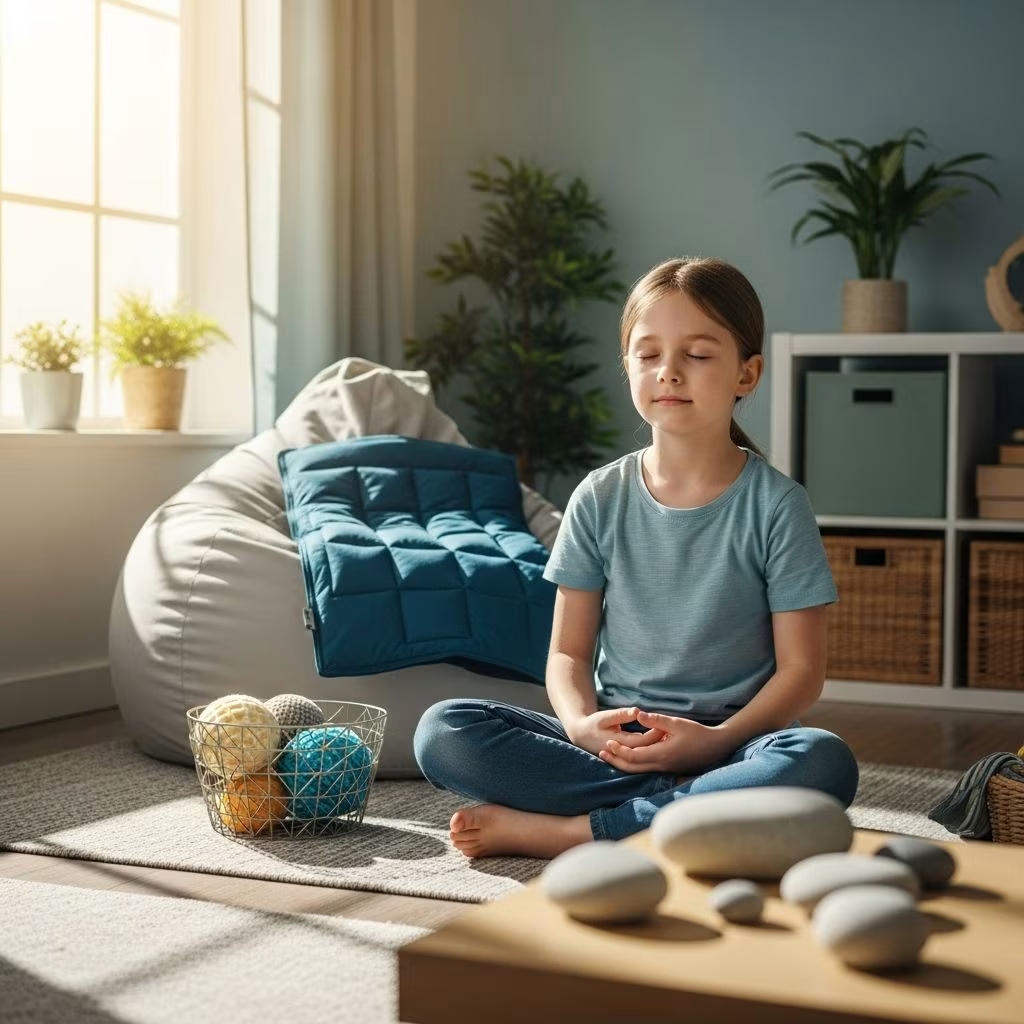
Sensory Processing Disorder (SPD) affects how children interpret and respond to sensory information from their environment. Mindfulness, a practice of paying attention in the present moment without judgment, offers valuable techniques to help children with SPD manage sensory overload, regulate emotions, and experience increased well-being. This article deeply explores mindfulness approaches for children with SPD, practical strategies, benefits, and actionable guidance for families and educators.
Understanding Sensory Processing Disorder (SPD)
Sensory Processing Disorder (SPD) is a neurological condition where the brain struggles to efficiently process sensory information, causing children to react excessively or insufficiently to sensory stimuli. These reactions might affect responses to sound, touch, smell, taste, or visual input.
- Common challenges include sensory overload, difficulty self-regulating, anxiety, frustration, and avoidance of certain environments.
- Symptoms may manifest as intense emotional outbursts, withdrawal, fatigue, difficulty concentrating, or trouble adjusting to new settings.
SPD is frequently associated with, but not limited to, children on the autism spectrum or with developmental delays. Each child’s sensory profile is unique and may require tailored intervention.
Mindfulness: What Is It and Why Is It Helpful for SPD?
Mindfulness refers to the act of bringing one’s attention to the present moment, noticing experiences and sensations without interpretation or judgment. For children with SPD, mindfulness emphasizes:
- Self-awareness of internal and external sensory experiences
- Acceptance of sensations without needing to alter or escape them
- Emotional regulation and resilience in the face of sensory challenges
When taught intentionally and with sensitivity to each child’s sensory profile, mindfulness can cultivate skills for self-soothing, focus, and stress reduction.
Benefits of Mindfulness for Kids with Sensory Processing Disorder
Research and clinical practice show mindfulness yields powerful benefits for children struggling with sensory processing issues:
- Calms the nervous system, making sensory events less overwhelming
- Improves emotional regulation, reducing tantrums, anxiety, and outbursts
- Fosters self-awareness and confidence in recognizing triggers and coping strategies
- Enhances focus and attention, supporting academic learning and daily tasks
- Supports coping skills that carry over into adolescence and adulthood
- Helps parents and professionals create collaborative environments with sensory regulation in mind
Mindfulness does not aim to remove or deny difficult sensory experiences, but instead teaches children to notice and accept these experiences, fostering resilience and empowerment.
Foundational Mindfulness Techniques for Sensory Regulation
The following foundational mindfulness practices are particularly effective for children with SPD:
Deep Breathing Exercises
- Diaphragmatic or Belly Breathing: Inhale deeply through the nose, filling the belly, then exhale slowly through the mouth. This slows heart rate and relaxes muscles, counteracting fight or flight responses to sensory overload.
- Encourage children by counting breaths (e.g., 4 counts in, 6 counts out) or engaging in guided imagery with each breath.
Progressive Muscle Relaxation (PMR)
- Systematically tense and then relax muscle groups. Begin at the toes and move upward, teaching body awareness and physical relaxation.
Grounding Techniques
- Use the “5-4-3-2-1” exercise: Identify 5 things you see, 4 you can touch, 3 you hear, 2 you smell, and 1 you taste to bring focus back to reality (especially during overwhelm).
- Hold a unique object or listen to soothing sounds to anchor the child in the present moment.
Mindful Movement
- Gentle movement exercises (like yoga poses, stretching, or walking meditation) engage the proprioceptive sense and release physical tension.
Guided Visualization
- Story-based meditations (e.g., imagining walking on a peaceful mountain) use visualization and sensory cues to calm overstimulated minds.
Body Scan Meditation
- Bring attention to different areas of the body, noting sensations. This increases awareness and relaxation.
Creating Sensory-Friendly Mindfulness Spaces
Environment is crucial for successful mindfulness practice. Children with SPD thrive in settings tailored to minimize sensory triggers and promote comfort. Consider the following elements:
- Soft lighting (warm lamps, natural daylight)
- Cozy corners, tents, or quiet nooks with minimal clutter
- Weighted blankets or vests for deep pressure
- Familiar and pleasant scents (lavender, vanilla)
- Access to sensory objects (play-doh, fidget spinners, stress balls)
- Background calming music or nature sounds
Adjusting furniture, using tactile cushions, and allowing for temperature control can further optimize the sensory environment for mindfulness.
Mindfulness Activities and Exercises for Children with SPD
Mindfulness should be embedded in daily routines and adapted to the child’s unique sensory profile. Examples include:
- Mindful Breathing: Practice at bedtime, before transitions, or after sensory exposure.
- Mindful Eating: Notice flavors, textures, and smells during a snack—this builds sensory curiosity rather than avoidance.
- Mindful Coloring & Crafts: Focus on patterns, colors, and textures; encourage slow, deliberate engagement.
- Sensory Awareness Walks: Explore outdoors, pausing to notice sounds, sights, and sensations in nature.
- Guided Story Meditations: Listen to calming narratives or visualization such as ‘Peppermint Mountain’ for scent-focused meditation.
- Object Meditation: Hold or examine a smooth stone, soft fabric, or other sensory item, noting its details.
- Lava Lamps or Visual Soothers: Focus on the slow, rhythmic movement of visual objects to quiet the mind.
Short, frequent, and engaging activities work best. Consistency and routine reinforce the benefits of mindfulness for kids with SPD.
| Sensory Profile | Recommended Mindfulness Activity | Environment Tips |
|---|---|---|
| Tactile Sensitivity | Weighted blanket meditation; soft plush or stress ball focus | Soft textures, minimal hard surfaces |
| Auditory Sensitivity | Nature sound meditation; ear defenders during group practice | Muffle background noise, play soothing music |
| Visual Sensitivity | Lava lamp visualization; dim lighting | Reduce bright colors, use gentle light sources |
| Smell Sensitivity | Aromatherapy breathing; avoid strong or unfamiliar scents | Ventilate room, use mild scents only |
| Movement-Seeking | Yoga/stretching sequences; walking meditation | Open space, flexible seating |
Tips for Parents & Caregivers: Fostering Mindfulness at Home
- Observe and document your child’s sensory profile with help from an occupational therapist (OT)
- Choose mindfulness activities that align with your child’s preferences; offer options and let them lead
- Normalize mindfulness as a safe “pause,” not a discipline or chore
- Model your own mindful behaviors: verbalize your observations, breathe slowly, and express calm
- Be patient: children with SPD may need extra time to adjust to mindful activities
- Build routines: create dedicated quiet times (before school, after meals, bedtime)
- Avoid overstimulation by introducing new techniques in familiar environments
- Celebrate incremental successes; positive feedback fosters willingness
If resistance or overwhelm arises, gently pause the activity and try again later. Small steps and regular practice are key to long-term benefits.
Collaborating with Therapists and Educators
- Consult occupational therapists, speech therapists, and special educators to create personalized mindfulness plans
- Communicate your child’s sensory needs and progress; share successful activities between home and school
- Ask for suggestions for mindfulness accommodations in the classroom or therapy setting
- Use collaborative journals or feedback tools to monitor strategies and outcomes
Professional guidance ensures that mindfulness is safe, effective, and synergistic with other sensory interventions.
Frequently Asked Questions (FAQs)
Can mindfulness help all children with SPD?
Most children with SPD benefit from adapted mindfulness techniques, but the approach must match their unique needs and preferences. Consultation with therapists and trial-and-error are recommended.
How often should mindfulness practices be done?
Daily short sessions (5-10 minutes) yield the best results. Embed mindfulness in everyday routines for maximum effectiveness.
What if my child resists mindfulness activities?
Respect your child’s boundaries and move at their pace. Try different activities, and offer choices. Normalizing and modeling mindful behaviors help increase engagement over time.
Are group mindfulness sessions suitable for children with SPD?
Group mindfulness can be beneficial, provided environmental triggers are minimized and sensory accommodations (quiet spaces, sensory objects) are offered.
What role does sensory-friendly equipment play?
Items such as weighted blankets, sensory bins, and fidget toys enable children to engage in mindfulness with less anxiety and more focus by regulating sensory input.
Should mindfulness replace other therapies?
Mindfulness is complementary to occupational, speech, or physical therapies—not a replacement. It enhances outcomes when integrated into a broader intervention plan.
Conclusion
Mindfulness empowers children with Sensory Processing Disorder to better understand, accept, and regulate their sensory experiences. Through the use of adapted mindfulness techniques, sensory-friendly environments, and collaborative support, children gain the coping skills they need to thrive emotionally and socially. Regular practice, informed by observation and professional input, can make mindfulness a cornerstone of holistic care for sensory-sensitive children.
References
- https://rainbowtherapy.org/blogs-how-mindfulness-techniques-can-help-with-sensory-sensitivities/
- https://www.weemeditate.com/help-kids-cope-with-sensory-overload/
- https://skillpointtherapy.com/calming-techniques-for-sensory/
- https://www.handspringhealth.com/post/how-to-help-a-child-with-sensory-processing-disorder
- https://www.occupationaltherapy.com/articles/magic-mindfulness-for-children-in-5570
- https://blog.stageslearning.com/blog/six-simple-mindfulness-practices-for-kids-with-autism
- https://blog.calmclassroom.com/sensory-objects-mindfulness
- https://sensoryprocessingdisorderparentsupport.com/mindfulness-activities-for-children
- https://plexusnc.com/sensory-processing-disorder-activities/


