


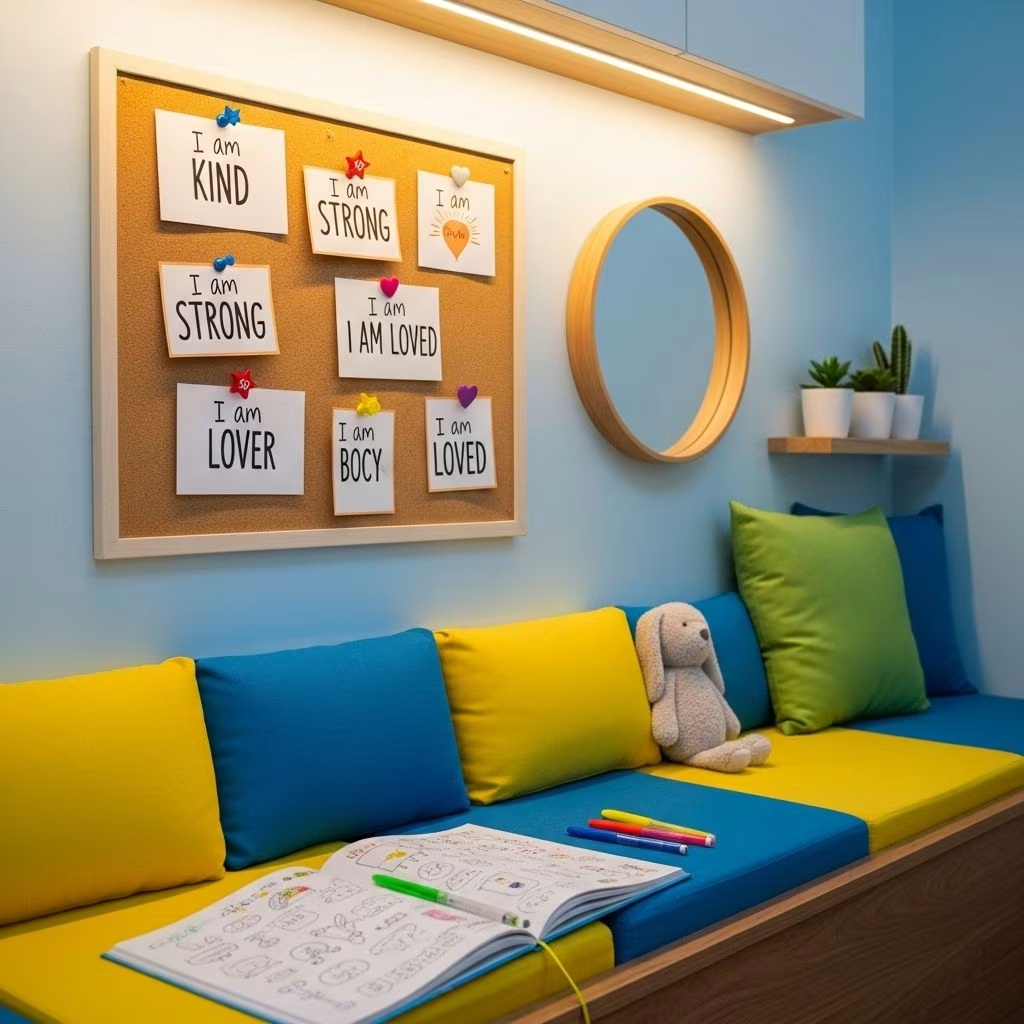
Introduction to Affirmation Stations for Kids
Affirmation stations have become a popular tool in educational settings for promoting self-compassion and positive self-talk among children. These stations are designed to display empowering statements, inspiring quotes, and uplifting artwork, encouraging kids to engage with affirmative messages daily. By integrating affirmation stations into classrooms, educators can help children develop a more nurturing and supportive relationship with themselves, fostering resilience and emotional well-being.
Benefits of Affirmation Stations
Affirmation stations offer several benefits for children’s personal growth and mental health. Some of the key advantages include:
- Boosts Self-Esteem: Positive affirmations help children feel more confident and valued, which can enhance their self-esteem.
- Enhances Emotional Awareness: By focusing on their feelings and thoughts, children can better understand and manage their emotions.
- Encourages Self-Compassion: Regular practice of affirmations cultivates self-kindness and understanding, helping children be more empathetic and gentle with themselves.
- Supports Resilience: Affirmations can help children develop coping strategies, enabling them to bounce back from setbacks more effectively.
Creating an Affirmation Station
Setting up an affirmation station in the classroom is a straightforward process that can be tailored to suit different age groups and teaching styles. Here are some steps to create a compelling affirmation station:
- Design Vibrant Displays: Use colorful cards, sticky notes, or posters with empowering statements and inspiring quotes. You can also include uplifting artwork or images that evoke positive emotions.
- Encourage Interactive Engagement: Allow students to contribute to the station by writing their own affirmations or creating visual representations of positive messages.
- Make it Accessible: Ensure the affirmation station is easily accessible and visible to all students, encouraging them to visit and reflect on the messages regularly.
Innovative Ideas for Affirmation Stations
Here are some creative ways to enhance affirmation stations and make them more engaging for children:
- Affirmation Jars: Fill jars with positive messages that students can pick and read, providing a fun and interactive way to engage with affirmations.
- Singing Affirmations: Turn affirmations into catchy songs or rhymes, making them more memorable and enjoyable for children.
- Fill-in-the-Blank Sentences: Provide prompts like “I am…” or “Today, I will…” for children to complete with their own affirmations, encouraging personalization and ownership.
- Affirmation Circle: Organize a circle where children take turns sharing affirmations, fostering a sense of community and shared positivity.
Incorporating Affirmations into Daily Life
To maximize the impact of affirmation stations, it’s essential to integrate affirmations into daily routines and activities. Here are some strategies:
- Morning Affirmations: Begin each day with a set of affirmations, helping children step into their day with confidence and positivity.
- Integrate into Transitional Moments: Use transition times, such as before meals or during clean-up, to repeat affirmations, turning routine moments into opportunities for self-reflection.
Examples of Affirmations for Kids
Affirmations can be tailored to different age groups and needs. Here are some examples:
| Age Group | Affirmation Examples |
|---|---|
| Toddlers (2–3) | “I am loved,” “I am safe,” “I am strong” |
| Preschoolers (4–5) | “I am happy,” “I am capable,” “I can try” |
| Older Children (6 and up) | “I am enough,” “I am worthy of love and respect,” “I am brave” |
Affirmation Stations and Self-Compassion
Affirmation stations are particularly effective in promoting self-compassion among children. By repeatedly exposing them to positive messages, children can develop a more compassionate and gentle attitude towards themselves. This practice helps children understand that it’s okay to make mistakes and that they deserve kindness, regardless of their performance or circumstances.
Implementing Affirmation Stations in Classrooms
Teachers can play a crucial role in integrating affirmation stations into their classrooms. Here are some tips for effective implementation:
- Discuss Affirmations: Use the affirmation station as a teaching tool to discuss the importance of self-compassion and positive self-talk.
Frequently Asked Questions
Q: What are affirmation stations?
A: Affirmation stations are designated areas in classrooms or homes where empowering statements and inspiring quotes are displayed to promote positive self-talk and self-compassion among children.
Q: How can I create an affirmation station?
A: To create an affirmation station, use colorful cards or posters with positive messages, and encourage children to contribute by writing their own affirmations or creating visual representations.
Q: What are some examples of affirmations for kids?
A: Examples of affirmations for kids include “I am loved,” “I am capable,” and “I am enough.” These can be tailored based on age and individual needs.
Q: How can affirmations be incorporated into daily routines?
A: Affirmations can be incorporated into daily routines by repeating them during morning routines, before meals, or during transitional moments throughout the day.
Q: What benefits do affirmation stations offer for children’s mental health?
A: Affirmation stations help boost self-esteem, enhance emotional awareness, encourage self-compassion, and support resilience, contributing to better mental well-being.
References
- https://365give.ca/8-classroom-ideas-to-engage-students-in-self-compassion-for-mental-health/
- https://www.blueprint.ai/blog/positive-affirmations-for-kids-a-therapists-guide-to-building-confidence-emotional-regulation-and-self-compassion
- https://theearlychildhoodacademy.com/morning-affirmations-for-kids-in-early-childhood-classrooms/
- https://www.boredteachers.com/post/25-affirmation-stations-to-help-kids-build-self-esteem-we-all-need-in-our-classrooms
- https://www.thepathway2success.com/15-self-kindness-activities-for-kids-and-teens/
- https://biglifejournal.com/blogs/blog/7-new-fun-ways-kids-affirmations
- https://veryspecialtales.com/self-esteem-games-for-kids/


