


Introduction
“Sitting Still Like a Frog: Mindfulness Exercises for Kids (and Their Parents)” by Eline Snel has become one of the most widely recommended books for families seeking to introduce mindfulness into everyday life. This concise, approachable guide offers practical exercises designed to help children aged 5–12 (and their families) foster emotional regulation, focus, and relaxation. With its calm tone, accessible language, and memorable imagery, the book teaches children how to “be present”—to observe their feelings and thoughts without judgment.
About the Author: Eline Snel
Eline Snel is a therapist, meditation trainer, and certified Mindfulness-Based Stress Reduction (MBSR) instructor, renowned internationally for her pioneering work on adapting mindfulness practices for children. She heads the Academy for Mindful Teaching in the Netherlands, and her “frog method” has influenced curricula in numerous European primary schools. Snel’s deep commitment to combating childhood stress through mindfulness is evident throughout her writing, which combines scientific insights with an accessible, child-friendly approach.
Overview of the Book
First published in 2013 by Shambhala Publications, “Sitting Still Like a Frog” is a compact volume—just 100 pages—designed specifically for parents, educators, and children. The book simplifies key mindfulness principles, demystifying concepts like present-moment awareness, nonjudgmental observation, and compassionate self-acceptance.
With its gentle guidance and practical tone, the book fills a significant gap in child psychology and wellness literature by making mindfulness accessible to young minds.
Core Themes & Approaches
- Present-Moment Awareness: Mindfulness is explained as “an open and friendly willingness to understand what is going on in and around you”—a state of simply noticing the current moment without trying to change or judge it.
- Observing Thoughts and Feelings: The book teaches children to notice thoughts, feelings, and physical sensations, and describes how to separate their identity from these fleeting experiences.
- Breath Awareness: Through easy exercises, children learn to observe the rhythm and depth of their breath as an anchor to the present.
- Self-Acceptance and Resilience: A recurring theme is treating one’s inner experiences with friendliness—not criticism—helping children build lasting self-esteem and emotional balance.
- Gentle Language: The tone is compassionate and non-prescriptive, inviting children and parents to explore mindfulness together at their own pace.
Mindfulness Exercises and Practices
Each chapter of “Sitting Still Like a Frog” includes a series of short mindfulness exercises designed for either solo or paired practice (parent and child). Some of the most popular include:
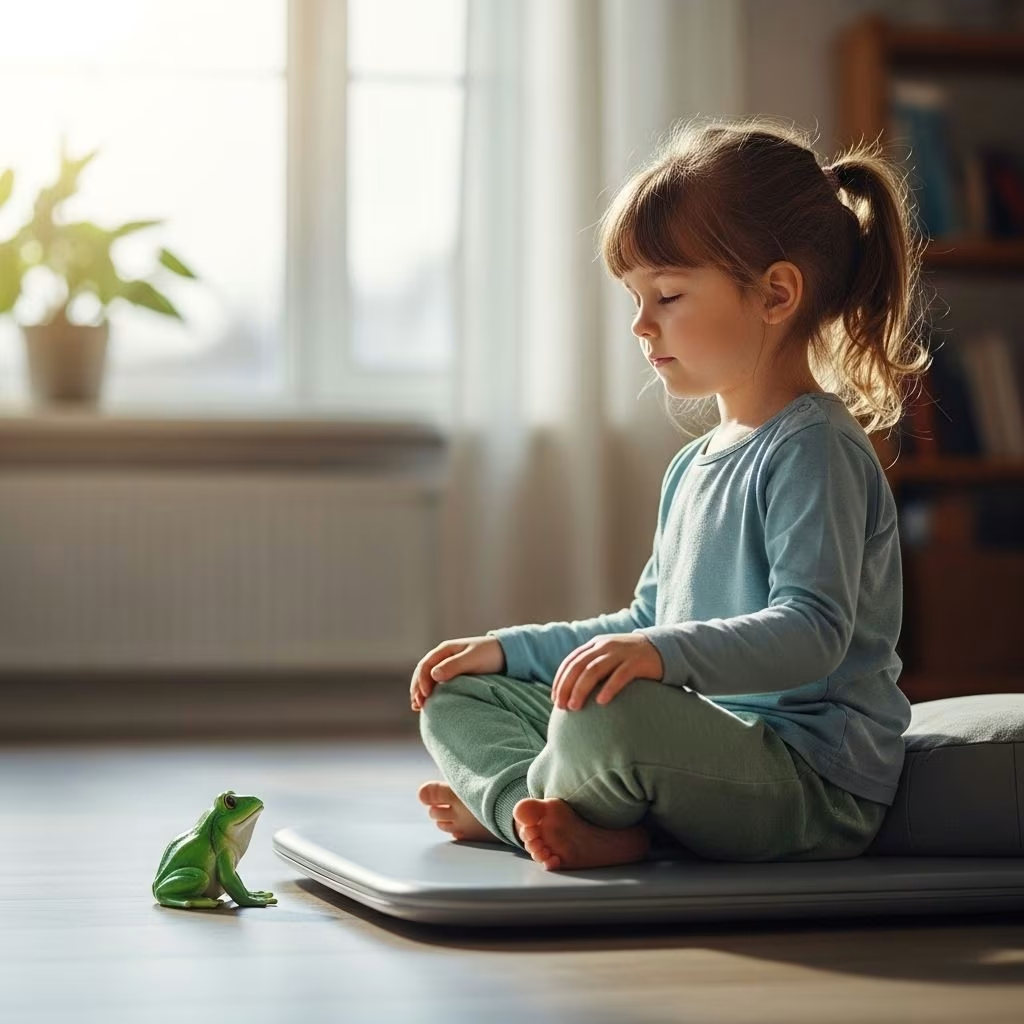
- Sitting Still Like a Frog: Children are invited to imagine a calm frog sitting by a pond, tranquil yet alert, embodying stillness and present-focus.
- The Spaghetti Test: Kids observe how tense their muscles are—like stiff, uncooked spaghetti—and then relax them to become soft and malleable.
- The Secret of the Heart Chamber: Mindful awareness is directed inward, encouraging children to notice feelings residing in their chest.
- First Aid for Worries: When stressed, children are guided to transfer attention from anxious thoughts down into their belly, where the narrator assures them “all is calm”.
- The Pause Button: Children learn to pause and “look at the inner self with curiosity and without judgment”.
The book also includes a CD narrated by Myla Kabat-Zinn, featuring ten guided exercises that reinforce lessons from the text with soothing, child-friendly audio.
The ‘Frog Method’ Explained
Snel’s “frog method” is inspired by the image of a frog—a creature that can sit very still yet remains acutely aware of its surroundings. Through this metaphor, children grasp the core of mindfulness: alertness without agitation; stillness without numbness.
This method has been adopted in pilot studies and classrooms, demonstrating measurable improvements in well-being, emotional awareness, and stress reduction.
| Aspect | The Frog vs. Typical Child Response |
|---|---|
| Stillness | Frog: Sits quietly and takes in the world. Child: May feel restless or agitated. |
| Alertness | Frog: Maintains high awareness without reacting. Child: Reacts impulsively to stimuli. |
| Handling Stress | Frog: Remains calm in stressful situations. Child: Tends to feel overwhelmed. |
| Practice | Frog: Models mindfulness as a habit. Child: Learns to emulate the frog’s approach through exercises. |
Structure and Layout
The book is organized into ten chapters, each focusing on a crucial aspect of mindfulness and offering practical exercises. The layout is compact, visually appealing, and tailored for short attention spans. Major chapters include:
- What Is Mindfulness? – Introduces basic concepts and sets the tone of curiosity.
- Understanding Emotions – Explores emotional literacy through the “weather report” exercise.
- Breathwork and Calmness – Provides step-by-step guides for breath awareness.
- Handling Worries – Offers strategies for managing anxiety and stress.
- The Power of Pause – Highlights simple ways to slow down and check in with oneself.
Related Resource: The Sitting Still Like a Frog Activity Book
Following the success of the main book, Eline Snel also released “Sitting Still Like a Frog Activity Book”, featuring 75 mindfulness games and exercises for children ages 5–8. These activities range from fun yoga exercises to hands-on crafts and thoughtful reflection prompts. The activity book extends the core teachings, making it possible for children to practice mindfulness both in structured and playful settings.
Who Should Read This Book?
“Sitting Still Like a Frog” serves a diverse readership, including:
- Parents looking to support children’s emotional and mental well-being
- Teachers and school counselors integrating mindfulness techniques into classrooms
- Therapists and child psychologists seeking practical tools for stress and anxiety management
- Children (typically ages 5–12) interested in learning simple, calming exercises
As noted by multiple reviewers and educators, the book’s clarity, brevity, and hands-on recipes for calm make it suitable for beginners and experienced practitioners alike.
Reader Experiences & Expert Views
- Engaging and Effective: Educators report successfully incorporating concepts like the “personal weather report,” where children describe their emotional state as sunny, rainy, or cloudy. This tangible exercise helps children externalize and observe their feelings.
- Accessible Language: The book avoids jargon, using age-appropriate terms and relatable metaphors.
- Immediate Classroom and Home Impact: Teachers and parents note that the exercises are easy to implement and show visible reductions in anxiety and restlessness.
- Positive Clinical Observations: Professionals highlight that the strategies serve as “first aid” for worries, helping children direct their attention, recognize anxious thoughts, and reconnect with a sense of calm.
Benefits and Impact
“Sitting Still Like a Frog” stands out for its empowering, transformative, and scientifically informed approach to mindfulness. The most commonly cited benefits include:
- Emotional Regulation: Children learn to observe, label, and manage their emotions, increasing self-awareness.
- Anxiety and Stress Management: Simple breathing and visualization exercises help reduce stress and prepare children for new or challenging situations.
- Improved Focus and Patience: Regular practice encourages longer attention spans and greater impulse control.
- Healthy Sleep Patterns: Specific meditations address sleep difficulties, helping children relax before bedtime.
- Compassion and Self-Esteem: Friendly self-acceptance and nonjudgment are cornerstones in building positive self-image.
Pilot studies in Dutch schools show measurable improvement in students’ well-being after practicing the frog method.
Strengths & Weaknesses
| Strengths | Weaknesses |
|---|---|
|
|
Frequently Asked Questions
Q: What makes ‘Sitting Still Like a Frog’ unique among mindfulness books for children?
A: The book’s use of vivid metaphors, simple language, and tangible exercises, alongside its clinically tested “frog method,” make it especially approachable and effective for young readers.
Q: Is the book suitable for classroom use?
A: Yes, educators have successfully integrated exercises like the “weather report” into daily routines, fostering group discussion of emotions and mindfulness.
Q: How does the audio CD complement the book?
A: The CD features guided meditations narrated by Myla Kabat-Zinn, providing children a comforting introduction to mindfulness through story and visualization.
Q: Can children practice the exercises on their own?
A: Most exercises can be done independently, but the book encourages joint participation with parents or caregivers for maximum benefit.
Q: Is there a version for younger children?
A: Yes, the “Sitting Still Like a Frog Activity Book” adapts these ideas into 75 games suited for ages 5–8, enhancing engagement through play.
Q: Are the exercises scientifically validated?
A: The frog method is based on scientific research in mindfulness and has shown positive results in pilot studies within school settings.
Conclusion
“Sitting Still Like a Frog” offers families an inviting pathway to mindfulness, blending science, compassion, and practical wisdom. Its impact has been felt in homes, schools, and therapeutic contexts, making mindfulness accessible not as a rigid routine, but as an adaptable, lifelong resource. For parents and educators searching for an evidence-based, gentle introduction to mindfulness, Snel’s work is a valuable foundation.
References
- https://yogafordepression.com/review-sitting-still-like-frog-mindfulness-exercises-kids-parents-eline-snel/
- https://middlewayeducation.org/resources/books-sitting-still-like-a-frog/
- https://meinpodcast.de/bookey-book-summary-and-review/sitting-still-like-a-frog-book-summary-teach-mindfulness
- https://www.shambhala.com/sitting-still-like-a-frog-activity-book.html
- https://www.goodreads.com/book/show/17568811-sitting-still-like-a-frog
- https://www.shambhala.com/sittingstilllikeafrog/
- http://camdenreads.blogspot.com/2017/05/book-review-sitting-still-like-frog.html


