


Introduction to Mindful Seeing
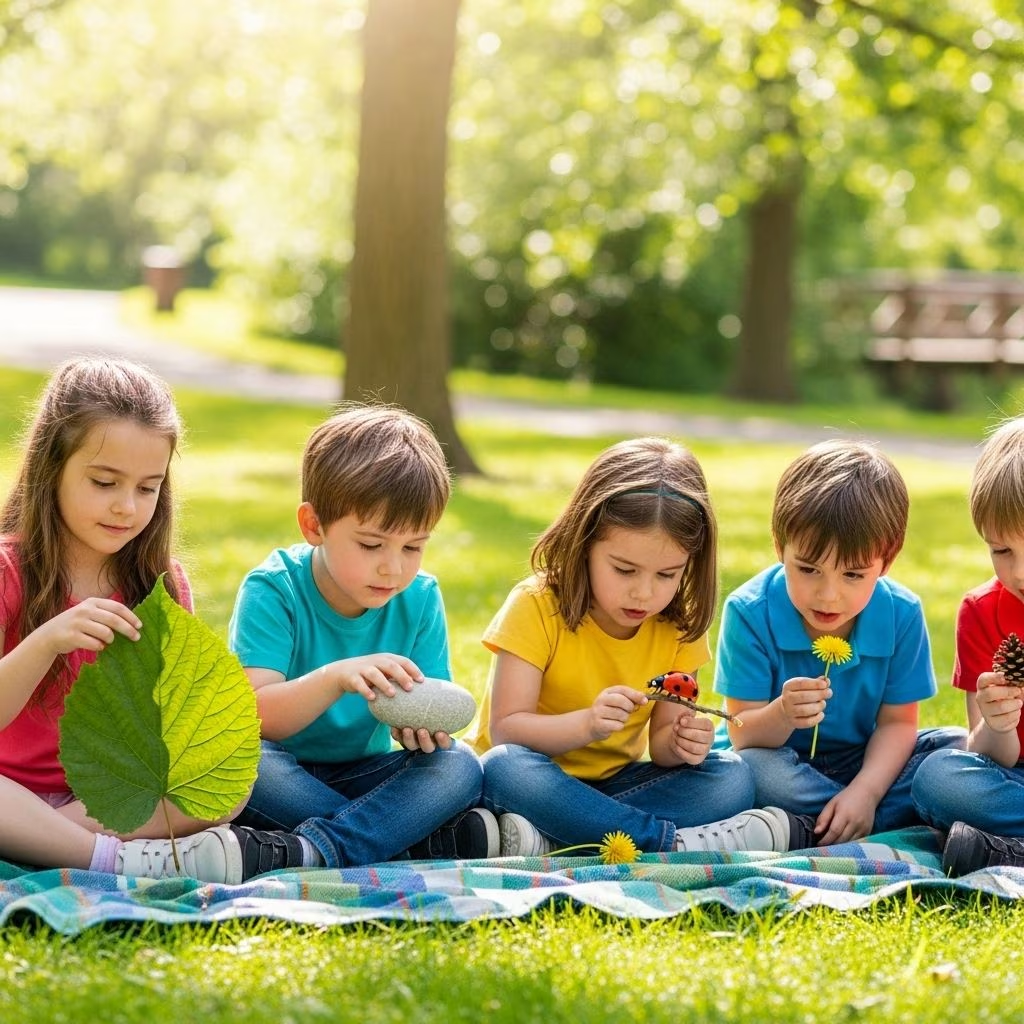
Mindfulness is increasingly recognized as a valuable tool for enhancing emotional regulation, focus, and overall well-being in children. One effective way to introduce mindfulness to young learners is through an activity known as mindful seeing. This practice involves training students to observe their surroundings with heightened awareness, focusing on visual details without judgment. In this article, we will delve into the concept of mindful seeing, its benefits for 1st-grade students, and provide a detailed lesson plan for implementing this activity in the classroom.
Benefits of Mindful Seeing for 1st-Grade Students
Mindful seeing offers several benefits for young students:- Enhanced Focus: By training students to concentrate on specific visual details, mindful seeing helps improve their ability to focus and stay engaged.- Emotional Regulation: This mindfulness practice can help students manage their emotions more effectively by teaching them to observe without judgment.- Cognitive Development: It supports cognitive growth by encouraging students to notice and interpret their surroundings more effectively.- Social Skills: Mindful seeing can also foster empathy and understanding by helping students appreciate different perspectives and environments.
Lesson Plan: Mindful Seeing for 1st Grade
### Step-by-Step Guide1. Preparation: – Select a location with a variety of visual stimuli, such as a window with a view, a garden, or a room with diverse decorations. – Prepare any necessary materials, such as scratch paper and pencils for students to draw.2. Introduction (5 minutes): – Begin by explaining the concept of mindfulness and its importance in our daily lives. – Discuss how mindfulness can help us feel more calm and focused.3. Mindful Seeing Activity (15 minutes): – Have students sit comfortably in a location with a good view or visual stimuli. – Ask them to look out the window or at the surroundings without naming what they see. – Encourage them to notice colors, patterns, textures, and movements. – As they observe, guide them to focus on different aspects of their view, such as shapes, light, or shadow.4. Reflection and Drawing (15 minutes): – After observing, ask students to draw what they saw without writing any words. – Encourage them to use colors and shapes to represent their observations. – Allow time for reflection; ask students to describe their drawings and what they noticed during the activity.5. Conclusion (5 minutes): – Gather the class to discuss their experience with mindful seeing. – Ask students how they felt during the activity and if they noticed any changes in their focus or feelings.### Tips for Implementation- Create a Calm Environment: Ensure the classroom is quiet and free from distractions during the activity.- Encourage Participation: Invite students to share their observations and drawings without fear of judgment.- Reinforce Learning: Repeat the activity regularly to reinforce mindfulness skills.
Combining Mindful Seeing with Other Mindfulness Activities
Mindful seeing can be effectively combined with other mindfulness activities to create a comprehensive mindfulness program for 1st-grade students. Some activities to consider include:- Listening Walks: Have students take a walk, focusing on sounds around them without making noise.- Five Senses Exercise: Guide students to engage all five senses, noticing sights, sounds, smells, tastes, and textures.- Mindful Breathing: Use balloon breathing or pinwheel exercises to teach deep, controlled breathing.### Table: Additional Mindfulness Activities for 1st Grade| Activity | Description ||———|————-|| Listening Walks | Focus on the sounds around you without making noise. || Five Senses Exercise | Engage all senses to notice sights, sounds, smells, tastes, and textures. || Mindful Breathing | Practice deep breathing using balloon or pinwheel exercises. || Mindful Eating | Savor each bite, noticing flavors and textures. |
Frequently Asked Questions (FAQs)
Q: How often should I conduct mindful seeing activities with my students?
A: It is recommended to conduct mindful seeing activities at least once a week, but ideally more often if possible, to reinforce mindfulness skills.
Q: How can I make mindful seeing more engaging for students?
A: Encourage students to share their observations and drawings after the activity, and consider incorporating different locations or themes to keep the practice fresh and interesting.
Q: Can mindful seeing be adapted for students with special needs?
A: Yes, mindful seeing can be adapted for students with special needs by using assistive technology or providing additional support and accommodations as needed.
Q: How does mindful seeing impact academic performance?
A: Studies suggest that mindfulness practices like mindful seeing can improve focus and reduce stress, which can positively impact academic performance by enhancing students’ ability to concentrate and engage with learning materials.
Conclusion
Mindful seeing is a powerful tool for enhancing the learning experience and well-being of 1st-grade students. By incorporating this activity into your classroom routine, you can help students develop greater focus, emotional regulation, and appreciation for their surroundings. As you continue to explore mindfulness practices, remember the importance of patience, consistency, and adaptability in meeting the diverse needs of your students.
References
- https://www.islhd.health.nsw.gov.au/sites/default/files/mental-health/School_link_Newsletters/Mindfulness%20and%20Calming%20Activities.pdf
- https://www.flyfive.org/product/grade-1-3/
- https://www.waterford.org/resources/mindfulnes-activities-for-kids/
- https://www.weareteachers.com/mindfulness-activities-for-kids/
- https://www.teacherspayteachers.com/Product/Mindfulness-Activities-MINDFUL-SEEING-LESSON-and-ACTIVITIES-4804184
- https://www.teacherspayteachers.com/browse?search=mindful+seeing
- https://positivepsychology.com/mindfulness-for-kids/
- https://studentreasures.com/blog/social-emotional-learning/mindfulness-activities-for-kids/


