


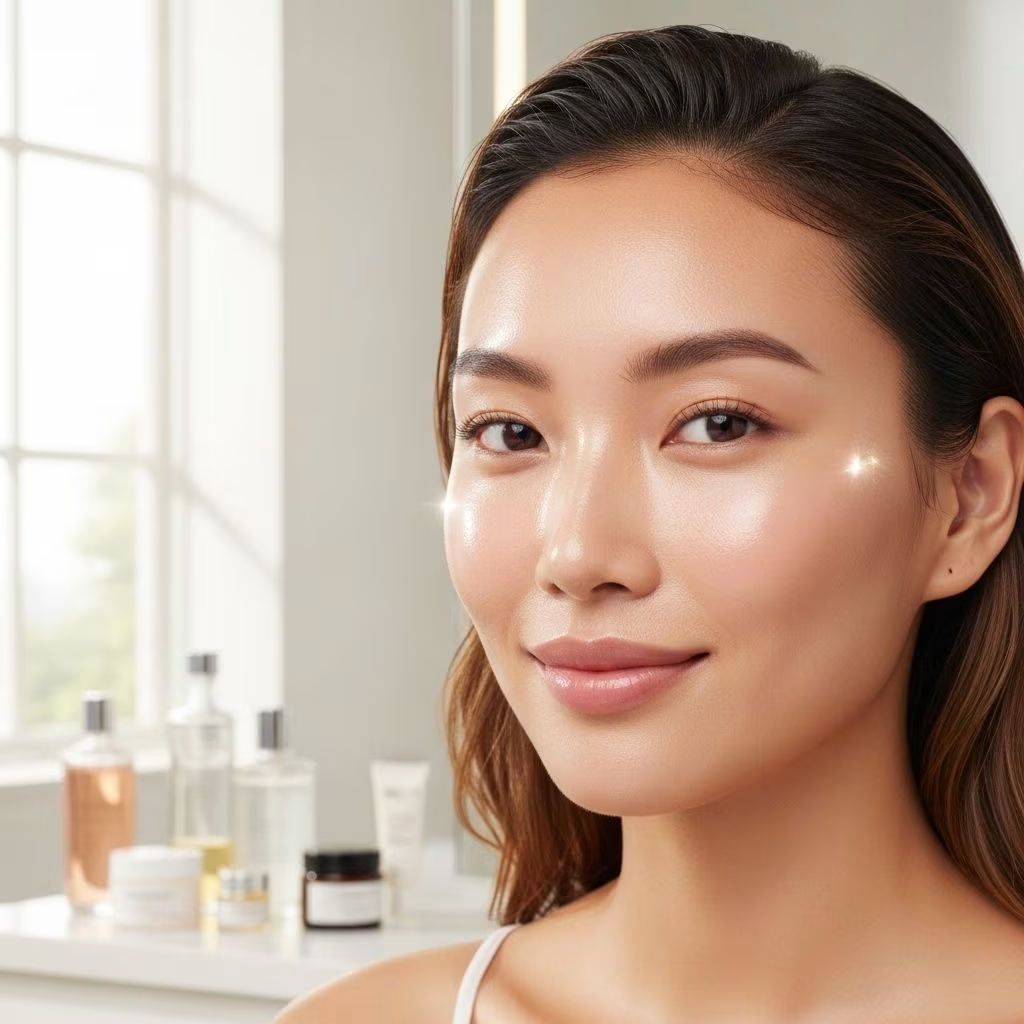
Glass skin has become one of the most coveted beauty ideals in the skincare world, captivating millions with its promise of luminous, translucent skin that appears to glow from within. This Korean beauty phenomenon isn’t just about achieving flawless skin—it’s a holistic approach to skincare that emphasizes deep hydration, nourishment, and the enhancement of your skin’s natural radiance. Unlike makeup-heavy trends that mask imperfections, glass skin celebrates healthy, well-cared-for skin that looks impossibly smooth and light-reflective, resembling a pristine pane of glass.
The beauty of this trend lies in its accessibility and focus on skin health rather than perfection. Whether you’re in your twenties or beyond, glass skin offers a transformative approach to skincare that addresses the fundamental needs of your complexion. This comprehensive guide will walk you through everything you need to know about achieving glass skin, from understanding its origins to mastering the multi-step Korean skincare routine that makes it possible.
Understanding the Glass Skin Phenomenon
Glass skin is more than just a passing beauty trend—it’s a skincare philosophy deeply rooted in South Korean beauty culture. The term describes a complexion so smooth, luminous, and hydrated that it resembles flawless glass reflecting light. This aesthetic ideal dates back centuries in Korean culture, where clear, porcelain-like skin was traditionally viewed as a sign of purity and elevated social status. The modern interpretation of this beauty standard gained significant traction in the early 2010s, propelled by the global popularity of K-pop, K-dramas, and innovative Korean beauty brands.
What distinguishes glass skin from simply having healthy skin is the emphasis on extreme hydration and luminosity. While healthy skin is balanced and well-moisturized, glass skin represents the pinnacle of hydration, creating a plump, almost translucent glow. The skin appears so smooth and refined that pores seem virtually invisible, and the complexion exhibits a natural dewiness that catches and reflects light beautifully.
Social media platforms, particularly Instagram and TikTok, have played a pivotal role in transforming glass skin from a Korean beauty standard into a global phenomenon. Influencers worldwide have shared their detailed skincare routines, showcasing the transformative power of layering hydrating toners, essences, serums, and sheet masks. This transparency has democratized the trend, making it accessible to anyone willing to invest time and care into their skincare routine.
The Philosophy Behind K-Beauty and Glass Skin
Korean beauty culture takes a fundamentally different approach to skincare compared to Western traditions. Rather than focusing on quick fixes or covering imperfections with makeup, K-beauty emphasizes prevention, nourishment, and long-term skin health. This philosophy aligns perfectly with the glass skin ideal, which prioritizes letting your natural complexion shine through rather than masking it.
The K-beauty approach centers on several core principles that make glass skin achievable. First, there’s an emphasis on gentle, consistent care rather than harsh treatments. Korean skincare routines favor multiple layers of lightweight, hydrating products over heavy creams that might clog pores. Second, prevention is valued over correction—starting a comprehensive skincare routine early helps maintain youthful skin rather than trying to reverse damage later. Third, customization is key; Korean beauty encourages tailoring your routine to your specific skin type and concerns rather than following a one-size-fits-all approach.
This holistic philosophy extends beyond just the products you use. K-beauty recognizes that true skin health comes from a combination of proper skincare, adequate hydration, sufficient sleep, stress management, and overall wellness. The glass skin look is ultimately a reflection of skin that’s been consistently nurtured and protected, allowing its natural beauty to emerge.
Key Characteristics of Glass Skin
Understanding what defines glass skin helps clarify the goals of your skincare routine and sets realistic expectations. The most defining characteristic is an ultra-smooth texture that creates the illusion of poreless skin. While everyone has pores—they’re a necessary and important feature of healthy skin—their appearance can be minimized through proper hydration and care. When skin is adequately moisturized and plump, pores naturally appear smaller and less noticeable.
Another hallmark of glass skin is its even tone and clarity. This means minimal visible dark spots, hyperpigmentation, or redness. The complexion appears uniform and clear, without the need for heavy foundation or concealer. Achieving this requires consistent attention to sun protection, gentle exfoliation to promote cell turnover, and targeted treatments for any specific concerns like post-inflammatory hyperpigmentation or melasma.
The most recognizable feature of glass skin is its dewy, luminous appearance. This isn’t the same as oily or greasy skin—rather, it’s a healthy glow that comes from deep hydration and a well-maintained skin barrier. The skin appears plump and supple, reflecting light naturally rather than looking flat or matte. This radiance should look effortless and skin-like, not artificially highlighted or shimmery.
The Complete Glass Skin Routine: Step-by-Step Guide
Step One: The Double Cleanse Method
The foundation of any effective glass skin routine begins with thorough cleansing, and the Korean double cleanse method is considered essential. This two-step process ensures that all traces of makeup, sunscreen, excess oil, and environmental pollutants are completely removed from your skin, creating a clean canvas for the hydrating products that follow.
The first cleanse uses an oil-based cleanser to dissolve makeup, sunscreen, and sebum. Oil-based cleansers work on the principle that like dissolves like—the oils in the cleanser bind to the oils on your skin and in your makeup, allowing everything to be rinsed away without harsh scrubbing. This step is crucial even if you don’t wear makeup, as sunscreen and pollution residue also need oil-based cleansing to be fully removed.
The second cleanse employs a water-based or foaming cleanser to remove any remaining impurities and the residue from the first cleanse. This step ensures your skin is truly clean and ready to absorb the beneficial ingredients in your subsequent skincare products. Choose a gentle, pH-balanced cleanser that won’t strip your skin’s natural moisture barrier. Harsh, high-pH cleansers can disrupt your skin’s protective barrier and actually make it harder to achieve that coveted glass skin glow.
Step Two: Exfoliation for Smooth Texture
Regular exfoliation is critical for achieving the smooth, refined texture characteristic of glass skin. As we age, our natural cell turnover rate slows down, leading to a buildup of dead skin cells on the surface. This buildup can make skin look dull, rough, and uneven, and it prevents your hydrating products from penetrating effectively.
Korean skincare typically favors gentle chemical exfoliants over harsh physical scrubs. Chemical exfoliants like AHAs (alpha hydroxy acids such as glycolic and lactic acid) and BHAs (beta hydroxy acids like salicylic acid) work by dissolving the bonds between dead skin cells, allowing them to be shed naturally. AHAs are water-soluble and work on the skin’s surface, making them excellent for improving texture and tone. BHAs are oil-soluble and can penetrate into pores, making them ideal for those with oily or acne-prone skin.
For glass skin, exfoliation should be done 2-3 times per week, depending on your skin’s tolerance. Over-exfoliation can damage your skin barrier and lead to irritation, redness, and increased sensitivity—the opposite of what you want for glass skin. Start slowly and pay attention to how your skin responds, adjusting frequency as needed.
Step Three: Layering Hydrating Products
The heart of the glass skin routine lies in layering multiple hydrating products to achieve that signature plump, dewy look. This is where the famous Korean 7-step, 10-step, or even longer skincare routines come into play. While the exact number of steps isn’t as important as the principle behind them—building up hydration through multiple thin layers of product.
Start with a hydrating toner or essence immediately after cleansing. Korean toners are vastly different from traditional astringent Western toners. They’re designed to add moisture and prepare the skin to better absorb subsequent products. Look for toners containing hydrating ingredients like hyaluronic acid, which can hold up to 1000 times its weight in water, or glycerin, a powerful humectant that draws moisture into the skin.
Follow with an essence, which is typically more concentrated than a toner but lighter than a serum. Essences are a cornerstone of K-beauty routines and often contain fermented ingredients or other actives that promote skin renewal and hydration. Next, apply a serum or ampoule targeted to your specific skin concerns. For glass skin, prioritize serums with hydrating and brightening ingredients like niacinamide, vitamin C, or additional hyaluronic acid.
The key to successful layering is patience. Allow each product 30-60 seconds to absorb before applying the next layer. This ensures maximum penetration and prevents pilling or product buildup on the skin’s surface. The entire process might take 10-15 minutes, but this time spent caring for your skin becomes a meditative self-care ritual that many find deeply satisfying.
Step Four: Sheet Masks and Intensive Treatments
Sheet masks are perhaps the most iconic element of Korean skincare and play a significant role in achieving glass skin. These single-use masks are saturated with concentrated serums and essences, providing an intensive burst of hydration and nourishment. Using a sheet mask 2-3 times per week can dramatically improve your skin’s moisture levels and overall appearance.
The benefit of sheet masks lies in their occlusive nature—the mask creates a barrier that prevents the serum from evaporating, forcing it to penetrate deeper into the skin. This extended contact time allows the active ingredients to work more effectively than they would in a rinse-off treatment. For glass skin, look for masks featuring hydrating ingredients like hyaluronic acid, snail mucin, or honey, as well as brightening ingredients like vitamin C or niacinamide.
Leave the mask on for 15-20 minutes, then gently pat any remaining essence into your skin rather than rinsing it off. Many people like to apply sheet masks in the evening as a relaxing part of their nighttime routine, but they can also be used in the morning for an instant glow boost before makeup application.
Step Five: Moisturizing and Sealing in Hydration
After layering all those hydrating products, you need to seal everything in with an appropriate moisturizer. This step is crucial because it creates an occlusive barrier that prevents all that carefully applied hydration from evaporating into the air. For glass skin, the type of moisturizer you choose matters significantly.
During the day, opt for a lightweight, gel-based or water-cream moisturizer that provides hydration without feeling heavy or greasy. These formulations absorb quickly and leave skin with a natural, dewy finish that’s perfect for the glass skin aesthetic. Look for moisturizers containing ingredients like ceramides, which help strengthen your skin barrier, or squalane, a lightweight oil that mimics your skin’s natural sebum.
At night, you can use a slightly richer moisturizer or sleeping mask to provide intensive hydration while you sleep. Sleeping masks are designed to work overnight, slowly releasing active ingredients and preventing transepidermal water loss. Wake up to plumper, more radiant skin that’s closer to that glass skin ideal.
Step Six: Sun Protection—The Non-Negotiable Step
No discussion of glass skin would be complete without emphasizing the critical importance of daily sun protection. UV damage is one of the primary causes of premature aging, hyperpigmentation, and skin texture issues—all things that work against the glass skin aesthetic. Korean skincare culture places enormous emphasis on sun protection, with many people applying and reapplying sunscreen throughout the day.
Choose a broad-spectrum sunscreen with at least SPF 30, though SPF 50 is preferable for optimal protection. Korean sunscreens are renowned for their elegant formulations that don’t leave a white cast or greasy residue, making them much more pleasant to wear daily. Many Korean sunscreens also contain hydrating ingredients, adding another layer of moisture to your routine while protecting your skin from harmful UV rays.
Apply sunscreen as the final step of your morning skincare routine, using about a quarter teaspoon for your face and neck. Reapply every two hours if you’re spending extended time outdoors, or at least once midday if you’re primarily indoors. This consistent protection will help maintain your skin’s clarity, even tone, and youthful appearance—all essential components of glass skin.
Essential Ingredients for Glass Skin
Certain ingredients appear repeatedly in products designed to achieve glass skin, and understanding their benefits helps you make informed choices when building your routine. Hyaluronic acid is perhaps the most crucial ingredient for glass skin. This powerful humectant can hold up to 1000 times its weight in water, making it incredibly effective at hydrating the skin and creating that plump, dewy appearance. Look for products containing multiple molecular weights of hyaluronic acid for optimal penetration and hydration at different levels of the skin.
Niacinamide, also known as vitamin B3, is another K-beauty favorite that supports multiple aspects of the glass skin look. It helps strengthen the skin barrier, reduces the appearance of pores, evens out skin tone, and regulates sebum production. These multiple benefits make niacinamide a versatile ingredient suitable for most skin types and concerns.
Centella asiatica, often called cica or tiger grass, is a botanical ingredient deeply rooted in Korean skincare tradition. It has soothing, healing properties that help calm inflammation and support skin repair. This makes it excellent for maintaining skin health and preventing the irritation that can interfere with achieving glass skin.
Other beneficial ingredients include glycerin for hydration, ceramides for barrier repair, propolis and honey for nourishment and glow, vitamin C for brightening and antioxidant protection, and fermented ingredients like galactomyces for improved texture and radiance. When selecting products, look for formulations that combine multiple beneficial ingredients to address different aspects of skin health simultaneously.
Customizing Glass Skin Routine for Different Skin Types
Glass Skin for Oily and Combination Skin
Many people with oily or combination skin worry that the hydration-focused glass skin routine will make their skin even oilier, but the opposite is often true. Dehydrated oily skin frequently overproduces sebum in an attempt to compensate for moisture loss. Properly hydrating your skin can actually help regulate oil production and create a healthy, balanced glow rather than an oily shine.
For oily skin types, focus on lightweight, water-based hydrating products rather than heavy creams. Gel moisturizers, water creams, and essence-based products absorb quickly without leaving a greasy residue. Include a BHA exfoliant like salicylic acid to keep pores clear and minimize their appearance. You might also reduce the number of layering steps slightly, using 3-4 hydrating layers instead of 7-8, and choose lighter formulations for each step.
Glass Skin for Dry and Mature Skin
Dry and mature skin types are actually ideal candidates for the glass skin routine, as the emphasis on deep hydration directly addresses their primary concerns. As skin ages and loses moisture retention capacity, the multi-layered hydration approach becomes even more beneficial.
For dry skin, embrace the full layering technique and don’t be afraid to use richer products, particularly in your moisturizer step. Look for formulations containing facial oils, shea butter, or richer emollients that provide lasting hydration. Consider adding a facial oil as a second-to-last step, before your moisturizer, to boost hydration and create a beautiful glow. For mature skin, incorporate products with anti-aging ingredients like retinol, peptides, or adenosine alongside your hydrating products to address multiple concerns simultaneously.
Glass Skin for Sensitive Skin
Sensitive skin requires extra care when pursuing glass skin, as some exfoliants and active ingredients can trigger irritation. The good news is that the glass skin philosophy’s emphasis on gentle care and barrier support actually aligns well with sensitive skin needs.
Choose fragrance-free, hypoallergenic products whenever possible, and introduce new products one at a time to identify any potential irritants. Use gentle exfoliants like lactic acid or PHA (polyhydroxy acids), which are milder than other chemical exfoliants, and limit exfoliation to once or twice weekly. Focus heavily on barrier-repairing ingredients like ceramides, panthenol, and centella asiatica. Avoid products with high concentrations of essential oils or fragrances, as these are common irritants for sensitive skin.
Lifestyle Factors That Support Glass Skin
While a comprehensive skincare routine is essential for glass skin, external factors play an equally important role in achieving and maintaining that coveted glow. Your skin is your body’s largest organ, and its appearance reflects your overall health and lifestyle choices.
Hydration from within is fundamental—drinking adequate water throughout the day helps maintain your skin’s moisture levels from the inside out. Aim for at least 8 glasses of water daily, and consider increasing this amount if you exercise heavily or live in a dry climate. Proper hydration helps plump skin cells, flush toxins, and support all cellular functions including those responsible for skin health.
Sleep quality directly impacts your skin’s appearance and repair processes. During deep sleep, your body increases blood flow to the skin and rebuilds collagen, which helps reduce wrinkles and age spots. Lack of sleep can lead to dull skin, dark circles, and increased signs of aging. Aim for 7-9 hours of quality sleep per night, and consider using a silk pillowcase to reduce friction and prevent sleep lines.
Diet plays a significant role in skin health and appearance. Foods rich in antioxidants, omega-3 fatty acids, and vitamins support skin health from within. Include plenty of colorful fruits and vegetables, fatty fish, nuts, and seeds in your diet. Limit sugar and processed foods, which can contribute to inflammation and skin issues. Many Korean beauty enthusiasts also drink green tea and consume fermented foods like kimchi, which provide probiotics and antioxidants that support skin health.
Stress management cannot be overlooked when pursuing glass skin. Chronic stress triggers inflammation throughout the body, including the skin, and can worsen conditions like acne, eczema, and psoriasis. The Korean skincare ritual itself serves as a form of stress relief—taking time each day to carefully tend to your skin can be meditative and calming. Consider incorporating other stress-reduction practices like yoga, meditation, or regular exercise to support your overall wellbeing and, by extension, your skin health.
Common Mistakes to Avoid
As you embark on your glass skin journey, being aware of common pitfalls can help you avoid setbacks and frustration. One of the most frequent mistakes is over-exfoliating in an attempt to achieve smooth skin more quickly. Excessive exfoliation strips your skin’s protective barrier, leading to sensitivity, redness, irritation, and paradoxically, rougher texture. Remember that glass skin is achieved through gentle, consistent care over time, not aggressive treatments.
Another common error is skipping sunscreen or not applying it properly. All the hydrating products in the world won’t give you glass skin if you’re accumulating UV damage daily. Sun damage causes premature aging, hyperpigmentation, and texture issues that work directly against your goals. Make sunscreen application a non-negotiable part of your routine, and ensure you’re using enough product and reapplying as needed.
Many people also make the mistake of introducing too many new products at once. When you overhaul your entire routine simultaneously, it becomes impossible to identify which products are helping and which might be causing problems if you experience irritation. Introduce new products one at a time, waiting at least a week before adding the next item. This patient approach helps you build a routine that truly works for your unique skin.
Neglecting consistency is another barrier to achieving glass skin. Skincare results accumulate over time through regular, sustained care. Using your products sporadically or frequently switching between different routines prevents your skin from experiencing the full benefits of any particular approach. Commit to your routine for at least 6-8 weeks before judging its effectiveness, as this is typically how long it takes to see meaningful changes in your skin.
Setting Realistic Expectations
While the glass skin trend offers an inspiring beauty ideal, it’s important to maintain realistic expectations about what’s achievable for your unique complexion. The images you see on social media often benefit from professional lighting, makeup, filters, and photo editing. Real glass skin—meaning healthy, well-hydrated, glowing skin—is absolutely attainable, but it will still have some texture, visible pores, and natural variations in tone. This is normal and beautiful.
Genetics play a significant role in your skin’s characteristics, including pore size, oil production, and texture. While you can certainly improve these factors through proper care, you can’t completely change your fundamental skin type. The goal should be achieving the healthiest, most radiant version of your own skin rather than trying to replicate someone else’s complexion exactly.
Age also influences what glass skin looks like on your face. Younger skin naturally has more collagen and elastin, making it easier to achieve that ultra-smooth, plump appearance. As we age, our skin undergoes natural changes that are part of being human. A glass skin routine can certainly help mature skin look more hydrated, radiant, and healthy, but it won’t erase decades of living—nor should it need to. The goal is glowing, well-cared-for skin at any age, not turning back time entirely.
Remember that skincare is highly individual, and what works beautifully for one person might not suit another. Be patient with yourself as you discover what your skin responds to best, and don’t be discouraged if your glass skin journey looks different from what you see online. The process of caring for your skin with intention and consistency is valuable in itself, regardless of whether you achieve a picture-perfect glass skin appearance.
Frequently Asked Questions
Q: How long does it take to achieve glass skin?
A: Achieving noticeable improvements typically takes 6-8 weeks of consistent skincare routine adherence. However, factors like your starting skin condition, age, genetics, and lifestyle habits influence how quickly you’ll see results. Some people notice improved hydration and glow within 2-3 weeks, while more significant texture improvements and pore refinement may take 2-3 months. The key is patience and consistency—glass skin is a long-term commitment rather than a quick fix.
Q: Can you achieve glass skin without using expensive products?
A: Absolutely! While some luxury skincare products are wonderful, glass skin is more about technique and consistency than expensive formulations. Many affordable Korean and drugstore brands offer excellent hydrating products with effective ingredients like hyaluronic acid, niacinamide, and ceramides. Focus on the fundamentals: proper cleansing, regular gentle exfoliation, layered hydration, and consistent sun protection. These principles work regardless of price point.
Q: Is the glass skin routine suitable for acne-prone skin?
A: Yes, with appropriate modifications. Many people with acne-prone skin actually benefit from proper hydration, as dehydrated skin can overproduce oil and worsen breakouts. Choose lightweight, non-comedogenic products that won’t clog pores. Include a BHA exfoliant like salicylic acid to keep pores clear, and look for ingredients like niacinamide and tea tree oil that help control oil production and fight acne-causing bacteria. Avoid heavy creams and oils that might exacerbate breakouts.
Q: Do I need to follow all the steps in the Korean skincare routine?
A: Not necessarily. While the full multi-step routine can be beneficial, you can customize the number of steps based on your skin’s needs, your lifestyle, and your preferences. The essential core steps are: proper cleansing, exfoliation (2-3 times weekly), hydration through toner and moisturizer, and sun protection. Additional steps like essences, serums, and masks enhance results but aren’t strictly mandatory. Listen to your skin and adjust accordingly.
Q: Will glass skin make my face look oily?
A: Properly executed glass skin should look dewy and luminous, not oily or greasy. The difference lies in using the right products for your skin type and allowing adequate absorption time between layers. If your skin looks too shiny, you might be using products that are too heavy for your skin type, applying too much product, or not allowing sufficient time for absorption. Adjust by choosing lighter formulations and reducing the number of layers slightly.
Q: Can men achieve glass skin too?
A: Absolutely! Glass skin is about healthy, well-hydrated skin, which is beneficial regardless of gender. Men can absolutely follow the same principles and routines to achieve clear, luminous skin. In fact, the K-beauty approach to skincare is becoming increasingly popular among men who want to improve their skin health and appearance. The routine may need slight adjustments based on individual skin concerns like beard area care, but the fundamental principles remain the same.
Conclusion: Your Glass Skin Journey
Achieving glass skin is a journey that goes far beyond simply applying the right products—it’s about developing a mindful relationship with your skin and committing to consistent, gentle care over time. The Korean beauty philosophy that birthed this trend offers valuable lessons about patience, prevention, and celebrating natural beauty rather than masking perceived flaws.
As you implement the techniques and principles outlined in this guide, remember that your glass skin will be uniquely yours. It will reflect your individual skin type, lifestyle, and the care you invest in yourself. Rather than chasing an impossible ideal of perfection, focus on achieving the healthiest, most radiant version of your own complexion. This shift in perspective transforms skincare from a source of anxiety into a nurturing practice of self-care.
The multi-step routine, the layering of hydrating products, the emphasis on sun protection—these elements work together to create skin that truly glows with health from the inside out. Whether you embrace the full traditional Korean routine or adapt a simplified version that fits your lifestyle, the core principles of thorough cleansing, adequate hydration, gentle exfoliation, and consistent protection will serve you well.
Start your glass skin journey today by assessing your current routine and identifying areas for improvement. Introduce changes gradually, stay consistent, and be patient with the process. Your skin is worth the investment of time and care, and the confidence that comes from having healthy, glowing skin extends far beyond your complexion—it radiates into every aspect of your life. Welcome to the world of glass skin, where beauty is a reflection of wellness, and care is an act of self-love.
References
- https://thenakedchemist.com/glass-skin-korean/
- https://www.janeyoomd.com/glass-skin-the-rise-and-reality-behind-the-k-beauty-trend/
- https://www.skincare.com/product-picks/all-product-picks/glass-skin
- https://anaaka.com/blogs/news/glow-like-never-before-everything-you-need-to-know-about-glass-skin
- https://www.draddisonaesthetics.com/korean-glass-skin-facial-explained/
- https://www.youtube.com/watch?v=G6FbdzK5-Tc


