


Pediatrician Interview: Endorsing Kids’ Meditation
Introduction
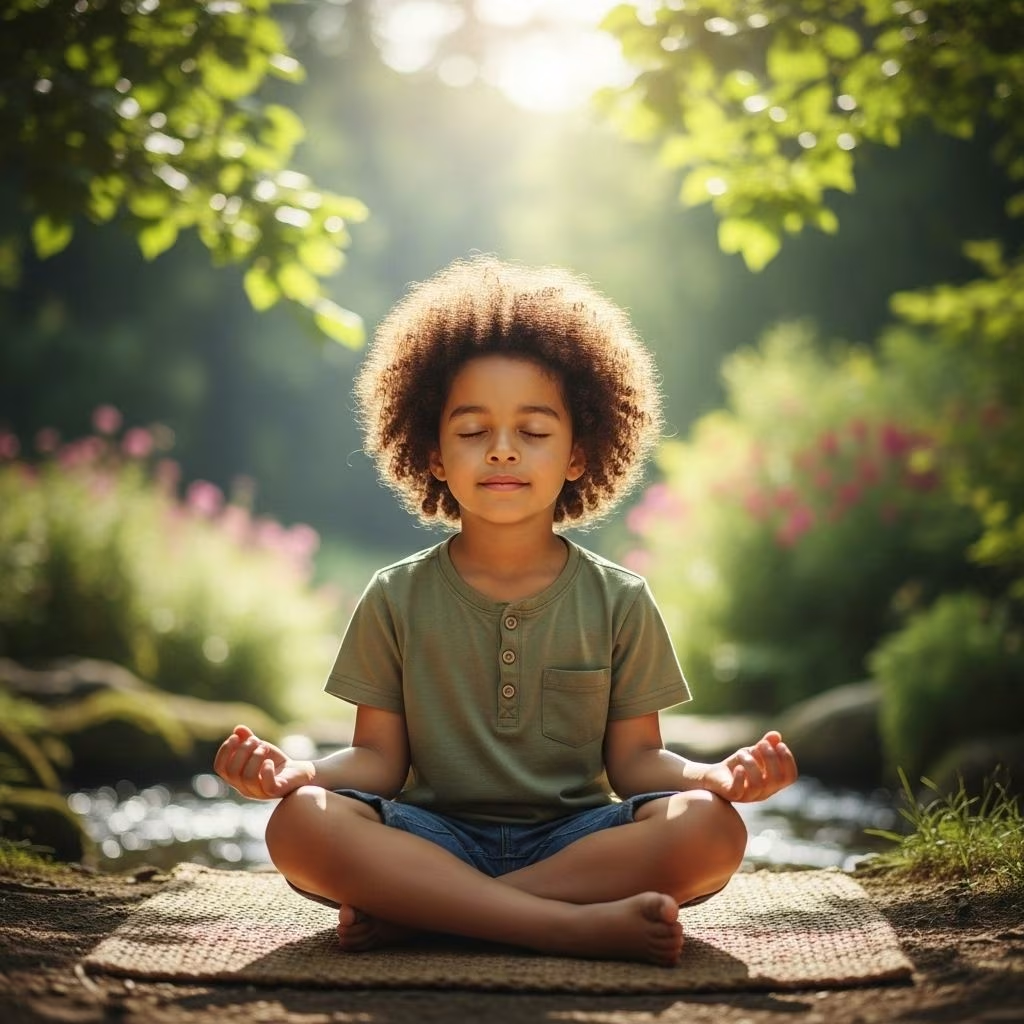
Meditation is a widely recognized practice that enhances mental and physical well-being in adults, but its benefits extend to children as well. In recent years, pediatricians have come to endorse meditation as a valuable tool for kids’ health. This article delves into the benefits of meditation for children, how it can be adapted for their needs, and shares insights from pediatricians on why it’s becoming an essential part of child development.
Benefits of Meditation for Kids
Meditation offers numerous benefits for children, similar to those experienced by adults. Some of the key advantages include improved mental health, enhanced focus, better stress management, and improved self-regulation. Let’s explore these benefits in more detail:
- Stress Reduction and Anxiety Management: Meditation helps trigger the body’s relaxation response, reducing anxiety and stress levels in children. This is particularly beneficial for kids dealing with academic pressures or social challenges.
- Improved Focus and Concentration: Regular meditation practices enhance a child’s ability to focus and concentrate. This is beneficial not only for academic success but also for developing better self-control.
- Enhanced Mental Health: Meditation can lead to improved mood and reduced symptoms of depression and other mental health concerns. It helps children manage their emotions more effectively.
- Better Self-Regulation: By practicing mindfulness, kids learn to observe their thoughts and feelings without judgment, leading to better emotional regulation and social skills.
Adapting Meditation for Children
While meditation has proven beneficial for adults, its application in children requires certain adaptations. Children often need a more engaging and interactive approach to maintain their interest and understanding. Here are some strategies for incorporating meditation into a child’s routine:
- Guided Meditation: Using storytelling and visualizations is particularly effective for kids, as it leverages their vivid imaginations and keeps them engaged.
- Playful Activities: Incorporating meditation into playtime through activities like yoga or music can make it more enjoyable and accessible for young children.
- Partnered Practice: Having a partner or companion during meditation can motivate children to practice regularly and make the experience more enjoyable.
Pediatrician Insights
Pediatricians now recognize the importance of meditation in promoting children’s health and well-being. In an interview, Dr. Matthew Badgett, a pediatrician at the Cleveland Clinic, emphasized that meditation can help kids manage stress and improve their focus, particularly in a world filled with distractions. The American Academy of Pediatrics also supports meditation as a safe and effective mind-body therapy for children, highlighting its benefits in improving mental health, coping skills, and self-regulation.
Implementing Meditation in Schools
Integrating meditation into school curricula is another way to make it accessible to children. Studies have shown that school-based mindfulness programs can lead to improved psychological functioning and reduced stress among students. These programs often include short mindfulness exercises that can be incorporated into daily routines, such as during breaks or before classes.
Frequently Asked Questions (FAQs)
Q: How old should a child be to start meditation?
A: Children can benefit from meditation at any age. However, it’s crucial to adapt the practice to their developmental stage. For younger children, it might involve more playful activities, while older kids can engage in more traditional forms of meditation.
Q: Can meditation help with academic performance?
A: Yes, meditation can improve focus and concentration, leading to better academic performance. It helps children stay attentive during lessons and absorb information more effectively.
Q: Are there specific meditation techniques for kids?
A: Yes, children benefit more from visual and interactive meditation techniques, such as guided imagery and storytelling. These methods engage their imagination and make the practice more enjoyable.
Conclusion
As pediatricians increasingly endorse meditation for children, it’s clear that this practice can have a profound impact on kids’ mental and physical health. By incorporating meditation into their daily routines, parents and educators can help children develop essential life skills such as stress management, focus, and emotional regulation. Whether through guided meditation sessions, playful activities, or school programs, making mindfulness a part of childhood can lead to a healthier and more balanced life.
References
- https://health.clevelandclinic.org/meditation-for-kids
- https://www.kirstenskaboodle.com/benefits-of-meditation-for-kids/
- https://coastalkids.com/finding-zen-teaching-kids-how-to-meditate/
- https://www.idanim.com/kids-meditation
- https://www.healthychildren.org/English/healthy-living/emotional-wellness/Pages/Just-Breathe-The-Importance-of-Meditation-Breaks-for-Kids.aspx
- https://pubmed.ncbi.nlm.nih.gov/33217077/
- https://www.calm.com/blog/the-gift-of-meditation-for-kids-by-mallika-chopra


