


- Introduction
- Benefits of Gratitude Journaling for Kids
- Getting Started with a 7-Day Gratitude Journal
- Sample 7-Day Mindful Gratitude Journal Plan
- Journal Prompts & Activities
- Tips for Parents and Teachers
- Free Resources and Printables
- Frequently Asked Questions
Introduction
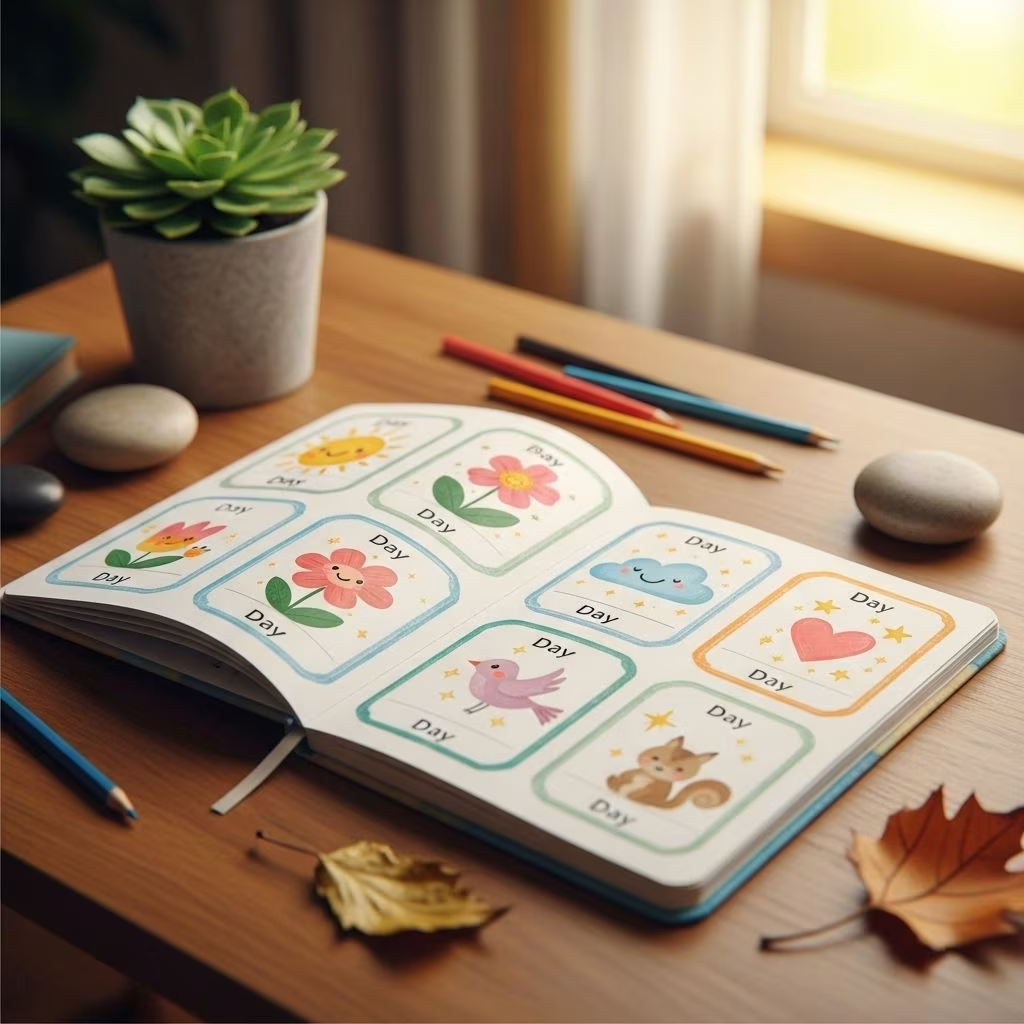
In today’s fast-paced world, teaching children the art of gratitude and mindfulness is more important than ever. A simple 7-day mindful gratitude journal for kids is a powerful tool to help children reflect on the positive aspects of their lives, develop emotional resilience, and cultivate a habit of thankfulness.
This guide is designed for parents, teachers, and caregivers who want to introduce children to gratitude journaling in a fun, structured, and age-appropriate way. Below, you’ll find everything you need to know—from the benefits of gratitude journaling to a ready-to-use 7-day plan, daily prompts, and free printable resources.
Benefits of Gratitude Journaling for Kids
Research and practical experience show that gratitude journaling offers numerous benefits for children, including:
- Improved Emotional Well-Being: Regularly expressing gratitude helps children focus on positive experiences, leading to increased happiness and reduced stress.
- Enhanced Self-Confidence: Reflecting on what they are thankful for helps children recognize their strengths and achievements, boosting self-esteem.
- Better Social Skills: Gratitude encourages empathy, kindness, and stronger relationships with peers and adults.
- Mindfulness and Awareness: Journaling prompts children to be present and mindful, appreciating the small joys in everyday life.
- Academic and Behavioral Improvement: Schools incorporating gratitude activities report better classroom behavior and improved focus.
Getting Started with a 7-Day Gratitude Journal
Setting up a gratitude journal for kids is simple and requires minimal materials. Here’s how to start:
Materials Needed
- A notebook or printable journal pages (free options are available online)
- Crayons, colored pencils, or markers
- Stickers or other fun decorations (optional)
Creating a Ritual
Encourage your child to set aside a few minutes each day—perhaps after breakfast or before bedtime—to complete their gratitude journal. Consistency is key to forming a lasting habit.
Setting the Tone
Talk to your child about gratitude and what it means. Explain that it’s about noticing and appreciating the good things, no matter how small. Share examples from your own life to make the concept relatable.
Sample 7-Day Mindful Gratitude Journal Plan
Below is a simple, structured 7-day gratitude journal plan designed for kids. Each day includes a prompt, a mindfulness activity, and space for creative expression.
| Day | Prompt | Mindfulness Activity | Creative Extension |
|---|---|---|---|
| 1 | What made you smile today? | Take three deep breaths; notice how you feel. | Draw a picture of your happy moment. |
| 2 | Who helped you today, and how? | Close your eyes and visualize that person. Say thank you in your mind. | Write or draw a thank you note. |
| 3 | What is something beautiful you saw today? | Pause and look around you right now. Find something beautiful nearby. | Create a colorful collage of beautiful things. |
| 4 | What is your favorite thing about yourself? | Place a hand on your heart and say, “I am kind. I am special.” | Make a list of your strengths. |
| 5 | What did you learn today? | Think about what you learned. How does it make you feel? | Draw a mind map of new things you learned. |
| 6 | What are you grateful for in nature? | Go outside for a moment. Listen to sounds and feel the breeze. | Collect leaves or flowers; paste them in your journal. |
| 7 | How can you show kindness to someone tomorrow? | Think of one kind act you can do. Imagine how it will make someone feel. | Plan and draw your act of kindness. |
This plan balances reflective writing, mindfulness, and creativity, making it engaging and accessible for children of different ages. Feel free to personalize the prompts to suit your child’s interests and experiences.
Journal Prompts & Activities
To keep children engaged, mix writing prompts with mindful activities and creative tasks. Here are additional ideas:
Daily Gratitude Prompts
- Today, I am thankful for…
- One kind thing someone did for me…
- Something funny that happened…
- A challenge I faced and how I handled it…
- Something I love about my family…
Mindfulness Activities
- Five-finger breathing: Trace your hand, inhaling as you go up a finger and exhaling as you go down.
- Gratitude walk: Step outside and notice five things you’re grateful for in nature.
- Body scan: Lie down and notice how each part of your body feels, starting from your toes to your head.
Creative Extensions
- Coloring pages: Many printable gratitude journals include themed coloring sheets to help kids relax and express themselves.
- Gratitude jar: Write down things you’re grateful for on slips of paper and add them to a jar.
- Kindness challenge: Encourage your child to perform one act of kindness each day and write about it.
Tips for Parents and Teachers
To make gratitude journaling a positive and lasting experience for children, consider these practical tips:
- Lead by Example: Share your own gratitude journal entries with your child to model the practice.
- Keep It Fun: Use colorful pens, stickers, and encouraging words. Make journaling a creative, not chore-like, activity.
- Encourage Honesty: Let children express a range of feelings, not just positive ones. Gratitude is about noticing and accepting all emotions.
- Celebrate Progress: Recognize your child’s efforts, no matter how small. Display their gratitude art or notes at home.
- Adapt for Age: Simplify prompts for younger children and add complexity for older kids. Use drawing or storytelling for those who are reluctant writers.
Remember, the goal is not perfection but consistent practice. Over time, children will internalize gratitude as part of their daily lives.
Free Resources and Printables
There are many free gratitude journals and printables available online, designed specifically for children. Here are some popular options:
- Teacher Pay Teachers: Offers a variety of free, printable gratitude journals with kid-friendly prompts, coloring pages, and meditation guides for different age groups.
- Big Life Journal: Provides a Gratitude & Mindfulness Kit with engaging activities, printable cards, and a journal for kids ages 5–12.
- Therapist Aid: Features a “Three Good Things” worksheet, perfect for introducing younger children to gratitude journaling with simple daily prompts.
These resources can be integrated into classroom activities, homeschooling curricula, or family routines.
Frequently Asked Questions
Q: What age is best to start a gratitude journal with kids?
Gratitude journaling can begin as early as preschool, with simple prompts and lots of drawing. School-aged children (6–12) can handle more structured writing and reflection.
Q: How long should my child spend on gratitude journaling each day?
Just 3–5 minutes daily is enough for most children. The key is consistent, manageable practice rather than long sessions.
Q: What if my child is reluctant to write?
Encourage drawing, storytelling, or even speaking their responses aloud. The focus is on expressing gratitude, not writing perfectly.
Q: Can gratitude journaling help with anxiety or stress?
Yes, regular gratitude practice can reduce stress and anxiety by helping children focus on positive aspects of their lives.
Q: Are there digital gratitude journals for kids?
Yes, many apps and online platforms offer digital gratitude journals, but paper journals with creative elements are often more engaging for younger children.
Q: How can I make gratitude journaling a family activity?
Set aside time each day for everyone to share their gratitudes. Use a family gratitude jar or board to collect and display entries.
Q: Are there faith-based gratitude journals for kids?
Yes, some resources pair gratitude prompts with Bible verses or spiritual reflections for families who want to incorporate faith into the practice.
Conclusion
Introducing a simple 7-day mindful gratitude journal for kids is a joyful and impactful way to nurture positivity, mindfulness, and emotional well-being in children. With consistent practice, children learn to appreciate the good in their lives, develop resilience, and build stronger relationships. Whether at home or in the classroom, gratitude journaling is a gift that keeps on giving—one day, one prompt, one thankful thought at a time.
Ready to get started? Download a free printable gratitude journal, gather some colorful pens, and embark on this meaningful journey with your child today!
References
- https://www.teacherspayteachers.com/browse?search=free+gratitude+journal++for+kids
- https://barnandbale.com/products/daily-gratitude-journal-for-kids
- https://www.therapistaid.com/therapy-worksheet/gratitude-journal-three-good-things
- https://www.goodhousekeeping.com/life/g61928259/best-gratitude-journals/
- https://biglifejournal.com/products/gratitude-kit-activities-kids
- https://www.intelligentchange.com/collections/kids
- https://www.etsy.com/listing/1849679489/gratitude-journal-for-kids-ages-7
- https://gratefullittlepeople.com/products/gratitude-journal-daily-gratitude-and-mindfulness-journal-for-kids


