


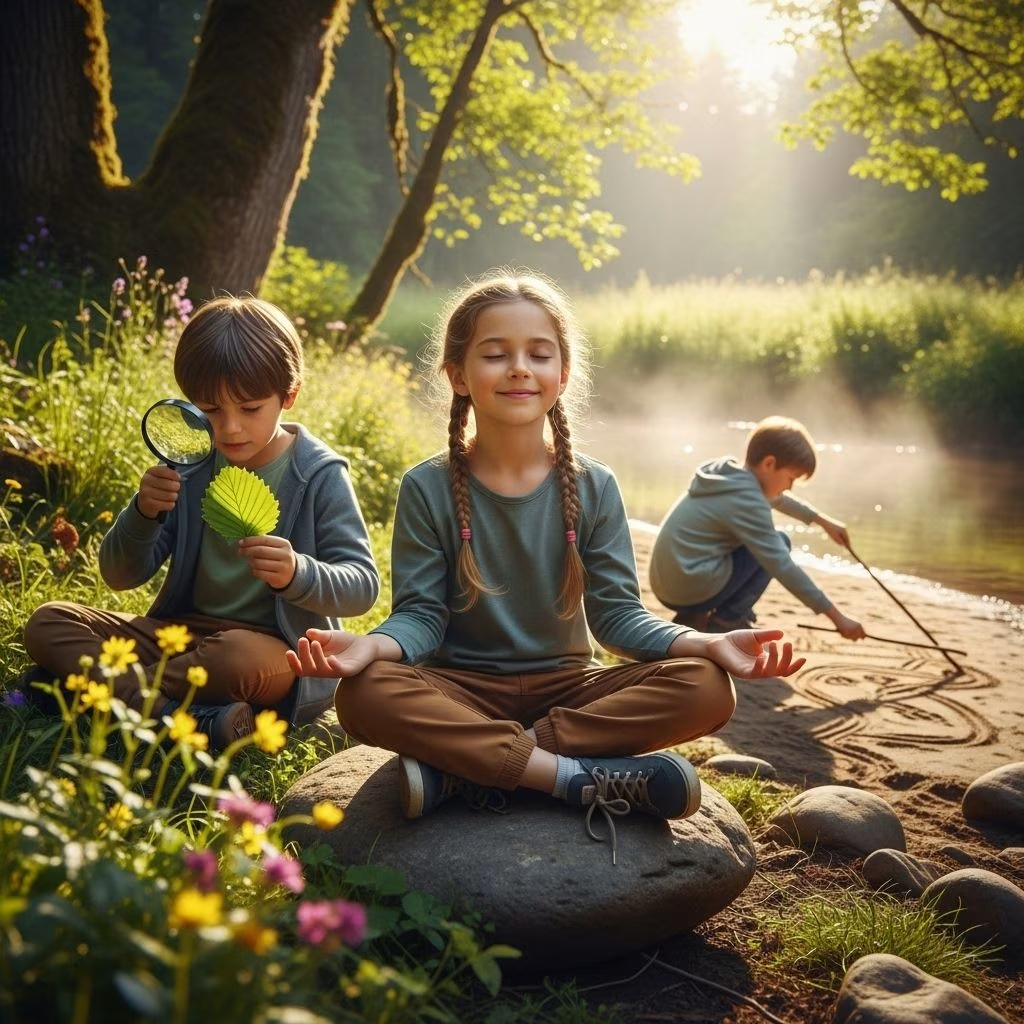
Children today often find themselves surrounded by technology and scheduled activities. Yet, research increasingly reveals that nurturing mindful connections with nature dramatically boosts their mental, emotional, and social wellbeing. This comprehensive guide explores how outdoor mindfulness and ecotherapy interventions foster resilience, self-regulation, empathy, and lifelong skills for kids.
Introduction: Why Outdoor Mindfulness Matters
In an era of screens, tight schedules, and urban living, children often experience nature as a luxury rather than a daily practice. Yet, science and decades of pediatric experience confirm that nature-based mindfulness activities—such as mindful walking, sensory exploration, and outdoor art—can profoundly transform child development. The concept of ecotherapy (also known as nature therapy) integrates intentional awareness with outdoor activities, harnessing the healing power of nature to boost physical, emotional, and social health for kids.
Nature’s Impact on Children’s Mental Health
Regular engagement with natural environments has long been linked to reduced stress, anxiety, and symptoms of disorders such as ADHD in children. Exposure to fresh air and natural light promotes better sleep cycles, essential for cognitive performance and emotional balance. Nature also inspires creativity and imagination, fostering problem-solving skills and independence in young minds.
- Natural settings help lower cortisol, the body’s primary stress hormone, leading to immediate relaxation.
- Outdoor play promotes resilience and self-esteem by offering unstructured challenges where children can succeed and learn through experience.
What Is Mindfulness for Kids?
Mindfulness involves the conscious, non-judgmental observation of one’s thoughts, feelings, and surroundings in the present moment. For children, this means learning to notice what they see, hear, and feel outdoors—a skill that can be developed through simple exercises like mindful breathing, sensory walks, or focusing on sounds and textures.
- Mindfulness in nature anchors a child’s attention to direct sensory experiences.
- Techniques range from silent observation of plants and insects to creative play that invites curiosity about the environment.
These practices are easily integrated into daily life and, when cultivated consistently, help children develop better emotional regulation and resilience.
Understanding Ecotherapy and Outdoor Mindfulness
Ecotherapy is a therapeutic approach that encourages people to interact mindfully with nature to improve wellbeing. Activities may include guided walks, animal-assisted therapy, gardening, outdoor art, or simply sitting in quiet observation. While aspects are often clinically supervised, many methods can be adapted by parents and educators at home or school. By encouraging kids to tune into their feelings and bodily sensations as they interact with nature, ecotherapy unites physical movement, sensory experience, and emotional growth.
Why Ecotherapy Works
- Combines proven benefits of outdoor play with mental health strategies such as mindfulness and reflection.
- Effortlessly engages kids’ senses, focusing their awareness and reducing mental distractions.
- Supports development of empathy by encouraging thoughtful observation of animals, plants, and ecological cycles.
Key Benefits of Outdoor Mindfulness
| Benefit | How Nature Enhances It | Mindfulness Approach |
|---|---|---|
| Focus and Attention | Reduces mental fatigue, increases concentration | Sensory grounding; mindful observation |
| Emotional Regulation | Calms nervous system, builds coping skills | Mindful breathing, noticing emotional responses |
| Resilience | Unstructured challenges, creative problem-solving | Reflection after outdoor play; journaling |
| Empathy and Compassion | Observation of living things, ecological cycles | Focused attention on animals/plants |
| Pro-Social Behavior | Group activities boost cooperation, communication | Shared mindfulness games; expressive art |
Effective Nature-Based Mindfulness Activities
Incorporating mindful practice in outdoor settings doesn’t require elaborate preparation or specialized equipment. The following activities, supported by both research and expert opinion, efficiently build focus, calm, and wellbeing:
- Mindful Nature Walks: Slow walks through gardens, parks, or woods, where children are encouraged to notice details: the texture of leaves, the sounds of birds, the scent of flowers.
- Outdoor Scavenger Hunts: Games to find objects or creatures in nature, combining excitement with mindful observation and achievement.
- Gardening: Hands-on interaction develops patience, responsibility, and connection to the ecosystem. Kids reflect on how working with soil and plants affects mood and attention.
- Sensory Grounding Exercises: Inviting children to touch, smell, and listen, focusing on the here and now. For example, feeling the coolness of water or the roughness of bark.
- Outdoor Art Projects: Creating paintings, collages, or sculptures inspired by nature builds emotional regulation and creativity.
- Animal Observation: Watching insects, birds, or small mammals closely, considering their perspective to foster empathy.
- Group Mindfulness Circles: Sitting in a group outdoors to share observations, feelings, and reflections strengthens cooperation and pro-social behavior.
Psychological and Social Advantages
Combining mindfulness with outdoor activity offers a unique blend of psychological and social effects, transforming the way children feel, behave, and interact. According to several studies, children engaging in nature-based mindfulness programs experience:
- Lowered anxiety and stress, validated by reduced cortisol levels in natural settings.
- Improved emotional regulation through self-reflection and sensory-motor experiences outdoors.
- Greater pro-social behavior, as cooperation and empathy are practiced in calming environments.
- Enhanced self-esteem and confidence in mastering new outdoor skills, with benefits transferring to other domains.
- Augmented empathy and compassion, resulting from attentive observation and imaginative perspective-taking in nature.
Impact on Learning and Focus
Outdoor mindfulness isn’t limited to emotional or social domains; it is increasingly recognized for its direct effects on learning and academic performance:
- Longer concentration on tasks, with children maintaining focus after mindful nature walks.
- Enhanced creativity, as free exploration outdoors leads to imaginative thinking and complex problem-solving.
- Better selective attention as a result of mindfulness training in natural environments, which improves information absorption and memory.
- Support for self-regulation and executive function, including planning, impulse control, and adaptability in classroom and home settings.
Teachers increasingly advocate for integrating outdoor mindfulness into curricula, highlighting its role in improving both academic readiness and holistic child development.
Practical Tips for Parents and Educators
To incorporate outdoor mindfulness at home or school, consider these evidence-based strategies:
- Match activities to the child’s personality: Some children benefit from quiet solitary observation, while others thrive in group games and creative projects.
- Start simple: Brief, regular activities are often more effective than occasional, lengthy sessions.
- Focus on the senses: Ask children what they hear, see, smell, and feel as they engage with nature.
- Include reflection: After activities, encourage children to discuss or journal their feelings and discoveries.
- Work with all ages: Adapt activities to be age-appropriate, from preschool sensory exploration to older children’s more abstract reflections.
- Be present: Model mindful behavior by participating and sharing your own observations and feelings.
Frequently Asked Questions
Q: What’s the difference between outdoor play and outdoor mindfulness?
A: Outdoor mindfulness adds a layer of purposeful attention to outdoor play, emphasizing reflective awareness of the present environment and self, rather than just physical activity.
Q: How often should children engage in outdoor mindfulness activities?
A: Regular short activities—several times per week or daily—are ideal for integrating mindfulness and developing habits that benefit overall wellbeing.
Q: Are there age restrictions for mindfulness?
A: Mindfulness activities can be adapted for all ages, with simpler sensory exercises for young children and more complex reflection for older kids.
Q: Does outdoor mindfulness require special training for parents or educators?
A: While therapist-led ecotherapy is available, most nature-based mindfulness activities can be led by any adult using structured guidelines and age-appropriate instructions.
Q: Can nature-based mindfulness help children with ADHD or anxiety?
A: Studies indicate that outdoor mindfulness can reduce stress, improve attention, and help regulate emotions for children facing these challenges.
Conclusion
Outdoor mindfulness practice, rooted in intentional connection with nature, offers tangible benefits that shape healthy, resilient, and empathetic children. By blending movement, sensory exploration, reflection, and creativity in natural environments, families and educators can foster holistic child development and lifelong wellbeing.
Whether through structured ecotherapy programs or simple daily nature walks, prioritizing mindful outdoor experiences delivers lasting returns for kids’ mental health, academic success, and emotional regulation. As research and experience unite, it becomes clear: nurturing young minds in nature is one of the most powerful ways to build a happier, healthier generation.
References
- https://www.natgeokids.com/uk/parents/ecotherapy-can-boost-kids-wellbeing/
- https://childrensclinicga.com/benefits-of-outdoor-play/
- https://outdoorclassrooms.com/blog/mindfulness-in-nature-the-psychological-benefits-of-outdoor-classrooms/
- https://www.journalstudiesanthropology.ro/en/early-childhood-learning-through-outdoor-education-and-mindfulness/
- https://pmc.ncbi.nlm.nih.gov/articles/PMC8936381/
- https://pmc.ncbi.nlm.nih.gov/articles/PMC10999151/
- https://malvernschool.com/blog/mindfulness-activities-for-kids
- https://www.sais.edu.hk/blog/the-impact-of-mindfulness-practices-on-childrens-well-being/


