


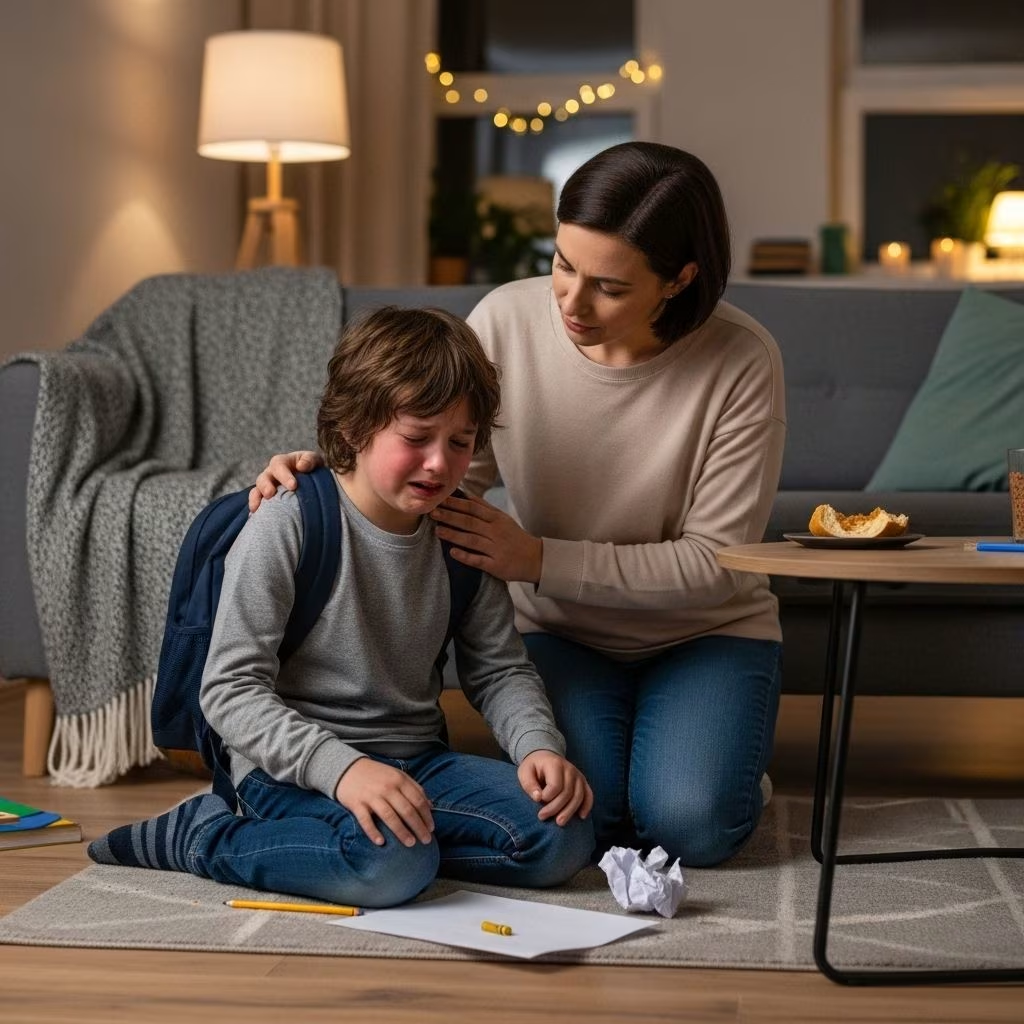
Understanding After-School Meltdowns
Many children experience after-school meltdowns, a phenomenon often referred to as “restraint collapse.” This occurs when children release their pent-up emotions upon returning home after spending the day managing their behavior and emotions in a structured school environment. Understanding why these meltdowns happen is crucial for developing effective prevention strategies.
Why Do After-School Meltdowns Happen?
After-school meltdowns are a result of the exhaustion and stress children experience from managing their emotions and behaviors throughout the school day. Once they reach the safety of their home, they feel comfortable expressing their pent-up feelings.
Strategies to Prevent After-School Meltdowns
While it’s impossible to completely eliminate meltdowns, there are several strategies parents can use to manage and reduce their frequency:
- Create a Calming After-School Routine: Establish a consistent routine that includes quiet time, a healthy snack, and sensory activities. This helps children transition smoothly from school life to home.
- Provide a Soft Landing: Instead of immediately asking about their day, greet them with a calm and warm welcome. Offer a hug or a snack to help them relax.
- Avoid Question Overload: Allow your child time to decompress without being bombarded with questions about their day. This can help reduce stress and anxiety.
- Encourage Emotional Expression: Give your child space to express their emotions freely without judgment. This helps them process their feelings and learn to manage them over time.
- Offer Structured Choices: Provide limited choices to help your child feel more in control. For example, ask if they’d prefer a banana or an apple as a snack.
- Stay Connected During the Day: Leave notes or pictures in their lunchbox or backpack to remind them they are loved and supported.
Calming Techniques for Meltdowns
When meltdowns do occur, it’s important to have calming techniques ready:
- Deep Breathing Exercises: Encourage your child to take slow, deep breaths to calm their nervous system.
- Sensory Activities: Use sensory bins, body socks, or swinging to help your child release pent-up energy and emotions.
- Physical Activity: Engage your child in physical activities like dancing or running to help them release tension.
- Cozy Corner: Create a cozy space with pillows and blankets where your child can retreat to relax.
Building a Supportive Environment
Creating a supportive environment at home can significantly help reduce the frequency and intensity of after-school meltdowns:
- Routine and Consistency: Establish a predictable schedule for the after-school period to provide a sense of stability.
- Quality Time: Spend quality time with your child, engaging in activities they enjoy, to strengthen your bond and provide emotional support.
- Free Play: Allow time for unstructured play to help your child release energy and express themselves freely.
Frequently Asked Questions (FAQs)
Q: What is restraint collapse?
A: Restraint collapse, or after-school meltdown, occurs when children release their pent-up emotions after holding it together all day at school. This behavior is common and happens because home is a safe space for them to express themselves freely.
Q: How can I prevent meltdowns?
A: To prevent meltdowns, create a calming routine, avoid question overload, provide healthy snacks, and offer emotional support. Consistency and understanding are key in managing these episodes.
Q: What are some effective calming techniques?
A: Effective calming techniques include deep breathing, sensory activities, physical activity, and creating a cozy environment. These methods can help your child relax and manage their emotions better.
Conclusion
After-school meltdowns are a natural response to the stress and pressure of the school day. By understanding why they happen and implementing effective prevention strategies, parents can help their children navigate these challenging moments more smoothly. Remember, patience and empathy are crucial in helping your child develop emotional regulation skills over time.
References
- https://www.theottoolbox.com/after-school-meltdowns-why-kids-fall-apart-at-home-and-how-to-help/
- https://www.hazel.co/resources/after-school-restraint-collapse
- https://parents-together.org/how-to-manage-after-school-meltdowns/
- https://www.handyhandouts.com/Handout/686/home-is-where-the-meltdowns-are-how-to-address-after-school-restraint-collapse
- https://instituteofchildpsychology.com/navigating-after-school-restraint-collapse-2/
- https://harkla.co/blogs/special-needs/after-school-strategies
- https://www.psychologytoday.com/us/blog/targeted-parenting/202509/dealing-with-after-school-restraint-collapse-5-ways-to-help
- https://robertsacademy.org/understanding-after-school-restraint-collapse-what-it-is-and-how-to-help-your-child/
- https://www.encompassnw.org/wp-content/uploads/2021/08/Restraint-Collapse-tip-sheet.pdf


