


\n\n
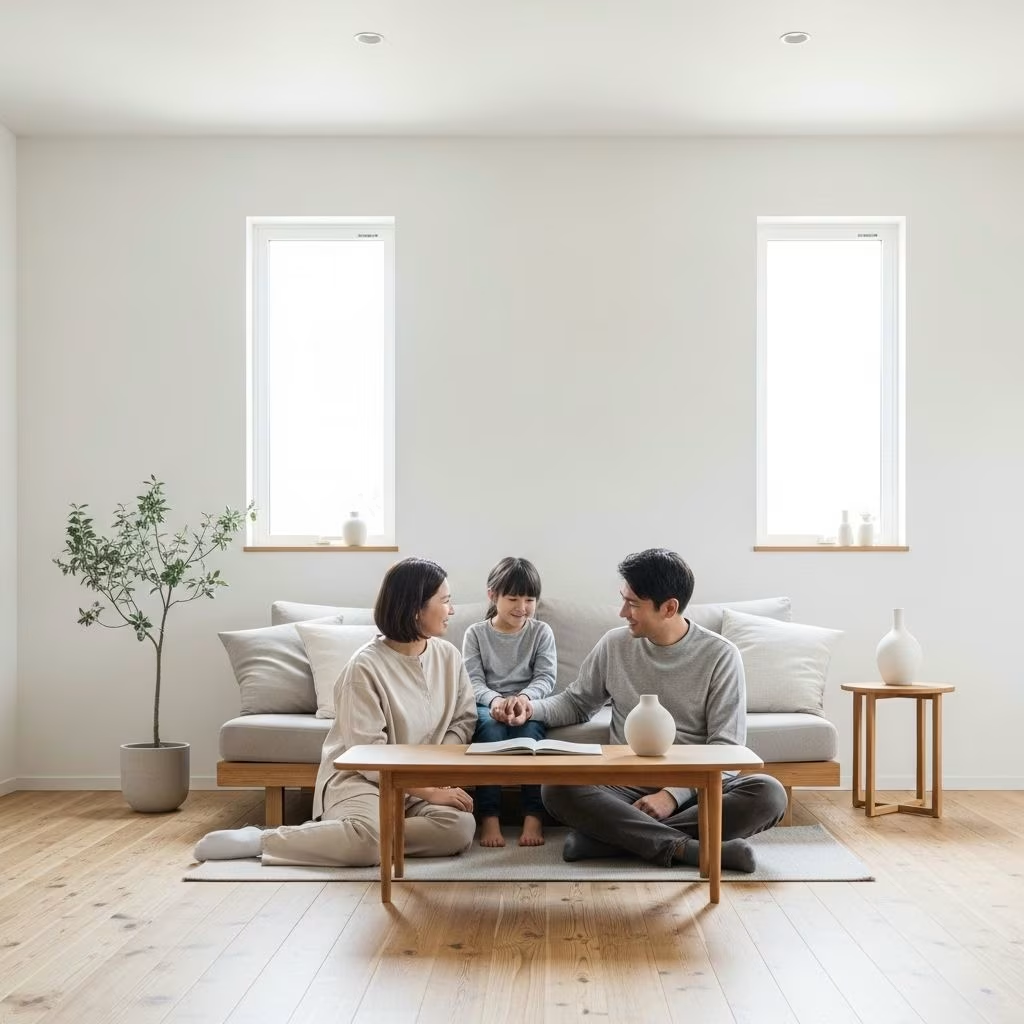
In a world overflowing with commitments and distractions, families often feel overwhelmed trying to balance endless to-dos with meaningful togetherness. Embracing a minimalist family routine and building simple schedules can be transformative, reducing chaos, fostering connection, and creating space for what truly matters. This comprehensive guide offers practical steps, inspiration, and strategies to help any family simplify their days—without sacrificing joy, spontaneity, or productivity.
\n\n
Table of Contents
\n
- \n
- Why Minimalist Routines Matter
- Core Principles of Minimalist Schedules
- Steps to Create a Minimalist Family Schedule
- Sample Minimalist Family Schedules
- Tips for Keeping It Simple
- Overcoming Common Challenges
- Benefits of a Minimalist Family Routine
- Frequently Asked Questions
\n
\n
\n
\n
\n
\n
\n
\n
\n\n
Why Minimalist Routines Matter
\n
Everyday life for modern families is often dominated by busy schedules, clutter, and the pressure to do and have more. The minimalist approach flips this script: it encourages families to be intentional about their time and commitments, focusing on quality over quantity. This is not just about cutting activity for its own sake—it is about creating a rhythm that supports wellbeing, relational connection, and personal growth.
Key benefits include:
\n
- \n
- Less stress—A simplified schedule means fewer frantic mornings and calmer evenings.
- More family connection—More time for important moments together.
- Room for rest and creativity—Space is left for relaxation, hobbies, or spontaneous fun.
\n
\n
\n
\n\n
Core Principles of Minimalist Schedules
\n
Before building a minimalist routine, it is crucial to understand the foundational principles that make these approaches effective:
\n
- \n
- Intentionality: Every routine or scheduled activity should support a family value or goal. Less is often more; every commitment should have a clear purpose.
- Flexibility: Schedules are a guide, not a prison. Allow space for things to change and adapt as needed.
- Visual simplicity: Routines should be easy to understand and follow, even for young children. Simple visual charts or lists can be very effective.
- Consistency (not perfection): Strive to follow routines most of the time, but leave room for breaks or life’s unpredictability—aim for about 80% consistency.
- Decluttered environment: A tidy space makes routines smoother and reduces visual stress.
\n
\n
\n
\n
\n
\n\n
Steps to Create a Minimalist Family Schedule
\n
Creating a simple, sustainable schedule requires honest family assessment and experimenting until the routine fits your unique life. Below are practical steps, synthesized from expert advice and real family routines:
\n\n
1. List Everything That Happens in a Day
\n
Start with a brain dump. Include all recurring activities, even the basics such as:
\n
- \n
- Meal prep and meals
- Sleep and rest
- Kids’ activities and play
- Work or school commitments
- Exercise or movement
- Academic or homework time
- Self-care (for all family members!)
- Household chores and cleaning
- Family time / relaxation
- Partner connection / alone time
\n
\n
\n
\n
\n
\n
\n
\n
\n
\n
\n
The goal here is awareness—see what is actually taking up time each day.
\n\n
2. Identify the Busiest and Most Stressful Parts of the Day
\n
Reflect on which moments are most rushed, chaotic, or hectic—often mornings, after school, and bedtime. These are the best places to begin streamlining routines.
\n\n
3. Decide What Truly Needs to Stay
\n
Ask: What activities serve our family values and well-being? Which ones create unnecessary busyness or don’t add value? Remove or reduce as much as possible until you are left with essentials and true priorities. This is where minimalism shines—purposeful subtraction.
\n\n
4. Assign Timeframes
\n
For each routine, estimate (realistically!) how long tasks take. Avoid overpacking—leave buffer time between activities and avoid rushing.
\n\n
5. Use Visual Schedules or Shared Calendars
\n
Post a simple schedule on the fridge, in bedrooms, or in a shared digital calendar. For children, visual charts with icons can make routines fun and easy to follow. Digital calendars help caregivers stay synced.
\n\n
6. Prepare and Reset
\n
Evening and weekly prep make mornings and busy moments smoother. Laying out clothes, prepping breakfasts, and resetting spaces at night help create a peaceful start to each day.
\n\n
7. Test and Revise Often
\n
Check in weekly with a brief “family meeting” to see what’s working and what needs tweaking. Routines should grow with your family, not become a source of rigidity or guilt.
\n\n
Sample Minimalist Family Schedules
\n
Every family is unique, but below are examples of simple daily routines that distill minimalist principles in real life. Adjust times and activities to fit your own household and needs:
\n\n
| Time | Routine Step | Notes |
|---|---|---|
| 6:30 AM | Adults wake, quiet alone time | Gentle start, can include reading, stretching, or meditation |
| 7:00 AM | Kids wake, cuddles/connection | Start the day calmly with a short pause or chat |
| 7:15 AM | Breakfast for all (prep in advance if possible) | No phones/screens, encourage conversation |
| 7:45 AM | Personal care (teeth, face, get dressed, tidy room) | Checklist or visual chart helps younger kids |
| 8:00 AM | School/work prep, leave house or start remote work/learning | Backpacks, lunches, everything ready the night before |
| 12:00 PM | Lunch and short family check-in if possible | Unplugged lunch, quick discussion or gratitude |
| 4:00 PM | After-school decompression and snack | 20-30 minutes for free play, outdoor time, or rest |
| 5:30 PM | Dinner together | Family meal, everyone helps with setting/clearing table |
| 7:00 PM | Evening routine (showers, pajamas, reading) | Winding down together away from screens |
| 8:00 PM | Kids’ bedtime, adult reset for next day | Lay out clothes, prep breakfast, tidy main spaces |
| 9:00 PM | Adult downtime or couple time | Relax, connect, recharge |
\n\n
Remember: This example is just a guideline. Some minimalist families do fewer scheduled activities and focus on large time blocks—for example, a single “morning routine” that encompasses everything from waking to leaving the house, followed by another large block for “after-school wind-down and family dinner.” The more you simplify transitions, the easier routines become.
\n\n
Tips for Keeping It Simple
\n
- \n
- Start small, adjust gradually—Rather than overhauling your whole day, change one routine (like mornings or evenings) at a time.
- Prep together as a family—Get kids involved in choosing and practicing routines—they’ll be more invested and independent over time.
- Make it visible—Hang up routines or use family calendars in a common area.
- Declutter before adding more structure—A tidy environment smooths out routines and saves time.
- Buffer and transition times—Allow for flexibility by planning margins between activities.
- Embrace imperfection—No routine is perfect every day. If you stick to it 80% of the time, that’s excellent.
- Schedule downtime—Block off time for play, rest, and togetherness—these are not optional extras but essential for balance.
\n
\n
\n
\n
\n
\n
\n
\n\n
Overcoming Common Challenges in Minimalist Scheduling
\n
Even with the best intentions, minimalist routines require patience and adaptability. Here are common obstacles and solutions:
\n
- \n
- Kids resist new routines—Make it fun and visual; let them participate in the process. Offer choice within structure when possible.
- Life gets unpredictable—Use routines as anchors, not rigid rules. Adapt as needed without guilt; aim for consistency, not perfection.
- Too much on your plate—Reevaluate your commitments. Practice saying no. Let go of nonessential activities and responsibilities.
- Both parents/caregivers have busy work schedules—Coordinate weekly as a team. Use shared calendars and split tasks based on availability.
- Clutter disrupts routines—Take 10 minutes a day to clear key spaces. Prioritize high-traffic areas: kitchen, entryway, kids’ rooms.
\n
\n
\n
\n
\n
\n\n
Benefits of a Minimalist Family Routine
\n
- \n
- Lower stress, increased calm—Predictable routines minimize decision fatigue and last-minute rushing.
- Better sleep and health—Consistent schedules support healthy eating and sleep habits.
- More quality family time—Free evenings or weekends for togetherness, hobbies, and rest.
- Empowered, independent kids—Simple routines help children learn to manage time and responsibilities.
- Clutter-free home—Daily tidying and prep keep spaces feeling peaceful and functional.
\n
\n
\n
\n
\n
\n\n
Frequently Asked Questions (FAQs)
\n\n
Q: How do I start creating a minimalist routine if my family has never followed a schedule before?
\n
A: Begin with one small routine (such as the morning or bedtime). Involve everyone in brainstorming steps, keep it visual and simple, and adjust as you go. Do not aim for perfection—consistency will grow naturally over time.
\n\n
Q: Our mornings are chaotic—what’s the easiest place to begin simplifying?
\n
A: Focus on prepping the night before by laying out clothes, setting up breakfast, and placing school bags by the door. Use a clear checklist or chart so everyone knows the routine.
\n\n
Q: How much should we schedule versus leaving time open?
\n
A: Minimalist schedules balance structured \”anchor points\” (like meals, school, bedtime) and enough open time for rest and play. Block off downtime just as purposefully as any other activity.
\n\n
Q: What if my kids have many activities but dislike being rushed?
\n
A: Evaluate which activities are genuinely valued or necessary. Where possible, reduce extracurriculars, and space out the remaining ones to avoid back-to-back rushing. Allow transition times and commit to less when possible.
\n\n
Q: How do we keep track of everyone’s schedules in a busy household?
\n
A: Use a shared digital calendar (for older kids and adults) and a visual family chart for younger children. Designate time each week to update the family, ideally in a brief family meeting.
\n\n
Q: How do I maintain motivation for minimalist routines?
\n
A: Focus on the \”why\”—less chaos, more peace, and stronger relationships. Celebrate small successes, involve everyone in setting the routine, and keep things adaptable and fun.
\n
References
- https://theincrementalmama.com/daily-family-schedule-cooped-up/
- https://thisroutinelife.com/family-routines-for-beginners/
- https://findyourgold.ca/blog/our-daily-routine-how-we-are-learning-to-thrive-as-a-busy-family-of-four
- https://www.todaysparent.com/family/how-to-get-your-family-organized-and-on-schedule-in-three-steps/
- https://www.becomingminimalist.com/routines/
- https://www.youtube.com/watch?v=5s8WkF6JjZ4


