


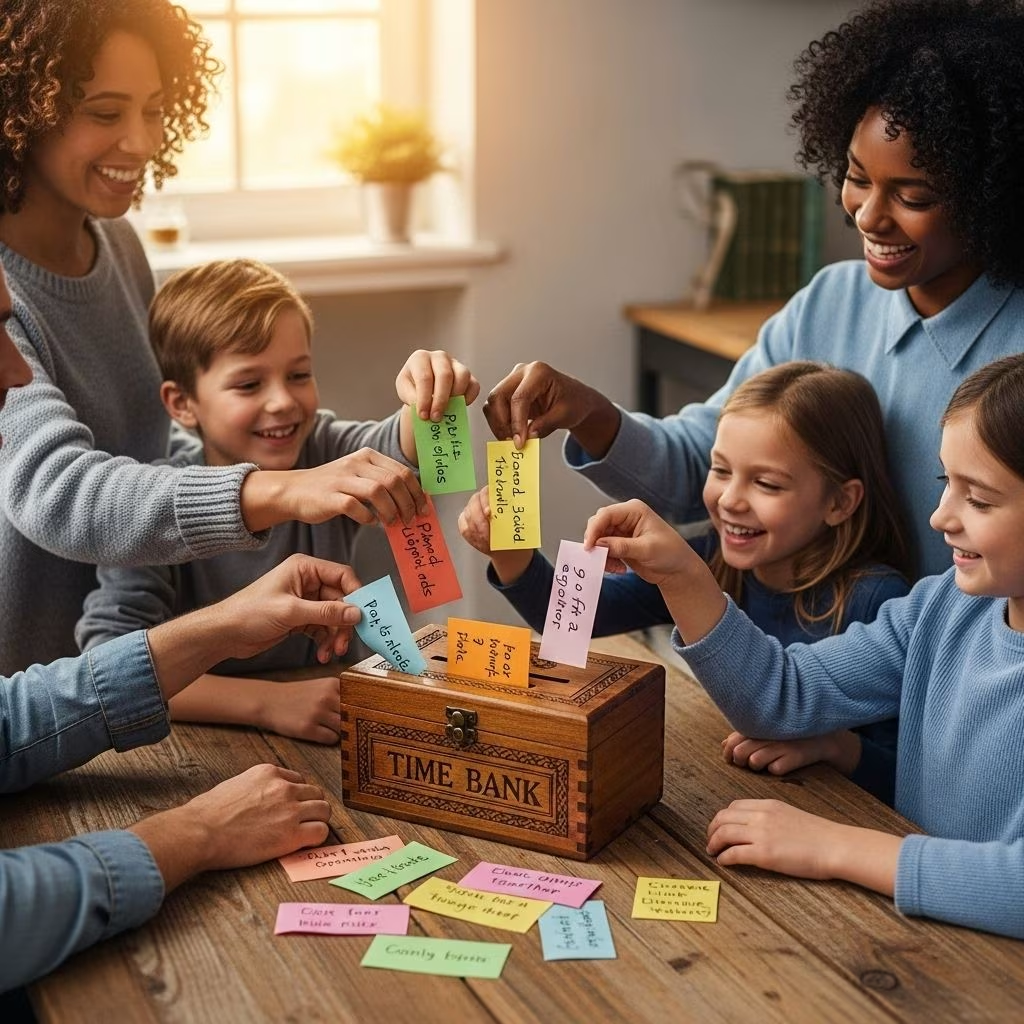
What Is a Family Time Bank?
A family time bank is an innovative system inspired by community time banking, where time—rather than money—becomes the currency of exchange within the household. In a time bank, every family member’s time and effort are valued equally: one hour spent helping others (whether it’s doing laundry, cooking, or teaching a sibling to ride a bike) earns one time credit, which can be “spent” on receiving help or fun activities in return. This approach fosters a sense of fairness, mutual respect, and shared responsibility, while also encouraging spontaneous, unscheduled family fun.
Unlike traditional allowance systems, which often tie chores to cash, a time bank emphasizes that everyone’s contributions matter, regardless of age or skill level. It’s about recognizing the abundance within your family and using it to create a more joyful, connected, and equitable home environment.
How Family Time Banking Works
Basic Principles
- Equal Value for All Time: Every minute or hour a family member spends helping another earns a time credit. One credit equals one unit of time, making everyone’s effort equally valuable.
- Flexible Exchange: Credits can be exchanged for help with chores, special treats, or fun activities—anything the family agrees on.
- Transparent Tracking: A simple chart, app, or notebook tracks each member’s time balance. Settlements can happen daily or weekly, allowing everyone to see their contributions and withdrawals.
Examples of Time Bank Exchanges
| Activity | Time Earned | How Credits Might Be Spent |
|---|---|---|
| Helping with dishes | 30 minutes | Request a family game night |
| Tutoring a sibling | 1 hour | Choose the next movie for family movie night |
| Organizing a room | 45 minutes | Ask for help with a hobby project |
Accountability and Support
Regular check-ins help maintain balance. If someone’s credits are much higher or lower than others, the family can discuss how to redistribute tasks or offer extra support, ensuring no one feels overburdened or left out.
Benefits of a Family Time Bank
Strengthening Family Bonds
A time bank encourages family members to see each other as partners, not just as people who happen to live together. By valuing each other’s time and effort, everyone feels appreciated and respected, which strengthens emotional connections and trust.
Encouraging Responsibility and Teamwork
Children and adults alike learn the importance of pitching in. When everyone contributes, household tasks become shared responsibilities rather than chores imposed by authority figures.
Promoting Unscheduled Family Fun
By linking contributions to rewards—like choosing a fun activity—a time bank makes unscheduled family fun a regular part of life. These moments of joy become a direct result of mutual support and cooperation.
Teaching Life Skills
Kids gain practical experience in time management, negotiation, and the value of reciprocity—lessons that extend far beyond the home.
Fostering a Culture of Appreciation
In a busy world, it’s easy to overlook the small acts of kindness that keep a household running. A time bank makes these contributions visible and valued, creating a culture where gratitude and acknowledgment are the norm.
Implementing a Family Time Bank in Your Home
Step-by-Step Guide
- Family Meeting: Gather everyone to discuss what a time bank is and why you want to try it. Encourage each person to share their hopes and concerns.
- Define Values and Goals: Talk about your family’s values—cooperation, fairness, fun—and how a time bank can help you live them out.
- List Chores and Fun Activities: Make a list of tasks and enjoyable activities that can be exchanged. Let everyone contribute ideas.
- Set Up a Tracking System: Choose a simple way to record time credits—a whiteboard, app, or notebook.
- Regular Check-Ins: Schedule weekly or daily check-ins to review balances, celebrate contributions, and adjust as needed.
- Celebrate and Reflect: Reflect on what’s working and what could be improved. Celebrate your family’s growing connection and shared joy.
Tips for Success
- Keep It Simple: Start with a few tasks and expand as your family gets comfortable.
- Be Flexible: Adjust the system as you learn what works best for your household.
- Encourage Voluntary Gifting: Not every act needs to be “paid for.” Sometimes, gifting time can be its own reward.
- Use Support Structures: Consider a suggestion box or regular family meetings to keep the system dynamic and responsive to everyone’s needs.
Creative Ideas for Unscheduled Family Fun
Unscheduled family fun is at the heart of a successful time bank. Here are some ideas to spark joy and connection:
- Movie Night Roulette: Let the family member with the most credits choose the movie. Pop some popcorn and enjoy!
- Game Marathon: Spend credits on a game night, with a different family member picking each game.
- Backyard Campout: Earn credits for helping set up, and spend them on choosing campfire snacks or stories.
- Cooking Challenge: Work together to prepare a meal, then enjoy the fruits of your labor.
- Nature Walk or Scavenger Hunt: Use credits to pick the destination or lead the adventure.
Addressing Challenges and Misconceptions
Common Challenges
- Initial Resistance: Some family members may be skeptical or reluctant to change routines. Open conversation and small, positive experiences can help win them over.
- Balancing Credits: It’s important to ensure that no one is consistently overworked or feeling left out. Regular check-ins and adjustments help maintain fairness.
- Maintaining Motivation: Over time, excitement may wane. Mixing up the rewards and celebrating milestones keeps the system fresh.
Misconceptions
- It’s Just About Chores: A family time bank is as much about fun and connection as it is about chores. The goal is to create a more enjoyable, cooperative household.
- It’s Too Complicated: While it may sound involved, a time bank can be as simple or detailed as your family likes. Start small and grow at your own pace.
- It’s Like an Allowance: Unlike allowances, which are monetary, a time bank values effort and time, not cash. This can help kids understand the intrinsic value of helping out and spending quality time together.
Family Time Bank FAQs
- Q: How is a family time bank different from a regular chore chart?
- A: A chore chart simply lists tasks to be done, often tied to rewards or punishment. A time bank values every family member’s time equally, encourages mutual support, and directly links contributions to shared fun and rewards, fostering deeper connection and accountability.
- Q: Do young children understand how a time bank works?
- A: Children as young as four or five can grasp the basics with simple explanations and visual aids. As they grow, they’ll appreciate the fairness and teamwork involved.
- Q: What if a family member doesn’t want to participate?
- A: Respect their feelings and invite them to join when they’re ready. Sometimes, leading by example and focusing on the fun aspects can help reluctant members come around.
- Q: Can we use a time bank for non-chore activities, like homework help?
- A: Absolutely! Any activity that involves giving or receiving help—homework, hobbies, even emotional support—can be part of your time bank, as long as your family agrees.
- Q: How do we handle disagreements about time credits?
- A: Set clear guidelines upfront, and be open to revisiting them as a family. Regular check-ins help address concerns before they become conflicts.
Conclusion
A family time bank is more than just a new way to share chores—it’s a pathway to unscheduled family fun, stronger bonds, and a home where everyone’s time and effort are truly valued. By treating each other’s contributions with respect and linking them to joyful experiences, families can navigate the busyness of modern life with a renewed sense of partnership and play. Whether you’re seeking to encourage responsibility in your children, reduce household stress, or simply have more fun together, a time bank can transform the way your family lives, learns, and laughs—one shared minute at a time.
Ready to start? Gather your family, choose your first tasks and rewards, and watch as your home becomes a little more cooperative, appreciative, and full of unscheduled fun.
References
- https://www.givingtuesday.org/generosity-toolbox/time-banking-building-stronger-communities-one-hour-at-a-time/
- https://grassecon.org/familytimebank
- https://vkrponline.org/wp-content/uploads/sites/3/2018/01/Banking-Time.pdf
- https://timebanking.org/howitworks/
- https://www.smithsonianmag.com/innovation/time-banking-is-catching-on-in-digital-world-180969437/
- https://nonprofitquarterly.org/time-banking-a-community-path-to-addressing-social-exclusion/
- https://reasonstobecheerful.world/time-banks-valuable-currency-aging-communities/
- https://www.channelkindness.org/time-for-kindness/
- https://www.ourtimebank.com/about


