


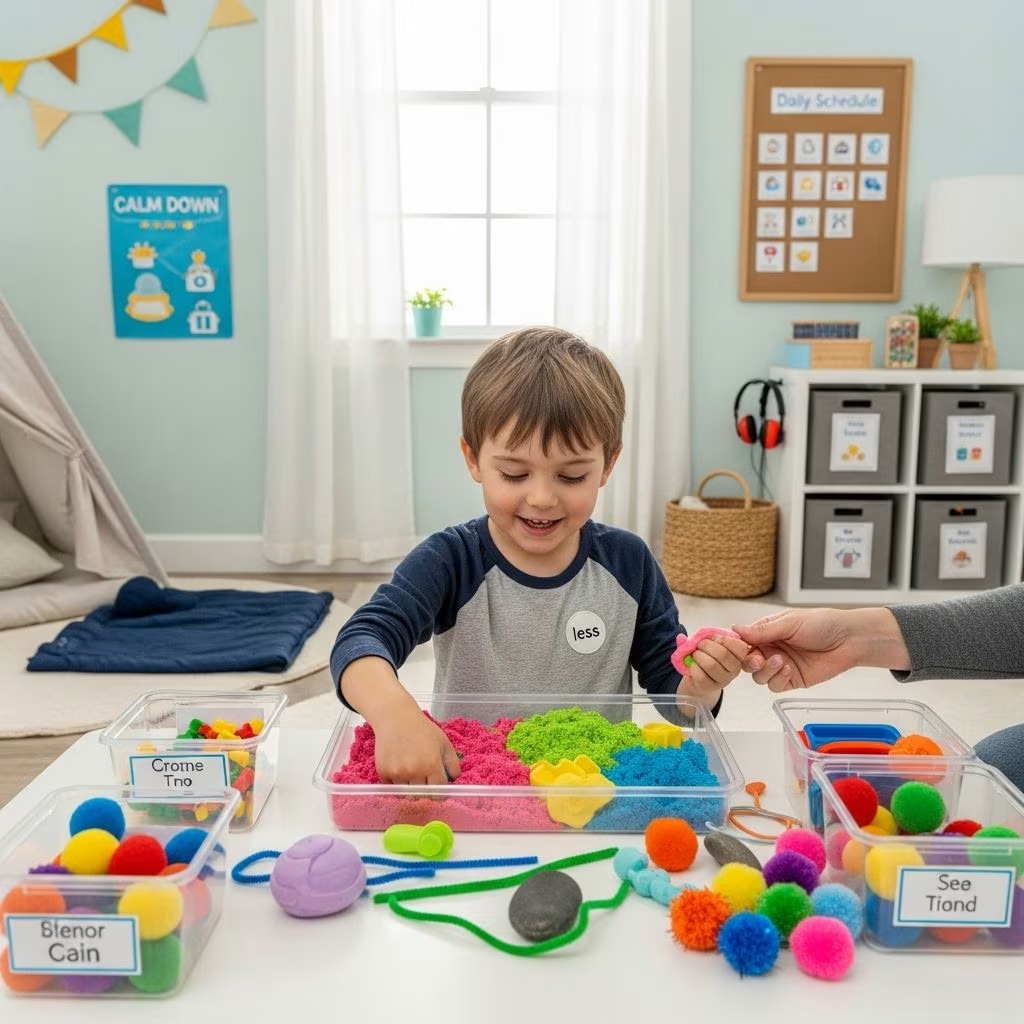
Children with sensory processing challenges experience the world in unique, sometimes overwhelming ways. Everyday routines—waking up, meals, play, outings, bedtime—can become sources of confusion or stress without thoughtful support. Structured, predictable, and sensory-friendly routines offer stability, empower independence, and help kids flourish. This guide explores practical adjustments for daily life, drawing from occupational therapy, parental wisdom, and current research.
Understanding Sensory Processing in Children
Sensory processing refers to how the nervous system receives, organizes, and responds to sensory information—sights, sounds, textures, movement, tastes, and smells. Children with Sensory Processing Disorder (SPD) or related challenges may be hypersensitive (over-responsive) or hyposensitive (under-responsive) to stimuli, or experience a fluctuating mix.
These differences influence daily functioning in subtle and profound ways. Typical reactions include:
- Heightened anxiety or distress when encountering loud noises, bright lights, or certain textures
- Seeking out intense sensory input (jumping, spinning, chewing)
- Difficulty with changes in routines and transitions between activities
- Challenges with coordination and self-regulation
With the right support and routine adjustments, children can navigate their day with greater comfort, confidence, and joy.
Why Sensory-Friendly Routines Matter
Sensory-friendly routines are more than schedules—they are structured frameworks that:
- Promote security: Predictable routines help reduce anxiety caused by uncertainty and sensory surprises.
- Ease transitions: Repeating familiar steps prepares children for what’s next, making it easier to move between activities.
- Support regulation: Integrating calming or stimulating sensory activities helps kids stay emotionally and physically regulated.
- Encourage independence: Visual cues and step-by-step routines foster autonomy in self-care and daily participation.
Establishing these routines requires intention, observation, and a commitment to adapting as your child grows and changes.
Core Elements of a Sensory-Friendly Routine
Effective routines for sensory processing kids are rooted in a combination of structure, flexibility, and individualized support. Consider weaving these core elements into your family’s day.
1. Consistent Structure and Visual Supports
- Visual Schedules: Use pictures, icons, or charts to outline daily routines (e.g., morning preparation, meal times, bedtime). Place these schedules where your child can see and interact with them regularly.
- Timers and Cues: Employ countdown timers, sand timers, or cue cards to signal the start or end of activities.
- Predictability: Keep routines as consistent as possible, reserving flexibility for when change is necessary. Review and announce changes well in advance.
2. Built-In Sensory Breaks and ‘Sensory Diets’
- Movement Activities: Incorporate short periods of jumping, dancing, swinging, or obstacle courses to meet sensory needs and boost focus.
- Deep Pressure: Provide opportunities for bear hugs, wall push-ups, or snuggling under weighted blankets as calming strategies.
- Oral Input: Offer crunchy or chewy snacks, silicone straws, or textured chew tools for children who seek oral stimulation.
- ‘Sensory Diet’: Collaborate with an occupational therapist to design a daily plan balancing stimulating and calming activities.
3. Calming Environments
- Low-Stimulation Spaces: Use dim lighting or natural light, soft textures, neutral colors, and minimize clutter.
- Calm Corners: Designate a cozy nook with pillows, soft toys, fidget tools, and noise-canceling headphones for retreat when overwhelmed.
- Routine Use: Encourage your child to use these calm spaces preemptively or during signs of stress.
4. Transition Tools and Support
- Advance Warning: Announce upcoming changes in activities using verbal reminders, visual timers, or transition songs.
- First-Then Boards: Show “First homework, then tablet time” to clarify expectations and rewards.
- Transition Objects: Consider letting your child carry a fidget or comfort object between activities.
5. Encouraging Communication and Input
- Child Participation: Invite your child to give input in creating their routines; shared planning builds investment and awareness.
- Consistent Sharing: Go over daily and weekly schedules together, reviewing what to expect and allowing for discussion of worries or preferences.
Routine Adjustments for Different Parts of the Day
Each segment of the day presents unique sensory demands. Thoughtful preparation and targeted adjustments can make every routine empowering instead of overwhelming.
Morning Routine
- Start with a visual schedule containing clear steps: wake up, bathroom, dressing, breakfast, and so on.
- Use proprioceptive input activities to “wake up” the body—like bear hugs, gentle joint compressions, or a short bounce on a mini-trampoline.
- Lay out non-scratchy clothing and seamless socks ahead of time for children with tactile sensitivities.
- Select an electric or manual toothbrush that fits your child’s oral sensory preferences.
Mealtime Adjustments
- Set consistent meal routines—same seat, plate, utensils, and mealtime rituals.
- Reduce sensory distractions: limit noise, minimize harsh lighting, and turn off screens.
- Encourage tasting new foods alongside preferred ones without pressure.
- Use tools such as silicone straws, textured spoons, or chewy necklaces for kids who seek oral input.
After-School Wind-Down
- Provide 15–20 minutes of movement (swing, crawling, trampoline) immediately after school.
- Serve a protein-rich, hydrating snack.
- Implement a quiet activity period (coloring, blocks, puzzles, or reading) before starting homework.
- Offer choices between free play or structured activities to support autonomy.
Bath and Bedtime
- Use a warm bath with Epsom salts to soothe the nervous system.
- Include lotion massage or deep pressure squeezes.
- Switch to soft pajamas, dim lights, and play calming music or white noise.
- Try a weighted blanket or compression sheet for security and comfort.
- Storytime should be gentle, with low, soothing voices and cozy lighting to signal that it’s time to wind down.
Sample Day Overview: Sensory-Friendly Routine
| Time | Routine & Sensory Support |
|---|---|
| 7:00 AM | Wake up + bear hug, visual schedule review |
| 7:15 AM | Bathroom + brushing teeth (oral input) |
| 7:30 AM | Dress + choose comfortable textures |
| 8:00 AM | Breakfast + quiet background music, chewy snack |
| 4:00 PM | Movement break + wind-down corner (sensory bin, crash pad) |
| 6:00 PM | Dinner + consistent seating, low-distraction |
| 7:30 PM | Bath + deep pressure (lotion massage) |
| 8:00 PM | Bedtime + weighted blanket, story with soft lighting |
Tips for Outings and Transitions
Outings, new environments, and schedule changes can trigger sensory overload. Preparation and flexibility are key.
- Give ample warning and review what will happen, where, and when. Use pictures or maps if possible.
- Involve your child in planning and packing sensory tools (e.g., noise-canceling headphones, fidget toys).
- Establish a safe retreat plan—a quiet spot in the venue or an option to take a break in the car.
- After returning home, offer decompression time (calm activities, soft lighting).
- Stick to the routine before and after the outing as much as possible to reinforce predictability.
Working With an Occupational Therapist
Occupational therapists (OTs) are invaluable partners in the sensory journey, offering:
- Assessment of sensory preferences, triggers, and regulation skills.
- Customized ‘sensory diets’ with daily activity recommendations for stimulation and calming input.
- Skills training to improve transitions, self-regulation, and independent participation in daily life.
- Home environment recommendations (optimizing lighting, sound, and space organization).
- Parent coaching for consistency and collaboration at home, at school, and in the community.
Evidence-Based Sensory Strategies
| Strategy | Description | Sample Benefits |
|---|---|---|
| Deep pressure | Weighted blankets, tight hugs, compression vests | Calming, self-regulation, focused attention |
| Movement breaks | Trampoline, wall push-ups, swinging | Alertness, stress relief, emotional reset |
| Visual supports | Schedules, cue cards, transition boards | Predictability, reduced anxiety, independence |
| Oral input tools | Chewy necklaces, textured straws, crunchy snacks | Self-soothing, focus on oral tasks |
| Quiet corners | Soft lighting, sensory bins, fidget options | Safe retreat, emotional balance, comfort |
Frequently Asked Questions (FAQs)
Q: What is a ‘sensory diet,’ and does every sensory processing child need one?
A: A sensory diet is a custom plan of sensory activities, developed by an OT, to provide regular input needed by the child for emotional and physical regulation. Most kids with sensory processing challenges benefit from a well-designed sensory diet, though frequency and strategies should be tailored to the individual.
Q: How can I help my child transition more smoothly between activities?
A: Use advance warning, visual timers, first-then boards, and predictable routines. Letting your child know what’s coming next and allowing time for shifting between tasks reduces anxiety and supports successful transitions.
Q: What are early signs of sensory overload, and what should I do?
A: Signs include increased irritability, covering ears, fidgeting, avoiding eye contact, or sudden withdrawal. Offer a sensory break in a calm corner, try deep breathing, or use calming sensory tools (weighted blankets, noise-canceling headphones).
Q: Does every routine adjustment require expensive therapy equipment?
A: No. Many effective strategies involve simple, home-based resources: pillows, timers, DIY sensory bins (rice, beans), soft lighting, or everyday objects. Consult an OT for creative alternatives and individualized recommendations.
Q: How can I foster my child’s independence while supporting their sensory needs?
A: Involve your child in planning routines, offer choices, communicate consistently, and use visual supports. Encourage self-advocacy by letting them request breaks, identify preferences, and participate in home and school life at a level that feels comfortable.
Conclusion
Routine adjustments are not quick fixes—they are compassionate, ongoing practices rooted in understanding, patience, and teamwork. By implementing sensory-friendly routines, creating calming environments, supporting smooth transitions, and collaborating with professionals and your child, you lay the foundation for growth, confidence, and joy in daily life. Sensory processing differences may reshape a child’s experience of the world, but with care and creativity, every day can offer opportunities for connection and thriving.
References
- https://thewayyousayllc.com/creating-sensory-friendly-routines-at-home-with-help-from-ot/
- https://www.buildingblockstherapy.org/blog/how-occupational-therapy-supports-sensory-processing-and-coordination
- https://childmind.org/article/tips-for-going-places-with-sensory-challenged-kids/
- https://www.kutestkids.com/blog/how-to-support-children-with-sensory-processing-issues-at-home
- https://www.autism.org.uk/advice-and-guidance/professional-practice/sensory-strategies
- https://www.handspringhealth.com/post/how-to-help-a-child-with-sensory-processing-disorder
- https://www.understood.org/en/articles/classroom-accommodations-for-sensory-processing-challenges
- https://careoptionsforkids.com/blog/sensory-processing-disorder/


