


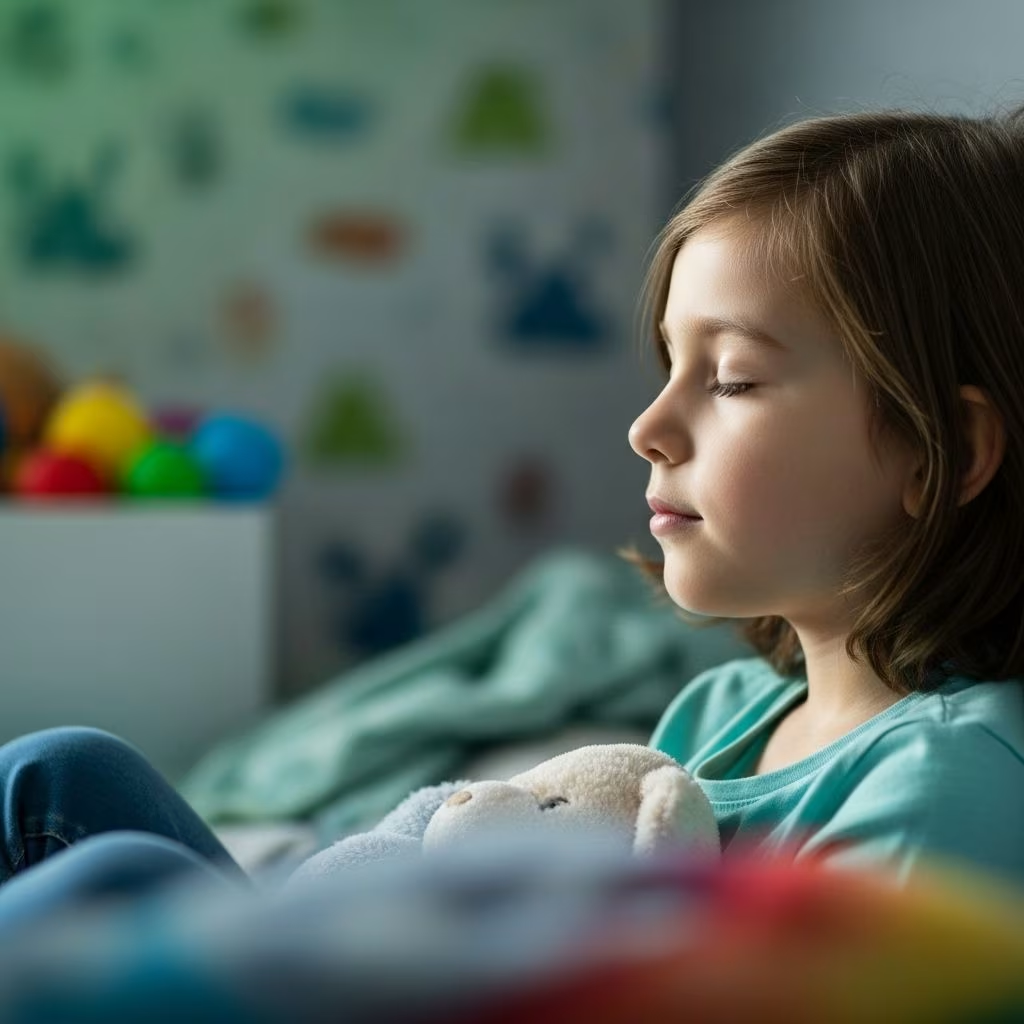
Understanding Highly Sensitive Children
Highly Sensitive Children (HSC) have a heightened awareness of their environment, processing sensory information—sights, sounds, tastes, smells, and physical sensations—more deeply than their peers. This trait is considered innate and is sometimes referred to as “sensory processing sensitivity.” HSCs may exhibit a mix of strengths and challenges: they can be highly creative, empathetic, and detail-oriented, yet are also more prone to becoming overwhelmed by intense stimuli, leading to emotional distress or behavioral reactions.
It’s important to recognize that sensitivity exists on a spectrum, and each child’s experience is unique. Understanding this diversity is key to providing effective support.
Causes and Signs of Overstimulation in HSCs
Common Causes
- Environmental Stimuli: Loud noises, bright lights, crowded spaces, unfamiliar environments, and chaotic schedules can quickly overwhelm an HSC.
- Physical Sensations: Uncomfortable clothing (itchy fabrics, tags), extreme temperatures, pressure, or pain can trigger distress.
- Emotional Input: Situations involving big emotions—either their own or those of others—can be especially challenging.
Signs and Symptoms
- Behavioral Changes: Avoidance, withdrawal, irritability, tearfulness, and agitation are common signs of sensory overload.
- Emotional Outbursts: HSCs may experience anxiety, anger, or sadness in response to overload.
- Physical Symptoms: Complaints of headaches, stomachaches, or fatigue may also signal overstimulation.
Creating a Calming Routine for HSCs
Consistent, predictable routines help HSCs feel safe and secure, reducing uncertainty and anxiety. A well-structured routine should include regular times for meals, sleep, play, and relaxation. Each transition should be clearly signaled to give the child time to adjust.
| Time | Activity | Purpose |
|---|---|---|
| Morning | Calm wake-up, gentle stretch, breakfast, review the day’s schedule | Start the day peacefully, prepare for transitions |
| After School | Quiet time, sensory-friendly snack, outdoor play or calm activity | Recharge after school, reduce sensory load |
| Evening | Warm bath, storytime, bedtime routine | Promote relaxation and restful sleep |
Building predictability into the day helps HSCs navigate the world with greater ease.
Environmental Adjustments for HSCs
Creating a soothing environment is essential for reducing overstimulation.
- Quiet Spaces: Designate a cozy, low-sensory area at home where the child can retreat when feeling overwhelmed.
- Minimized Clutter: Keep living spaces tidy and visually calm, with soft lighting and neutral colors.
- Noise Control: Use noise-canceling headphones, white noise machines, or quiet background music to buffer loud or unpredictable sounds.
- Nature Exposure: Incorporate time outdoors—gardening, nature walks, or simply looking at nature photos—to promote calm and reduce stress.
- Water Experiences: Warm baths, listening to water sounds, or using fountains can soothe overstimulated children.
Emotional Regulation and Communication
Helping HSCs identify, express, and manage their emotions is critical.
- Open Communication: Encourage the child to share feelings and thoughts without judgment, helping them develop a vocabulary for their experiences.
- Active Listening: Acknowledge their feelings (“I see that hurt your feelings”) rather than dismissing them as overreactions.
- Teaching Coping Skills: Model and teach deep breathing, grounding exercises, and mindfulness to help calm the nervous system.
- Predictable Routines: Structured schedules provide a sense of security and make new or challenging situations easier to handle.
Sensory Tools and Activities
Incorporate activities that engage the senses in a calming, rhythmic way.
- Slow, Rhythmic Movement: Activities like swinging, rocking, or gentle yoga can help regulate the nervous system.
- Nature Play: Treasure hunts, gardening, and nature trails allow for quiet exploration and restoration.
- Calming Sounds and Scents: Use lavender or chamomile scents, soft music, or nature sounds to create a peaceful atmosphere.
- Comfort Items: Weighted blankets, soft pillows, or favorite stuffed animals provide tactile comfort and security.
Sleep Strategies for HSCs
Quality sleep is especially important for HSCs, as fatigue increases sensitivity to overstimulation.
- Consistent Bedtimes: Maintain a regular sleep schedule, even on weekends, to regulate the sleep-wake cycle.
- Bedtime Routine: Create a calming pre-sleep ritual—bath, story, cuddles—to signal it’s time to wind down.
- Sleep Environment: Use blackout curtains, comfortable bedding, and white noise machines to block disruptive stimuli.
- Screen-Free Time: Avoid electronic screens for at least one hour before bedtime to promote better sleep quality.
Frequently Asked Questions
Q: How do I know if my child is highly sensitive?
A: Look for signs such as being deeply affected by sensory input, getting easily overwhelmed in busy environments, being emotionally reactive, and needing more downtime than peers. Consistency in these traits—not just occasional sensitivity—suggests a highly sensitive temperament.
Q: What should I do if my child becomes overwhelmed in public?
A: Calmly remove your child from the overstimulating environment if possible. Offer comforting words, a familiar object, or a quiet space. Establishing “exit strategies” in advance can help both parent and child feel prepared.
Q: How can I help my child with transitions?
A: Give advance notice of changes, use visual schedules, and allow extra time for transitions. Consistency and predictability reduce anxiety and support smoother changes.
Q: Are highly sensitive children more likely to have anxiety?
A: HSCs may be more prone to anxiety due to their heightened awareness of environmental threats, but with supportive routines and coping strategies, they can develop resilience and thrive.
Q: Can highly sensitive children enjoy social activities?
A: Yes, but they may prefer smaller groups, quieter settings, and shorter durations. Respecting their limits and allowing time to recharge after socializing helps them participate more comfortably.
Q: How can I support my HSC at school?
A: Communicate with teachers about your child’s needs, advocate for quiet spaces or breaks, and provide sensory tools like earplugs or a calming object. Encourage open dialogue between school and home to ensure consistency.
Q: Are there long-term effects of overstimulation on HSCs?
A: Chronic overstimulation without support can lead to stress, anxiety, and avoidance behaviors. With appropriate routines and coping strategies, however, HSCs can learn to manage their sensitivity and harness it as a strength.
References
- https://asensitivemind.com/2022/06/10/how-to-calm-an-overstimulated-hsc-who-has-trouble-sitting-still/
- https://blog.forbrain.com/blog/tips-for-raising-a-highly-sensitive-child-0
- https://neurodivergentinsights.com/the-highly-sensitive-child/
- https://www.edparenting.com/blog/supporting-highly-sensitive-kids-in-a-fast-paced-world
- https://podcasts.apple.com/us/podcast/256-managing-overstimulation-for-highly-sensitive-parents/id1125550872?i=1000599289587
- https://www.highlysensitiveparenthood.com/blog/3-signs-of-sensory-overwhelm-in-highly-sensitive-children
- https://nurturedfirst.com/toddler/highly-sensitive-aggressiveness/
- https://harleytherapy.com/blog/posts/sensory-overstimulation-parenting
- https://www.theautismservice.co.uk/news/how-to-build-confidence-in-a-sensitive-child/


