


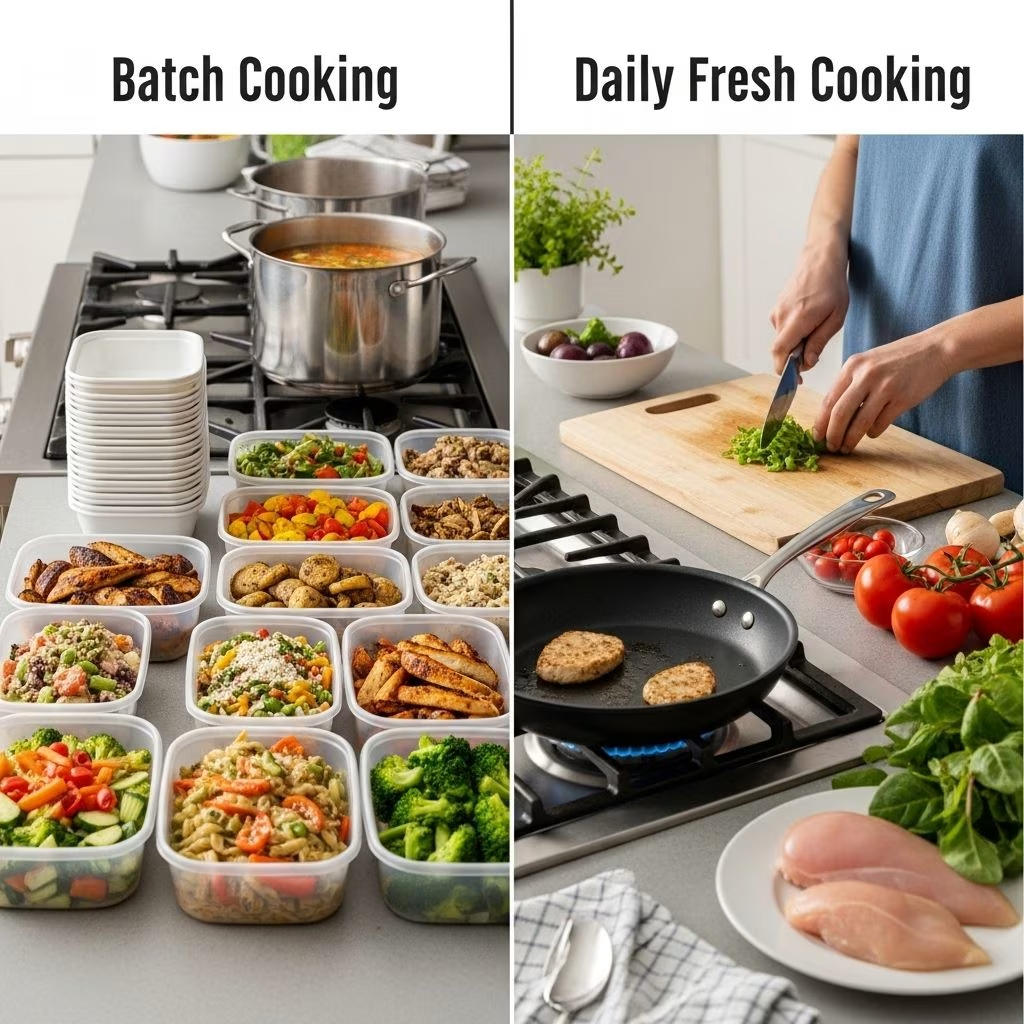
Managing time effectively in the kitchen is crucial for home cooks and professional chefs alike. Two popular methods for achieving efficiency are batch cooking and daily fresh cooking. Batch cooking involves preparing large quantities of food at once, which can be stored and reheated later, while daily fresh cooking involves cooking meals from scratch each day. This article compares these two methods in terms of time efficiency and explores the benefits and drawbacks of each.
Table of Contents
- Batch Cooking
- Daily Fresh Cooking
- Time Comparison: Batch Cooking vs Daily Fresh Cooking
- Strategies for Batch Cooking
- Strategies for Daily Fresh Cooking
- Frequently Asked Questions (FAQs)
Batch Cooking
Batch cooking is a time-saving technique that involves preparing large quantities of food at once. This method is particularly useful for meals that freeze well, such as soups, stews, casseroles, and sauces. By doubling or tripling a recipe, you can cook for multiple meals without significantly increasing the preparation time. For example, making two lasagnas instead of one does not double the preparation time, as many of the steps remain the same.
One of the key benefits of batch cooking is its efficiency. It allows you to spend a few hours in the kitchen once a week, resulting in a stockpile of meals for the days ahead. This approach not only saves time during the week but also reduces the stress of deciding what to cook each day.
Benefits of Batch Cooking
- Efficiency and Time-Saving: Batch cooking reduces the time spent on meal preparation during the week, as many meals are already prepared and ready to be reheated.
- Cost-Effective: Buying ingredients in bulk often leads to cost savings compared to purchasing fewer ingredients each day.
- Less Stress: Having a stockpile of prepared meals reduces the daily burden of meal planning.
- Freezer Storage: Many batch-cooked meals can be frozen, allowing for a convenient meal solution even a month later.
Daily Fresh Cooking
Daily fresh cooking involves preparing meals from scratch each day. This method allows for greater flexibility and creativity in meal planning, as you can easily adjust your plans based on fresh ingredients available at the market or your personal preferences.
One of the advantages of daily fresh cooking is the freshness and quality of ingredients used. Meals prepared daily often have a better texture and flavor compared to foods that have been stored or reheated. Additionally, this method avoids the need for freezing and reheating, which some people prefer for taste and nutritional reasons.
Benefits of Daily Fresh Cooking
- Flexibility and Creativity: Daily fresh cooking allows you to adjust meal plans based on the freshest ingredients available and your mood.
- Flavor and Texture: Meals prepared from scratch each day tend to have better flavor and texture compared to reheated meals.
- Nutritional Value: Some argue that daily fresh cooking maintains the nutritional value of ingredients better than batch cooking and reheating.
- No Freezer Space Required: This method does not rely on freezer storage, which can be beneficial for those with limited freezer space.
Time Comparison: Batch Cooking vs Daily Fresh Cooking
A key consideration when comparing batch cooking and daily fresh cooking is the time each method requires. Batch cooking typically involves a significant upfront investment of time, often 1-2 hours per week, depending on the recipes and quantities prepared. However, this initial effort results in minimal daily cooking time, as meals are already prepared and ready to be reheated.
In contrast, daily fresh cooking requires consistent daily time commitment. Each meal must be prepared from scratch, which can take anywhere from 30 minutes to several hours per meal, depending on the complexity of the recipes and the number of meals being prepared.
Example Time Comparison
Let’s consider a scenario where you prepare two meals per day—breakfast and dinner. For batch cooking, you might spend 2 hours on a weekend preparing meals for the week, which translates to about 15-30 minutes of active time per day reheating the meals. In contrast, daily fresh cooking might require about 1-2 hours per day, depending on the meal complexity and the number of meals being prepared.
| Method | Upfront Time (Weekly) | Daily Time |
|---|---|---|
| Batch Cooking | 1-2 hours | 15-30 minutes |
| Daily Fresh Cooking | – | 1-2 hours |
Strategies for Batch Cooking
To maximize the benefits of batch cooking, consider the following strategies:
- Focus on Freezer-Friendly Recipes: Choose recipes that freeze well, such as soups, chili, and casseroles.
- Double or Triple Recipes: Increase the quantity of each batch to ensure you have enough for multiple meals.
- Use a Freezer Inventory System: Label and date your frozen meals to ensure you use them before they expire.
- Plan Your Meals: Plan your meals for the week to ensure you are using ingredients efficiently and minimizing waste.
Strategies for Daily Fresh Cooking
For those who prefer daily fresh cooking, here are some strategies to optimize your time:
- Meal Plan Ahead: Plan your meals for the day or week to minimize grocery shopping trips and ensure you have all necessary ingredients.
- Prep Ingredients in Advance: Chop vegetables, marinate meats, or prepare sauces ahead of time to reduce cooking time.
- Master Simple Recipes: Learn quick and easy recipes that can be prepared in under 30 minutes.
- Multitask While Cooking: Use the time while waiting for meals to cook to prepare other components or clean up.
Frequently Asked Questions (FAQs)
Q: What is batch cooking?
A: Batch cooking is the process of preparing large quantities of food at once, often to be stored and reheated later.
Q: What are the benefits of batch cooking?
A: Batch cooking is efficient, saves time during the week, and can be cost-effective by buying ingredients in bulk.
Q: What is daily fresh cooking?
A: Daily fresh cooking involves preparing meals from scratch each day, allowing for greater flexibility and creativity.
Q: Which method saves more time?
A: Batch cooking typically saves more time during the week, as meals are already prepared and only need reheating. However, it requires a significant upfront time investment.
Q: Is batch cooking healthier than daily fresh cooking?
A: Both methods have health benefits. Batch cooking can maintain nutritional value if done correctly, while daily fresh cooking allows for the use of the freshest ingredients.
In conclusion, whether batch cooking or daily fresh cooking is more time-efficient depends on your lifestyle and preferences. Both methods have their advantages and disadvantages. Batch cooking excels in reducing daily cooking time by preparing meals in advance, while daily fresh cooking offers flexibility and the best flavor and texture. Ultimately, the best approach might be a combination of both, depending on your week’s schedule and personal preferences.


