


Understanding Melasma
Melasma is a common pigmentary disorder, characterized by dark, irregularly shaped, brownish patches on the face. It predominantly affects women, especially those with darker skin tones and a history of sun exposure or hormonal changes. The condition is often triggered by sun exposure, pregnancy, hormonal therapies, or genetic predisposition, making it a chronic and recurrent issue for many patients.
While melasma is not harmful, it can cause significant psychological distress due to its noticeable appearance. Traditional treatments include topical agents (hydroquinone, tretinoin, corticosteroids), chemical peels, and strict sun protection. However, when these methods fail, laser and light therapies—including laser peels—offer a targeted approach to managing ongoing melasma.
What Are Laser Peels?
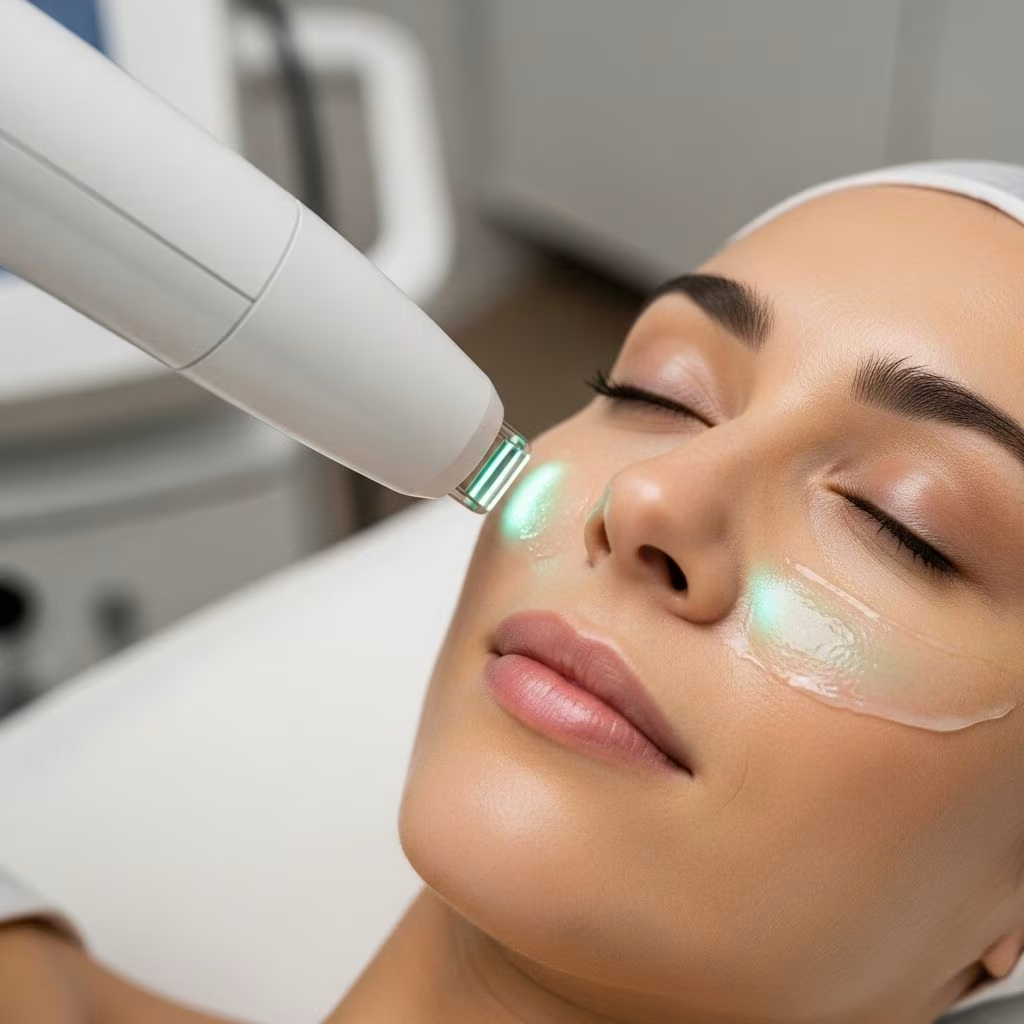
Laser peels, also known as laser resurfacing, use concentrated beams of light to precisely remove layers of skin. Unlike chemical peels that use acids to exfoliate, laser peels rely on heat energy to break down and clear excess pigmentation without damaging surrounding tissue. This makes them particularly suitable for stubborn melasma, where other treatments have not achieved the desired results.
The procedure can be tailored to the depth of pigmentation, and advancements in laser technology have made treatments safer for all skin types, including darker skin tones. The term “laser peel” often encompasses both ablative lasers (which remove the top skin layers) and non-ablative lasers (which target pigment without removing skin).
Types of Lasers Used for Melasma
Several types of lasers have been studied and used for melasma management, each with unique mechanisms and suitability for different skin types.
Q-Switched Nd:YAG Laser
This laser is widely used for its ability to target melanin without damaging the surrounding tissue. Studies show that Q-switched Nd:YAG laser treatments can improve melasma, with a mean decrease in MASI (Melasma Area and Severity Index) score by up to 61.3% after nine sessions. However, recurrence is common, with up to 64% of patients experiencing a return of pigmentation within three months.
Aerolase Laser
The Aerolase laser is noted for its gentle approach, suitable even for sensitive or darker skin types. It uses heat to break down pigmentation without damaging surrounding skin, typically requiring three to six sessions for optimal results. The procedure is non-invasive and has minimal downtime.
Intense Pulsed Light (IPL)
While not a true laser, IPL is often grouped with laser therapies for melasma. It emits a broad spectrum of light to target melanin. In clinical studies, 75% of patients achieved 50–100% improvement after four IPL sessions, especially those with epidermal-type melasma and no hormonal etiology. Results tend to be maintained for at least three months post-treatment.
Fractional and Combination Lasers
Fractional lasers create microscopic treatment zones to stimulate skin renewal, while combinations (such as fractional Er:YAG and Q-switched Nd:YAG) have shown rapid and sustained improvement in some cases. Combining therapies may offer longer-lasting benefits and fewer side effects.
Picosecond Lasers
Emerging evidence supports the effectiveness of picosecond lasers (e.g., 250-picosecond) for melasma, offering faster recovery and potentially fewer side effects compared to traditional nanosecond lasers.
How Do Laser Peels Work for Melasma?
Laser peels target melanin—the pigment responsible for melasma—by delivering precise energy that breaks up pigment clusters. The process can be understood in three key steps:
- Selective Photothermolysis: The laser light is absorbed by melanin in the skin, generating heat that fragments pigment particles.
- Macrophage Clearance: The body’s immune system (macrophages) removes the fragmented pigment over the following weeks.
- Skin Renewal: The treated skin heals, often revealing a more even tone. Non-ablative lasers work below the skin surface, while ablative lasers remove the outer layers for more dramatic results.
This targeted approach minimizes damage to surrounding tissue, making laser peels a precise tool for melasma management.
Efficacy and Clinical Outcomes
Clinical studies offer valuable insights into the effectiveness of laser peels for melasma:
| Laser Type | Average Improvement (MASI Score) | Recurrence Rate | Skin Type Suitability | Typical Sessions |
|---|---|---|---|---|
| Q-Switched Nd:YAG | 61.3% | 64% at 3 months | All (with caution) | 8–10 |
| Aerolase | Not specified, but significant | Not specified | All, including sensitive | 3–6 |
| IPL | 51–100% (75% of patients) | Varies, lasts ≥3 months | Epidermal type best | 4–5 |
While immediate improvements are common, melasma often recurs after laser monotherapy, highlighting the need for ongoing management and combination approaches. IPL appears to maintain results slightly longer, especially in epidermal-type melasma without hormonal triggers.
Safety and Side Effects
Laser peels for melasma are generally safe when performed by skilled professionals. However, potential side effects include:
- Temporary Redness and Swelling: Common after any laser procedure, usually subsiding within a few days.
- Hyperpigmentation or Hypopigmentation: Especially a risk in darker skin tones, though newer lasers (like Aerolase, picosecond) reduce this risk.
- Mottled Depigmentation: Seen with repeated Q-switched Nd:YAG laser use—caution is needed, and risks should be discussed with patients.
- Burns and Scarring: Rare with modern devices and proper technique.
Most side effects are mild and temporary, but underscore the importance of individualized treatment plans and expert supervision.
Combining Laser Peels with Other Treatments
Because melasma is a chronic, multifactorial condition, combining laser peels with other therapies often yields the best long-term outcomes.
Topical Agents
Hydroquinone, kojic acid, alpha-arbutin, and prescription retinoids (e.g., tretinoin) can enhance and maintain laser results by suppressing melanin production and promoting skin turnover.
Oral Medications
Tranexamic acid, an oral medication, has shown promise in reducing melasma severity when combined with laser therapy.
Chemical Peels
Light chemical peels (e.g., glycolic acid) can be alternated with laser sessions for enhanced exfoliation and pigment removal, though they may cause visible peeling and require downtime.
Sun Protection
Daily use of broad-spectrum, tinted sunscreen (SPF 50+) is critical to prevent melasma recurrence after laser treatment. Iron oxide in tinted sunscreens offers additional protection against visible light, which can worsen pigmentation.
Combination Laser Strategies
Studies suggest that combining different laser types (e.g., fractional CO2 plus Q-switched Nd:YAG) may provide faster, more sustained results with fewer side effects than monotherapy.
Post-Treatment Care and Maintenance
To maximize and prolong the benefits of laser peels, patients should adhere to a disciplined skincare regimen:
- Strict Sun Avoidance: UV exposure is the most common trigger for melasma recurrence. Use a physical blocker (zinc oxide, titanium dioxide) and reapply every two hours.
- Gentle Cleansing: Avoid abrasive scrubs or exfoliants immediately after treatment.
- Moisturize: Hydrated skin heals better and maintains barrier function.
- Brightening Agents: Incorporate medical-grade serums with vitamin C, niacinamide, or azelaic acid to maintain results.
- Follow-Up Sessions: Maintenance laser or light treatments may be needed every few months to manage recurrence.
Consistency in both professional treatments and at-home care is key to ongoing melasma management.
Choosing the Right Treatment for You
Selecting the best laser peel for melasma depends on several factors:
- Skin Type and Tone: Darker skin requires lasers with lower risk of post-inflammatory hyperpigmentation (e.g., Aerolase, picosecond lasers).
- Type of Melasma: Epidermal melasma responds better to IPL and certain lasers; dermal or mixed types may need combination approaches.
- Lifestyle and Downtime: Non-ablative lasers (like Aerolase, IPL) have minimal downtime, while ablative lasers require longer recovery.
- Severity and Recurrence History: Chronic or recurrent melasma often benefits from combined therapies and maintenance sessions.
A consultation with a board-certified dermatologist is essential to tailor the treatment plan to your unique needs and skin characteristics.
Frequently Asked Questions
How many laser peel sessions are needed for melasma?
Most patients require 3–10 sessions, depending on the laser type and melasma severity. Aerolase and IPL typically need 3–6 sessions, while Q-switched Nd:YAG may require 8–10 or more.
Is laser treatment safe for all skin types?
Modern lasers like Aerolase and picosecond are safe for all skin types, including darker tones, with minimal risk of pigmentation changes. However, traditional lasers require careful adjustment to avoid complications.
How long do results last after laser peel for melasma?
Improvement is often seen immediately, but melasma can recur within months, especially without strict sun protection and maintenance therapy. Results are best maintained with a combination of lasers, topical agents, and sun avoidance.
What are the alternatives to laser peels for melasma?
Alternatives include topical lightening agents, chemical peels, oral tranexamic acid, and strict sun protection. Often, a combination of these with laser therapy yields the best long-term results.
Are there any risks with laser peels for melasma?
Potential risks include temporary redness, swelling, hyperpigmentation, hypopigmentation, and rarely, burns or scarring. These risks are minimized with proper device selection and skilled technique.
Can laser peels make melasma worse?
In rare cases, especially with inappropriate device settings or sun exposure after treatment, laser peels can trigger rebound pigmentation. This is why expert supervision and post-treatment care are crucial.
Conclusion
Laser peels represent a valuable tool in the ongoing management of melasma, especially for cases resistant to topical therapies. While no treatment offers a permanent cure, advances in laser technology—such as Aerolase, picosecond, and combination strategies—allow for safer, more effective, and longer-lasting results for a wider range of skin types.
However, the chronic and recurrent nature of melasma necessitates a comprehensive, individualized approach. Combining laser peels with topical agents, oral medications, chemical peels, and rigorous sun protection offers the best chance for sustained improvement. Patient education, realistic expectations, and consistent follow-up are essential components of successful long-term melasma management.
Consultation with a dermatologist is crucial to determine the most appropriate laser and adjunctive therapies for your skin type and melasma severity. With the right plan, laser peels can significantly improve the appearance and quality of life for those living with melasma.
References
- https://practicaldermatology.com/topics/general-topics/melasma-treatments-a-review-of-laser-therapies-and-the-integration-of-reflectance-confocal-microscopy/21363/
- https://pmc.ncbi.nlm.nih.gov/articles/PMC5724305/
- https://serenityawmedspa.com/are-chemical-peels-or-laser-better-when-treating-melasma/
- https://pmc.ncbi.nlm.nih.gov/articles/PMC10932414/
- https://www.healthline.com/health/beauty-skin-care/melasma-laser-treatments
- https://www.jkslms.or.kr/journal/view.html?uid=307&vmd=Full


