


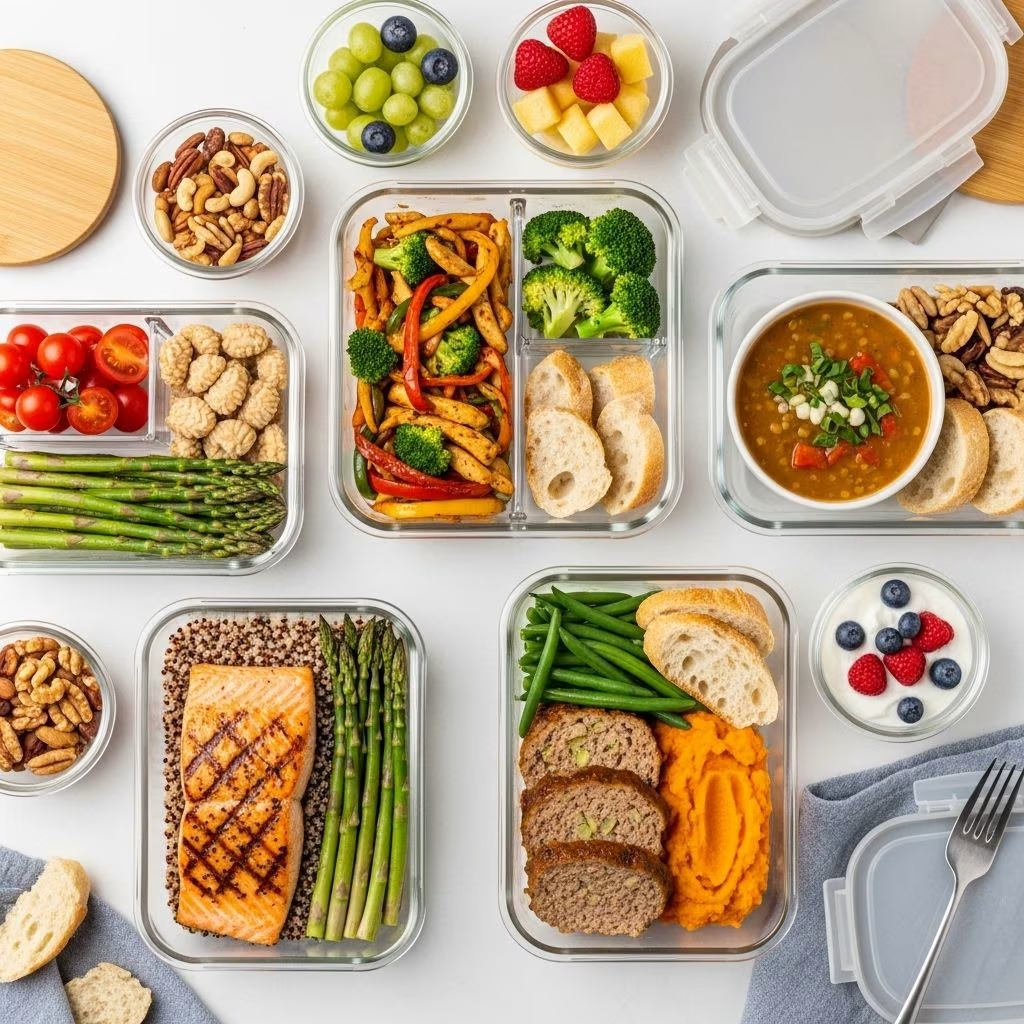
Managing a household where some family members follow a vegetarian diet while others prefer meat can feel overwhelming at first. The challenge of preparing meals that satisfy everyone’s dietary preferences without spending hours in the kitchen or making multiple dishes is a common concern for many families. However, with the right strategies, meal planning for a mixed vegetarian and carnivore family can become not only manageable but also an opportunity to expand your culinary horizons and improve everyone’s nutrition.
The key to success lies in adopting a flexible approach to meal preparation, focusing on recipes that can easily accommodate both dietary preferences, and maintaining a positive attitude about the differences at your dinner table. This comprehensive guide will walk you through everything you need to know about creating harmonious meals for your mixed-diet family, from planning strategies to specific recipe ideas that work for everyone.
Understanding the Split Table Dynamic
When family members have different dietary preferences, it’s essential to approach the situation with understanding and flexibility rather than viewing it as a burden. Whether your child has decided to become vegetarian for ethical reasons, a partner has embraced plant-based eating for health benefits, or family members simply have different food preferences, creating a supportive environment makes all the difference.
The concept of a split table doesn’t mean preparing completely separate meals for each person. Instead, it involves creating a base meal that works for everyone and offering customizable elements that allow both vegetarians and meat-eaters to enjoy their preferred proteins. This approach respects individual choices while maintaining the important tradition of shared family meals.
Research consistently shows that families who eat together regularly experience numerous benefits, including better nutrition, stronger relationships, and improved communication. The presence of different dietary preferences shouldn’t disrupt these valuable moments. By implementing smart planning strategies, you can ensure that everyone feels included and satisfied at mealtime without creating extra stress for the cook.
The Foundation: Vegetables as the Main Event
One of the most effective strategies for cooking for mixed-diet families is to reimagine your meal structure by making vegetables and plant-based ingredients the stars of your dishes rather than afterthoughts. This approach naturally creates meals that work for vegetarians while still allowing carnivores to add their preferred protein.
When you plan meals with vegetables as the centerpiece, you’re automatically creating dishes that are nutritious, colorful, and satisfying for everyone at the table. Think of meat as more of a condiment or optional topping rather than the focal point of the meal. This shift in perspective makes meal planning significantly easier because you’re building from a common foundation that everyone can enjoy.
For example, a vibrant Buddha bowl loaded with roasted vegetables, quinoa, chickpeas, and a flavorful sauce creates a complete meal for vegetarians. Meat-eaters can simply add grilled chicken, steak strips, or shrimp on top of their bowl. The base meal remains the same, requiring only one additional step for those who want animal protein. This strategy saves time, reduces waste, and ensures that everyone gets plenty of vegetables and nutrients in their diet.
Essential Meal Planning Strategies
Successful meal planning for a mixed-diet household requires more forethought than cooking for a family with uniform preferences. However, once you establish a routine, the process becomes second nature. The investment in planning pays off tremendously by reducing daily stress, minimizing food waste, and ensuring that everyone has satisfying meals throughout the week.
Weekly Planning Sessions
Dedicating time each week to plan your meals is absolutely crucial when accommodating different dietary needs. Set aside 20-30 minutes on the weekend to map out your dinners for the upcoming week. During this planning session, consider everyone’s schedules, identify nights when you’ll have more or less time to cook, and choose recipes accordingly.
When selecting recipes, look for dishes that are naturally flexible or can be easily modified. Mexican-inspired meals like tacos, burrito bowls, and enchiladas work exceptionally well because they’re built around customizable components. Similarly, pasta dishes, stir-fries, and grain bowls offer endless possibilities for accommodating both vegetarians and carnivores with minimal extra effort.
Create a master list of go-to flexible recipes that your family enjoys. Having this reference makes weekly planning faster and ensures you always have reliable options when you’re short on inspiration. Include notes about which recipes are quickest to prepare for busy weeknights and which ones work well for more relaxed weekend cooking.
Strategic Shopping and Prep
Once you’ve planned your meals, create a detailed shopping list organized by store sections to make grocery shopping more efficient. Stock your pantry with versatile staples that work for both vegetarian and meat-based meals, including various grains, beans, lentils, pasta, canned tomatoes, vegetable broth, and a variety of spices and seasonings.
Consider doing some meal prep on weekends to streamline weeknight cooking. Washing and chopping vegetables, cooking grains in bulk, preparing bean dishes, and even pre-cooking some proteins can save significant time during busy weeknights. Store prepped ingredients in clear containers so family members can easily see what’s available and potentially assemble their own meals when needed.
Breakfast and Lunch Considerations
While dinner often gets the most attention in meal planning, don’t forget about breakfast and lunch, especially for vegetarian family members who need convenient options for school or work. Stock up on easy vegetarian breakfast items like eggs, yogurt, granola, fruit, and whole-grain bread. For lunches, prepare components that can be mixed and matched throughout the week.
Excellent make-ahead vegetarian lunch options include rice and bean burritos that freeze well, protein-packed bento boxes with hard-boiled eggs, cheese, nuts, and fruit, veggie and hummus wraps, quinoa salad bowls with roasted vegetables, and classic peanut butter sandwiches with fruit and vegetables on the side. Having these options readily available ensures your vegetarian family members always have satisfying meals without requiring daily preparation.
Flexible Recipe Approaches
The secret to successfully feeding a mixed-diet family lies in choosing and preparing recipes that can easily accommodate both preferences. Several cooking methods and meal types lend themselves particularly well to this flexible approach.
Build-Your-Own Meals
Meals that allow each family member to customize their own plate are ideal for mixed-diet households. Taco bars, rice bowl stations, baked potato bars, and sandwich spreads give everyone control over what goes on their plate while requiring the cook to prepare just one set of base ingredients and various toppings.
For a taco night, set out tortillas, seasoned black beans, rice, sautéed peppers and onions, lettuce, tomatoes, cheese, salsa, guacamole, and sour cream. Vegetarians can build delicious tacos with the beans and vegetables, while meat-eaters can add seasoned ground beef or shredded chicken. Everyone gets to create their perfect meal from the same spread of ingredients.
Modular Cooking
Modular cooking involves preparing the main components of a dish separately, then combining them in different ways for vegetarians and carnivores. This technique works brilliantly for pasta dishes, casseroles, soups, and stir-fries.
When making pasta, prepare a large pot of your chosen noodles and create a vegetable-rich sauce that works for everyone. Vegetarians can enjoy the pasta with the veggie-loaded sauce, while you can quickly sauté some Italian sausage or chicken in a separate pan for meat-eaters to add to their portions. The same principle applies to Asian stir-fries where you can cook vegetables and tofu together for one group and vegetables with chicken or beef for another, using the same sauce and seasonings for both.
Side-Dish Protein Strategy
Another effective approach involves preparing a complete vegetarian meal and offering meat as an optional side dish. This works particularly well with hearty vegetarian mains like vegetable lasagna, lentil curry, bean-based chilis, and veggie-packed casseroles that are satisfying enough to stand alone.
When you prepare a robust vegetarian main dish, simply grill some chicken breasts, cook up some sausages, or prepare another protein separately that meat-eaters can add to their plates if they choose. This strategy often results in meat-eaters discovering that they don’t always need animal protein to feel satisfied, gradually expanding their appreciation for plant-based meals.
Protein-Rich Plant-Based Alternatives
One common concern when feeding vegetarians is ensuring they get adequate protein. Fortunately, numerous plant-based protein sources can replace meat nutritionally while adding variety and flavor to your meals. Understanding these alternatives helps you create satisfying vegetarian options that keep everyone full and energized.
Beans and Legumes
Beans and legumes are nutritional powerhouses that deserve a prominent place in your meal planning. Black beans, kidney beans, chickpeas, lentils, and pinto beans provide excellent protein (typically 6-10 grams per half-cup serving), along with fiber, iron, folate, and potassium. They’re also incredibly affordable, especially when purchased dried, and versatile enough to work in countless recipes.
Incorporate beans into chilis, soups, salads, tacos, and pasta dishes. Red lentils cook quickly and work wonderfully in curries and dal. Chickpeas can be roasted for a crunchy snack, mashed for veggie burgers, or blended into creamy hummus. Edamame, which are young soybeans, contain about 10 grams of protein per half-cup and make an excellent addition to stir-fries, salads, and grain bowls.
Tofu and Tempeh
Soy-based proteins like tofu and tempeh offer meat-like protein content and can be prepared in numerous ways. When introducing these ingredients to skeptical family members, honesty is important. Don’t try to disguise tofu as chicken or pretend it tastes exactly like meat, as this approach often backfires and creates resistance.
Instead, prepare tofu or tempeh alongside a meat option and let family members choose whether they’d like to try the plant-based version. Tempeh has a firmer, meatier texture than tofu, making it more appealing to some people. When properly seasoned and cooked, both can be delicious additions to stir-fries, sandwiches, and grain bowls.
Eggs and Dairy
For lacto-ovo vegetarians who consume eggs and dairy, these foods provide high-quality protein and work beautifully in family meals. Eggs are incredibly versatile for breakfast, can be hard-boiled for lunches and snacks, and work in dinner dishes like frittatas and breakfast-for-dinner options. Cheese adds protein, calcium, and satisfying flavor to countless dishes, from pasta to sandwiches to casseroles.
Practical Recipe Ideas for Mixed-Diet Families
Having a repertoire of tried-and-true flexible recipes makes meal planning infinitely easier. Here are categories of dishes that work exceptionally well for families with both vegetarians and carnivores.
Pasta Perfection
Pasta dishes are naturally adaptable and beloved by most family members regardless of dietary preferences. Prepare cheesy baked tortellini with a vegetable-rich marinara sauce, keeping some portions meatless while adding ground beef to others before baking. Ravioli lasagna works brilliantly because you can use cheese ravioli for vegetarians and meat-filled ravioli for carnivores in the same casserole dish.
Tortellini with butternut squash, mushrooms, and cheese creates a satisfying vegetarian meal that can be enhanced with Italian sausage for meat-eaters. Creamy tomato pasta with spinach starts as a vegetarian dish but easily accommodates grilled chicken or sausage added to individual portions.
International Inspiration
Global cuisines often feature naturally vegetarian dishes or those easily adapted for mixed diets. Thai green curry noodle soup can be made with vegetable broth and tofu for vegetarians, with chicken added to the carnivore portions. Mexican-inspired enchilada casseroles, burrito bowls, and quesadillas all work beautifully with either beans or meat as the protein.
Indian curries built around lentils, chickpeas, or mixed vegetables can stand alone or be served alongside chicken tikka or lamb for meat-eaters. Middle Eastern grain bowls with falafel, hummus, and roasted vegetables satisfy vegetarians while meat-eaters can add grilled chicken or lamb kebabs.
Soup and Stew Solutions
Soups and stews are comfort food classics that adapt wonderfully to mixed-diet families. Pasta e fagioli starts as a hearty vegetarian bean and pasta soup but can easily accommodate Italian sausage in some portions. Creamy potato and kale soup is satisfying meatless or with kielbasa added for carnivores.
Tuscan bean stew loaded with vegetables and white beans creates a filling vegetarian meal, with the option to add chicken sausage for those who want it. Minestrone, tomato soup, and vegetable-based chowders all follow this flexible pattern.
Simple Sandwiches and Burgers
Sometimes the simplest solutions are the best. Burger night works perfectly for mixed-diet families because you can grill both traditional hamburgers and veggie burgers simultaneously. Similarly, bratwursts and plant-based sausages can share grill space, with everyone customizing their buns with preferred toppings.
Grilled cheese sandwiches with tomato soup, BLTs with tempeh bacon options, and veggie-loaded paninis can all be customized with or without meat. These meals require minimal extra effort while ensuring everyone gets exactly what they want.
Timing and Scheduling Strategies
Strategic timing can make mixed-diet meal planning even easier by working with your family’s schedule rather than against it. Identify regular occasions when some family members are away or busy, and use these opportunities to prepare meat-forward meals for the carnivores without needing vegetarian alternatives.
If your vegetarian child has gymnastics every Wednesday evening, that’s an ideal night to make a meat-centric family favorite like pot roast or chicken parmesan for those who’ll be home. When the meat-eating family members have commitments, embrace the opportunity to experiment with fully vegetarian meals that everyone might enjoy.
This strategic approach reduces the frequency of preparing separate meal components while ensuring everyone gets meals they love throughout the week. It also prevents resentment that can build when one person feels their preferences are constantly accommodated at the expense of others.
Building Nutritional Balance
Ensuring everyone gets proper nutrition is a primary concern when managing different diets within one family. The good news is that well-planned vegetarian diets can be extremely healthy, and having vegetarians in the family often improves the overall diet quality of meat-eating members as well.
Focus on incorporating a variety of colorful vegetables into every meal, as these provide essential vitamins, minerals, and antioxidants that benefit everyone. Whole grains like quinoa, brown rice, farro, and whole wheat pasta offer fiber and sustained energy. Adequate protein from either plant or animal sources keeps everyone satisfied and supports growth and maintenance of body tissues.
For vegetarian family members, pay particular attention to getting enough iron, vitamin B12, zinc, and omega-3 fatty acids, nutrients that are more abundant in animal products. Iron-rich plant foods include lentils, beans, tofu, and dark leafy greens; absorption improves when consumed with vitamin C-rich foods. Consider a B12 supplement or fortified foods for vegetarians, as this vitamin is only naturally found in animal products.
Fostering a Positive Mealtime Environment
Perhaps the most important aspect of managing a mixed-diet family isn’t what you cook but how you approach the differences at your table. Maintaining a positive, respectful attitude about varying food choices sets the tone for harmonious mealtimes and teaches valuable lessons about acceptance and accommodation.
Avoid making judgmental comments about anyone’s food choices, whether that’s criticizing vegetarians for not eating meat or making meat-eaters feel guilty about their preferences. Model respectful behavior by trying new vegetarian dishes yourself and showing genuine interest in the foods everyone enjoys. This openness often leads to meat-eaters naturally incorporating more plant-based meals into their diet as they discover delicious vegetarian options.
Use meal preparation as an opportunity to teach children about respectfully accepting or declining unfamiliar foods, a skill they’ll need throughout life. Encourage family members to try new dishes but never force anyone to eat something they genuinely dislike. The goal is creating an inclusive environment where everyone feels their preferences are respected while remaining open to new experiences.
Cost-Effective Meal Planning
Budget-conscious families will be pleased to know that cooking for mixed diets doesn’t have to be expensive. In fact, incorporating more plant-based proteins can actually reduce grocery costs since beans, lentils, and eggs are typically less expensive per serving than meat.
Buy dried beans and lentils in bulk for maximum savings, though canned versions offer convenience when time is limited. When purchasing meat for your carnivorous family members, buy it on sale and freeze it in portion sizes appropriate for your needs. Since you’ll likely be using less meat per meal when it’s served as an optional addition rather than the main component, your meat budget can stretch further.
Seasonal produce is both more affordable and better tasting, so plan meals around what’s currently abundant and inexpensive at your local market. Growing your own herbs or maintaining a small vegetable garden can further reduce costs while providing the freshest ingredients possible.
Embracing Flexitarian Benefits
Families with both vegetarians and meat-eaters are essentially practicing a flexitarian approach to eating, which research suggests offers numerous health benefits. This eating pattern, which emphasizes plant-based foods while still including some animal products, is associated with lower risks of heart disease, diabetes, and certain cancers.
Rather than viewing your split table as a challenge, recognize it as an opportunity for everyone to benefit from increased vegetable consumption and dietary variety. Meat-eating family members will naturally consume more produce, fiber, and plant-based nutrients when meals are structured around vegetables with meat as an optional addition. This gradual shift toward a more plant-forward diet happens organically without anyone feeling deprived.
Consider challenging your family to try at least one fully vegetarian dinner per week that everyone shares. This practice introduces meat-eaters to satisfying meatless meals while giving your vegetarian family members a night when they don’t feel different from everyone else. Many families find that these shared vegetarian meals become favorites requested regularly by all members.
Overcoming Common Challenges
Even with good planning, challenges will arise. Having strategies to handle common obstacles helps you navigate them smoothly without becoming frustrated or giving up on accommodating everyone’s needs.
The Picky Eater Problem
When vegetarian family members are also picky eaters, meal planning becomes more complex. Start with familiar foods prepared in vegetarian versions, like cheese pizza, bean burritos, or peanut butter sandwiches. Gradually introduce new foods alongside familiar favorites, encouraging but never forcing trying new items.
Involve picky eaters in meal planning and preparation, as research shows children are more likely to eat foods they helped choose and prepare. Keep healthy vegetarian snacks readily available so picky eaters can supplement meals if they don’t eat much at dinner.
Time Constraints
Busy schedules make it tempting to fall back on convenience foods that don’t work well for everyone. Combat this by dedicating weekend time to meal prep, using a slow cooker for hands-off cooking, and keeping your pantry stocked with quick-cooking staples like pasta, canned beans, and frozen vegetables.
Don’t be afraid to use quality convenience items like pre-cut vegetables, rotisserie chicken, and prepared sauces when time is extremely limited. The goal is getting nutritious food on the table that everyone can eat, not achieving culinary perfection every night.
Social Situations and Extended Family
Holidays and gatherings with extended family who may not understand or support vegetarian choices require additional navigation. When hosting, prepare plenty of vegetarian options that meat-eaters will also enjoy, demonstrating that plant-based foods can be delicious and satisfying.
When attending gatherings at others’ homes, offer to bring a substantial vegetarian dish to share, ensuring your vegetarian family members have something filling to eat while introducing others to plant-based options. Communicate dietary needs clearly but kindly to hosts in advance.
Frequently Asked Questions
How do I ensure my vegetarian family members get enough protein?
Plant-based proteins like beans, lentils, chickpeas, tofu, tempeh, nuts, seeds, and whole grains provide ample protein for vegetarians. A half-cup serving of beans typically contains 6-9 grams of protein, while edamame offers about 10 grams per half-cup. For lacto-ovo vegetarians, eggs and dairy products add additional high-quality protein. Include a variety of these foods throughout the day to meet protein needs easily.
Should I make completely separate meals for vegetarians and meat-eaters?
No, preparing entirely separate meals creates unnecessary work and can make vegetarians feel isolated. Instead, focus on flexible recipes where you prepare a vegetable-rich base that everyone enjoys, then offer optional meat additions for carnivores. This approach saves time while keeping the family eating together and enjoying similar meals.
What are the easiest meals for mixed-diet families?
Build-your-own meals like taco bars, rice bowls, baked potato bars, and pasta dishes with separate proteins work exceptionally well. Burgers with both traditional and veggie burger options, soups where meat can be added to some portions, and stir-fries with separately cooked proteins are also simple solutions that satisfy everyone.
How can I get my meat-eating family members to enjoy vegetarian meals?
Focus on naturally delicious vegetarian dishes rather than trying to replicate meat. Make vegetables the star by roasting them to bring out natural sweetness, using bold seasonings and flavorful sauces, and including satisfying elements like cheese, avocado, or nuts. Don’t force anyone to eat vegetarian, but regularly offer tasty plant-based options alongside their preferred foods, allowing them to gradually discover meatless meals they enjoy.
Is it more expensive to cook for both vegetarians and carnivores?
Not necessarily. Plant-based proteins like dried beans and lentils are very inexpensive, often costing less than meat. While you may purchase both meat and plant proteins, you’ll typically use smaller amounts of meat when it’s optional rather than the meal’s centerpiece. Strategic shopping, buying in bulk, and reducing food waste through good planning can keep costs reasonable.
How do I handle breakfast and lunch for vegetarian family members?
Stock your kitchen with easy vegetarian breakfast options like eggs, yogurt, oatmeal, whole-grain bread, nut butters, and fruit. For lunches, prepare make-ahead items like bean and cheese burritos that freeze well, hard-boiled eggs, veggie and hummus wraps, and grain bowls with roasted vegetables. Having these components ready makes it easy for vegetarians to grab satisfying meals throughout the week.
What if my vegetarian family member is also very picky about food?
Start with familiar vegetarian foods they already enjoy and expand slowly from there. Involve them in meal planning and grocery shopping to increase investment in trying new foods. Keep introducing new items alongside favorites without pressure, as it can take multiple exposures before someone accepts a new food. Ensure healthy snacks are available to supplement meals if they don’t eat much at dinner.
Should our whole family become vegetarian to make things easier?
That’s a personal decision each family must make based on their values, preferences, and circumstances. While a uniform diet would simplify cooking, forcing unwilling family members to become vegetarian often creates resentment. Many families find that using flexible meal planning strategies allows everyone’s preferences to coexist harmoniously while actually improving the overall family diet by increasing vegetable consumption for everyone.
References
- https://www.kitchentreaty.com/43-recipes-for-vegetarians-and-omnivores-eating-together/
- https://www.fredericksburgparent.net/2019/05/30/447663/the-split-table-how-to-cook-for-both-the-vegetarians-and-meat-eaters-in-your-family
- https://jenniferhuntnutrition.com/meat-less-meal-planning-for-carnivores/
- https://livenaturallymagazine.com/lifestyle/alpha-cooking-for-a-mixed-vegetarian-and-carnivore-family/
- https://www.cooksmarts.com/cooking-guides/meal-planning-for-everyone/vegetarian-meal-plan/
- https://alphamom.com/parenting/feeding-a-vegetarian-kid-when-youre-a-carnivore/
- https://boards.straightdope.com/t/vegetarian-in-law-at-carnivore-family-dinner/830324?page=2
- https://www.juliehoagwriter.com/2018/02/21/how-cook-split-table-vegetarians-meat-eaters/


