


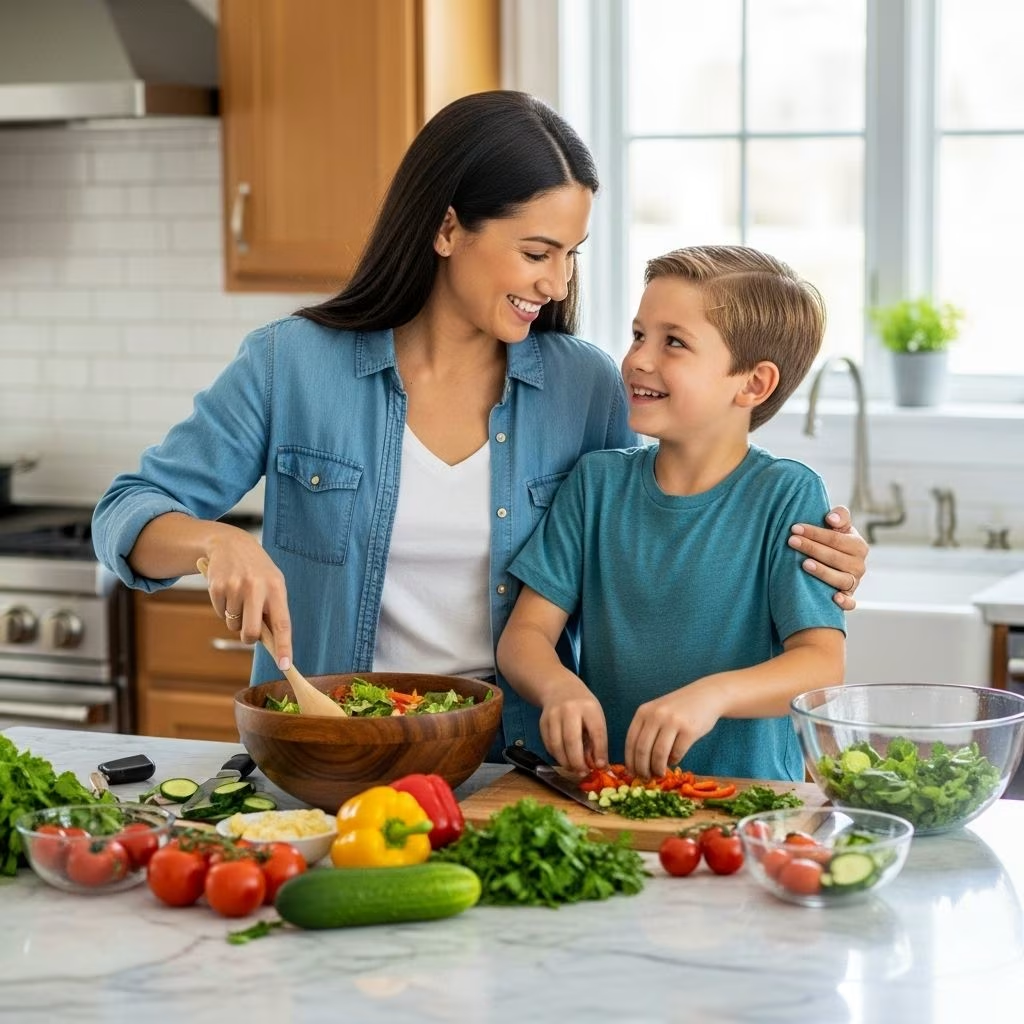
The kitchen has long been recognized as the heart of the home, but emerging research reveals it serves an even more profound purpose: as a laboratory for building lifelong sibling relationships. Recent studies demonstrate that cooking together represents far more than a practical life skill—it functions as a powerful mechanism for strengthening emotional bonds, fostering communication, and creating shared experiences that shape sibling dynamics for years to come.
Understanding how shared culinary practices influence sibling relationships provides valuable insights for families seeking to strengthen connections between brothers and sisters. Research across multiple disciplines, from nutrition education to family psychology, consistently demonstrates that the simple act of preparing food together creates unique opportunities for siblings to connect, collaborate, and develop meaningful relationships that extend well beyond childhood.
The Science Behind Cooking and Family Connection
Comprehensive research into family dynamics and shared activities has established cooking as a particularly effective vehicle for strengthening interpersonal relationships. Studies examining family function and shared culinary practices have found that these activities significantly enhance psychological flourishing and overall family well-being. The process of preparing meals together creates natural opportunities for communication, cooperation, and connection that differ fundamentally from other shared activities.
Research conducted with diverse families demonstrates that participants who regularly engaged in cooking with family members during childhood reported stronger feelings of connection to their families. The correlation between frequency of cooking meals with parents during childhood and feeling connected to family through cooking proves statistically significant, indicating that early culinary experiences create lasting emotional associations. These findings suggest that cooking together establishes patterns of interaction and connection that persist throughout life.
The multisensory nature of cooking—involving sight, smell, taste, touch, and even sound—creates rich, memorable experiences that become deeply embedded in family narratives. When siblings work together in the kitchen, they engage multiple cognitive and emotional systems simultaneously, strengthening the bonds formed during these shared experiences. This neurological dimension helps explain why cooking memories often remain vivid and emotionally resonant decades after the actual events.
How Cooking Together Strengthens Sibling Bonds
The kitchen environment provides a unique context for sibling interaction that differs substantially from other shared spaces. Unlike competitive activities or passive entertainment, cooking requires collaboration toward a common goal while allowing for individual expression and contribution. This balance creates ideal conditions for positive sibling dynamics to develop and flourish.
Building Collaborative Skills Through Shared Tasks
When siblings cook together, they naturally divide responsibilities, negotiate roles, and coordinate efforts to achieve their culinary objectives. Younger children might measure ingredients while older siblings handle more complex techniques, creating a hierarchy based on capability rather than conflict. This task-oriented cooperation teaches valuable lessons about teamwork, compromise, and mutual respect that translate directly to other aspects of sibling relationships.
Research on family meals indicates that families who prepared meals together reported improved relationships as a direct benefit of participation. The structured yet flexible nature of cooking projects allows siblings to practice communication skills, resolve disagreements constructively, and celebrate shared accomplishments. These experiences build emotional intelligence and conflict resolution capabilities that serve siblings throughout their relationship.
Creating Shared Identity and Memory
Cooking together generates distinctive shared experiences that become part of the family’s collective story. Siblings who regularly prepare meals together develop inside jokes, shared preferences, and common references that strengthen their sense of connection. These shared culinary memories function as emotional anchors, providing siblings with a reservoir of positive associations to draw upon during challenging times.
Studies examining cooking’s impact on family relationships identify memory and tradition as major themes. Participants consistently reported that cooking experiences served as holders of family history, preserving not just recipes but the relationships and interactions surrounding food preparation. For siblings, these memories create a shared foundation that reinforces their bond across distance and time.
Fostering Communication in Low-Pressure Settings
The kitchen provides a naturally conducive environment for conversation and connection. Unlike formal sit-down discussions, cooking allows for side-by-side interaction where siblings can talk while focusing on tasks, reducing the intensity that sometimes makes direct communication uncomfortable. This parallel activity creates psychological safety that encourages more open, honest communication between siblings.
Research participants identified cooking as providing a place for communication within families. The informal, task-oriented nature of kitchen work removes some of the self-consciousness that can inhibit conversation, particularly among siblings navigating complex developmental stages or relationship challenges. This creates opportunities for meaningful dialogue that might not occur in more structured settings.
Developmental Benefits Across Different Ages
The benefits of sibling cooking experiences vary across developmental stages, with each age bringing unique opportunities and challenges. Understanding these developmental dimensions helps families maximize the bonding potential of shared culinary activities.
Early Childhood: Foundation Building
For younger siblings, cooking together introduces fundamental concepts of cooperation, sharing, and taking turns. Simple activities like mixing ingredients, decorating cookies, or washing vegetables allow even very young children to contribute meaningfully to family food preparation. These early experiences establish positive associations with collaborative work and family contribution that influence attitudes and behaviors as children mature.
The sensory richness of cooking particularly benefits young children, engaging their natural curiosity and supporting cognitive development while simultaneously strengthening sibling bonds. When older siblings guide younger ones through simple tasks, both benefit—younger children gain skills and confidence while older siblings develop patience, teaching abilities, and nurturing capacities.
Middle Childhood: Skill Development
As children enter middle childhood, cooking together allows for more complex collaboration and skill-building. Siblings in this age range can work more independently while still coordinating their efforts, creating opportunities for negotiation, problem-solving, and creative expression. The ability to produce tangible results—a finished meal or baked good—provides concrete evidence of successful collaboration that reinforces positive sibling dynamics.
This developmental stage represents a critical period for establishing patterns of interaction that will characterize the sibling relationship into adolescence and adulthood. Research indicates that cooking frequency during childhood correlates with stronger family connections, suggesting that consistent engagement during these formative years yields lasting benefits.
Adolescence: Maintaining Connection
During adolescence, when siblings often spend less time together due to diverging interests and social circles, cooking provides a structured reason to connect. Shared culinary projects offer common ground that respects growing independence while maintaining family ties. Adolescent siblings who cook together navigate the tension between autonomy and connection in a practical, low-conflict context.
The skill-building aspect of cooking takes on additional significance during adolescence as siblings prepare for eventual independence. Older adolescents can mentor younger siblings, reinforcing their bond while preparing both for adult responsibilities. This mentoring dynamic often shifts sibling relationships in positive directions, reducing rivalry while increasing mutual respect and appreciation.
Practical Benefits Beyond Emotional Connection
While the emotional and relational benefits of cooking together receive primary emphasis, practical advantages further strengthen the case for encouraging sibling culinary collaboration.
Nutritional Knowledge and Healthy Habits
Siblings who cook together develop better understanding of nutrition, food preparation, and healthy eating patterns. Studies of families provided with resources to cook meals at home found that participants reported eating healthier and feeling better as direct results of increased home cooking. When siblings share responsibility for meal preparation, they become invested in food choices and develop preferences for nutritious options.
This nutritional benefit extends beyond childhood. Siblings who learn to cook together carry these skills and knowledge into adulthood, potentially influencing lifelong health outcomes. The social support inherent in sibling relationships can reinforce healthy eating behaviors, particularly when siblings maintain connections around food and cooking throughout their lives.
Cultural Identity and Heritage
For many families, cooking traditional foods provides a vehicle for transmitting cultural values, history, and identity across generations. When siblings prepare cultural dishes together, they engage with their heritage in tangible, meaningful ways. Research examining cooking’s impact on cultural identity found that individuals who more frequently cooked meals native to their culture felt more positively toward that culture.
Siblings who share this cultural exploration develop a common understanding of their family heritage that strengthens both their individual identities and their bond with each other. These shared cultural experiences become particularly valuable as siblings navigate multicultural environments and make choices about which traditions to maintain and transmit to future generations.
Life Skills and Independence
Cooking represents an essential life skill that promotes independence and self-sufficiency. Siblings who learn together benefit from peer support and encouragement that often proves more effective than parent-child instruction alone. The informal, exploratory approach siblings often take when cooking without adult supervision fosters creativity, problem-solving, and resilience.
These practical capabilities contribute to self-esteem and competence that benefit siblings individually while simultaneously strengthening their relationship. The shared mastery of cooking skills creates mutual respect and appreciation that enhances the sibling bond.
Research Insights on Family Function and Shared Cooking
Recent comprehensive research examining family function, shared culinary practices, and family well-being provides valuable insights into the mechanisms through which cooking together influences relationships. Studies involving diverse family structures found that family function significantly enhances psychological flourishing, which in turn mediates the association between family function and overall family well-being.
Importantly, shared cooking and dining practices were found to positively influence family well-being, underscoring their critical role in strengthening emotional bonds, fostering communication, and improving family cohesion. These findings apply directly to sibling relationships, as the quality of sibling interactions contributes substantially to overall family function and individual well-being.
The research identifies psychological flourishing—characterized by positive emotions, engagement, meaningful relationships, and accomplishment—as a key mediating factor. Cooking together promotes flourishing by providing opportunities for mastery, creativity, connection, and shared purpose. For siblings specifically, these flourishing experiences occur within the unique context of the sibling relationship, amplifying their bonding effects.
Creating Opportunities for Sibling Cooking Experiences
Understanding the benefits of sibling cooking experiences naturally leads to questions about implementation. Families can take several practical approaches to encourage and facilitate sibling culinary collaboration.
Establishing Regular Cooking Times
Consistency proves crucial for maximizing the relationship benefits of cooking together. Families might designate specific days or meals when siblings take primary responsibility for food preparation, creating predictable opportunities for interaction and collaboration. Research on family meal interventions found that families successfully prepared and ate together the vast majority of provided meals, demonstrating that with appropriate support and structure, regular shared cooking proves both feasible and sustainable.
Age-Appropriate Task Assignment
Effective sibling cooking experiences require thoughtful consideration of developmental capabilities and interests. Parents can facilitate positive interactions by helping siblings identify appropriate roles and responsibilities that allow everyone to contribute meaningfully without overwhelming less experienced cooks. This scaffolding helps prevent frustration while promoting successful collaboration and skill development.
Allowing Independence and Experimentation
While parental guidance proves valuable, siblings benefit from opportunities to work together independently, making decisions, solving problems, and learning from mistakes without constant adult intervention. This autonomy supports both skill development and relationship building, as siblings navigate challenges and celebrate successes together.
Incorporating Cultural and Family Recipes
Using recipes with family significance adds emotional depth to cooking experiences. When siblings prepare dishes connected to family history or cultural heritage, they engage not just with food but with their family story. This additional layer of meaning enhances the bonding potential of shared cooking while transmitting valuable cultural knowledge.
Addressing Challenges and Conflicts
Realistic acknowledgment of potential challenges helps families navigate sibling cooking experiences more effectively. Like all sibling interactions, kitchen collaboration can generate conflicts that require thoughtful management.
Managing Competition and Comparison
Siblings naturally compare themselves to one another, and cooking skills represent another potential arena for competition. Parents can help by emphasizing cooperation over competition, celebrating each sibling’s unique contributions, and avoiding comparisons that might generate resentment or discourage participation.
Navigating Age and Skill Differences
Significant differences in age or ability can complicate sibling cooking collaborations. Families address this challenge by selecting projects that allow for differentiated contributions, where younger or less skilled siblings can participate meaningfully without holding back more advanced cooks. This approach respects individual capabilities while maintaining the collaborative spirit essential for relationship building.
Dealing with Different Interest Levels
Not all siblings will show equal enthusiasm for cooking. Parents can encourage participation without forcing unwilling participants, finding ways to make cooking appealing through recipe selection, creative projects, or linking culinary activities to siblings’ existing interests. Research indicates that interventions providing families with resources for home cooking proved acceptable and well-enjoyed, suggesting that with appropriate support, most families can engage successfully in shared cooking.
Long-Term Impact on Sibling Relationships
The benefits of cooking together extend well beyond childhood, influencing sibling relationships throughout the lifespan. Adults who cooked with siblings during childhood often cite these experiences as foundational to their ongoing relationships. Shared food traditions and culinary practices provide adult siblings with reasons and rituals for maintaining connection despite geographic distance or diverging life paths.
The skills, memories, and patterns of interaction established through childhood cooking experiences create a foundation that supports sibling relationships through life transitions and challenges. Adult siblings who learned to communicate, collaborate, and create together in the kitchen carry these capabilities into their mature relationship, enhancing their ability to support one another through various life stages.
Importantly, the positive associations formed between cooking and sibling connection can motivate continued engagement with shared culinary activities throughout life. Many adult siblings maintain traditions of cooking together during holidays, family gatherings, or visits, using these occasions to reinforce and renew their bonds.
Implications for Family Well-Being
The connection between sibling cooking experiences and broader family well-being deserves emphasis. Strong sibling relationships contribute substantially to family function and individual mental health. Research demonstrates that family function significantly enhances psychological flourishing, which in turn promotes overall family well-being. By strengthening sibling bonds, shared cooking activities support this positive cycle.
Families characterized by strong sibling relationships and regular shared activities like cooking together show greater resilience in facing challenges. The communication skills, emotional connections, and mutual support systems developed through shared culinary experiences provide families with resources to draw upon during difficult times.
From a public health perspective, promoting shared family cooking represents a practical, accessible intervention with multiple benefits spanning physical health, mental well-being, and relationship quality. Encouraging sibling participation in these activities amplifies the benefits while preparing young people for healthy, connected adult lives.
Frequently Asked Questions
Q: At what age can siblings start cooking together meaningfully?
A: Siblings can begin cooking together as early as age two or three with simple activities like washing vegetables or stirring ingredients. The key is selecting age-appropriate tasks that allow even very young children to contribute safely while older siblings take on more complex responsibilities.
Q: How can parents encourage sibling cooking without forcing participation?
A: Parents can make cooking appealing by letting siblings choose recipes, creating fun themed cooking nights, linking food preparation to interests like favorite books or movies, and celebrating the results. Gentle encouragement works better than coercion, and some siblings may need time to develop interest.
Q: What if siblings fight or compete while cooking together?
A: Some conflict is natural and even beneficial as siblings learn to navigate disagreements. Parents can help by establishing clear roles, emphasizing cooperation over competition, and teaching conflict resolution strategies. If tensions consistently run high, adjusting tasks or supervising more closely may help until siblings develop better collaborative skills.
Q: How often should siblings cook together to see relationship benefits?
A: Research suggests that regular, consistent engagement yields the strongest benefits. Even weekly cooking sessions can significantly impact sibling relationships, though more frequent opportunities provide additional benefits. The key is establishing reliable patterns rather than occasional sporadic activities.
Q: Can cooking together help repair strained sibling relationships?
A: Cooking can provide neutral ground for siblings working to improve their relationship. The task-oriented nature reduces pressure while creating opportunities for positive interaction and successful collaboration. However, cooking alone cannot resolve serious relationship problems and should be part of a broader approach to strengthening sibling bonds.
Q: What types of cooking projects work best for sibling bonding?
A: Projects requiring collaboration but allowing individual creativity tend to work well. Preparing meals together, baking treats, making homemade pizza where each person customizes their portion, or cooking family recipes with cultural significance all provide excellent opportunities for sibling bonding through shared culinary experiences.
Q: How can families with large age gaps between siblings make cooking together work?
A: Large age gaps require thoughtful task distribution where each child contributes at their capability level. Older siblings can mentor younger ones, building their relationship while developing leadership skills. Selecting recipes with components at various difficulty levels allows everyone to participate meaningfully regardless of age or skill differences.
Q: Does cooking together benefit only younger children, or do teenagers gain value too?
A: Adolescents benefit significantly from cooking with siblings, though the nature of benefits shifts. Teenage siblings develop mentoring relationships, maintain connection despite busy schedules, and prepare for adult independence while strengthening their bond. The research indicates that cooking experiences during childhood correlate with stronger family connections, suggesting value across all developmental stages.
References
- https://pubmed.ncbi.nlm.nih.gov/27527909/
- https://scholarworks.smith.edu/theses/1077/
- https://scholarworks.smith.edu/cgi/viewcontent.cgi?article=2154&context=theses
- https://pmc.ncbi.nlm.nih.gov/articles/PMC11855907/
- https://www.uwlax.edu/globalassets/offices-services/urc/jur-online/pdf/2023/teoh.ashley.cst.pdf


