


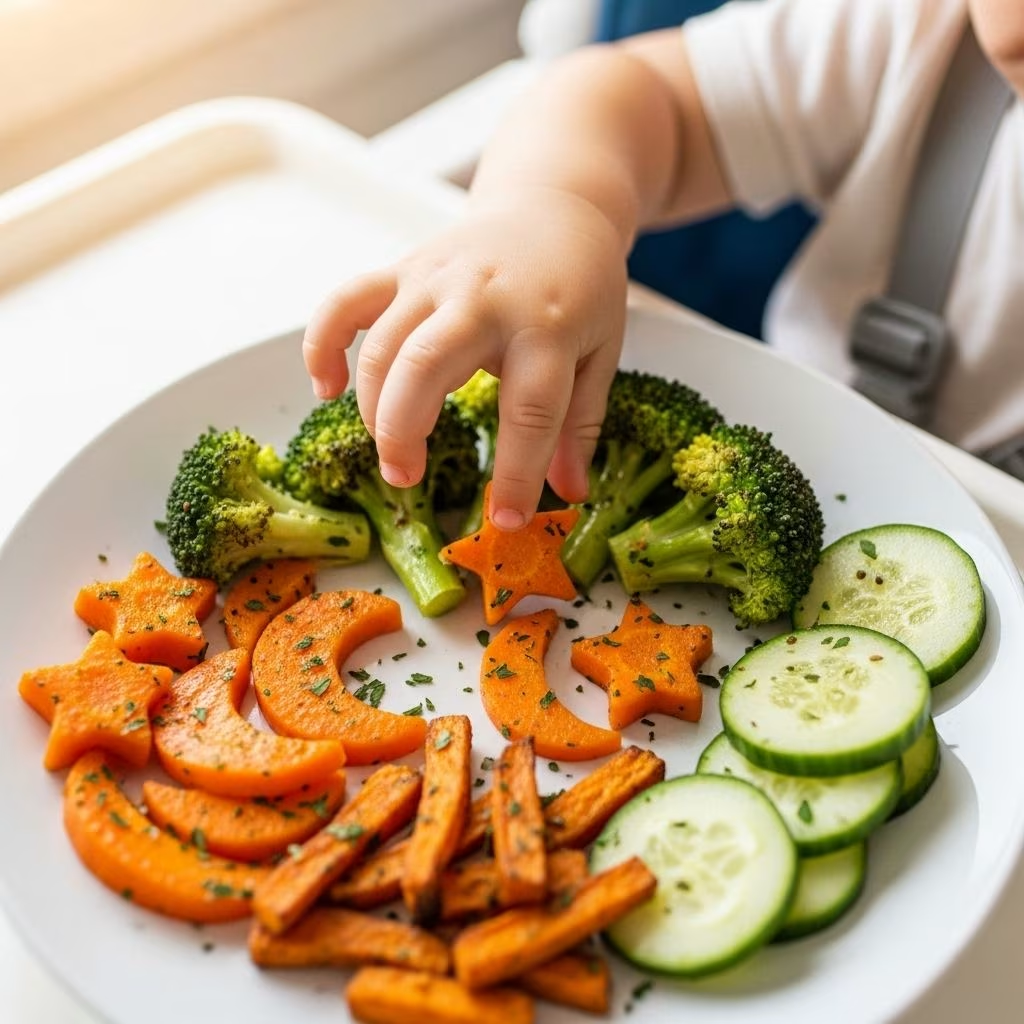
Umami—often overlooked but deeply influential—is transforming how parents and caregivers encourage toddlers to accept and enjoy vegetables. For families, making veggies irresistible is more than a kitchen victory; it’s a foundation for kids’ lifelong health. This article investigates how umami flavor bridges the taste gap, the science of toddler taste development, practical approaches to boost umami in meals, concerns about umami additives, and answers to common questions.
Introduction to Umami
Umami, the so-called fifth basic taste—joining sweet, salty, bitter, and sour—was first identified by Japanese chemist Kikunae Ikeda in 1908. Associated with a savory, satisfying, and meaty flavor, umami is the taste of glutamates and certain nucleotides naturally present in foods. Unlike other tastes, umami has the unique ability to enhance and harmonize complex flavors, deeply influencing food preference and acceptance from the very first taste experience of life—breast milk.
The Science of Umami in Children
Notably, babies are born with a full range of taste receptors including those for umami. Research reveals that glutamate—the compound responsible for umami—is the most abundant free amino acid in breast milk, present at levels even higher than in many savory broths. This early exposure is significant: even as infants prefer sweet tastes, their repeated intake of breast milk conditions them to appreciate the savory, umami profile.
As a child transitions to solid foods, their developing palate learns through exposure. Introducing umami-rich flavors early—paired with vegetables—can foster comfort with increasingly complex and diverse foods as they grow.
Why Toddlers Reject Vegetables
One of the most familiar parenting challenges is the toddler’s resistance to vegetables. Several factors contribute:
- Bitterness in many vegetables, such as broccoli, spinach, and kale, is often off-putting to young palates.
- Texture issues can lead to instant rejection—some toddlers dislike the fibrous, mushy, or crunchy feel of certain veggies.
- Lack of flavor or blandness makes vegetables unexciting when compared to richer, more seasoned foods.
- Toddler neophobia (natural wariness of new foods) peaks between ages 2–6, leading to automatic aversion to unfamiliar flavors and textures.
This is where umami plays a transformative role, mitigating bitterness and providing an enticing depth of flavor to naturally nutrient-dense foods.
How Umami Makes Vegetables Palatable for Toddlers
Umami acts as a ‘bridge builder’, softening the sharpness of bitter vegetables and making greens, legumes, and whole grains more appealing for toddlers. It delivers several critical effects:
- Masks bitterness: The savory notes of umami can neutralize or mask the bitterness in cruciferous vegetables, making them easier for young tongues to accept.
- Boosts salivation and mouthfeel: Sensing umami triggers increased saliva production, which helps toddlers more easily taste and swallow a variety of foods.
- Heightens overall palatability: By intensifying and harmonizing flavors, umami makes even bland vegetables exciting and increases the likelihood that toddlers will eat them voluntarily.
- Facilitates repeated exposure: More enjoyable initial encounters with veggies mean toddlers are willing to try them again, a key factor in developing food preferences.
Supporting Evidence
Studies and pediatric nutrition experts note that consistent, low-pressure exposure to umami-rich vegetable dishes leads to greater acceptance over time. If initial dishes taste satisfying, the psychological and sensory barriers to trying vegetables diminish.
Natural Sources of Umami for Toddlers
Natural umami appears in both animal and plant-based foods, making it easy to craft toddler-friendly meals that are vegetarian, flexitarian, or omnivorous. Key sources include:
| Food | Glutamate Content* | Toddler-Friendly Suggestions |
|---|---|---|
| Tomatoes (cooked/dried) | ~246 mg/100g | Roasted tomato sauce, soups |
| Parmesan Cheese | ~1,200 mg/100g | Grated on pasta or veggies |
| Mushrooms (dried/shiitake) | ~1,060 mg/100g | Mixed into stir-fries, stews |
| Green peas, corn | ~70–110 mg/100g | Blended in patties, mixed with other veggies |
| Seaweed (nori, kelp) | Varies | Crumble on rice, blend in soups |
| Fermented soy (miso, tamari) | High | Mild miso soup, dressings |
*Approximate free glutamate per 100g, varies by preparation.
Notice that many high-umami foods are also nutrient-dense, contributing protein, fiber, vitamins, and minerals. Animal-based umami sources (like slow-cooked meat broths and cheeses) also offer key nutrients, but plant-based sources are excellent for vegetarian and allergy-aware families.
Practical Tips for Boosting Umami in Kids’ Vegetable Dishes
- Roast or caramelize vegetables: Cooking techniques like roasting amplify the natural umami and sweetness of vegetables (think roasted carrots, sweet potatoes, or tomatoes).
- Pair with umami-rich sauces: Add a light sprinkle of parmesan, a spoonful of mild miso, or a splash of low-sodium soy sauce to vegetables.
- Add mushrooms (fresh or dried): Stir finely diced mushrooms into sauces, casseroles, or veggie burgers to add depth without altering texture noticeably.
- Include umami-rich plant proteins: Tofu, tempeh, and edamame not only increase umami but also provide essential protein.
- Blend or puree for smooth textures: For texture-sensitive toddlers, blend umami-rich ingredients (tomatoes, peas, mushrooms) into smooth soups, dips, or spreads.
- Use fermented ingredients wisely: Small amounts of miso, nutritional yeast, or fermented sauces can add complexity without overwhelming sensitive taste buds.
- Balance flavor profiles: Combine sweet (roasted carrots), salty (cheese), and umami (mushrooms) to create a multi-sensory meal that appeals to all taste receptors.
- Model enjoyment: Toddlers are more likely to try and repeat foods they see adults eating and enjoying.
Common Myths and Facts About Umami and Kids
Umami Means MSG—Fact or Fiction?
Myth: All umami is the same as MSG, and MSG is harmful.
Fact: Umami is a natural taste, present in foods regardless of added MSG. While MSG (monosodium glutamate) is a concentrated seasoning form of glutamate, it is only one of many sources. Natural umami from whole foods brings nutritional value, while MSG is generally recognized as safe for healthy children when not overused—but concern arises when it’s added to nutrient-poor, ultra-processed foods.
Is Umami Too Complex for Young Children?
Myth: Savory flavors are “adult” and will overwhelm a toddler’s palate.
Fact: Babies encounter glutamate from birth via breast milk and often show enjoyment of umami flavors in age-appropriate, gentle forms, such as mild soups or grated cheese.
Is Umami Only in Animal Products?
Myth: Only meat and cheese offer umami.
Fact: Many vegetables, mushrooms, legumes, and fermented plant foods contain abundant umami, making them valuable for vegetarian and flexitarian diets.
Nutritional Impact of Umami on Toddler Diets
- Umami-rich diets are often more nutrient-dense. Whole foods delivering umami bring protein, vitamins (such as B vitamins in mushrooms), antioxidants (in tomatoes), and important minerals.
- Adding umami to vegetable dishes can help reduce salt usage by as much as 30–40% without compromising palatability. This is especially beneficial for forming healthy eating patterns early on.
- Presence of umami in meals increases toddlers’ willingness to try new foods, diversifying their nutrient intake—an essential factor for comprehensive growth and brain development.
- Umami’s satiating quality can promote better meal satisfaction and prevent overconsumption of less healthy, ultra-processed snacks.
Frequently Asked Questions (FAQs)
What is umami, and why is it important for toddlers?
Umami is the savory fifth basic taste, prompted by glutamate and certain nucleotides found naturally in many foods. It’s important for toddlers because it enhances flavor, increases acceptance of a wider range of foods, and plays a key role in encouraging the consumption of nutrient-dense vegetables and proteins from an early age.
Are there risks to using MSG or umami seasonings for toddlers?
In moderate amounts and as part of a varied diet, MSG is recognized as safe by food safety authorities and can be a useful tool for boosting flavor without increasing sodium excessively. However, the context matters: prioritize natural umami from whole foods, and avoid over-reliance on ultra-processed foods rich in sodium and artificial flavors.
Can umami really help picky eaters eat more vegetables?
Yes, multiple studies and clinical evidence suggest that introducing umami in vegetable dishes can reduce aversion and increase pleasurable eating. Consistent low-pressure exposure is crucial for children to learn to enjoy the enhanced flavors over time.
Are there vegetarian options for boosting umami in meals?
Absolutely—vegetarian umami sources include tomatoes, mushrooms, fermented soy products (miso, tamari), nutritional yeast, green peas, corn, and seaweed.
How can I start using umami to help my toddler enjoy vegetables?
Begin by pairing new vegetables with familiar, umami-rich foods such as cheese, tomato sauce, or mild soy or miso dressings. Try varied cooking techniques like roasting to intensify umami, and model enjoyment by sharing meals as a family.
Final Thoughts
Umami provides a window of opportunity for parents and caregivers to make vegetables enjoyable—and even exciting—for toddlers. Integrating umami-rich foods, cooking methods, and creative exposures into daily nutrition can help build a positive relationship with vegetables and other nutrient-dense foods early in life, shaping taste preferences for years to come.
As research and clinical insights continue to highlight the benefits of umami, families can reshape the vegetable experience from “battle” to “adventure,” supporting optimal nutrition and healthy growth at every stage.
References
- https://www.fussytofoodie.com/p/the-secret-flavor-your-child-needs
- https://www.ajinomoto.com.ph/news-and-events/heres-a-science-based-way-to-boost-your-kids-appetite/
- https://www.healthline.com/nutrition/umami-foods
- https://pmc.ncbi.nlm.nih.gov/articles/PMC4676364/
- https://www.andeal.org/vault/2440/web/Umami_Science_and_Lore_of_Health_Eating_201708.pdf
- https://pmc.ncbi.nlm.nih.gov/articles/PMC6356469/
- https://www.organix.com/a-z/umami-flavour


