


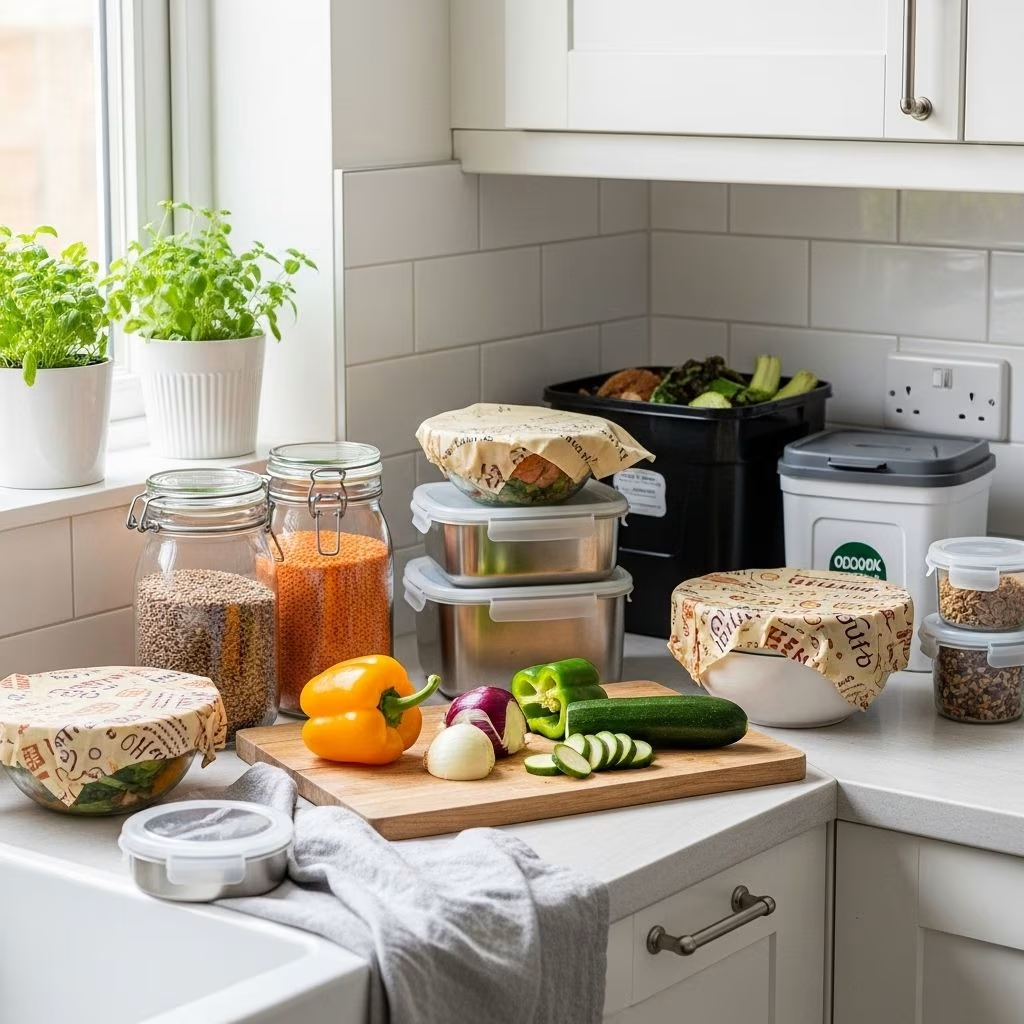
Reducing food waste and minimizing environmental impact are at the core of the zero waste cooking routine. In today’s fast-paced world, families are increasingly aware of their ecological footprints, especially in the kitchen. Implementing zero waste strategies can transform your family kitchen into a hub of sustainability, creativity, and resourcefulness—while also helping you save money and foster healthier eating habits.
Introduction to Zero Waste Cooking
Zero waste cooking is an approach where every edible part of ingredients is used with intention, and as little as possible is discarded. The practice goes beyond recycling, seeking to prevent waste from occurring in the first place . In the family kitchen, this means mindful shopping, thoughtful meal prep, and creative use of leftovers and food scraps. It’s a lifestyle adjustment that benefits household budgets, health, and the environment.
Core Principles of Zero Waste Cooking
- Use Everything: Find ways to utilize the whole ingredient—from root to leaf, stalk to seed.
- Prevent Food Waste: Plan meals, use up what you have, and store food properly.
- Minimize Packaging: Avoid pre-packaged goods; buy in bulk or from local sources when possible.
- Compost Unusable Scraps: What can’t be eaten should nourish the earth instead of heading to landfill.
- Continuous Learning: Experiment with new recipes and preservation methods to make the most of your food .
Meal & Portion Planning for Zero Waste
Thoughtful meal planning and correct portioning are fundamental to reducing waste. Knowing how much your family consumes helps prevent overbuying and unnecessary waste .
- Weekly Meal Plans: Outline meals for the week based on what’s already in your fridge and pantry.
- Flexible Recipes: Opt for recipes that allow for substitutions based on what needs using up.
- Portion Guides: Use guides or visual cues (such as a cup of cooked grains per person) to avoid making excess food.
- Track Leftovers: Label and date leftovers; incorporate them into upcoming meals .
| Food Category | Per Person Portion | Family of 4 Total |
|---|---|---|
| Proteins (Meat/Beans/Eggs) | 100g | 400g |
| Grains (Cooked) | 1 cup | 4 cups |
| Vegetables | 2 cups | 8 cups |
| Fruit | 1 cup | 4 cups |
Waste-Free Grocery Shopping Habits
- Buy in Bulk: Reduces packaging and lets you buy only as much as you need.
- Farmers’ Markets: Source seasonal, local produce often with less or no packaging.
- Bring Your Own Bags & Containers: Invest in reusable produce bags, jars, and totes.
- Plan Beforehand: Shop with a detailed list to prevent impulse buys that might spoil .
Maximizing Every Ingredient
With creativity, you can ensure that every edible part of your produce, meats, and pantry staples is put to use, minimizing waste and boosting nutrition .
- Vegetable Peels and Stems: Save for homemade stocks and soups.
- Stale Bread: Make croutons, breadcrumbs, or bread puddings.
- Overripe Fruit: Blend into smoothies, bake into cakes, or simmer into jam.
- Herb Stems: Infuse oils and vinegars or chop and add to sauces.
- Poultry Carcasses/Bones: Simmer for nutrient-rich broths.
- Leafy Tops (like carrot or beet greens): Turn into pestos, sautés, or stir into soups.
Creative Use of Leftovers and Scraps
Turning leftovers into entirely new, delicious meals is a hallmark of zero waste cooking. Explore international cuisines for tasty ways to use your odds and ends .
- Fried Rice or Stir-fry: Use leftover cooked rice and vegetables to make a fast, flavorful dinner.
- Breakfast Hash: Dice cooked potatoes, meat, and veggies for a skillet hash.
- Soup du Jour: Combine bits and bobs—meat, grains, veggies—into a comforting soup.
- Pesto with Greens: Use spinach, carrot tops, or herbs on the edge for a quick pesto sauce .
- Loaded Wedges: Crisp up unpeeled potato wedges and top with whatever cheese or meat remains.
Family Involvement: Getting Everyone On Board
Creating a zero waste routine is easier—and more enjoyable—when the entire family participates. Making the process fun and engaging leads to stronger buy-in, especially with children .
- Assign Kitchen Roles: Let even young children help with simple prep tasks or compost duties.
- Experiment Together: Invite each family member to pick a recipe for using up leftovers each week.
- Educational Moments: Teach kids about the food cycle, composting, and why reducing waste matters.
- Make it a Game: Challenge the family to go a week without throwing away any edible food.
Essential Tools & Storage in a Zero Waste Kitchen
The right equipment helps minimize waste and makes sustainable habits much easier to maintain .
- Reusable Food Storage: Glass containers, silicone pouches, and beeswax wraps extend leftovers’ life.
- Compost Bin: Keep a bin on the counter or under the sink for easy access.
- Good Blender/Food Processor: Great for purees, soups, or using up produce in sauces.
- Oven or Dehydrator: Make chips, fruit leather, or dry herbs without waste.
- Spatulas and Scrapers: Ensure you get every last bit from bowls and tins.
- Cloth Towels/Napkins: Replace single-use paper products.
Composting & Responsible Disposal
No matter how carefully you cook, some inedible scraps are inevitable. Composting lets these remnants nourish the earth rather than generating methane in a landfill .
- Collect veggie peels, coffee grounds, eggshells, and other organic matter.
- Use a kitchen compost bin with a tight-fitting lid to avoid odors.
- Start a backyard compost pile or locate a community compost drop-off in your city.
- Educate family members about what can and cannot be composted (avoid meat, dairy, and most oils).
Family-Friendly Zero Waste Recipes
Here are a few easy, adaptable recipes that can help your family use up what you have and keep everyone full and happy:
- Fridge-Raid Fried Rice: Mix leftover rice, any veg, and scraps of meat or tofu. Sauté with oil, soy sauce, and an egg.
- Vegetable Scrap Broth: Simmer onion skins, carrot peels, celery leaves, and herb stems with water for a delicious stock.
- Waste-Nothing Loaded Potato Wedges: Bake scrubbed, unpeeled potatoes. Toss with cheese, leftover veggies, and anything else lurking in the fridge.
- Overripe Fruit Muffins: Use black bananas, soft berries, or aging apples for a quick, moist snack.
- Leafy Green Pesto: Blend any wilting greens with garlic, nuts or seeds, oil, and cheese or nutritional yeast.
Community and Food Sharing
Zero waste kitchens thrive through connection and shared knowledge. Joining a network, food co-op, or CSA (Community Supported Agriculture) deepens the benefits of waste reduction .
- Food Sharing: Exchange surplus produce or cooked meals with neighbors or through organized community events.
- Community Gardens: Grow some of your own food and share tips and harvests.
- Online Networks and Groups: Find support and fresh ideas from like-minded families working toward zero waste.
Common Challenges & Practical Solutions
- Family Resistance: Start with small, positive swaps and involve everyone in meal choices.
- Lack of Time: Use easy recipes, batch-cook, and meal-prep whenever possible.
- Spoilage: Monitor fridge inventory regularly; freeze what you won’t use in time.
- Limited Storage: Use stackable, uniform jars and bins. Label and rotate items to keep them in sight.
- Budget Constraints: Focus on simple, plant-heavy dishes using cheap but nutritious ingredients like beans, grains, and in-season produce .
Frequently Asked Questions (FAQs)
Q: How do I get started with zero waste cooking without overwhelming my family?
A: Begin by making small, manageable changes—such as saving your veggie scraps for broth or switching to reusable storage containers. Celebrate successes and add new routines gradually.
Q: Can zero waste cooking save my family money?
A: Yes. Reducing food waste means buying less, stretching your grocery budget, and making the most of every ingredient. Many families report significant savings after adopting these habits .
Q: How do I store food to keep it fresh longer?
A: Store perishable items in breathable produce bags or glass containers. Freeze foods you won’t use soon and always label with dates. Keep leftovers front-and-center in your fridge to avoid forgetting them.
Q: Are there any foods that can’t be reused or composted?
A: While most plant-based scraps can be repurposed or composted, avoid composting meats, dairy, or oily foods as these attract pests and may not decompose well in small home systems.
Q: How can I involve kids in the zero waste kitchen routine?
A: Give children age-appropriate kitchen tasks, let them help collect compost, and challenge them to create new meals from leftovers. Make sustainability fun, not a chore.
By making zero waste cooking a regular practice in your family kitchen, you’re not just helping the environment; you’re passing on essential values and life skills to the next generation—one delicious, waste-free meal at a time.
References
- https://www.bbcgoodfood.com/howto/guide/zero-waste-recipes-for-every-day
- https://zerowastefamily.com/zero-waste-cooking-tips-for-a-sustainable-kitchen
- https://thehumbledhomemaker.com/saving-money-with-zero-waste-cooking/
- https://www.sustain.ucla.edu/wp-content/uploads/2021/10/Zero-Waste-Kitchen-Companion-Final.pdf
- https://zerowastefamily.com/going-zero-waste-articles/zero-waste-kitchen
- https://www.thezerowastekitchen.ca/waste-free-tips/portion-planning-solved/
- https://gingerz.wordpress.com/2024/01/23/read-this-my-new-favourite-book-on-zero-waste-cooking/
- https://ec.europa.eu/programmes/erasmus-plus/project-result-content/c0c394c5-40e2-4f70-91d3-4570ceba7e31/The_Zero-Waste_Guide_Basic_Rules_and_Advice.pdf
- https://zerowastechef.com


