


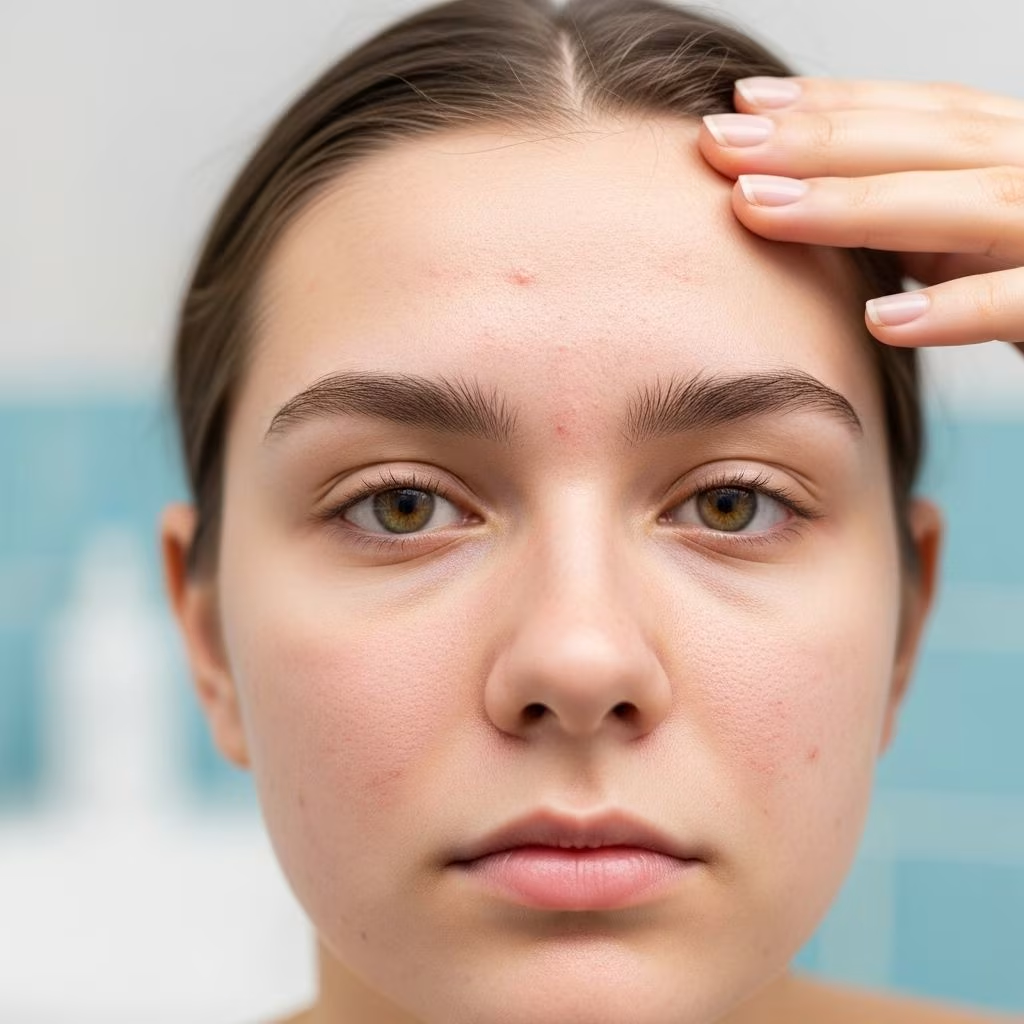
T-zone acne is a specific but highly common form of facial acne that affects the forehead, nose, and chin—the areas forming a T-shape across the face. Due to the higher density of oil glands in this region, breakouts here can be especially stubborn and distressing. This comprehensive guide explores the latest scientific understanding of T-zone acne—from underlying causes to daily prevention and up-to-date treatments, empowering you with accurate strategies for maintaining clear, healthy skin.
What Is the T-Zone? Definition and Significance
The T-zone refers to the T-shaped area comprising the forehead (horizontal bar), nose, and chin (vertical stem) on the face. This region is visually set apart due to:
- Greater number of sebaceous (oil) glands
- Larger and more active hair follicles
- Increased tendency for visible shine and oil buildup
As a result, the T-zone is a prime location for blackheads, whiteheads, and inflamed pimples, a pattern noted by dermatologists as comedonal and inflammatory acne.
Causes of T-Zone Acne
Acne, including that on the T-zone, forms through a complex interplay of biological, environmental, and behavioral factors. The primary drivers include:
- Excess sebum (oil) production: Stimulated largely by androgens (male hormones common in all sexes), oil glands in the T-zone are more active, providing a fertile environment for acne development.
- Blocked hair follicles: Dead skin cells and oil can clog follicles, forming whiteheads (closed pores) or blackheads (open pores).
- Bacterial overgrowth: Cutibacterium acnes (formerly Propionibacterium acnes) thrive in clogged pores, triggering immune responses and inflammation.
- Inflammation: When the follicle wall ruptures or bacteria proliferate, inflammatory lesions such as red pimples or cysts develop.
Diagram: How T-Zone Acne Develops
- Overactive sebaceous glands produce excess oil
- Dead skin cells mix with oil, clogging follicles
- Bacteria multiply within the plug
- The immune system reacts, causing redness, swelling, and visible lesions
Risk Factors and Triggers
A range of internal and external factors can increase the likelihood and severity of T-zone acne:
| Risk Factor | Description |
|---|---|
| Hormonal Changes | Puberty, menstruation, pregnancy, and certain medical conditions increase androgen levels, ramping up oil production. |
| Genetics | Family history plays a role, affecting gland sensitivity and immune response. |
| Medications | Corticosteroids, lithium, and some anticonvulsants can trigger acne. |
| Diet | High-glycemic foods (sugars and refined carbs), as well as dairy products, may worsen acne for certain individuals. |
| Stress | While stress itself does not cause acne, it can worsen pre-existing acne by altering hormonal balance. |
| Occlusive Products | Heavy makeup, oil-based skincare, and improper cleansing contribute to follicle blockage. |
| Mechanical Irritation | Headbands, hats, frequent face touching, and scrubbing can inflame or clog pores. |
Proven Prevention Strategies
Adopting preventive measures can significantly reduce the risk of T-zone acne flare-ups:
- Gentle cleansing: Wash your face twice daily with a mild, non-comedogenic cleanser to remove excess oil and minimize buildup without irritating the skin.
- Regular exfoliation: Chemical exfoliants like salicylic acid or AHAs can help remove dead skin cells and prevent follicle blockages (1-2 times a week if tolerated).
- Lightweight moisturizers: Use non-comedogenic (oil-free) moisturizers even if you have oily skin, as dehydration can paradoxically trigger more sebum production.
- Sun protection: Choose broad-spectrum, non-oily sunscreens to prevent photoaging and post-inflammatory hyperpigmentation from acne lesions.
- Avoid pore-clogging cosmetics: Select makeup and skincare products labeled “non-comedogenic”, and always remove makeup before bed.
- Hands-off approach: Avoid picking, squeezing, or scrubbing breakouts, which increases inflammation, introduces bacteria, and can lead to scarring.
Effective At-Home Treatments
For mild to moderate T-zone acne, several over-the-counter (OTC) options can help control breakouts if used consistently:
- Topical Salicylic Acid (BHA): Penetrates oil-clogged pores, dissolving debris, and promoting exfoliation. Especially effective for blackheads and whiteheads.
- Benzoyl Peroxide: Kills acne-causing bacteria and reduces inflammation. Usually available in 2.5-10% concentrations. May cause dryness or irritation—increase strength gradually.
- Retinoids: OTC retinol or prescription-strength adapalene promote cell turnover and prevent new clogs. Start with a low concentration to limit irritation.
- Gentle Cleansers: Avoid harsh soaps and scrubs; instead, opt for mild cleansers that remove oil without stripping the skin barrier.
Step-by-Step Sample Daily T-Zone Acne Routine:
- AM: Gentle cleanse, apply salicylic acid toner, lightweight moisturizer, sunscreen
- PM: Gentle cleanse, apply topical retinoid or benzoyl peroxide (alternate if sensitive), moisturizer
- Weekly: Consider a clay mask or chemical exfoliant to control oil and decongest pores
Medical and Professional Interventions
When at-home efforts provide limited improvement or acne is moderate to severe, a dermatologist can customize solution-focused therapies:
- Prescription Retinoids: Tretinoin, adapalene, or tazarotene to normalize cell turnover and prevent follicular plugging.
- Topical or Oral Antibiotics: Clindamycin or erythromycin to control bacteria and inflammation, best used short-term in combination treatment to prevent resistance.
- Hormonal Therapies: Combined oral contraceptives or anti-androgen agents (e.g., spironolactone) to control androgen-driven sebum production in women with severe, persistent, or hormonally linked acne.
- Isotretinoin: Reserved for severe, scarring, or treatment-resistant acne due to its potent effect in shrinking oil glands and preventing new lesions. Strict monitoring is required due to significant side effects.
- Procedures: Chemical peels, microdermabrasion, light and laser therapies, and professional extractions complement home care to minimize scarring and rapidly reduce visible lesions.
Diet and Lifestyle Modification
Emerging evidence links diet and lifestyle habits to the frequency and severity of acne, including T-zone breakouts:
- Avoid high-glycemic foods: Limit intake of processed sugars, white bread, sweetened beverages, and starchy snacks associated with excess oil production and hormonal stimulation.
- Monitor dairy intake: There is some evidence linking regular consumption of skim milk and certain dairy products with increased acne risk, though individual sensitivity varies.
- Increase anti-inflammatory foods: Choose more vegetables, fruits, whole grains, and omega-3 fats from fish and walnuts, which may improve baseline inflammation in the skin.
- Stay well-hydrated: Proper hydration supports an even skin tone, healing, and efficient toxin elimination.
- Stress management: Practice mindfulness or relaxation techniques to minimize stress-induced hormonal imbalances that can aggravate acne.
Skincare Tips and Daily Habits
Optimal daily care can reduce new breakouts and promote long-term skin health. Consider the following tips for managing or preventing T-zone acne:
- Double cleansing at night: Start with a gentle makeup remover or micellar water to dissolve sunscreen and cosmetics, followed by a non-stripping foaming cleanser.
- Use clean towels and pillowcases: Wash frequently to limit your exposure to bacteria and oil residue that can contact your face.
- Avoid occlusive headwear: Tight hats or headbands resting on the T-zone can trap sweat and oil, promoting clogs.
- Limit facial masks and helmet wear: Extended use can increase friction, warmth, and humidity, leading to ‘acne mechanica.’
- Keep hair clean and off the face: Hair products and oils can transfer to the T-zone and contribute to acne, so frequent washing and tying hair back can help.
T-Zone Acne Myths and Misconceptions
- “Oily skin doesn’t need moisturizer”: Dehydrated skin may respond by producing even more oil, so proper hydration is essential.
- “Tanning clears up acne”: Sun exposure may temporarily dry out pimples, but long-term UV exposure increases the risk of dark spots, premature aging, and skin cancer, and does not prevent recurrence.
- “Chocolate causes acne”: High-sugar diets may influence acne, but there is insufficient evidence linking chocolate directly to T-zone breakouts.
- “Scrubbing skin gets rid of acne”: Overly aggressive cleaning causes irritation and worsens inflammation and breakouts.
Frequently Asked Questions
What makes the T-zone so prone to acne?
The T-zone contains more active sebaceous glands and larger hair follicles than other facial areas, leading to more oil and a greater chance for clogged pores and breakouts.
Is T-zone acne different from breakouts on the cheeks or jaw?
T-zone acne is usually comedonal (blackheads and whiteheads), while acne elsewhere—such as the jawline or cheeks—may be deeper, bigger, and tied to hormonal changes or other triggers.
Should I avoid moisturizing my T-zone if it is oily?
No—non-comedogenic, oil-free moisturizers help balance the skin barrier, reducing irritation and paradoxical oiliness.
Can my diet really affect my T-zone acne?
Current evidence suggests that high-glycemic diets and some dairy can worsen acne for certain people, so tracking triggers and making dietary adjustments may help.
When should I see a dermatologist for T-zone acne?
If your acne is painful, causing scarring, or has not improved with consistent at-home treatment, professional assessment and prescription options can offer more targeted solutions.
Conclusion
T-zone acne is a common but frustrating challenge—one amplified by the density of oil glands and large pores in this part of the face. Understanding its causes and risk factors is the first step toward prevention. With evidence-based skincare routines, dietary mindfulness, and, when necessary, professional interventions, you can reduce breakouts and achieve clearer, healthier skin for the long term.
References
- https://www.skincare.com/skin-concerns/acne/why-do-i-break-out-on-my-t-zone
- https://health.clevelandclinic.org/acne-face-map
- https://www.mayoclinic.org/diseases-conditions/acne/symptoms-causes/syc-20368047
- https://www.ncbi.nlm.nih.gov/books/NBK459173/
- https://cosmeticinjectables.com/blog/acne-breakouts-hidden-meaning/
- https://my.clevelandclinic.org/health/diseases/12233-acne
- https://www.nhs.uk/conditions/acne/


