


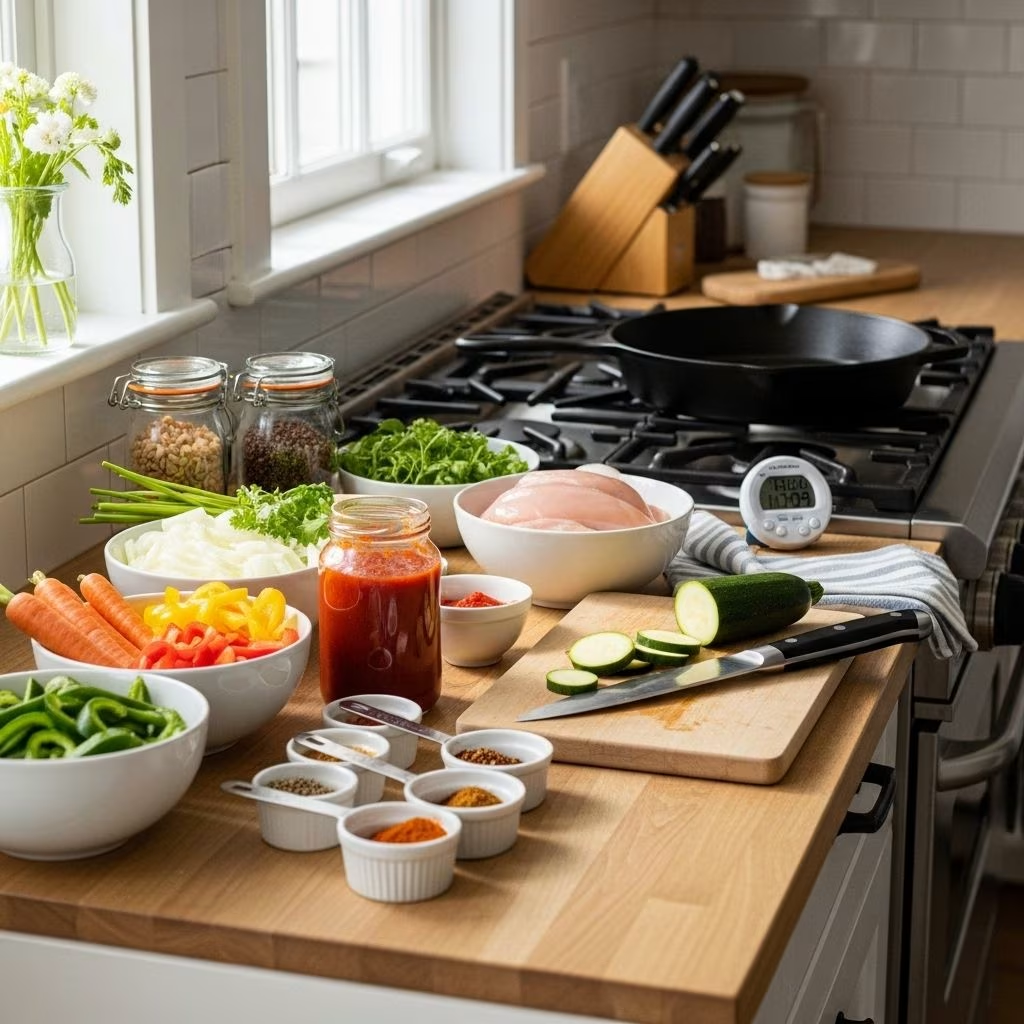
Family dinners should be moments of connection, joy, and nourishment—yet too often, they devolve into a flurry of last-minute tasks, kitchen chaos, and stress. The French culinary principle of mise en place, which translates to “everything in its place,” is a simple but transformative solution. By adopting mise en place for family dinners, you can transform your cooking environment, enhance your efficiency, foster creativity, and—most importantly—dramatically reduce mealtime stress.
Introduction: What Is Mise en Place?
Mise en place is a core concept of professional culinary arts, meaning “everything in its place”. Originating from the French brigade system developed by chef Georges-Auguste Escoffier, this approach organizes all ingredients, tools, and workflows before cooking actually begins. While indispensable for restaurant kitchens, mise en place is just as powerful—and accessible—in the family kitchen. The principle involves:
- Reading and understanding the recipe or menu plan ahead of time.
- Gathering all ingredients in advance, prepping (measuring, chopping, marinating, etc.) them before any cooking starts.
- Lining up kitchen tools, utensils, pans, and gadgets in an orderly, accessible way.
- Creating a clean, uncluttered workspace.
As a result, home cooking becomes less about racing against the clock and more about enjoying the process, connecting with your family, and producing consistently successful meals.
Core Benefits of Mise en Place at Home
When applied to family dinners, mise en place offers a wide range of benefits that go far beyond improved efficiency. The key advantages include:
- Organization: Every ingredient and tool is prepared and arranged before cooking, minimizing mistakes and promoting focus.
- Consistency: Dishes turn out as planned, night after night, because measurements and steps are executed with care.
- Efficiency: Prepping in advance shortens total meal time, allowing families to eat together faster and more regularly.
- Stress Reduction: Last-minute scrambling and kitchen chaos are replaced by a calm, controlled environment.
- Creativity: With particulars handled ahead of time, there is more mental space for experimenting with new recipes, flavors, or techniques.
- Improved Cleanliness: Clean-as-you-go habits help maintain an uncluttered space, reducing mess and ease post-dinner clean-up.
How Mise en Place Reduces Family Dinner Stress
Mise en place is so effective for stress reduction in family kitchens for several practical and psychological reasons:
- Removes Surprises: By preparing ingredients and checking shopping lists beforehand, you avoid the stress of missing components or last-minute store runs.
- Eliminates Multitasking Overload: With a set plan and ingredients in order, you avoid the pressure of chopping while stirring or running to find utensils while something is burning on the stove.
- Promotes Mindfulness: With preparation done in advance, cooking becomes a more focused, present activity, boosting enjoyment and satisfaction.
- Makes Room for Family Participation: Pre-arranged tasks and ingredients empower even young children to help in appropriate ways, turning stress into collaboration and togetherness.
- Reduces Error: Mise en place helps prevent forgotten steps, incorrect measurements, or double additions, all of which can derail a meal and add frustration.
Step-by-Step Guide: Applying Mise en Place to Family Dinners
Transforming your family dinner routine with mise en place is straightforward, though it requires practice and consistency. The following steps break down the process:
1. Menu Planning and Recipe Selection
- Choose dinner recipes or a weekly meal plan in advance. Consider dietary needs, time constraints, and family preferences.
- Read each recipe thoroughly. Make note of unfamiliar techniques, order of operations, and possibly confusing steps.
2. Create a Shopping List and Inventory
- List all needed ingredients per recipe, checking your pantry and fridge so you only buy what’s missing.
- Organize your list (produce, dairy, proteins, pantry items) for shopping ease.
3. Prep and Measure Ingredients
- Wash, chop, dice, or marinate all necessary items ahead of time.
- Measure dry and wet ingredients according to recipe specifications. Place each ingredient in a small bowl, cup, or ramekin, grouping by when they’ll be used.
4. Organize Tools and Equipment
- Lay out the necessary pots, pans, spatulas, whisks, measuring cups, or appliances. Check that knives are sharp and surfaces clean.
5. Set Up Workstations
- If multiple family members are involved, assign tasks and arrange their stations for easy flow—e.g., veggie station, sauce station, salad assembly.
6. Maintain Cleanliness
- Keep a small bowl for food scraps and a damp cloth handy for quick clean-ups. Rinse tools as you go, and empty cutting boards after each job.
Overcoming Common Obstacles for Families
Even with the best intentions, families may encounter practical challenges while implementing mise en place. The most frequent obstacles—and solutions—are:
- Lack of Time: Start with one or two steps (e.g., measure spices and prep veggies the night before) to build the habit. As you see the benefits, expand your mise en place routine incrementally.
- Small Kitchen Space: Use stackable containers, cutting board extenders, or serving trays to group ingredients. Arrange tools vertically or in accessible drawers.
- Busy Schedules: Batch-prep for the week on weekends. Pre-chop extra onions, store in airtight containers, or prep sauces and dressings in advance.
- Family Resistance: Make mise en place into a fun family ritual—with music, snacks, or role-based assignments that involve even young children in age-appropriate tasks.
Mise en Place as Family Teamwork and Community
Mise en place is not just a solo activity—it’s an excellent way to foster teamwork and create treasured family memories. Some ideas to turn mise en place into a shared event:
- Assign roles according to skill level and interest—one child measures rice, another washes fruit, an adult slices protein.
- Rotate responsibilities, so everyone learns new skills and feels valued.
- Share stories, play music, or set a timer for group challenges—to keep the mood light and cooperative.
- Debrief after dinner: Discuss what worked, what was fun, and ideas for making things even smoother next time.
Advanced Mise en Place: Planning and Batch Prep for Busy Families
Once you’ve mastered basic mise en place, consider these advanced strategies for even greater ease:
- Batch Prepping: Chop extra vegetables, cook grains, or prepare sauces in batches to use throughout the week. Label, date, and store portions in reusable containers for quick weeknight assembly.
- Recipe Grouping: Plan for several dinners using overlapping ingredients—if you chop onions for tacos, do double for Wednesday’s stir-fry.
- Freezer Prep: Marinate proteins or build casserole elements ahead, freeze, and thaw as needed. Mise en place principles still apply when thawing and assembling frozen components.
Clean-as-You-Go: The Unsung Hero
The clean-as-you-go philosophy is integral to mise en place. A few simple habits will keep your kitchen a stress-free space:
- As soon as you’ve finished with an ingredient, return it to the fridge or pantry—don’t leave clutter on your countertop.
- Wipe surfaces frequently and immediately dispose of food scraps.
- Encourage family members to rinse and stack their prep dishes while cooking, not just after eating. This keeps the sink and counters manageable and speeds up post-dinner clean-up.
- End each cooking session with a tidy counter, a clean sink, and equipment ready for the next meal.
Frequently Asked Questions (FAQs)
Q: Do I need fancy equipment to practice mise en place at home?
A: No, you don’t need professional kitchen gear. Small bowls, cups, plates, or even clean coffee mugs work perfectly for holding prepped ingredients.
Q: Is mise en place only useful for complex or gourmet recipes?
A: Mise en place is valuable for any recipe, from quick weeknight dinners to elaborate holiday feasts. Even breakfast prep or sandwich-making benefit from having ingredients ready and accessible.
Q: My family is always pressed for time. How can we make mise en place practical?
A: Start by prepping just one step ahead—such as chopping all vegetables before turning on the stove. Batch prepping on weekends or involving multiple family members can also make mis en place more manageable for tight schedules.
Q: How do I avoid extra dishes from using many prep bowls?
A: If a recipe adds multiple ingredients simultaneously (like several vegetables for a stir-fry), group them into one bowl. Reuse containers for successive steps, and rinse as you go to reduce overall dish count.
Q: How does mise en place help kids learn about cooking?
A: Mise en place breaks cooking into clear, manageable steps. This helps children understand order, measurement, and timing, while boosting their confidence (and enjoyment) in the kitchen.
Conclusion: A Lasting Family Tradition
Embracing mise en place at home transforms family dinners from stressful chores into opportunities for connection, creativity, and calm. The discipline of organizing ingredients and tasks before cooking not only yields tastier, healthier meals but also builds life skills and joyful memories for families of any size or schedule. Consistent mise en place cements a tradition of resilience, cooperation, and delight at your dinner table—night after night.
References
- https://chefjeanpierre.com/recipes/importance-of-mise-en-place/
- https://www.doyouroux.com/what-is-mise-en-place/
- https://thedinnerdaily.com/mise-en-place-2/
- https://www.cacfp.org/2024/05/07/culinary-basics-mise-en-place/
- https://thestonesoup.com/blog/2012/04/10/the-magic-of-mise-en-place-how-a-chef-secret-can-help-you-prepare-for-the-busy-week-ahead/
- https://www.ecpi.edu/blog/why-is-mise-en-place-important-for-culinary-students


