


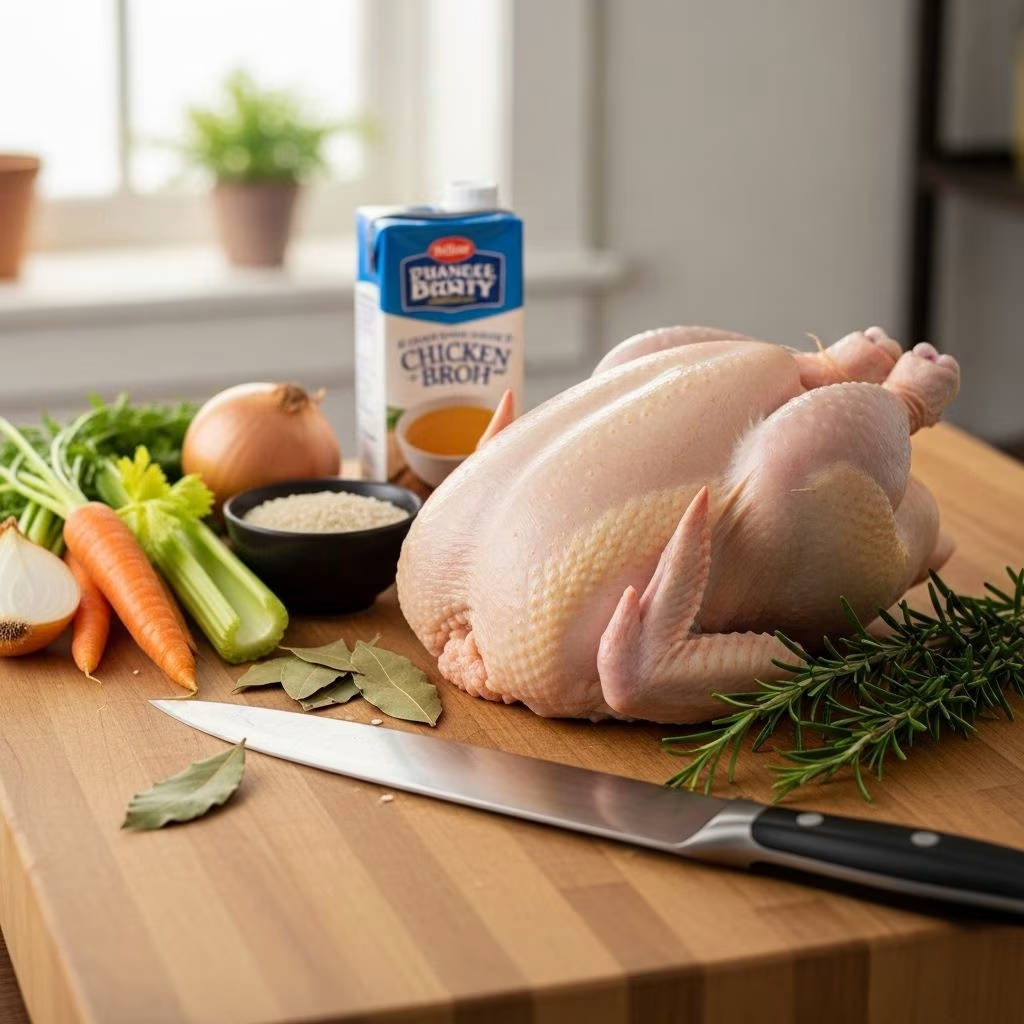
Why Buy Whole Chicken?
Buying whole chickens is one of the most economical and resourceful choices for families aiming to save on groceries without sacrificing nutrition or taste. While pre-packaged chicken parts offer convenience, whole chickens are significantly cheaper per pound and provide more value, especially when organic or pasture-raised options are considered. Whole birds allow for meal diversity, minimal packaging waste, and—once cooked—can stretch into several meals, making them a cornerstone of budget-friendly family cooking.
Plus, cooking a whole chicken yourself guarantees moist, flavorful meat (compared to often-dry, pre-cut breasts) and leaves you with bones and carcass for nutrient-rich homemade broth—something you simply can’t get from pre-fabricated cuts.
Cost Comparison: Whole Chicken vs. Pre-Cut Parts
A detailed price breakdown reveals just how much you can save:
| Cut | Price per Pound | Yield (per lb, cooked) | Value Notes |
|---|---|---|---|
| Whole Chicken | $3.50 | 1 cup chopped meat | Includes bones for broth |
| Boneless, Skinless Breasts | $9.00 | 2 cups | No bones, no skin, less flavor |
| Chicken Legs | $4.50 | 1.5 cups (6.5 oz) | Less versatility, similar price to whole when comparing yield |
In practice, a 5-pound whole chicken costs $17.50 and yields about 5 cups of chopped cooked meat plus 2 quarts of homemade broth (worth $10 at the store). This brings the effective meat cost to roughly $1.50 per pound—an unbeatable value. Chicken breast, in contrast, is nearly triple the cost per pound and lacks the added bonus of homemade broth. Chicken legs are almost as expensive as whole chicken per cup of actual meat, but you miss out on the variety of parts and the opportunity to make broth.
How to Select a Whole Chicken
Choosing the right chicken is the first step to successful budget cooking:
- Look for sales: Whole chickens often go on sale, especially during holidays or at larger grocery chains.
- Consider quality: Pasture-raised or organic chickens may cost a bit more but offer better flavor and nutrition.
- Check weight and packaging: Look for birds that fit your freezer or roasting pan, and avoid any with damaged packaging or off odors.
Cooking Methods for a Whole Chicken
Cooking a whole chicken is simpler than many realize, and it delivers a juicy, flavorful centerpiece for any meal. Here are popular methods:
- Roasting: Rub the bird with a simple spice mix (salt, onion salt, celery salt, garlic powder, parsley, and oregano), roast covered at 400°F (200°C) for an hour, then uncovered for another 30–45 minutes until the internal temperature reaches 165°F (75°C).
- Slow Cooker or Instant Pot: Ideal for busy families—just add seasonings and cook on low for several hours or use the poultry setting on pressure cookers.
- Grilling: Great for summer months, but requires careful attention to avoid charring.
Once cooked, let the chicken rest for 10 minutes before carving to redistribute juices, resulting in a juicier bird.
Portioning and Storing for Multiple Meals
With a little planning, one whole chicken can provide at least two meals for a family of four—sometimes more, depending on how you stretch the meat.
- First meal: Serve roasted chicken with vegetables, saving half the meat for later.
- Portion and slice: Remove all meat from the carcass, slice or shred for salads, sandwiches, casseroles, and more.
- Storage: Store leftover meat in airtight containers in the fridge for up to 3 days, or freeze for up to 3 months.
- Broth materials: Reserve the bones, skin, and any scraps for homemade stock.
Creative Ways to Use Chicken Leftovers
Leftover chicken is incredibly versatile. Here are some family-friendly ideas:
- Soups and stews: Chicken noodle soup, chicken tortilla soup, or chicken and vegetable stew are all excellent uses for leftovers.
- Casseroles and pot pies: Combine with vegetables, gravy, and a crust for a filling meal.
- Stir-fries and salads: Add to fried rice, stir-fried vegetables, or mixed greens for a quick, balanced meal.
- Enchiladas, tacos, and wraps: Shredded chicken is perfect for Mexican-inspired dishes.
Roasting extra vegetables alongside the chicken provides another ingredient for soups or grain bowls later in the week.
Making Homemade Broth from Bones
The bones, skin, and any leftover scraps from your whole chicken are gold for making homemade broth, which is far superior in flavor and nutrition to store-bought varieties.
- Simmer with aromatics: Place bones, vegetables (carrots, celery, onion), and herbs in a pot or slow cooker with enough water to cover, and simmer for several hours to extract collagen and nutrients.
- Strain and store: Strain out solids and cool the broth. Use within a week or freeze in portions for later use.
- Gelatin content: Homemade broth, when cooled, often forms a jelly-like consistency thanks to gelatin, a clear sign of nutrient density.
- Compost leftovers: After making broth, bones can be composted using a bokashi composter, reducing waste even further.
Maximizing Budget and Reducing Waste
Whole chicken cooking is inherently less wasteful than buying pre-cut parts. Here’s how to amplify your savings:
- Minimize packaging: Whole chickens use less plastic and cardboard than individual cuts.
- Use everything: Meat, bones, skin—everything goes toward meals or broth, minimizing food waste.
- Shop sales and bulk: Stock up when whole chickens are on sale, or buy from local farms for better deals.
- Plan meals: Align your meal plan with your chicken purchase to prevent leftovers from going bad.
- Keep a recipe journal: Track successful dishes and adjustments to streamline future meal planning.
Meal Planning Tips and Tricks
Strategic meal planning can stretch one chicken into several dinners and lunches. Here’s how:
- Cook once, eat twice: Roast a chicken on Sunday, use half for dinner, and reserve the rest for weekday meals.
- Prep ingredients: Chop, slice, and portion leftover chicken immediately for easy access during busy weekdays.
- Batch cook broth: Make a large batch of broth and freeze in portions; it’s a quick base for soups, risottos, and sauces.
- Involve the family: Get kids involved in meal prep and idea generation—breaded chicken bites, homemade chicken nuggets, and chicken quesadillas are all family favorites.
Health and Nutrition Benefits
Cooking with whole chickens offers several health advantages:
- Richer flavor and moisture: Roasting a whole bird preserves juices, yielding much more succulent meat than pre-cut parts.
- Nutrient-dense broth: Homemade bone broth is packed with collagen, amino acids, and minerals.
- Healthy fats: Pasture-raised chickens provide beneficial fats often removed from factory-farmed, pre-cut meats.
- No additives: Whole chickens typically have fewer preservatives and additives compared to some pre-packaged cuts.
Frequently Asked Questions (FAQs)
Q: Is it really cheaper to buy a whole chicken?
A: Yes, whole chickens are generally much cheaper per pound than pre-cut parts and offer additional value through broth from bones.
Q: How many meals can I get from one whole chicken?
A: A 5-pound chicken can provide at least two meals for a family of four and often more, depending on portioning and creativity with leftovers.
Q: Is it difficult to cook a whole chicken?
A: Not at all. Roasting, slow cooking, or pressure cooking a whole chicken are all straightforward and require minimal hands-on time.
Q: What if I only want chicken breast?
A: You can still buy a whole chicken, carve off the breasts, and use the rest for other meals and broth—saving money while enjoying the parts you prefer.
Q: How do I store leftover chicken?
A: Keep cooked chicken in the fridge for up to 3 days, or freeze for up to 3 months. Broth can be frozen indefinitely in airtight containers.
Q: Can I compost bones after making broth?
A: Once bones have been thoroughly cooked down for broth and softened, they can be composted, especially through bokashi composting, which ferments meats safely.
Conclusion
Buying whole chickens instead of pre-packaged parts is a smart, economical strategy for family meal planning. The initial investment of time pays off in lower grocery bills, much less food waste, and a variety of tasty, nutritious meals. With a little practice, you’ll discover that whole chickens are not only affordable but also delicious, versatile, and the perfect foundation for a healthier, happier family kitchen.
References
- https://www.baltimorefoodshed.com/saving-with-whole-chickens/
- https://thebudgetinggranny.com/save-on-groceries-with-whole-chickens/
- https://whiffletreefarmva.com/blog/budget-series-3-ways-to-use-a-whole-chicken-part-3
- https://theologyofhome.com/blogs/in-place-in-person/chicken-a-king-of-frugal-meals


