


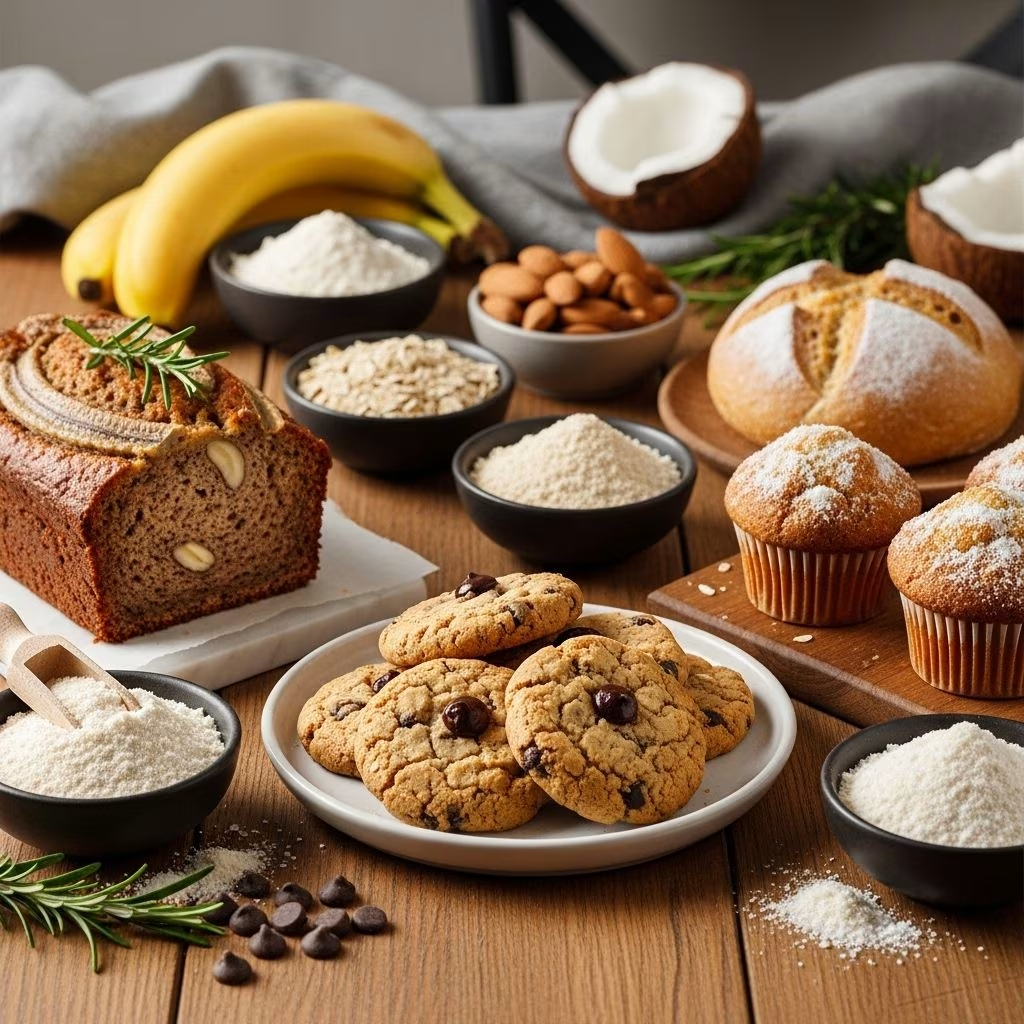
Healthy Baking with Alternative Flours for Family
Baking is a beloved household tradition—evoking warmth, togetherness, and the simple joy of homemade treats. Yet, the ingredients we choose shape not only flavor but the health value of our recipes. Traditional white flour, though convenient, lacks many of the nutrients found in whole grains and alternative flours. For families looking to boost nutrition while preserving taste and texture, swapping white flour for healthier alternatives opens up a world of delicious, wholesome possibilities.
Why Choose Alternative Flours?
For decades, refined white flour has been the standard for home baking. However, it is processed to remove the bran and germ, stripping away most fiber, protein, iron, and other nutrients. Increasing research and consumer awareness have shifted focus towards whole grain and gluten-free flours, which provide more vitamins, minerals, and fiber per serving.
Many families today bake with alternative flours to:
- Improve overall nutrition by increasing fiber, protein, and micronutrient intake.
- Accommodate dietary needs such as gluten intolerance, wheat allergies, or low-carb diets.
- Add diverse flavors and textures that enrich familiar recipes.
- Support sustainable food choices by trying more ancient grains and plant-based options.
Key Benefits of Alternative Flours
- Higher Fiber: Whole grain and nut flours often contain two to four times more fiber than white flour—supporting healthy digestion and longer-lasting satiety.
- More Protein: Flours such as chickpea, almond, and oat provide substantial protein, helping kids and adults meet daily needs.
- Lower Glycemic Index: Many alternatives, including rye and coconut flour, digest more slowly, aiding in blood sugar regulation—a crucial factor for children and those managing diabetes.
- Gluten-Free Options: Almond, rice, coconut, and cassava flours are ideal for families who need or prefer gluten-free baking.
- Better Micronutrient Profile: Alternative flours tend to be rich in magnesium, manganese, vitamin E, and healthy fats.
Popular Healthy Flours for Family Baking
From mild and neutral flavors to robust and nutty profiles, alternative flours come in countless varieties. Here are the healthiest and most versatile options for family-friendly baking:
Whole Wheat Flour
Advantages: Rich in fiber, protein, and iron; 1:1 ratio with white flour; adds hearty texture.
Best For: Breads, muffins, pancakes, and cookies.
Spelt Flour
Advantages: Lower in gluten than wheat; easier to digest; protein and fiber-rich; fluffy results.
Best For: Muffins, cakes, pancakes, pizza dough.
Rye Flour
Advantages: Rich in manganese, copper, phosphorus; slower digestion; deep flavor.
Best For: Bread, rustic cookies, crackers.
Oat Flour
Advantages: High protein and fiber; naturally gluten-free if certified; easy to make at home.
Best For: Muffins, pancakes, quick breads, breakfast bars.
Almond Flour
Advantages: Rich in heart-healthy fats, vitamin E, protein; naturally gluten-free; adds moist, dense texture.
Best For: Cakes, cookies, energy bites, pie crust.
Coconut Flour
Advantages: Gluten-free; very high fiber; unique sweet, nutty taste; requires extra liquid.
Best For: Muffins, cakes, breakfast treats, cookies.
Brown Rice Flour
Advantages: Gluten-free; mild flavor; high fiber; easy to work with for beginners.
Best For: Breads, pancakes, gluten-free batters.
Chickpea Flour
Advantages: High protein and fiber; earthy flavor; filling.
Best For: Savory cakes, brownies, veggie nuggets, pancakes.
Cassava and Tapioca Flour
Advantages: Grain-free, nut-free, gluten-free; soft, chewy texture; good binding properties.
Best For: Tortillas, breads, thickening sauces, chewy cookies.
Buckwheat Flour
Advantages: Gluten-free; rich in antioxidants and minerals; robust flavor.
Best For: Pancakes, blinis, quick breads.
Quinoa Flour
Advantages: Complete protein profile; gluten-free; mild flavor.
Best For: Brownies, muffins, snack bars.
Nutritional Comparison Table
| Flour Type | Fiber (per 1/4 cup) | Protein (per 1/4 cup) | Gluten-Free | Special Nutrients |
|---|---|---|---|---|
| Whole Wheat | 4g | 5g | No | Iron, Magnesium |
| Spelt | 3g | 5g | No | Phosphorus, Zinc |
| Oat | 3g | 4g | Yes | Beta-glucan |
| Rye (Dark) | 7g | 4g | No | Manganese, Copper |
| Almond | 3g | 6g | Yes | Vitamin E |
| Coconut | 10g | 4g | Yes | Healthy Fats |
| Brown Rice | 2g | 3g | Yes | Manganese |
| Chickpea | 5g | 6g | Yes | Iron, Folate |
| Cassava/Tapioca | 1g | <1g | Yes | Low Calorie |
Tips for Successful Baking with Alternative Flours
- Follow tested recipes for best results with moisture, texture, and flavor. These flours absorb liquids differently and may need extra eggs, leavening, or fats.
- Blending flours is often effective. For example, mix almond and oat flour, or use half whole wheat with half white to ease the transition for picky eaters.
- Adjust liquids: Coconut and chickpea flours absorb more liquid. Increase water, milk, or oil as needed.
- Bake at lower temperatures: Nut-based flours can brown faster than grains; monitor for doneness.
- Rest your batter: Many gluten-free batters benefit from a brief resting period before baking to hydrate the ingredients and enhance texture.
- Flavor pairing: Experiment with spices, citrus, berries, or nuts to complement new textures and tastes.
Adapting Family Recipes: Practical Swaps
| Traditional Ingredient | Healthy Swap | Ratio | Notes |
|---|---|---|---|
| All-Purpose Flour | Whole Wheat Flour | 1:1 | Hearty texture; add more liquid if needed. |
| All-Purpose Flour | Almond Flour + Oat Flour | ½ + ½ (to replace 1 part AP flour) | For gluten-free options; denser results. |
| White Flour | Coconut Flour | ¼ coconut for 1 part white flour | Increase liquids substantially. |
| Breadcrumbs (coating) | Almond Flour | 1:1 | Add crunch and protein. |
| Egg (binding) | Flaxseed + Water (Flax Egg) | 1 Tbsp flaxseed + 3 Tbsp water = 1 egg | Vegan baking swap. |
Favorite Family Recipes Using Healthy Flour Alternatives
1. Banana Oat Muffins (Gluten-Free)
Ingredients: Rolled oats (blended into oat flour), ripe bananas, eggs, honey, baking soda, cinnamon.
Blend oats into a fine flour, mix with mashed bananas, eggs, honey, and other ingredients. Bake at 350°F until golden. Perfect for breakfast or snacks, packed with fiber and potassium.
2. Almond Flour Chocolate Chip Cookies
Ingredients: Almond flour, coconut oil, maple syrup, eggs, vanilla, chocolate chips.
Stir together all ingredients. Bake at 350°F for 10-12 minutes. These gluten-free cookies are moist, rich, and deliver heart-healthy fats.
3. Whole Wheat Apple Bread
Ingredients: Whole wheat flour, diced apples, eggs, honey, cinnamon, walnuts.
Mix whole wheat flour with finely chopped apples, eggs, cinnamon, and walnuts. Bake until a toothpick comes out clean—a hearty, nutritious loaf for families.
4. Chickpea Flour Pancakes (Savory)
Ingredients: Chickpea flour, water, olive oil, spices, chopped veggies.
Whisk chickpea flour with water and spices, fold in chopped vegetables. Cook on a nonstick pan. High in protein and fiber, perfect for school mornings or lunchboxes.
5. Coconut Flour Carrot Muffins
Ingredients: Coconut flour, almond flour, eggs, carrots, coconut oil, maple syrup, spices.
Blend coconut and almond flours with eggs and moist grated carrots. Bake at 350°F for 20-25 minutes. Grain-free, loaded with fiber.
Frequently Asked Questions (FAQs)
Q: Are alternative flours safe for kids?
A: Yes. Most alternative flours are safe for children and provide beneficial nutrients like protein, fiber, and vitamins. Be mindful of allergies—especially to nuts or gluten.
Q: Can you substitute alternative flours 1:1 with white flour?
A: Not always. While whole wheat and oat flour are close to 1:1 swaps, almond, coconut, and chickpea flours need recipe adjustments. Follow trusted recipes or use blends for best results.
Q: Which alternative flour is best for gluten-free baking?
A: Almond, coconut, brown rice, chickpea, cassava, and buckwheat flours are popular gluten-free choices, each offering unique flavor and texture.
Q: What recipes work well with alternative flours?
A: Muffins, cookies, pancakes, breads, pizza dough, brownies, and snack bars all adapt beautifully to alternative flours.
Q: How do I introduce alternative flours to picky eaters?
A: Start small—try blending alternative flours with traditional flour, or use them in sweet baked goods where additional flavors mask subtle differences. Involve kids in baking for extra excitement.
Ready to Bake Healthier for Your Family?
Experiment with alternative flours for your family’s favorite treats. They deliver nutrition, variety, and new flavors while supporting better health for everyone. As more families embrace whole grains and gluten-free flours, baking is not just delicious—it’s wholesome, nourishing, and fun for all ages.
References
- https://blog.snapkitchen.com/8-white-flour-alternatives-for-baking/
- https://www.asweetpeachef.com/best-healthy-flour-substitutes/
- https://www.fitlivingeats.com/7-healthy-baking-swaps-for-a-more-nutritious-treat/
- https://secretlyhealthyhome.com/top-6-healthy-flours-how-to-use-them/
- https://theviewfromgreatisland.com/flour-alternatives-and-flourless-baking-recipes/
- https://parade.com/993576/theresagreco/healthy-alternative-flour-recipes/
- https://6abc.com/post/healthy-flour-alternatives-for-your-holiday-baking-recipes/1664088/
- https://realgirlliving.com/5-healthy-flour-alternatives-for-bagels-biscuits-muffins-more/


