


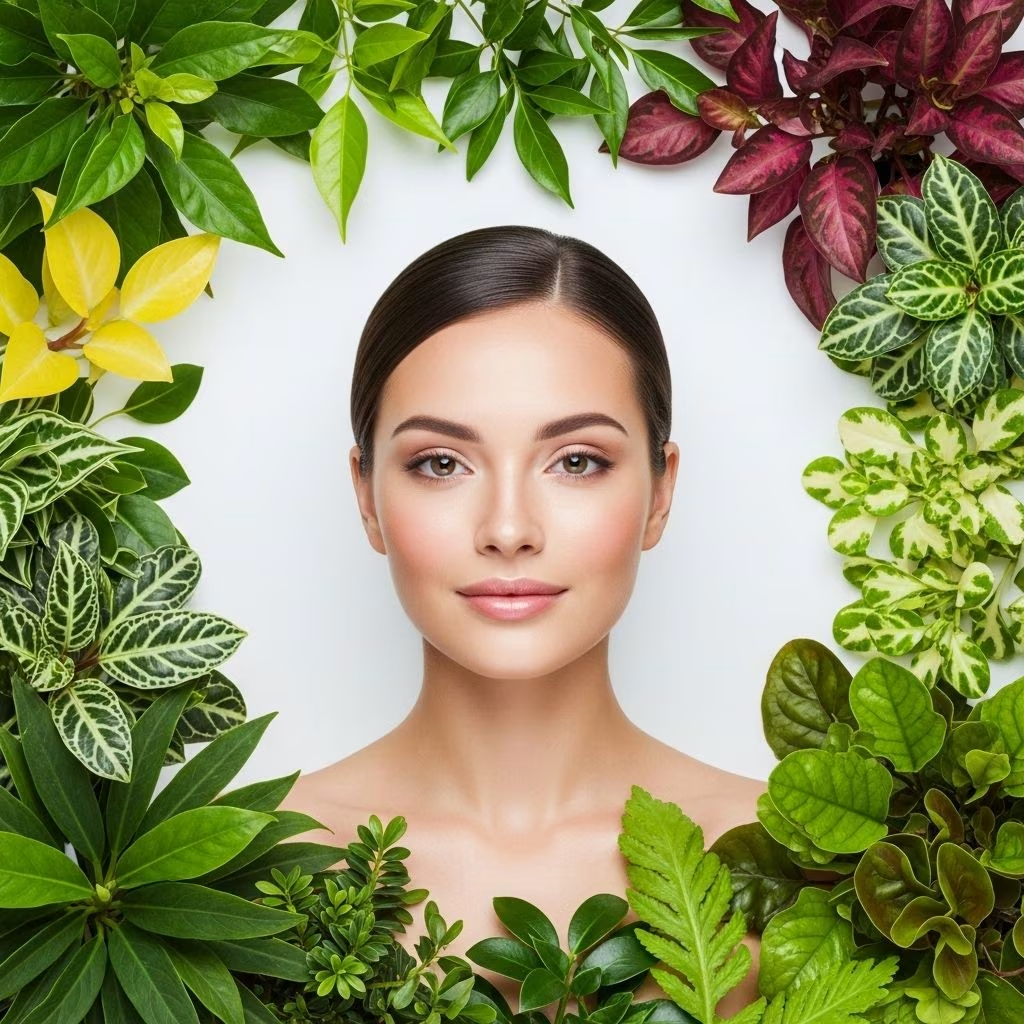
Indoor plants have surged in popularity—not just for interior design, but as powerful allies for human health. Emerging scientific research connects thriving houseplants to better indoor air quality, increased oxygen, enhanced skin hydration, and even a more balanced skin microbiome. Read on for an in-depth guide to how indoor greenery can impact your skin, health, and well-being.
Introduction: Why Plants Matter Indoors
Amid urbanization and time spent indoors, humans are distanced from natural environments that shaped our evolution. Cities often lack microbial diversity and air quality found in nature, and this “clean living” contributes to increased immune-related diseases and skin problems. Indoor plants bring nature closer and may play an outsized role in supporting skin and overall health, especially in sealed, climate-controlled environments.
Plants and Skin Health: The Science
Skin health depends on three main factors:
- Hydration: For a plump, resilient barrier.
- Balanced Microbiome: A diverse population of bacteria and fungi to protect and regulate inflammation.
- Low Inflammation & Toxins: Irritants and pollutants can trigger inflammatory or allergic responses.
New research shows that exposure to indoor plants can positively influence each of these areas through unique biological mechanisms.
How Do Indoor Plants Affect Skin?
Indoor plants offer four core benefits for skin health:
- Rising Indoor Humidity: Many common houseplants increase ambient humidity through transpiration, which can reduce dry skin.
- Increased Oxygen Release: While plants photosynthesize, they generate oxygen, potentially supporting healthy metabolism in skin cells.
- Air Pollutant Removal: Plants and their associated soil microbiomes can filter volatile organic compounds (VOCs) and other irritants from the air.
- Microbial Exposure: Plants and soils host beneficial microbes that may colonize human skin, supporting microbiome diversity and immune balance.
Oxygen Production and Air Quality
Oxygen is a by-product of plant photosynthesis. Although the direct effect of plant-generated oxygen indoors may be modest compared to outdoor air, localized improvements in oxygen can contribute to a “fresher” indoor environment—especially important in sealed rooms or offices. Oxygenated air supports:
- Efficient cellular metabolism in skin, aiding in repair and renewal.
- Reduced feelings of stuffiness or fatigue common in sealed buildings.
More significant for skin, however, is the role that plants play in filtering common indoor pollutants such as VOCs. VOCs can be emitted from paints, synthetic materials, cleaning products, and even electronics—many of which can worsen skin conditions or irritate sensitive skin.
Air Purification Capabilities
- Plants like peace lilies, spider plants, and English ivy can reduce airborne toxins like formaldehyde, benzene, and trichloroethylene.
- Green walls or plant-rich rooms demonstrate measurable reductions in VOC concentrations, which in turn benefit both respiratory and skin health.
Humidity, Hydration, and the Skin Barrier
Dry indoor air, especially in winter or air-conditioned environments, causes water loss from the skin, leading to:
- Flaking and cracking
- Increased wrinkle formation
- Redness and irritation
Plants counteract this with transpiration—they absorb water through their roots and release it as water vapor from their leaves. The result is more humid air, which:
- Maintains the skin’s protective lipid barrier
- Improves moisture retention in the outer layers of skin
- Helps prevent flare-ups of eczema or dermatitis
A 2018 study by the Royal Horticultural Society confirmed that houseplants can raise indoor humidity enough to benefit skin hydration. The healthiest, most plump complexions are found when skin is well-hydrated from the inside and protected from dehydrating air on the outside.
Table: Plants That Increase Indoor Humidity
| Plant Name | Humidity Benefit | Additional Air Quality Benefit |
|---|---|---|
| Peace Lily | High | Removes VOCs, including ammonia and benzene |
| Areca Palm | High | Removes xylene and toluene |
| Spider Plant | Moderate | Removes formaldehyde |
| Boston Fern | High | Removes formaldehyde and xylene |
Place clusters of these plants in bedrooms or living spaces for the best humidity boost.
Plants, Microbes, and the Skin Microbiome
The skin microbiome is a community of bacteria, fungi, and viruses living on the skin’s surface. A diverse, balanced microbiome protects against pathogens, prevents inflammation, and supports the skin’s natural barrier. Factors like indoor living, overuse of harsh cleansers, and pollution can reduce its diversity, setting the stage for eczema, acne, or increased sensitivity.
Microbial Exposure From Indoor Gardening
Recent research from Finland shows that urban indoor gardening—involving handling soil and live plants—significantly increases the diversity of beneficial microbes on human skin. The study found:
- Increased bacterial diversity on the skin of individuals who grew edible plants indoors for one month.
- Higher levels of anti-inflammatory cytokines in participants, suggesting improved immune regulation.
- Reduction in pro-inflammatory markers (e.g., IL-17A), correlated with greater Proteobacteria diversity in skin microbiota.
These changes likely reduce the risk of immune-mediated skin and allergy disorders, according to researchers. The best results were noted when plants grew in microbially rich soil, mimicking the biological diversity of forest environments, and when humans had direct, regular contact with plants and soil.
How Plants Alter the Skin Microbiome
- Beneficial Bacteria Are Shared: Soil and plant leaves carry bacteria like Lactobacillus, known to combat skin pathogens and soothe inflammation.
- VOC Removal May Help: By filtering harmful VOCs, plants can reduce environmental stressors that disturb the skin’s microbial balance.
- Moisture and Natural Compounds: Humid air and plant-derived compounds create an environment that encourages “good” microbes to thrive.
Spending time in plant-filled rooms with active air circulation, or regularly gardening indoors, results in measurable changes to skin bacteria after just two to four weeks.
Best Indoor Plants for Skin & Air
Not all plants are equally effective at boosting air quality, humidity, and microbial diversity. Here are top performers for each benefit:
- Humidity Boosters: Areca Palm, Peace Lily, Boston Fern, Spider Plant
- Air Purifiers: Aloe Vera, English Ivy, Rubber Plant, Snake Plant
- Microbial Exposure: Any edible herbs (basil, mint, parsley), moss terrariums, leafy plants in naturally composted, microbe-rich soil
Combining two or more of these in each living space maximizes overall skin and respiratory health benefits.
Practical Tips for Using Plants at Home
- Mix Moisture-Loving Plants: Group plants that enjoy humidity for compounded hydrating effects.
- Optimize Plant Placement: Place around the bedroom and workspace, focusing on areas where you spend a lot of time.
- Choose Permaculture Soil: Opt for microbe-rich organic soil for edible herbs and indoor vegetable boxes.
- Interact Regularly: Handle plants and soil with clean hands to encourage transfer of beneficial microbes to skin. Wash hands with mild, non-antibacterial soap to maintain microbiome balance.
- Ventilate Well: Good airflow sustains healthy plant growth and disperses beneficial air changes throughout your home.
- Water Wisely: Maintain consistent watering to avoid dry soil, which limits microbial activity, and prevent excess water which can cause mold.
Frequently Asked Questions (FAQs)
Q: Can indoor plants really improve my skin?
A: Yes. Research confirms that plants raise indoor humidity, support a balanced skin microbiome, filter pollutants, and even help regulate the immune system—each of which is linked to healthier skin.
Q: How long does it take to see results from indoor plants?
A: Significant changes to skin microbiome diversity and skin hydration can occur within 2-4 weeks of living or working in a plant-rich indoor environment.
Q: Are there any risks to having lots of houseplants?
A: For most people, indoor plants are very safe, though poorly maintained plants can harbor mold or pests. Choose the right varieties for your climate and avoid waterlogging soil.
Q: Which plants are best for skin health?
A: Areca palm, peace lily, spider plant, and edible herbs such as basil and mint are excellent for combining humidity, air purification, and beneficial microbes. Leafy, broad-leafed plants are most effective for high humidity and air cleansing.
Q: Do I need a lot of plants for benefits?
A: Even a small grouping (3–5 medium plants per room) can significantly improve indoor humidity and air quality, but for a greater boost to the skin microbiome, regular interaction and variety are key.
Conclusion
Indoor plants deliver a surprisingly robust set of health benefits for your skin: they raise humidity for better hydration, produce oxygen, filter out harmful air pollutants, and encourage a richer, healthier skin microbiome. As scientific understanding deepens, it’s clear that bringing green life indoors is more than just decor—it’s a pathway to a healthier, more radiant complexion and improved overall well-being. Whether you’re an experienced gardener or new to houseplants, adding greenery to your home is a small step with big returns for your skin and health.
References
- https://www.nature.com/articles/s41598-022-10432-4
- https://www.news-medical.net/news/20240523/Urban-indoor-gardening-boosts-skin-microbiota-diversity-and-immune-function.aspx
- https://www.townandcountrymag.com/style/beauty-products/a35971920/indoor-plants-health-benefits/
- https://pmc.ncbi.nlm.nih.gov/articles/PMC9224521/
- https://pmc.ncbi.nlm.nih.gov/articles/PMC6436432/
- https://www.swansonsnursery.com/blog/health-benefits-of-houseplants


