


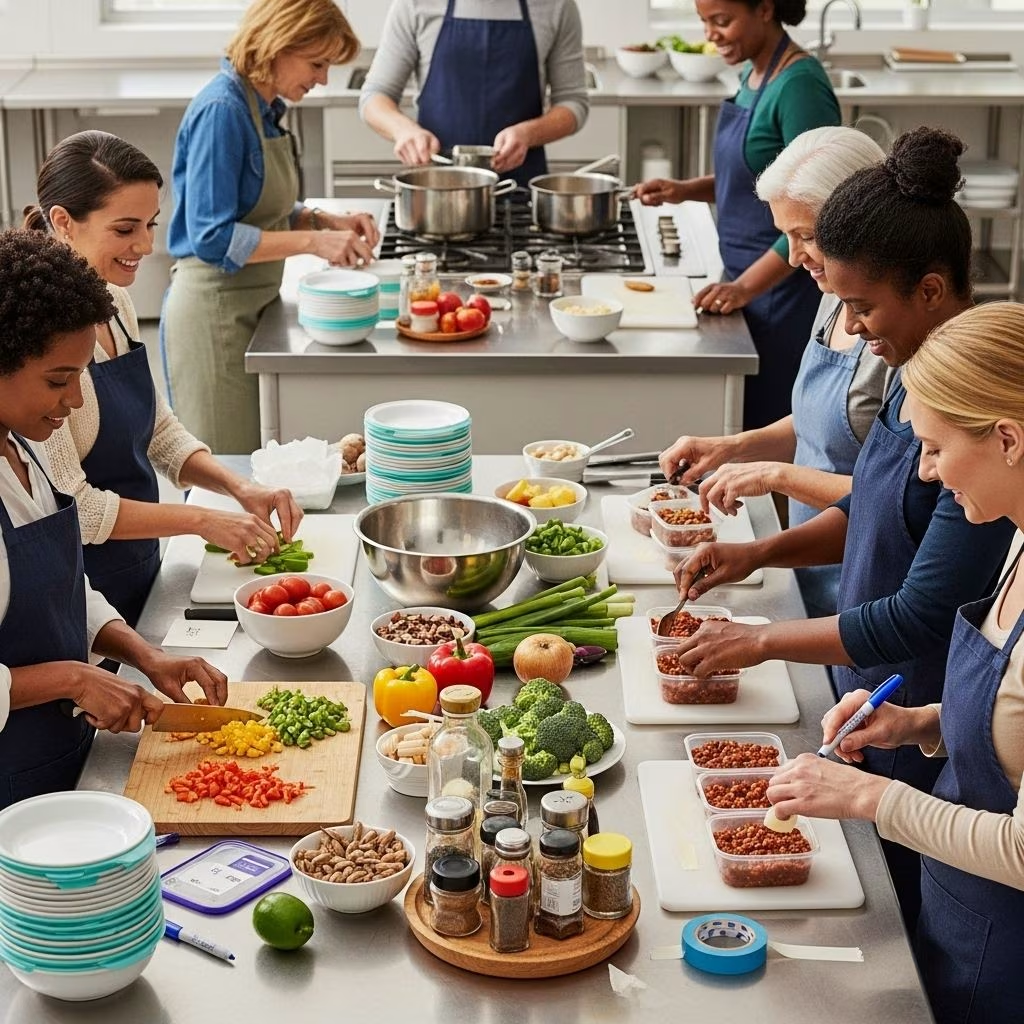
Batch cooking and communal food storage are transformative solutions for time-strapped individuals and families, aiming for healthier eating, savings, and sustainability. Community freezers—shared spaces for meal storage—take these benefits further, promoting resource sharing, connection, and a new approach to food waste. This in-depth guide explores how to use a community freezer for batch cooking, highlights organizational techniques, and discusses the larger impact on neighborhoods and food security.
Introduction
Time constraints, rising grocery bills, and concerns over food sustainability are shaping household food practices. Batch cooking—preparing large quantities of meals in advance and storing portions for later—has been embraced for years as a solution to these challenges. When combined with the concept of a community freezer, batch cooking becomes more than a personal meal prep strategy: it turns into a community-driven, inclusive system, enabling shared savings, stronger social ties, and less waste.
What is a Community Freezer?
A community freezer is a shared space—often managed by a group, organization, or neighborhood—where individuals can safely store home-cooked meals, ingredients, or donated food for collective use. Designed to foster trust and resource-sharing, community freezers can be found in community centers, apartment buildings, faith spaces, or as standalone initiatives. They often follow clear rules for labeling, food safety, and access.
- Shared Access: Community members can both contribute to and benefit from the meal supply.
- Organized System: Freezers are organized with shelves or bins for households or types of meals.
- Managed Safety: Guidelines are followed to ensure food safety, traceability, and storage standards.
Benefits of Batch Cooking in a Community Setting
Batch cooking in the context of a community freezer multiplies the usual benefits of preparing meals in advance:
- Time Saving: Cook several meals at once, reducing time spent daily on meal prep, and enjoy ready meals after busy days.
- Cost Efficiency: Purchasing ingredients in bulk and sharing expenses lowers grocery bills and can make healthy eating more affordable.
- Reduced Food Waste: Meal planning, bulk purchasing, and shared resource use mean fewer overlooked ingredients and less spoilage.
- Flexibility & Variety: Pooling meals with neighbors results in greater dish diversity and helps accommodate dietary preferences.
- Healthier Eating: Home-cooked, portioned meals make it easier to avoid processed foods and impulse takeout choices.
- Enhanced Social Wellbeing: Shared kitchen sessions and meal exchanges foster connection and support, especially for vulnerable individuals.
Why Use a Community Freezer for Batch Cooking?
While batch cooking is effective in individual households, a community freezer elevates its impact:
- Space Maximization: Not all households have the freezer space for large meal quantities. Community freezers remove this barrier.
- Mutual Aid and Resilience: Shared storage spreads the load; families facing hardship can access ready meals without stigma or paperwork.
- Inclusive Participation: Ideal for singles, seniors, students, new immigrants, or those seeking community integration.
- Social Events: Batch cooking days become social gatherings—opportunities for skill-sharing, multicultural exchange, and intergenerational connection.
How to Organize a Batch Cooking Community with Shared Freezer Space
Successful batch cooking and shared freezer initiatives begin with practical organization. Here’s a road map for launching or participating in such a project:
1. Build a Core Team
- Enlist neighbors, friends, or group members with interest in food preparation and community building.
- Decide on group size based on available kitchen/freezer space.
2. Establish Shared Guidelines
- Define schedules for cooking, storage, rotation, and cleaning.
- Create food safety protocols and portion guidelines.
- Agree upon labeling conventions including date, meal name, allergens, and owner if relevant.
3. Secure a Suitable Freezer
- Assess the space needed for all participants’ meals (upright or chest freezers work well).
- Allocate shelves or bins by household, category, or date for easy access and fairness.
4. Fund and Stock Up Together
- Plan group ingredient shopping for cost savings on bulk items.
- Contribute existing pantry/freezer items if launching on a budget.
5. Schedule Batch Cooking Sessions
- Hold monthly or biweekly batch cooking days—cooking together boosts engagement and efficiency.
- Rotate hosts and meal planning responsibilities to balance workload.
Food Safety and Smart Storage Practices
Proper handling guarantees that shared freezer use delivers benefits without health risks. Follow these safety principles:
- Cool before Freezing: Always chill cooked meals to room temperature before freezing to prevent freezer temperature rises and possible bacterial growth.
- Label Clearly: Every item should be labeled with the meal name, preparation date, expiration estimate, and any allergens or major ingredients.
- Use Proper Containers: Air-tight, freezer-safe containers or zip bags prevent freezer burn and make stacking efficient. Remove excess air for best freshness.
- Follow the Two-Hour Rule: Store food in the fridge/freezer within two hours of cooking to minimize bacterial risk.
- Portion Wisely: Freeze individual or family-sized servings to allow for easy defrosting and reduced food waste.
- Inventory Logs: Keep a logbook or digital inventory visible for all users so items don’t get forgotten at the back.
Key Storage Tips:
- Add dairy products such as sour cream after reheating, not before freezing, to preserve texture.
- For foods like meatballs or rice, pre-freeze portions on a tray before bagging to simplify single serving access.
Choosing Meals for Batch Cooking
Some dishes are especially suited to freezing and reheating, retaining their flavor, texture, and nutritional value. Consider the following types for communal batch cooking:
- Casseroles (e.g., lasagna, shepherd’s pie, baked ziti)
- Soups & Stews (e.g., chili, minestrone, lentil stew)
- Curries & Tagines
- Baked Pastas
- Stir-fries (without overcooking vegetables)
- Meatballs, Burgers, and Meatloaf
- Grain Bowls (rice, quinoa, barley with vegetables/protein)
- Breakfast Burritos, Frittatas, Muffins
For best results, avoid freezing dishes with high water content (like lettuce salads), creamy sauces, or fried foods, as texture can change after thawing. Always test a new recipe—consider a small batch before preparing for a group session.
Managing Inventory and Rotation
Efficient community freezers depend on rotation and clear communication:
- Establish a ‘first in, first out’ rule: use oldest meals before newer ones.
- Set periodic inventory checks, updating the log and discarding outdated or unlabeled meals.
- Implement an ‘eat me first’ designated shelf or bin.
- Encourage feedback on meal quality to improve future batch sessions.
Social, Economic, and Environmental Impacts
The shared community freezer for batch cooking offers multidimensional benefits:
| Dimension | Community Freezer Impact |
|---|---|
| Social | Fosters collaboration, skill-sharing, reduces isolation, strengthens bonds among neighbors of all backgrounds. |
| Economic | Lowers weekly grocery bills, empowers individuals with limited resources, enables bulk purchasing savings, and helps in food-insecure areas. |
| Environmental | Reduces waste by utilizing full ingredient quantities and rescuing surplus/donated food, cuts energy use compared to many home freezers. |
Frequently Asked Questions (FAQs)
Q: Who can join a community freezer and batch cooking group?
Anyone interested in preparing or accessing meals collaboratively can participate: busy families, singles, seniors, students, or newcomers. Participation guidelines depend on the organizing group and local regulations.
Q: What about allergies and dietary restrictions?
Effective labeling and attentive meal planning minimize risk. Groups often accommodate dietary needs by clearly marking allergens and maintaining separate storage if needed.
Q: How long can I store meals in a community freezer?
Most cooked meals can safely be frozen for two to six months, depending on ingredients and preparation methods. Always check and rotate inventory regularly and label storage dates.
Q: Can community freezers help with food security?
Absolutely: they provide a reliable backup for families facing sudden needs and can be linked with food rescue initiatives or meal donation programs for even broader impact.
Q: What are best practices for keeping a shared freezer tidy and fair?
- Agree on ground rules for labeling, portion sizes, and space allocation.
- Set a regular cleaning and inventory check schedule.
- Maintain open communication and resolve disputes collaboratively.
Final Thoughts
Adopting community freezers as batch cooking spaces redefines how we approach meal prep, budget management, and neighborhood support. It is a scalable model, suitable for urban apartments, rural towns, student residences, and faith organizations. Beyond practicality, these spaces are catalysts for deeper conversation, skill development, and food sovereignty. With structured organization, attentive food safety, and a spirit of cooperation, a community freezer is far more than cold storage—it’s a recipe for healthier, happier, more resilient communities.
References
- https://mammasmeals.ca/the-benefits-of-freezer-meals-for-busy-families/
- https://lovefoodhatewaste.co.nz/batch-cooking/
- https://www.life.ca/naturallife/1110/food_and_fellowship.htm
- https://www.cleaneatzkitchen.com/a/blog/the-benefits-of-batch-cooking-for-meal-prep
- https://www.bettycrocker.com/how-to/tipslibrary/cooking-tips/batch-cooking
- https://neworleansmom.com/mom-hacks/the-benefits-of-batch-cooking-saving-your-dinner-time-sanity/
- https://fcs-hes.ca.uky.edu/files/2-2020-mar-apr-snap-en-ar.pdf


