


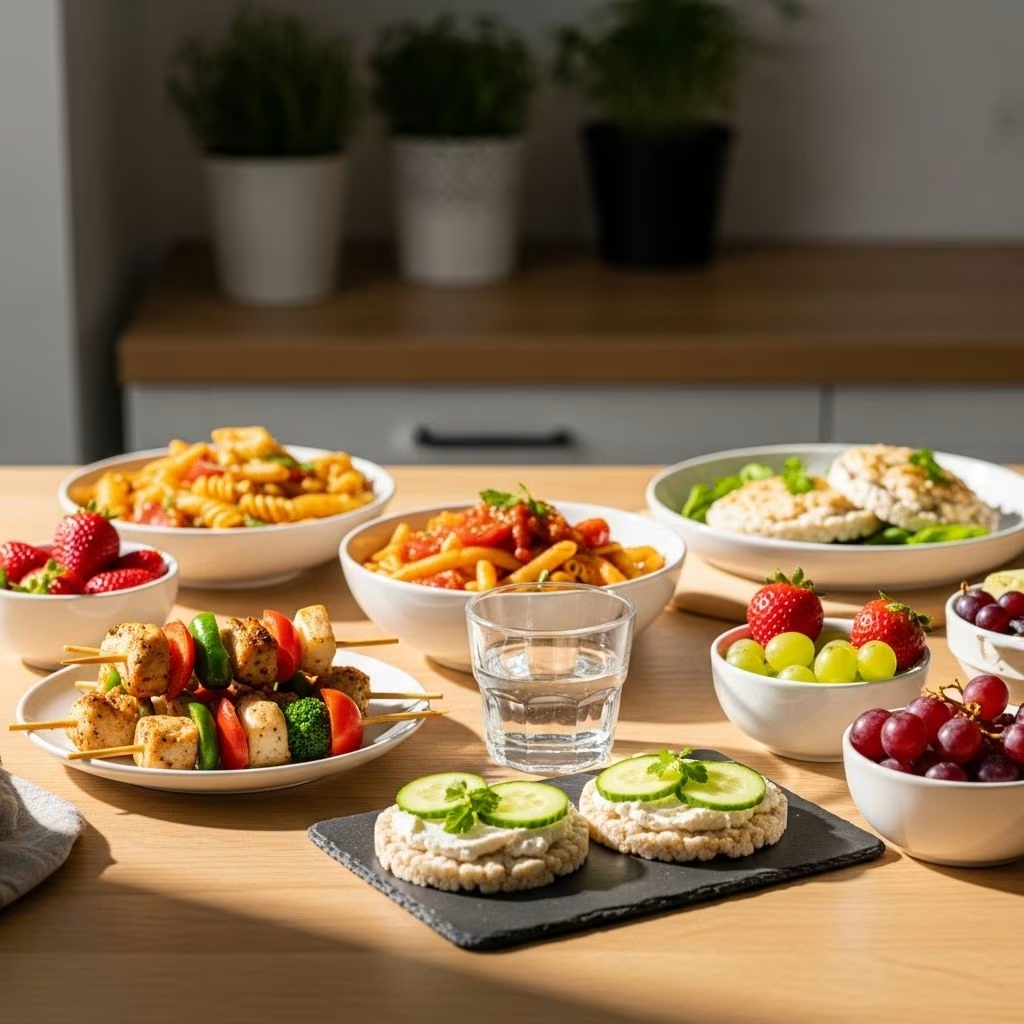
Low-FODMAP Meal Plan & Recipes for Children
The low-FODMAP diet has gained recognition as an effective nutritional strategy for children experiencing digestive challenges, particularly those diagnosed with irritable bowel syndrome (IBS) and related functional gastrointestinal disorders. This comprehensive guide offers structured low-FODMAP meal plans, kid-friendly recipes, and actionable tips for parents and carers seeking to nurture healthy, happy children through thoughtful nutrition.
Overview: What is the Low-FODMAP Diet?
FODMAP stands for Fermentable Oligosaccharides, Disaccharides, Monosaccharides, and Polyols. These are short-chain carbohydrates that, in some children, are poorly absorbed in the small intestine and can trigger gut symptoms such as bloating, pain, and diarrhea. Pioneered by Monash University and supported globally, the low-FODMAP diet is often recommended for children with IBS after proper assessment by medical professionals[10].
Key Points:
- The diet restricts specific foods high in FODMAPs for a period (typically 2-6 weeks).
- Gradual reintroduction helps identify individual tolerances.
- The goal is symptom relief and improved quality of life.
Benefits of the Low-FODMAP Diet for Children
Many children experience gastrointestinal symptoms which can be disruptive to their daily life, learning, and play. The low-FODMAP diet may offer the following benefits:
- Reduced abdominal pain, bloating, and discomfort.
- Decreased episodes of diarrhea or constipation.
- Improved energy, mood, and overall well-being.
- Empowerment for families through dietary management of symptoms.
However, the diet should be undertaken with support from a registered dietitian to avoid nutritional deficits and ensure children’s growth and development remain optimal.
Allowed and Restricted Foods
| Food Group | Low-FODMAP Choices (Allowed) | High-FODMAP Items (Avoid) |
|---|---|---|
| Proteins | Meat, poultry, fish, eggs, plain tofu, Quorn, vegetarian proteins without added FODMAPs | Processed meats with onion, garlic, or high-FODMAP fillers |
| Vegetables | Carrots, spinach, zucchini, bell pepper, cucumber, green beans, tomato | Onion, garlic, cauliflower, mushrooms, peas, asparagus, broccoli (in excess) |
| Fruits | Strawberries, blueberries, grapes, oranges, firm banana, kiwifruit | Apple, pears, watermelon, mango, blackberries, stone fruits (peaches, cherries) |
| Dairy | Lactose-free milk, soy milk (made from soy protein isolate), hard cheeses (cheddar, Swiss), lactose-free yogurt | Regular milk, yogurt, ice cream, soft cheeses, cream |
| Grains | Gluten-free breads, pasta, rice, oats, corn tortillas, sourdough spelt bread (100%) | Wheat and rye bread, regular pasta, cereals with honey or dried fruit |
| Snacks & Sweets | Rice cakes, popcorn, most potato crisps, lactose-free ice cream, dark chocolate | Snack bars with honey or dried fruit, foods with high-fructose syrups |
Always check ingredient lists for hidden FODMAP sources like inulin, chicory root, honey, and polyols (sorbitol, mannitol, xylitol).
Sample Low-FODMAP Meal Plan for a Week
Here is a practical one-week sample meal plan, specifically curated for children. This aims to balance nutrition, taste, and simplicity for busy families.
| Day | Breakfast | Lunch | Dinner | Snack |
|---|---|---|---|---|
| Monday | Porridge with lactose-free milk, sliced strawberries | Ham and Swiss on gluten-free bread, cucumber sticks | Grilled chicken, rice noodles with spinach | Rice cakes with peanut butter and banana |
| Tuesday | Scrambled eggs, blueberries, wheat-free toast | Baked potato with cheese, tomato salad | Steak, polenta, carrots | Lactose-free yogurt, chopped grapes |
| Wednesday | Gluten-free waffle, maple syrup, sliced banana | Cold chicken and rice salad, bell pepper | Cheese quesadilla, sweet potato wedges | Vegetable sticks with hummus (without garlic) |
| Thursday | Oatmeal, chia seeds, blueberries | Turkey wrap (gluten-free), grated carrot | Baked fish, mashed potato, green beans | Dark chocolate squares, popcorn |
| Friday | Egg cups with tomato and cheese | Pasta salad (gluten-free), cold meat, cucumber | Low-FODMAP lasagna, mixed salad | Oatmeal cookie energy balls |
| Saturday | Smoothie: suitable fruit, lactose-free yogurt | Tuna sandwich (gluten-free), lettuce, tomato | Risotto with chicken, spinach | Cheddar cheese and rice crackers |
| Sunday | Corn tortilla, egg, tomato salsa | Hamburger (gluten-free bun), sweet potato fries | Beef stew (no onion/garlic), rice | Strawberries, almond snack bar |
Kid-Friendly Low-FODMAP Recipes
Making meals that children enjoy is essential to adherence. Below are kid-approved, simple recipes designed with fun and taste in mind:
Salsa Quinoa Egg Cups (Breakfast)
- Ingredients: Quinoa, eggs, diced tomato, spinach, cheddar cheese (lactose-free if needed)
- Method: Mix ingredients, pour into muffin tin, bake at 350°F for 18-20 minutes.
Gluten-Free Chicken Strips (Lunch)
- Chicken breast strips, coated in gluten-free breadcrumbs or coconut
- Bake or air-fry for crispy strips
- Serve with a simple BBQ dipping sauce (homemade, no onion/garlic)
Rice Noodle Bowl (Dinner)
- Cooked rice noodles tossed in garlic-infused oil, grilled chicken, spinach, grated carrot
- Add green part of scallion, sprinkle with cheese if desired
Low-FODMAP Lasagna
- Gluten-free lasagna noodles, vegan bolognese, lactose-free ricotta or cottage cheese
- Layer with carrots, spinach, approved pasta sauce (no onion/garlic)
- Bake until bubbly; a hearty, satisfying meal for the family
Snacks & Desserts: Low-FODMAP Options
Schools, parks, and playdates call for portable, gut-friendly snacks. These options are both convenient and nutritious:
- Blueberry Almond Snack Bars: Oats, blueberries, almond butter, chia seeds, baked as bars.
- Oatmeal Energy Balls: Rolled oats, almond butter, flax seeds, shredded coconut; roll into balls for grab-and-go.
- Rice Cakes: Topped with peanut butter, banana slices, or cheddar cheese.
- Lactose-free Yogurt Parfait: Layer with strawberries or blueberries and gluten-free granola.
- S’mores Bars: Graham crackers (gluten-free), dark chocolate, marshmallow (check ingredients), baked in squares.
- Popcorn: Unsalted or lightly salted; safe for most kids.
Occasional treats such as potato crisps (unsalted, ready salted, or salt and vinegar), gluten-free cakes, and dark chocolate add variety without triggering symptoms.
Reintroduction Process: Gradual Expansion
A structured reintroduction phase helps children enjoy a wider range of foods:
- Introduce one high-FODMAP food from a specific category for 3 days. Start with small portions.
- Monitor for symptoms and return to full restriction for 3 days regardless of outcome.
- Systematically test each high-FODMAP category; foods tolerated can be resumed in regular quantities.
- This process reduces unnecessary exclusions and helps maintain a balanced child’s diet over time.
Shopping and Preparation Tips
- Always check product labels for hidden FODMAPs (especially on snacks, breads, and flavored yogurts).
- Make meals colorful and varied to keep children engaged.
- Batch-cook approved recipes for convenience, like egg cups or chicken strips.
- Choose plain proteins and fresh vegetables over processed options.
- Use garlic-infused oils for flavor instead of garlic itself; FODMAPs are water soluble, not oil soluble.
- Consult a dietitian before starting the diet to tailor meal plans and monitor nutritional adequacy.
Frequently Asked Questions
Q: Is the low-FODMAP diet safe for children?
Yes, when supervised by a qualified dietitian, the diet can be safely adapted for children. It is critical to monitor growth and nutritional intake during restriction and reintroduction phases.
Q: Does my child need to be on the diet permanently?
No. The intent is temporary elimination, followed by careful reintroduction to maximize dietary diversity and reduce long-term restrictions.
Q: What should I do if symptoms persist?
Work closely with your child’s doctor and dietitian to review triggers, possibly adjust the plan, or consider further medical assessment[10].
Q: Can siblings and adults eat the same low-FODMAP meals?
Absolutely. Low-FODMAP family meals tend to be wholesome and suitable for everyone, though only the child affected needs to strictly follow the full restriction phase.
Q: Are gluten-free foods always low-FODMAP?
No. While many gluten-free products work well in a low-FODMAP plan, some contain high-FODMAP ingredients, like honey or certain sweeteners. Check labels carefully.
Conclusion
A well-managed low-FODMAP diet can dramatically improve gastrointestinal symptoms in children, especially with appropriate professional oversight. By focusing on naturally low-FODMAP foods, creative recipes, and systematic reintroduction, families can support their children’s digestive health, wellbeing, and enjoyment of food.
References
- https://www.gloshospitals.nhs.uk/media/documents/FODMAP_dietsheet_for_website.pdf
- https://www.fodyfoods.com/blogs/news/kid-friendly-low-fodmap-recipes
- https://childrenswi.org/publications/teaching-sheet/clinical-nutrition/1995-low-fodmap-diet
- https://fodmapfriendly.com/blogpost/low-fodmap-diet-for-kids/
- https://www.healthychildren.org/English/health-issues/conditions/abdominal/Pages/The-Low-FODMAP-Diet-for-Children.aspx
- https://cdhf.ca/en/the-low-fodmap-diet-for-children/
- https://www.monashfodmap.com/blog/low-fodmap-meal-planning/
- https://rachelpaulsfood.com/best-collection-low-fodmap-family-meals-kid-friendly/
- https://alittlebityummy.com/family-friendly-low-fodmap-meal-plans-2025/
- https://gikids.org/digestive-topics/fodmap/


