


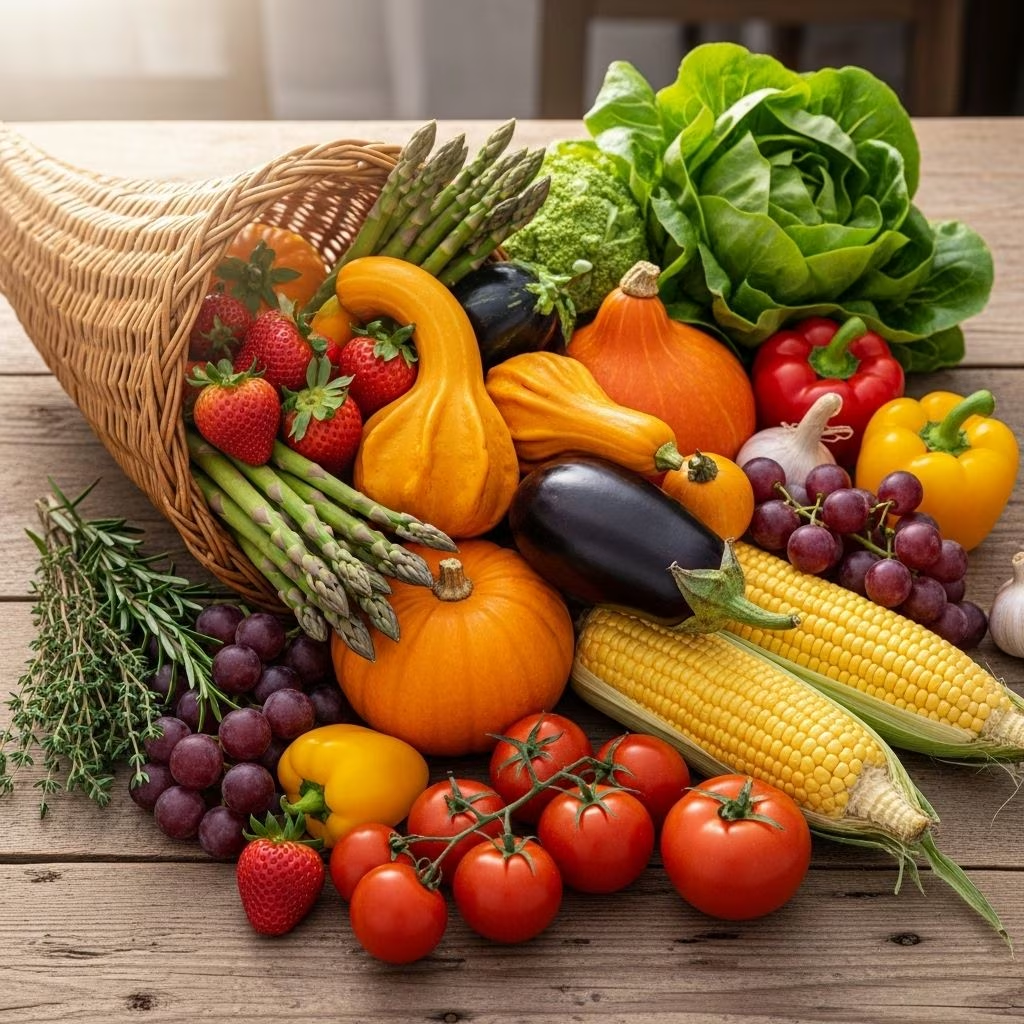
Introduction to Seasonal Produce Guides
Seasonal produce guides are invaluable tools for enhancing your meal planning, ensuring that you incorporate the freshest, most nutritious ingredients available throughout the year. By aligning your meals with nature’s rhythms, you can enjoy better flavors, more nutrients, and often substantial cost savings.
Benefits of Seasonal Produce
There are numerous benefits associated with eating seasonally:
- More Nutrients: Produce harvested at its peak is typically richer in vitamins and minerals, making it a healthier choice for meals.
- Better Taste: Seasonal fruits and vegetables are naturally sweeter, juicier, and more flavorful, enhancing the overall dining experience.
- Lower Costs: When produce is in season, it’s often abundant, leading to lower prices at local markets and grocery stores.
- Eco-Friendly: Opting for locally grown seasonal produce reduces transportation-related environmental impacts, supporting sustainable agriculture practices.
Seasonal Produce by Month
Here’s a breakdown of some of the most popular seasonal produce items by month:
### Spring (March to May)- Fruits: Strawberries, lemons, and oranges are at their peak.- Vegetables: Asparagus, peas, spring onions, and spinach are favorites.### Summer (June to August)- Fruits: Cherries, blueberries, blackberries, raspberries, peaches, plums, cantaloupe, and watermelon.- Vegetables: Avocados, bell peppers, cucumbers, corn, tomatoes, and zucchini.### Fall (September to November)- Fruits: Apples, pears, grapes, pomegranates, and cranberries.- Vegetables: Kale, broccoli, Brussels sprouts, carrots, parsnips, and winter squash.### Winter (December to February)- Fruits: Citrus fruits like oranges, grapefruits, and lemons.- Vegetables: Root vegetables such as carrots, beets, and turnips; plus winter squash andllibs.
Meal Planning with Seasonal Produce
Here are some tips and ideas for incorporating seasonal ingredients into your meal planning:
### Spring Meal Ideas- Strawberry Salad: Combine strawberries with feta cheese, mint, and balsamic vinaigrette for a refreshing spring salad.- Asparagus Risotto: Use fresh asparagus in a creamy risotto with parmesan cheese for a rich and satisfying dish.### Summer Meal Ideas- Grilled Corn and Zucchini: Top grilled vegetables with olive oil, salt, and pepper for a simple yet flavorful side dish.- Summer Berry Overnight Oats: Mix fresh berries with yogurt and quinoa for a nutrient-rich breakfast.### Fall Meal Ideas- Apple and Pomegranate Salad: Combine sliced apples with pomegranate seeds, kale, and a tangy vinaigrette.- Roasted Vegetable Soup: Use carrots, parsnips, and Brussels sprouts in a hearty fall soup.### Winter Meal Ideas- Citrus and Avocado Salad: Blend citrus fruits with sliced avocado for a refreshing winter salad.- Root Vegetable Stew: Simmer carrots, beets, and turnips in a warm, comforting stew.
Where to Buy Seasonal Produce
Some of the best places to find fresh, seasonal produce include:
- Farmers Markets: Directly connect with local growers and purchase freshly harvested produce.
- Community Supported Agriculture (CSA) Programs: Receive regular boxes of seasonal produce straight from the farm.
- Grocery Stores: Look for sections featuring local and seasonal produce to support local agriculture.
Tips for Seasonal Meal Planning
To make the most of seasonal produce, consider the following strategies:
### 1. Stock Your Pantry- Keep essential non-perishable items like grains, canned beans, and aromatics on hand to complement fresh produce.### 2. Plan Around Seasonal Crops- Use seasonal produce as the centerpiece of your meals, then add complementary ingredients from your pantry.### 3. Explore New Recipes- Find creative ways to use seasonal ingredients by experimenting with new recipes and cooking techniques.
Frequently Asked Questions
Q: What are the benefits of eating seasonal produce?
Eating seasonal produce offers better taste, more nutrients, lower costs, and reduced environmental impact due to less transportation.
Q: How do I find seasonal produce in my area?
Use online seasonal produce guides, visit local farmers markets, or check with your state’s agricultural extension office to find out what’s in season.
Q: How can I incorporate seasonal produce into meal planning?
Start by selecting seasonal fruits and vegetables, then build meals around them, incorporating pantry staples and creative recipes.
Q: What are some popular seasonal meal ideas for summer?
Summer favorites include grilled vegetable dishes, summer berry salads, and refreshing cold soups using seasonal ingredients like tomatoes and cucumbers.
Q: How can I reduce my environmental impact through seasonal eating?
By choosing locally grown, seasonal produce, you reduce the need for long-distance transportation, which cuts down on carbon emissions and supports sustainable agriculture practices.
References
- https://eatbobos.com/blogs/health-nutrition/seasonal-produce-chart-monthly
- https://www.cleaneatzkitchen.com/a/blog/ultimate-guide-to-seasonal-meal-prep-1
- https://thecrosslegacy.com/eating-seasonally/
- https://www.fitmamarealfood.com/seasonal-meal-planning/
- https://brightsidempls.org/blogs/news/meal-planning-with-seasonal-vegetables
- https://snaped.fns.usda.gov/resources/nutrition-education-materials/seasonal-produce-guide
- https://www.seasonalfoodguide.org
- https://prepdish.com/meal-planning/meal-planning-tips-for-spring/


