


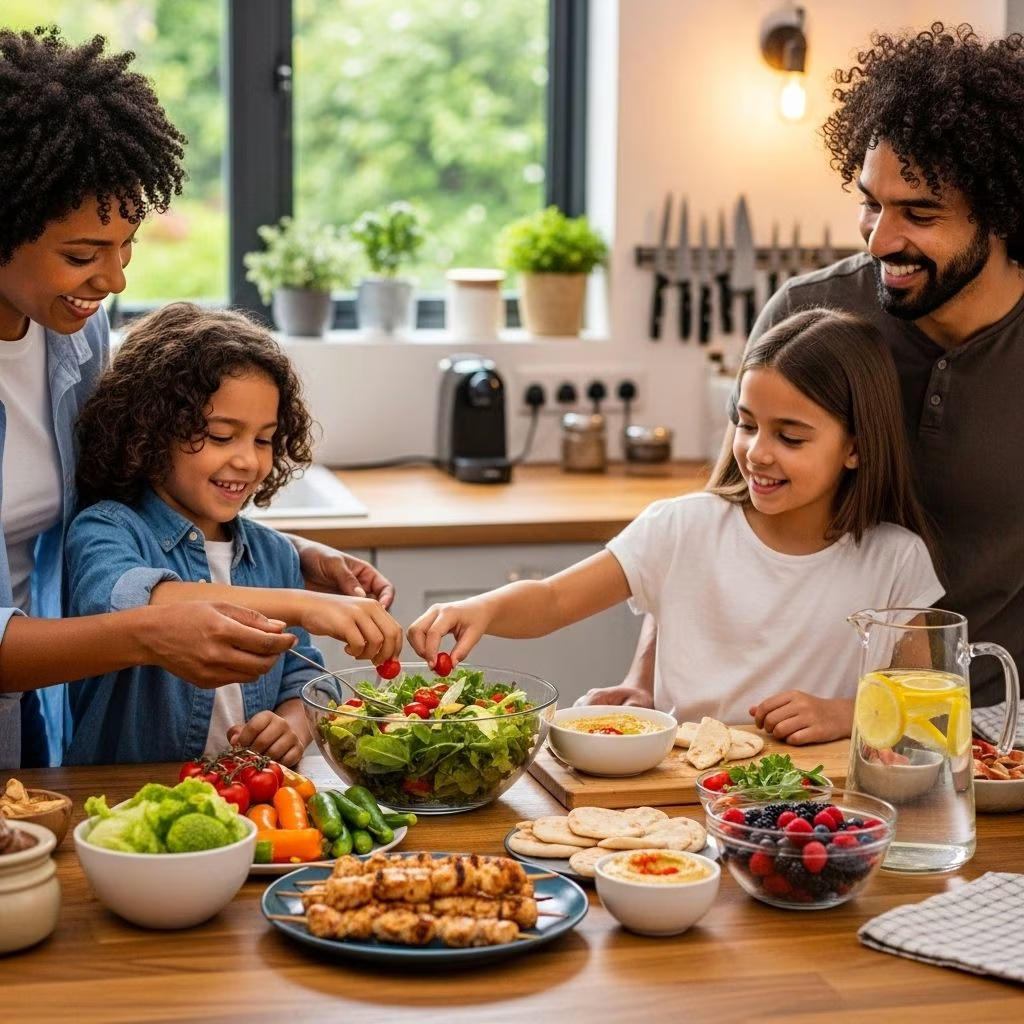
Introducing new foods to children can feel like navigating a minefield for many parents. Whether you’re dealing with a toddler who refuses anything green or a preschooler who insists on the same three meals, food neophobia—the fear of trying new foods—is a common developmental phase that affects most children. Research shows that it can take 10 to 15 exposures, or even more, before a child accepts a new food. Understanding this reality is the first step toward transforming mealtimes from battlegrounds into opportunities for exploration and growth.
This comprehensive guide outlines a practical, evidence-based 5-step routine designed to help children develop adventurous eating habits while maintaining positive relationships with food. By following this structured approach, parents can reduce mealtime stress and foster lifelong healthy eating patterns in their children.
Understanding Food Neophobia in Children
Before diving into the 5-step routine, it’s essential to understand why children resist new foods. Food neophobia typically peaks between ages two and six as part of normal development. This evolutionary trait once protected young children from consuming potentially harmful substances when they became mobile and could forage independently. Today, this same instinct manifests as resistance to unfamiliar foods, even healthy ones.
Children experience food through multiple sensory channels—sight, smell, texture, taste, and even sound. A food that looks strange or has an unfamiliar texture can trigger anxiety before it even reaches their mouth. Recognizing that this resistance is biological rather than behavioral defiance helps parents approach the situation with empathy and patience.
The 5-Step Routine for Trying New Foods
Step 1: Create a Low-Pressure Introduction
The foundation of successful food introduction is removing pressure entirely. When a new food first appears, the only expectation should be that it exists on the plate—not that it must be eaten. This approach respects the child’s autonomy while gradually building familiarity.
Start with visual acceptance. Place a small portion of the new food on your child’s plate alongside familiar favorites they already enjoy. The new food should be present but not intimidating. Even if they push it aside or refuse to look at it initially, you’ve achieved the first exposure. The key is consistency without coercion.
Model eating behavior. Children learn primarily through observation. When you eat the same new food at the table, describe what you’re experiencing out loud. Say things like, “This crunchy carrot is sweet and refreshing,” or “I like how smooth this avocado feels.” This verbal modeling helps children develop the vocabulary to express their own food experiences later.
Never force, bribe, or cajole children into eating during this phase. Research consistently shows that pressure tactics backfire, creating negative associations with food and increasing resistance. Instead, maintain a neutral, positive atmosphere where the food’s presence becomes routine and unremarkable.
Step 2: Encourage Multi-Sensory Exploration
Eating is the final step in accepting a new food, not the first. Children need opportunities to interact with foods through other senses before they feel comfortable tasting them. This exploratory phase builds crucial familiarity and reduces anxiety.
Promote touching and handling. Encourage your child to touch the new food, pick it up, and examine it closely. Allow them to describe what they notice—is it smooth or bumpy, cold or warm, hard or soft? This tactile exploration helps children process sensory information at their own pace.
Incorporate smell. Invite your child to smell the food and share their observations. Does it smell sweet, savory, or neutral? Smelling engages another sense and prepares the brain for potential tasting. Some children may need several sessions of just smelling before they’re ready to move forward.
Make exploration playful. Turn food investigation into a game. Cut vegetables into interesting shapes, arrange foods to create faces or patterns, or have a “food detective” activity where children describe what they observe. Use colorful plates and creative presentations to make the experience engaging rather than stressful. The more positive associations children build with new foods during exploration, the more willing they become to eventually taste them.
Step 3: Involve Children in Food Preparation
Nothing increases a child’s investment in trying new foods like participating in meal preparation. When children help cook, they develop ownership over the meal and curiosity about the ingredients they’ve handled. This hands-on involvement transforms passive resistance into active engagement.
Assign age-appropriate tasks. Young toddlers can wash vegetables, tear lettuce, or stir ingredients in a bowl. Preschoolers can measure, pour, and mix. School-age children can help with simple cutting tasks using child-safe knives, read recipes aloud, and make decisions about seasonings or presentations. The key is giving meaningful responsibilities that make children feel capable and important.
Discuss ingredients during preparation. As you cook together, talk about where foods come from, how they grow, and what nutrients they provide. This educational component helps children understand food beyond just taste. When a child learns that carrots help their eyes see better or that protein builds strong muscles, they may become more motivated to try these foods.
Allow menu input. Let children participate in meal planning by choosing between several healthy options. You might say, “We’re having chicken for dinner. Should we roast it with carrots or serve it with green beans?” This controlled choice gives children autonomy while ensuring nutritious outcomes. When children select recipes from cookbooks or help plan weekly menus, they’re significantly more likely to try the resulting meals.
Step 4: Practice Repeated, Patient Exposure
This step requires the most patience but yields the greatest results. Repeated exposure without pressure is the single most effective strategy for helping children accept new foods. Understanding that acceptance may require 10, 15, or even 20 exposures helps parents maintain realistic expectations and avoid frustration.
Maintain consistency. Continue serving the new food regularly, even if your child shows no interest initially. Serve it in different forms—raw, cooked, pureed, or chopped—to provide varied experiences with the same ingredient. A child who rejects raw tomatoes might enjoy tomato sauce, and that acceptance can eventually lead to trying fresh tomatoes.
Pair new foods with familiar favorites. Always include at least one or two foods your child already enjoys at each meal. This strategy reduces anxiety and ensures they won’t go hungry. The familiar foods provide security while the new food offers opportunity. Over time, as the new food becomes more familiar through repeated exposure, it may become a favorite that helps introduce even newer foods.
Celebrate small victories. Progress isn’t always linear. Your child might touch the food one day, smell it another day, lick it the next week, and finally take a small bite weeks later. Each of these interactions represents progress. Acknowledge these steps with positive reinforcement like, “I noticed you touched the broccoli today. You’re being so brave!” Avoid over-the-top praise that feels insincere, but do recognize genuine effort.
Track exposure attempts. Consider keeping a simple log of how many times you’ve served a particular food. This record helps you stay patient when progress feels slow and provides concrete evidence of your consistency. Some parents use star charts or tally marks that children can see, turning repeated exposure into a game of persistence rather than a battle of wills.
Step 5: Create Positive Mealtime Routines and Environment
The context in which new foods are presented significantly impacts children’s willingness to try them. Establishing positive mealtime routines creates an environment where food exploration feels safe and enjoyable rather than stressful or combative.
Establish predictable meal schedules. Children thrive on routine. Serving meals and snacks at consistent times each day helps regulate appetite and ensures children come to the table genuinely hungry rather than grazing all day. When children are appropriately hungry, they’re more willing to try new foods.
Minimize distractions. Turn off televisions, put away devices, and create a calm atmosphere focused on eating and conversation. Distractions interfere with children’s ability to tune into their hunger and fullness cues and to fully experience the sensory aspects of food.
Make mealtimes social and pleasant. Family meals shouldn’t center entirely on food. Engage in positive conversation, share stories about the day, and create an atmosphere of connection. When mealtimes are associated with family bonding and pleasant experiences, children develop positive relationships with eating in general.
Avoid using food as reward or punishment. Don’t offer dessert as a bribe for eating vegetables or withhold favorite foods as punishment for misbehavior. These practices teach children to assign moral value to foods, categorizing them as “good” or “bad,” which can lead to unhealthy relationships with eating later in life. Instead, serve a variety of foods at each meal without hierarchy or conditions.
Implement the division of responsibility. Parents decide what foods are served, when meals occur, and where eating happens. Children decide whether to eat and how much to consume. This approach, developed by feeding expert Ellyn Satter, respects children’s autonomy over their bodies while maintaining parental authority over nutritional quality. It removes power struggles and helps children develop internal regulation of appetite.
Advanced Strategies and Considerations
Adapting the Routine for Different Age Groups
While the core 5-step routine applies across childhood, implementation varies by developmental stage. Infants just starting solids need more focus on texture progression and single-ingredient introductions with three to five days between new foods to monitor for allergies. Toddlers benefit most from sensory play and involvement in simple preparation tasks. Preschoolers respond well to choices and creative presentations. School-age children can handle more complex cooking tasks and understand nutritional education.
Dealing with Sensory Processing Challenges
Some children have sensory processing differences that make certain food textures, temperatures, or flavors genuinely overwhelming rather than simply unfamiliar. These children may gag, become distressed, or show extreme reactions to foods. If your child consistently shows signs of sensory processing difficulties beyond typical picky eating—such as limiting foods to only specific brands, colors, or textures, or showing distress at the sight or smell of foods—consult with a pediatric occupational therapist or feeding therapist who specializes in these challenges.
Managing Multiple Children with Different Preferences
When cooking for multiple children with varying tastes, focus on deconstructed meals where components can be served separately. Taco bars, pasta with sauce on the side, or build-your-own grain bowls allow each child to customize their plate while ensuring everyone eats nutritious foods. This approach respects individual preferences without requiring separate meals for each child.
Addressing Common Parental Concerns
Nutritional adequacy: Parents often worry that children won’t receive adequate nutrition if they refuse new foods. Remember that children need exposure to a variety of foods over time, not necessarily at every meal. A weekly or monthly view of nutrition is more relevant than daily intake for healthy children. Continue offering diverse options, supplement with a children’s multivitamin if concerned, and consult your pediatrician if growth or development concerns arise.
Social situations: Many parents feel embarrassed when children refuse foods at restaurants or social gatherings. Prepare your child in advance by discussing what might be served and identifying safe options. Bring familiar backup foods for very young children if necessary. Most importantly, model grace and confidence rather than apologizing excessively, which can increase a child’s anxiety about eating in public.
Time and energy: Implementing these strategies requires patience and consistency, resources that feel scarce for busy families. Start with small changes rather than overhauling everything at once. Focus on one new food at a time or begin by simply involving children in meal preparation once weekly. Small, sustainable changes accumulate into significant shifts over time.
Creating a Supportive Food Culture at Home
Beyond the specific 5-step routine, fostering a home environment that celebrates food diversity and healthy eating creates the foundation for long-term success. Stock your kitchen with a variety of nutritious options so healthy choices are always available. Grow a small garden or visit farmers’ markets together to help children connect with food sources. Read books about food, watch age-appropriate cooking shows together, and talk about food as fuel and enjoyment rather than focusing on weight or appearance.
Model adventurous eating yourself. Children notice when parents limit their own food choices or express disgust at certain foods. Demonstrating openness to trying new foods and speaking positively about a wide range of ingredients teaches children to approach eating with curiosity rather than fear. Share your own experiences of learning to like foods over time, normalizing the process of developing tastes.
Frequently Asked Questions
Q: How long should I wait between introducing new foods?
A: For infants starting solids, wait three to five days between new foods to monitor for potential allergic reactions. For older children who’ve already been introduced to major allergens, you can introduce multiple new foods more quickly, though focusing on one new food at a time helps children adjust to individual flavors and textures without feeling overwhelmed.
Q: What if my child refuses to even look at new foods?
A: This is common and normal. Start by simply having the food present at the table without it being on your child’s plate. You might serve it family-style so they can see you eating it. Gradually move to placing a tiny portion on their plate, making clear there’s no expectation to eat it. Extreme resistance may diminish as the food becomes more familiar through observation alone.
Q: Should I make separate meals if my child refuses what I’ve cooked?
A: Avoid becoming a short-order cook, which teaches children that refusal results in preferred alternatives. Instead, ensure each meal includes at least one component your child typically accepts, even if it’s just bread or rice. Children won’t starve from missing one meal, and experiencing natural hunger helps motivate trying new foods at the next meal.
Q: When should I be concerned that picky eating is more than a phase?
A: Consult your pediatrician if your child’s diet restricts to fewer than 20 foods, if they’re losing weight or not growing appropriately, if eating causes significant distress or gagging, if they refuse entire food groups for extended periods, or if mealtimes consistently involve extreme conflict. These signs may indicate feeding disorders or sensory issues requiring professional intervention.
Q: Can I use rewards like dessert to motivate trying new foods?
A: Research shows that using preferred foods as rewards for eating less-preferred foods actually decreases liking for the target food and increases desire for the reward food. This practice assigns values to foods that can contribute to unhealthy relationships with eating. Instead, serve all foods including desserts neutrally as part of meals and snacks without conditions attached.
Q: How do I handle grandparents or caregivers who undermine my feeding strategies?
A: Have a calm conversation explaining your approach and why it matters to you. Share resources or articles that support your methods. For caregivers, provide written guidelines. Remember that occasional variations in approach won’t derail progress if your home routine remains consistent. Focus on what you can control and try to find common ground around shared goals of raising healthy, happy eaters.
Conclusion: Patience Pays Off
Implementing this 5-step routine for helping children try new foods requires patience, consistency, and a long-term perspective. Progress may feel frustratingly slow at times, with setbacks and plateaus along the way. However, research consistently demonstrates that children who receive repeated, pressure-free exposure to diverse foods within supportive environments eventually expand their dietary repertoires and develop healthier eating patterns.
The goal isn’t to create children who eat everything immediately without complaint. Rather, it’s to raise individuals who approach food with curiosity rather than fear, who can regulate their own eating according to internal cues, and who have positive associations with mealtimes and varied foods. By following this structured routine while maintaining flexibility and compassion, you’re investing in your child’s long-term health and relationship with food.
Remember that every child develops at their own pace. What works beautifully for one child may need adaptation for another. Stay attuned to your individual child’s temperament, sensory needs, and developmental stage. Celebrate small victories, maintain perspective during setbacks, and trust that your consistent, loving efforts will yield results over time. The adventurous eater you’re nurturing today will thank you for years to come.
References
- https://www.bbcgoodfood.com/howto/guide/5-ways-encourage-children-try-new-foods
- https://www.firstthingsfirst.org/first-things/tips-get-toddler-try-eventually-like-new-foods-2/
- https://speakliveplay.com/feeding-therapy/5-easy-tips-for-introducing-new-foods-to-picky-eaters/
- https://healthyeatingresearch.org/tips-for-families/ages-2-8-feeding-recommendations/
- https://whole30.com/article/introducing-your-kids-to-new-foods/
- https://www.chop.edu/news/dos-and-donts-feeding-picky-eaters
- https://www.cdc.gov/infant-toddler-nutrition/foods-and-drinks/when-what-and-how-to-introduce-solid-foods.html
- https://www.qld.gov.au/health/condition/child-health/diet-and-eating/fun-not-fuss-with-food-five-step-plan-to-achi


